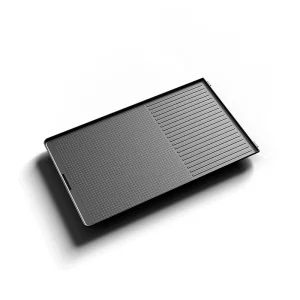
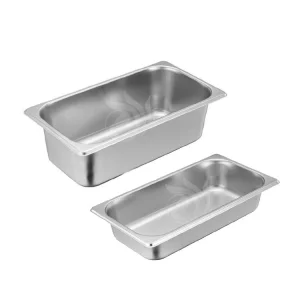
Premium OEM/ODM heavy-duty kitchen equipment and food-grade stainless steel products engineered for global export markets.
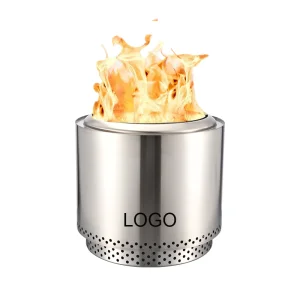
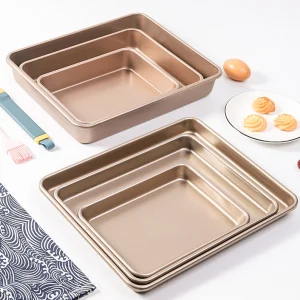
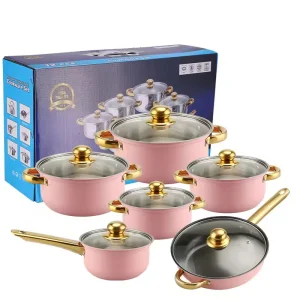
Analyzing the paradigm shift in industrial food processing and high-end residential kitchenware.
Over the past decade, the global food safety and commercial hospitality sectors have witnessed a major transformation in materials selection. Traditional wood and plastic cutting boards, once universal standards, are rapidly facing regulatory limits and phase-outs in commercial settings due to issues like cross-contamination, deep bacterial colonization, and microplastic contamination. Stainless steel chopping boards, particularly those made of AISI 304 and AISI 316 grade austenitic alloys, have emerged as the standard for commercial kitchens, high-volume food processing plants, and modern homes.
This market transition is driven by several key factors: the need for durable kitchenware that can withstand high-impact cleaning, the strict sanitization requirements of HACCP (Hazard Analysis Critical Control Point) systems, and the growth of private label brands looking for premium, long-lasting products. As global trade in household goods continues to expand, sourcing directly from high-capacity factories in specialized manufacturing regions has become a key competitive advantage for retail brands, wholesale distributors, and commercial kitchen suppliers.
To help international procurement managers make informed purchasing decisions, this whitepaper evaluates the top stainless steel chopping board factories and exporters, highlighting their production capabilities, quality management frameworks, and the technology behind modern steel food preparation surfaces.
Understanding the technical metrics and certifications required for compliant global supply chains.
Verified food-grade steel (SUS 304 or SUS 316) is essential. Premium factories provide spectral analysis and raw material mill certificates to guarantee lead-free, high-nickel alloy composition that prevents corrosion.
To address knife slip and blade wear, advanced manufacturers use micro-embossed patterns or brushed finishes. These physical structures reduce vacuum suction while helping protect the sharp edge of the blade.
Exporters must meet FDA (Food and Drug Administration) requirements, LFGB (Lebensmittel- und Futtermittelgesetzbuch), and NSF (National Sanitation Foundation) certifications to guarantee safety for global food contact.
A comprehensive analysis of production infrastructure, quality systems, and manufacturing capabilities.
Guangdong Kaus Kitchen Co., Ltd. is located in the vibrant and economically dynamic region of the Chaoshan plain in Shantou, Guangdong Province, an area renowned for its strong manufacturing foundation and rich tradition in stainless steel and kitchenware production.
The company is a modern, comprehensive enterprise integrating research and development, manufacturing, sales, and service, specializing in high-quality stainless steel kitchenware, hotel supplies, and household tableware products. Guided by the core business philosophy of “quality first, customer foremost,” Kaus Kitchen is committed to delivering durable, safe, and innovative kitchen solutions to global customers.
The company has obtained ISO9001 International Quality Management System certification and ISO14001 Environmental Management System certification, ensuring strict standards in product quality control and sustainable production practices. In addition, several of its products have passed national safety and compliance certifications, including CCC certification for applicable electrical or regulated items.
Through continuous innovation and technological investment, Guangdong Kaus Kitchen Co., Ltd. has been awarded multiple honors such as “Guangdong Famous Brand Product” and “Guangdong Contract and Credit Enterprise,” reflecting its strong reputation in both domestic and international markets. The company also holds a number of patents in product design and manufacturing processes, demonstrating its commitment to innovation and product differentiation.
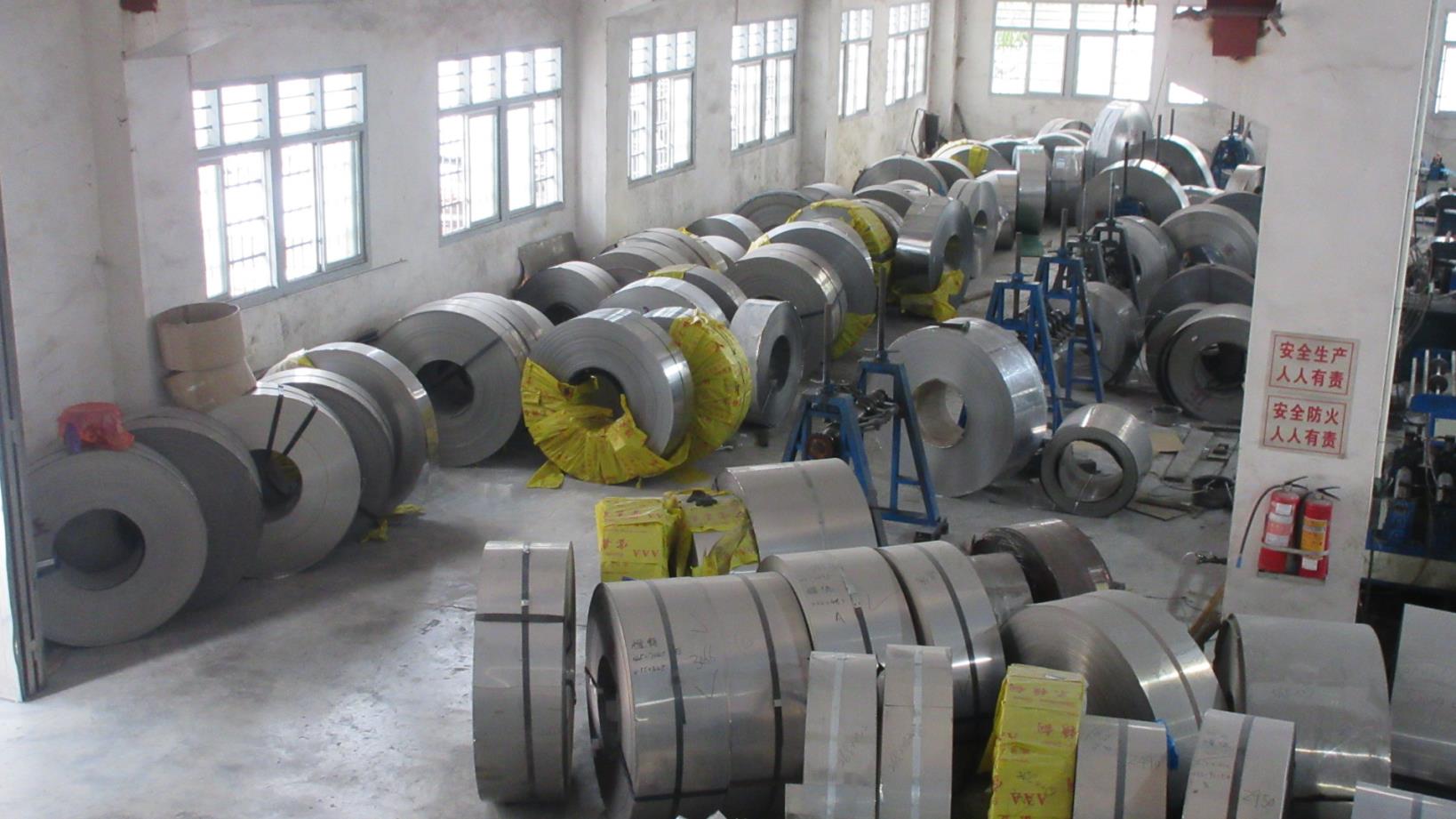
A step-by-step look at how Kaus Kitchen transforms raw coils into precision kitchenware.
Inspecting food-grade stainless steel coils
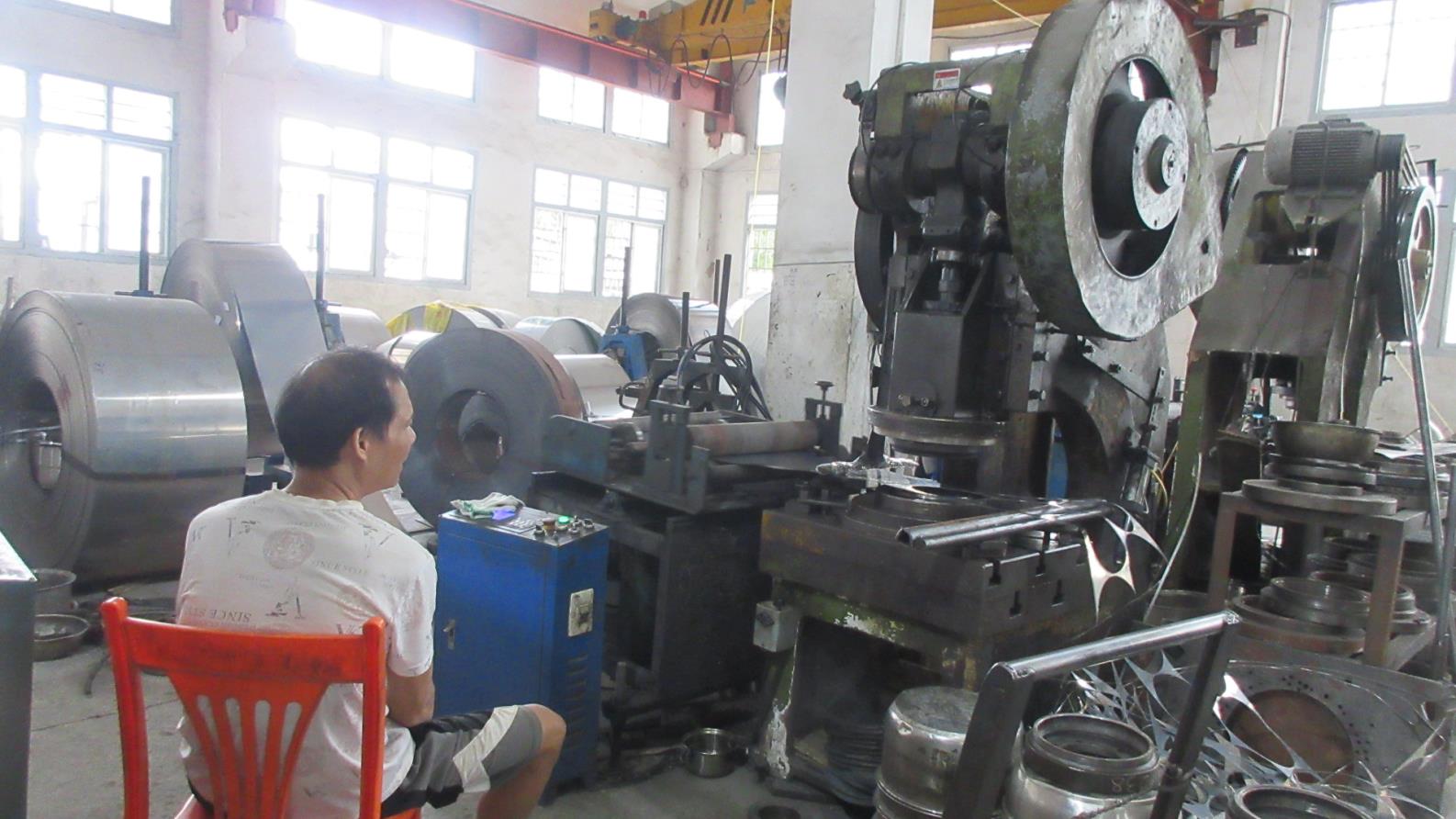
Precision cutting to size using specialized machinery
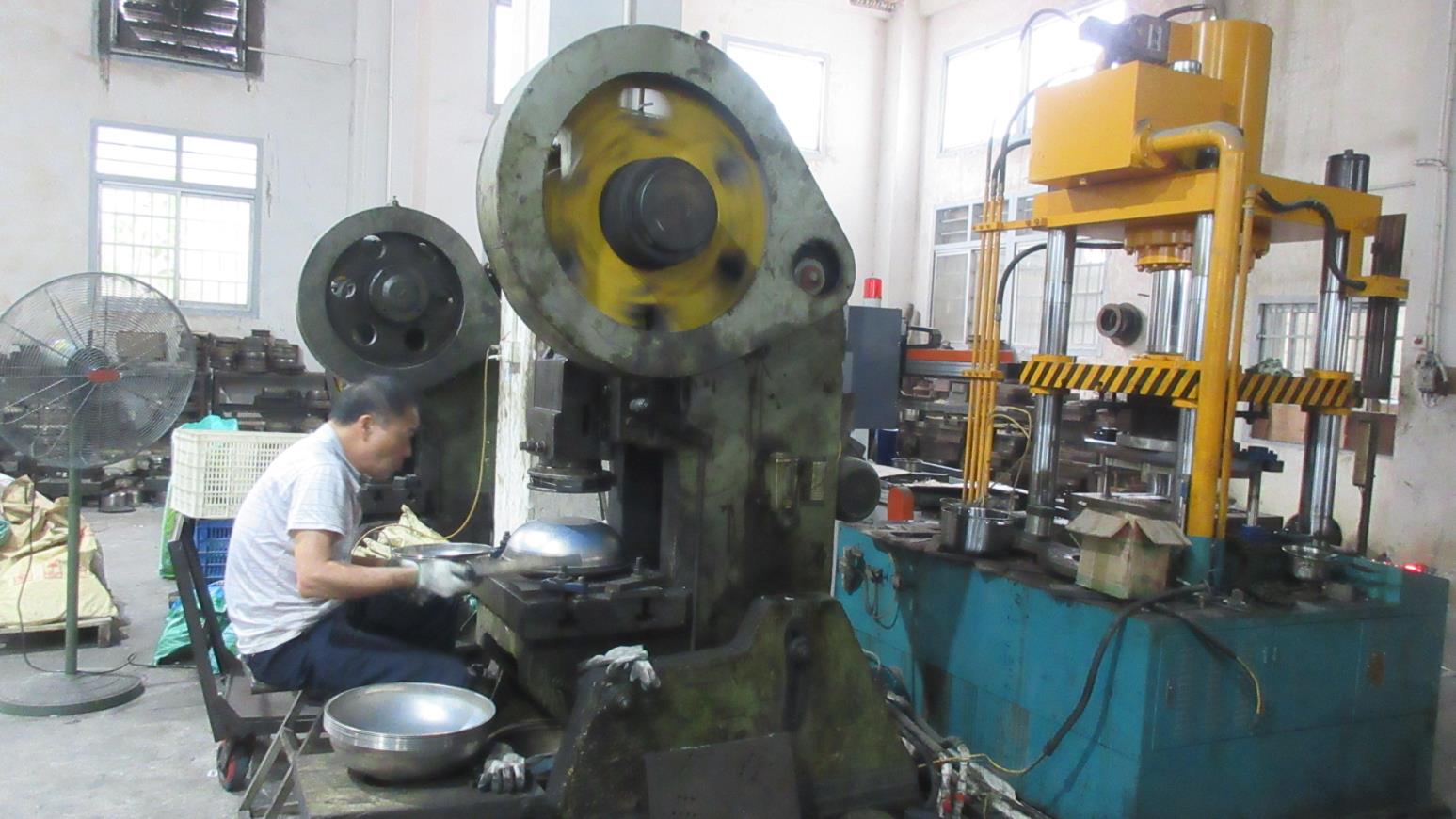
High-tonnage stamping for product shapes
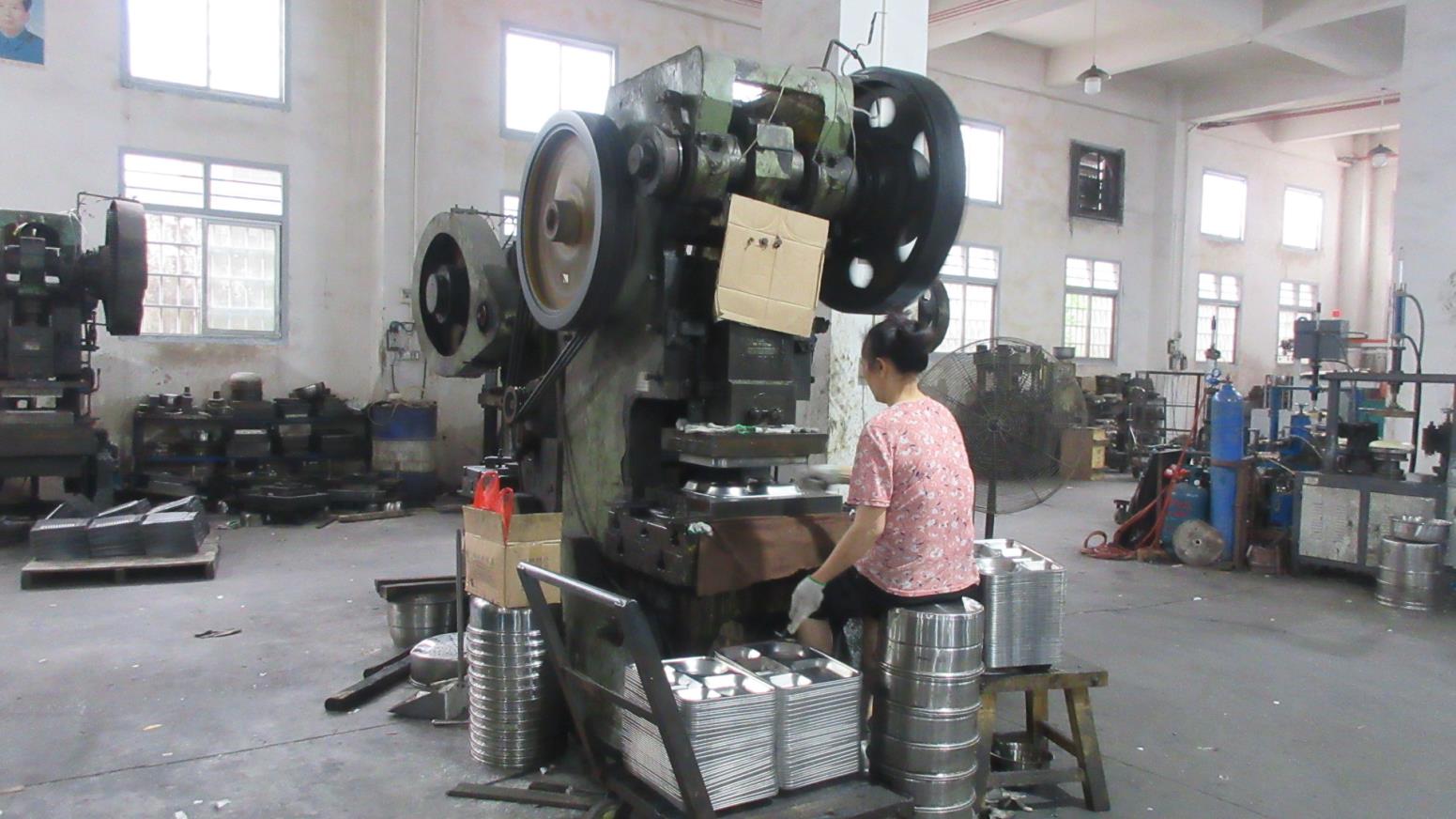
Shaping structural components and fittings
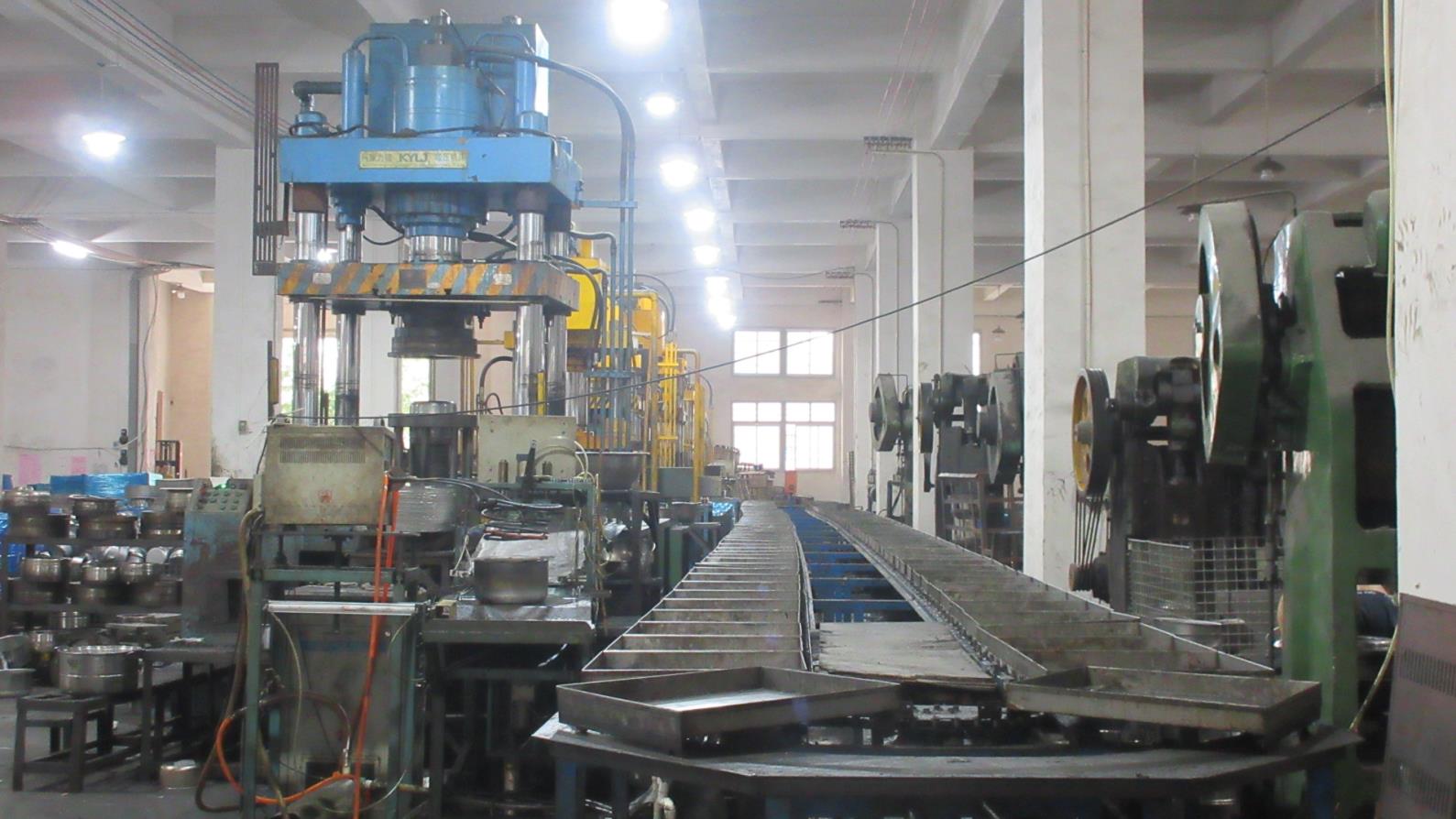
CNC profile bending and edge folding
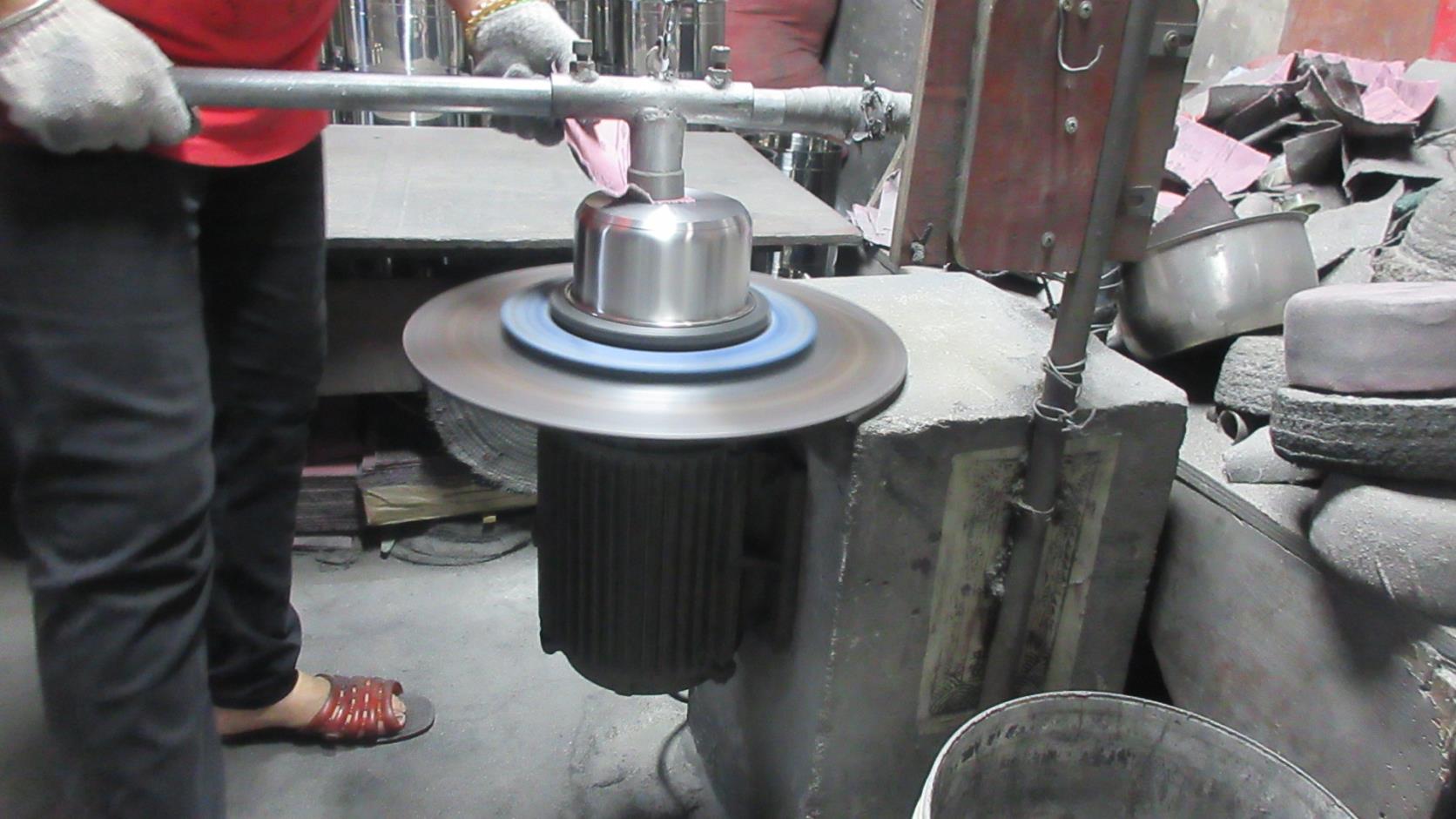
Surface brushing and edge polishing
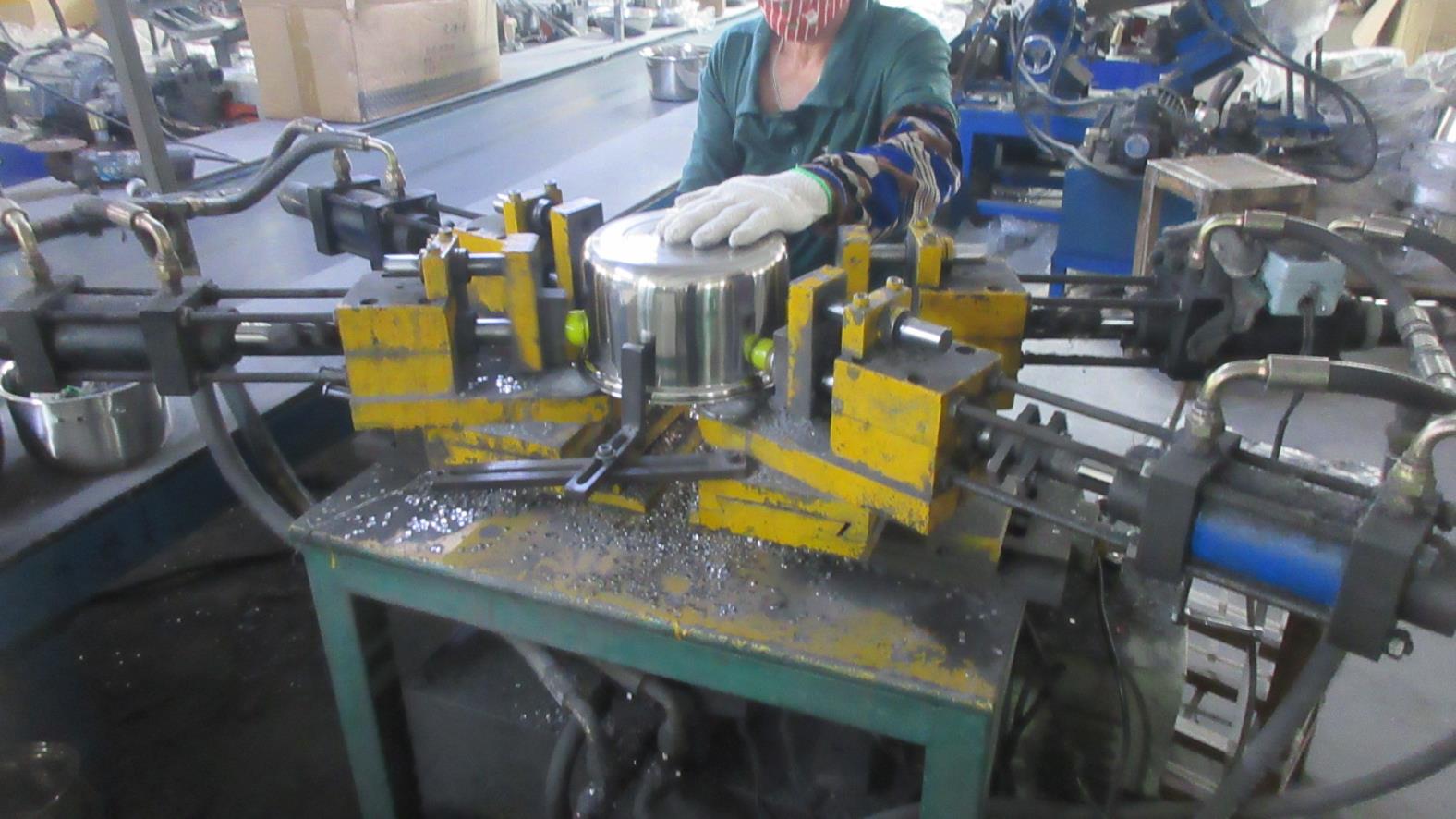
Punching mounting holes and functional slots
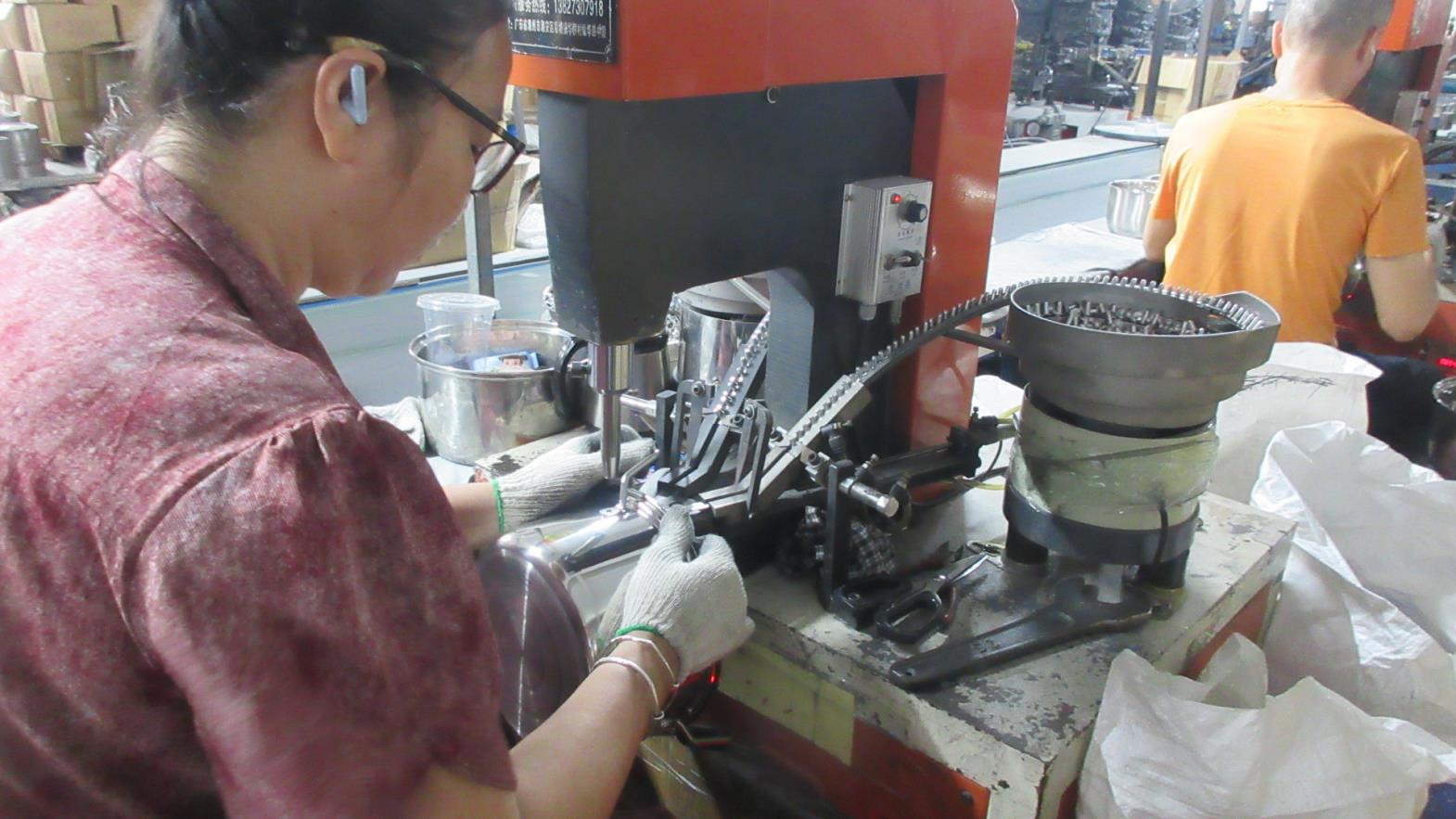
Assembling handles and support brackets
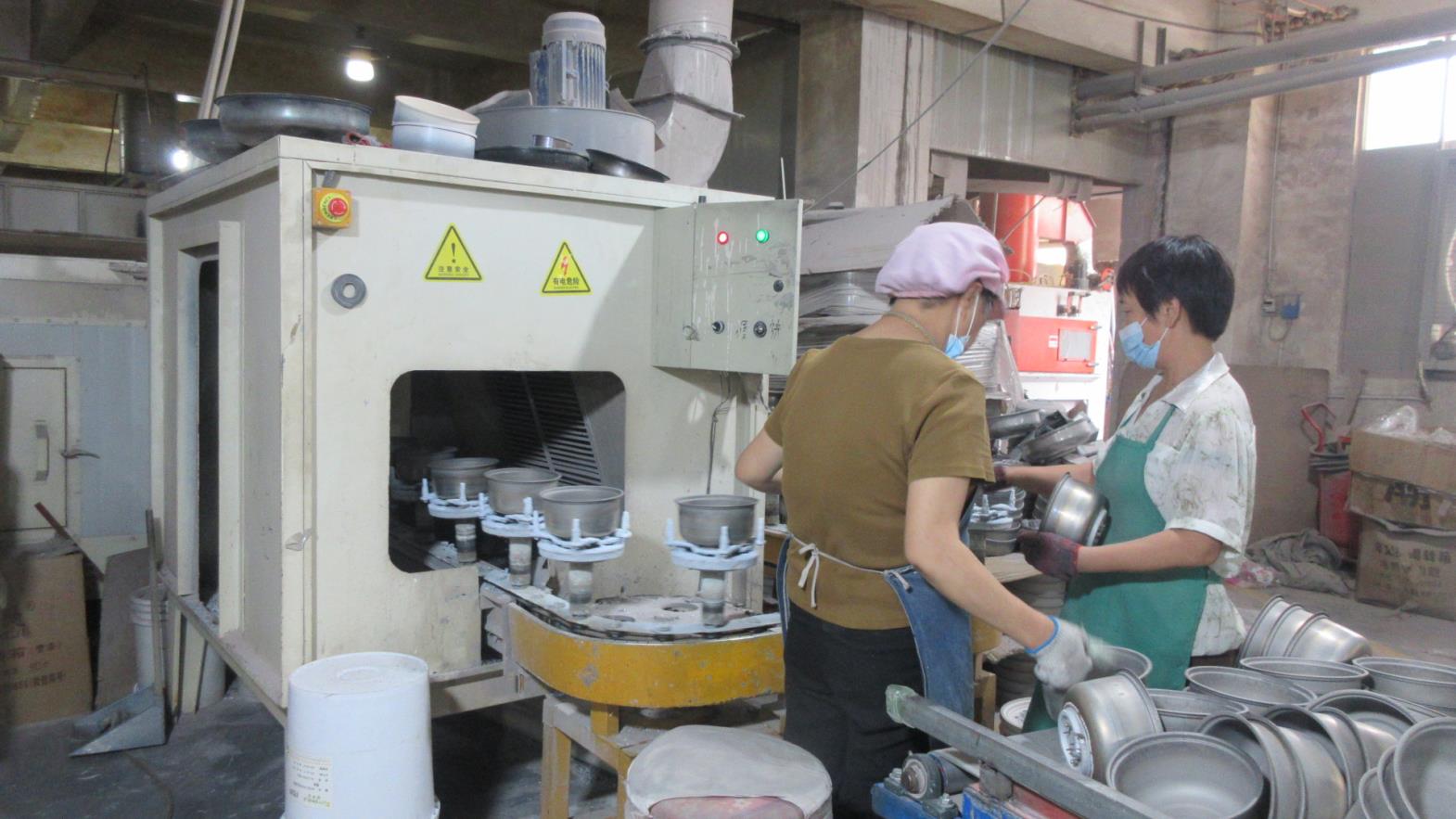
Applying exterior non-stick and powder coatings
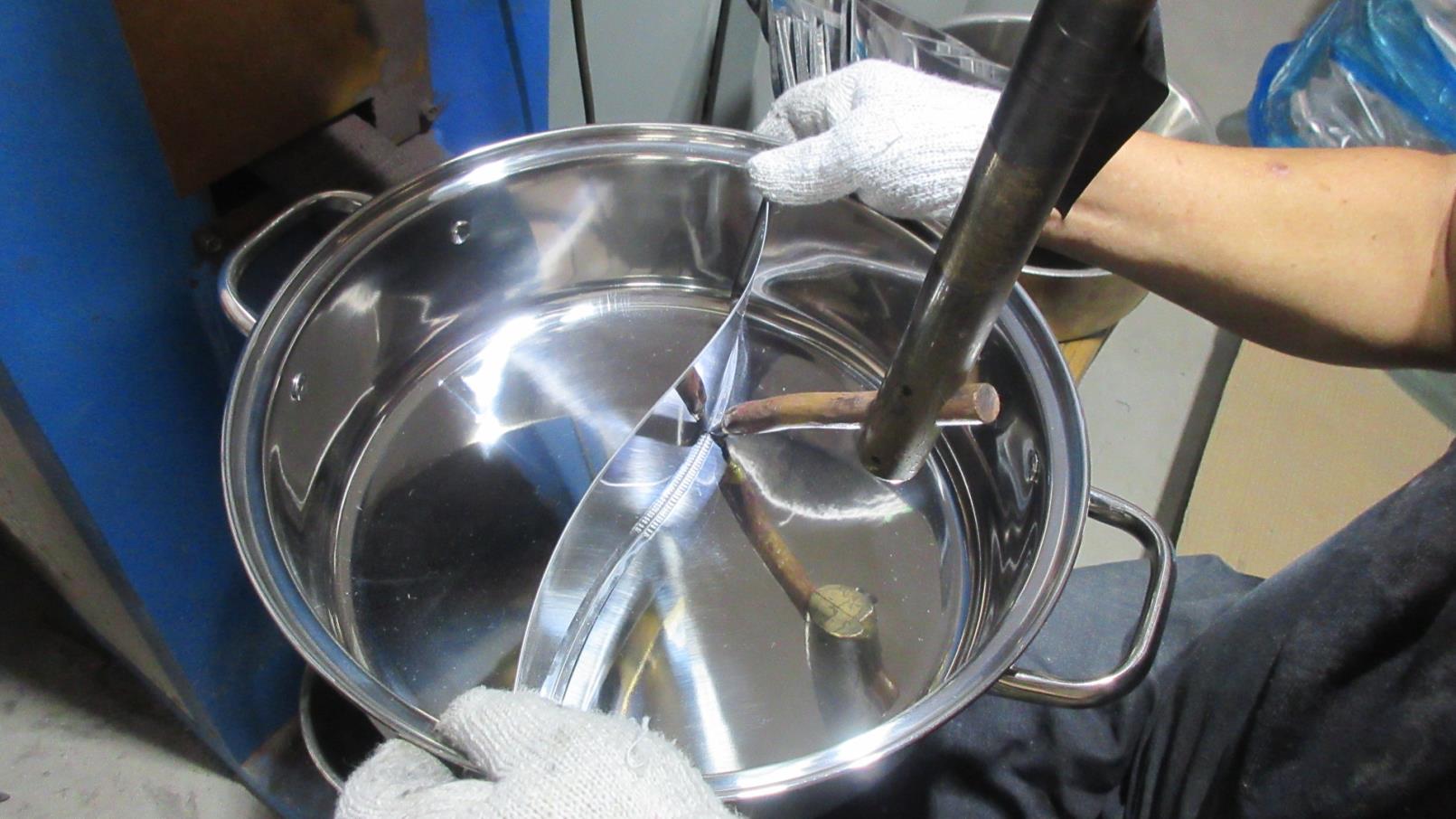
Argon arc welding and corner fusion
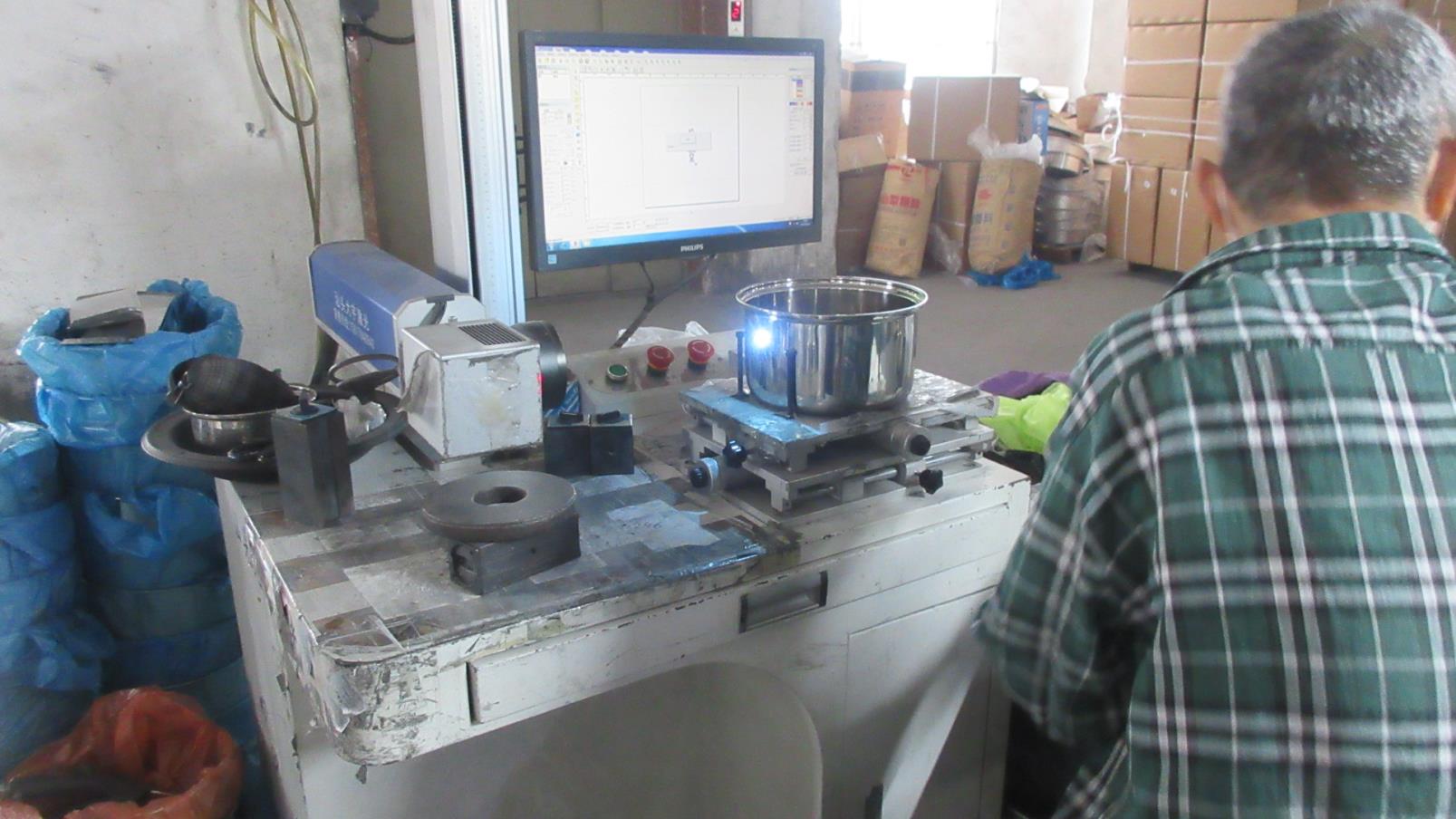
Logo engraving and custom scale marking
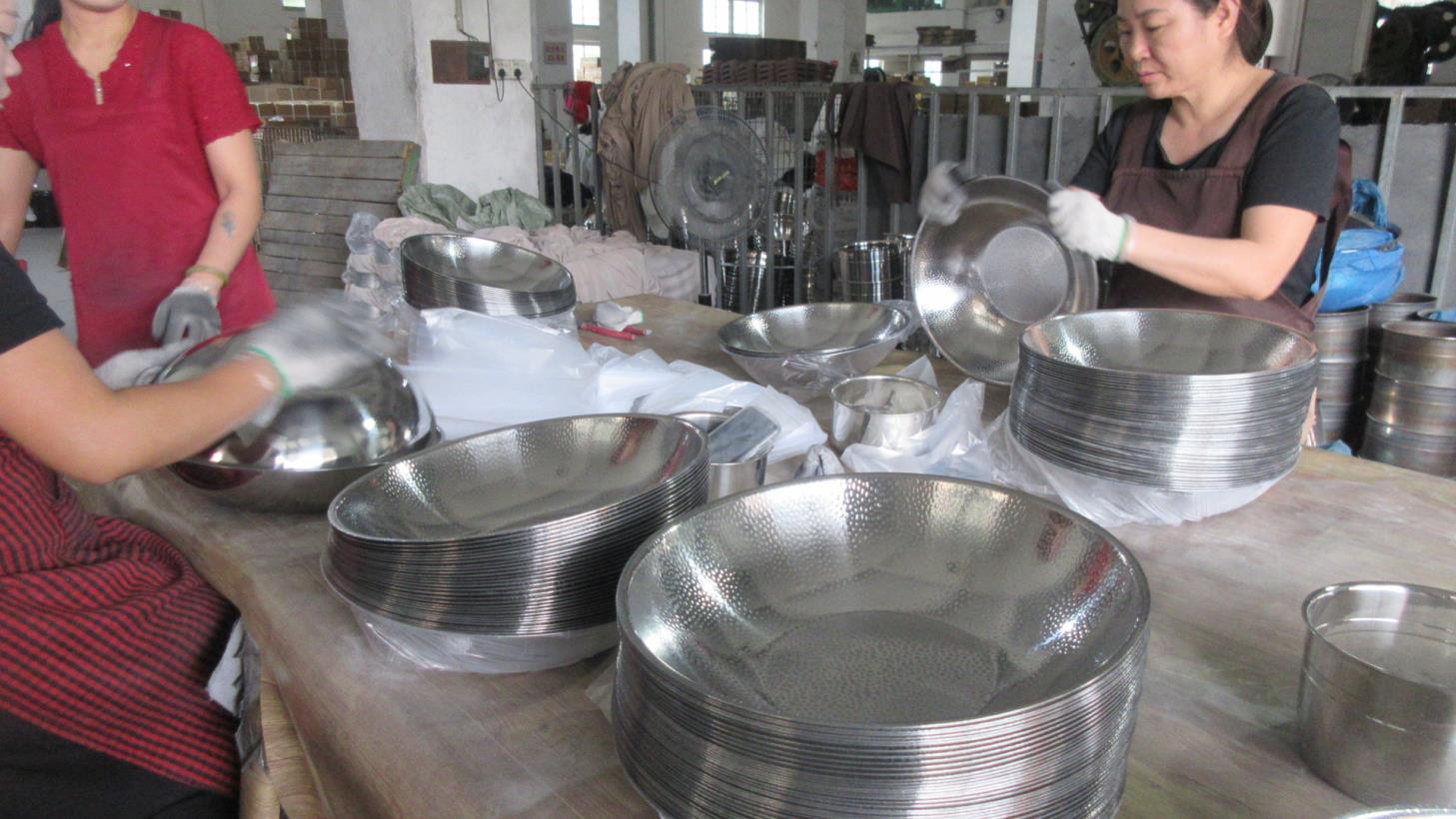
Final quality checks, surface testing, and cleaning
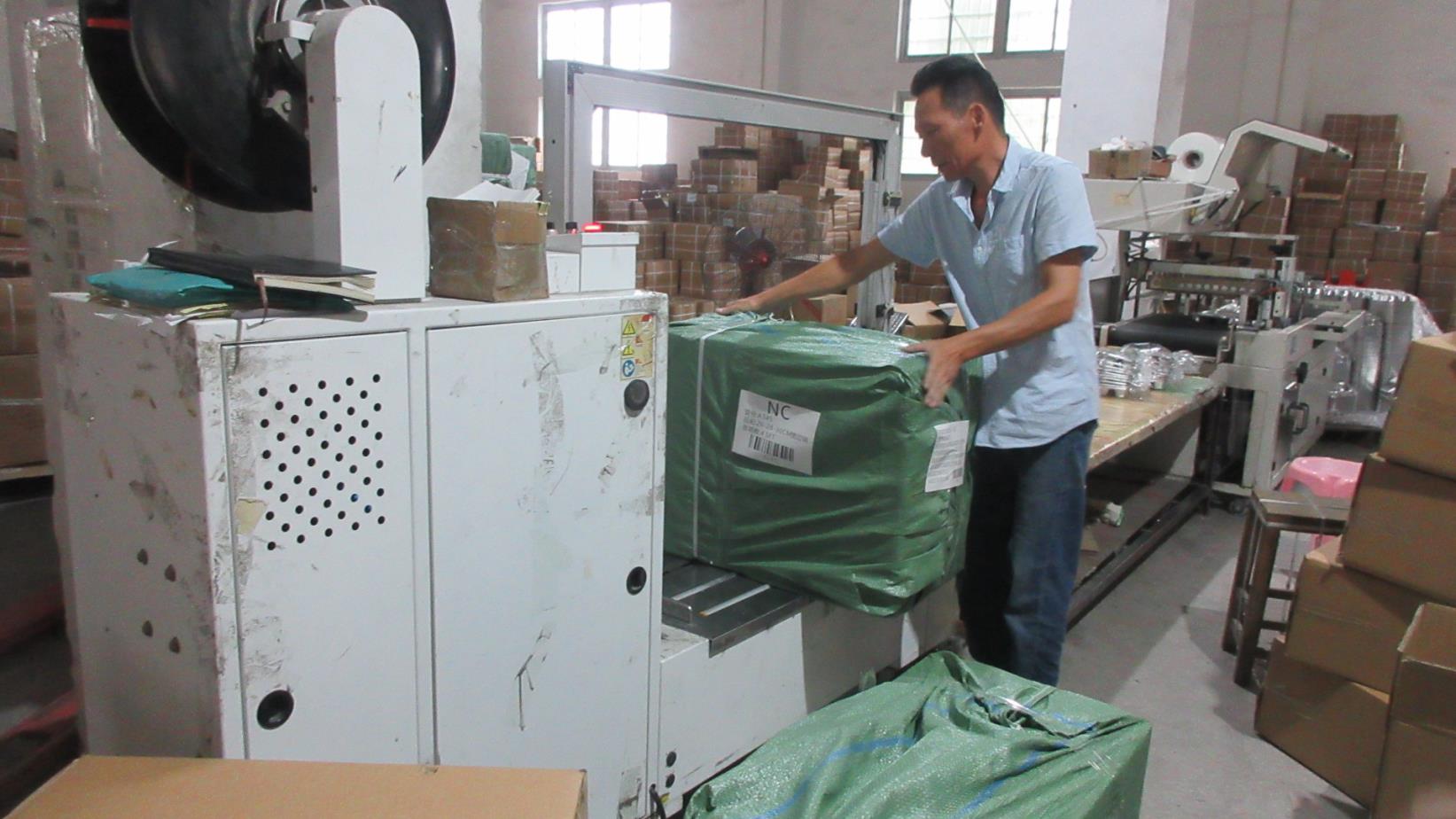
Safe export packaging for shipping
High-precision cutting lines for uniform dimensions
A B2B directory evaluating the leading global manufacturers based on export capacity and technology.
A premier manufacturer in Shantou, Guangdong, operating a 30,000 m² garden-style facility. Kaus Kitchen stands out for its high production capacity, advanced automation (including CNC cutting and automated laser engraving), and certifications like ISO9001 and ISO14001. They specialize in high-end OEM/ODM services for commercial and residential kitchenwares.
30,000 sq. meters
Europe, North America, Southeast Asia
Advanced Automation & Custom Finishes
Located in Yangjiang, China's knife and scissors capital. This factory uses its proximity to steel suppliers and blade makers to produce chopping boards with surface treatments designed to minimize knife wear.
25,000 sq. meters
North America, Japan, Korea
Integrated Kitchen Knife & Board Solutions
A highly automated factory located in Yongkang, Zhejiang. Specializes in multi-material boards, such as composite designs featuring stainless steel on one side and food-grade PP or wood fiber on the other.
40,000 sq. meters
Western Europe, North America
Dual-Sided Composite Cutting Boards
Famous for metal fabrication, this manufacturer specializes in double-walled hollow chopping boards. These lightweight boards feature internal sound-dampening structures that reduce noise in commercial kitchens.
18,000 sq. meters
Middle East, South America
Noise-Reduction Metal Core Technologies
Located in Shunde, a major hub for home appliances and high-end kitchen fixtures. They offer premium integration options, creating customized stainless steel boards designed to fit seamlessly into high-end sink systems and prep stations.
22,000 sq. meters
Oceania, North America, Northern Europe
Custom Profiles for Built-in Countertop Systems
Focuses on large-format, high-thickness stainless steel slabs designed for industrial food processing plants and commercial butcher shops. They supply thick, heavy, anti-warp structures.
50,000 sq. meters
Central Asia, Eastern Europe
Large-Format Food Processing Boards
This factory focuses on sustainable materials. They manufacture hybrid cutting boards that combine recycled stainless steel with FSC-certified bamboo backings, targeting environmentally conscious retail markets.
15,000 sq. meters
Western Europe, Australia
Eco-Friendly and Hybrid Material Sourcing
Integrates technology into basic kitchen surfaces. They manufacture smart chopping boards featuring integrated digital scales, timer displays, and UV sterilization chambers built into the docking station.
12,000 sq. meters
North America, Japan, Singapore
Built-in Electronics and Digital Scale Units
A supplier focused on food conveyor systems and integrated slicing lines. They design stainless steel preparation boards meant for automated line production in canning and packaging factories.
35,000 sq. meters
Global Industrial Meat Plants
Automated Processing Line Custom Slabs
Specializes in advanced surface-treated alloys. They manufacture antibacterial chopping boards infused with silver-ion surface layers to inhibit microbial growth, ideal for high-humidity environments.
20,000 sq. meters
Southeast Asia, Middle East
Antibacterial Coatings and Alloy Formulations
Industry projections showing how materials engineering is adapting to smart kitchens and eco-design standards.
The culinary surface market is moving toward greater sustainability and smart integration. In response to concerns over microplastics from plastic cutting boards, stainless steel has become a leading alternative due to its durability and recyclability. The industry is currently focusing on three key technology areas:
How stainless steel chopping boards meet localized standards and support different food preparation environments.
Depending on the destination market, importers must verify that their suppliers meet specific regional compliance rules. For the European Union, products must comply with LFGB regulations and EC 1935/2004 framework standards to ensure no chemical migration into food. In the United States, materials must meet FDA food-contact regulations (specifically 21 CFR 178.3800 and 110.40 for equipment construction) and NSF/ANSI Standard 2 for sanitary design.
These regulatory differences also match varying local usage scenarios:
Addressing material selection, knife care, custom tooling, and supply chain logistics.
SUS 304 contains higher levels of chromium (18%) and nickel (8%), giving it excellent resistance to acids and corrosion. SUS 201 is more affordable but contains less nickel, making it prone to rust when exposed to water and acidic food juices (like tomatoes or lemons) over time. SUS 304 is the industry standard for food contact compliance.
Yes, cutting directly on stainless steel will dull knives faster than cutting on wood or plastic, because steel has a high surface hardness. To help protect knife edges, quality manufacturers apply brushed finishes or micro-groove patterns to reduce direct impact. Many commercial kitchens use stainless steel boards primarily for rolling dough, cutting pastries, or prepping raw meats where sanitation is the top priority, and switch to softer materials for fine chopping.
To prevent slipping, manufacturers often add food-grade silicone feet, wrap the edges in TPE rubber, or design dual-sided composite boards with a textured plastic backing that grips the countertop during use.
OEM options include fiber laser engraving for logos, custom juice grooves, integrated measurement scales, and personalized outer packaging (such as color boxes or shrink wrap with custom inserts).
For standard designs, MOQs typically range from 500 to 1,000 units. For custom sizes, non-standard shapes, or specialized composite materials that require new tooling, MOQs are generally 2,000 units or more.
Cleaning is simple: wash with hot water and standard dish soap. They are fully dishwasher safe and can handle chemical sanitizers and heat sterilization in commercial kitchens. This easy maintenance is one of their main advantages over wood and plastic.
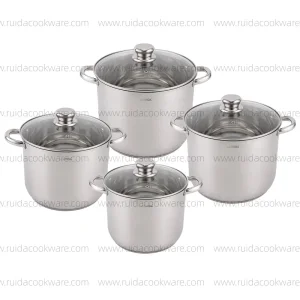
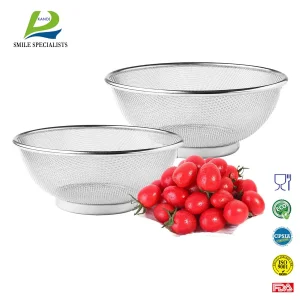
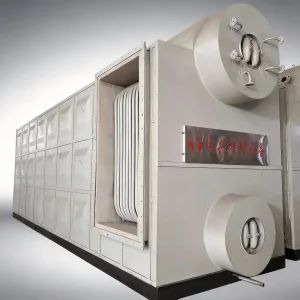
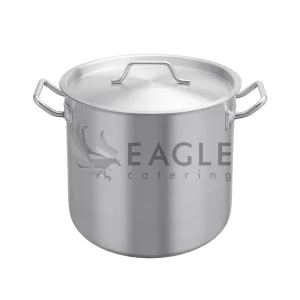
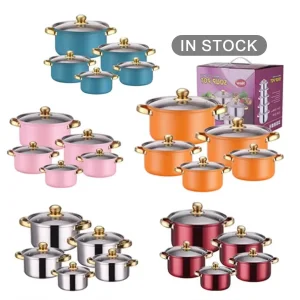
A full range of certified industrial and kitchen equipment designed to meet global supply chain requirements.
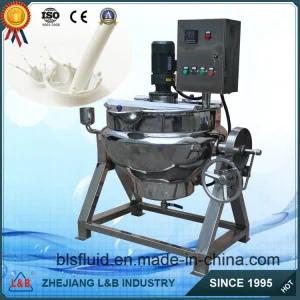
 Kaus Kitchen