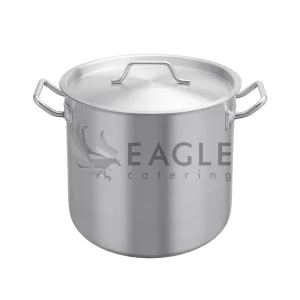
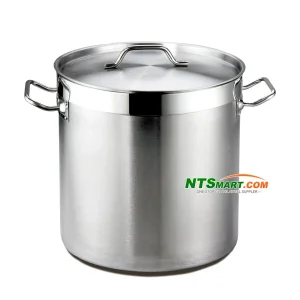
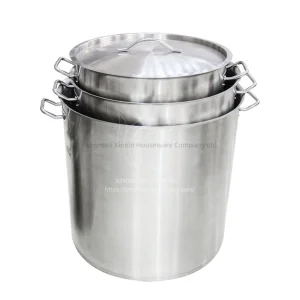
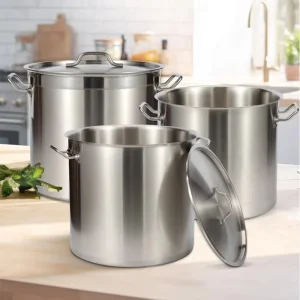
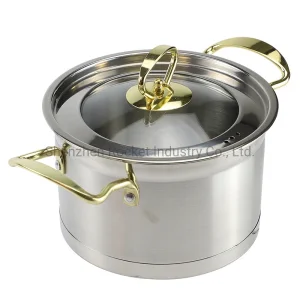
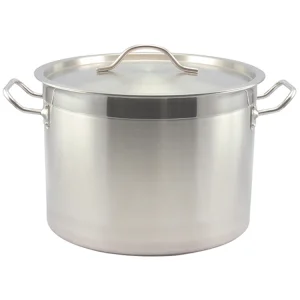
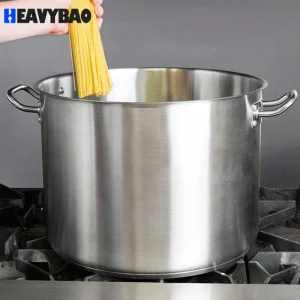
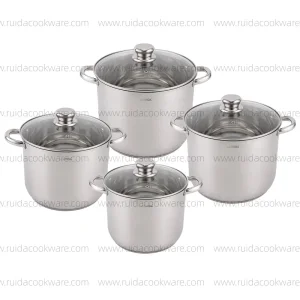
Premium induction-ready stockpots engineered to handle traditional high-volume slow cooking while optimizing fuel and energy efficiency.
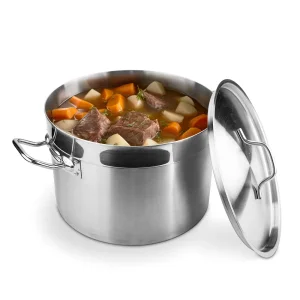
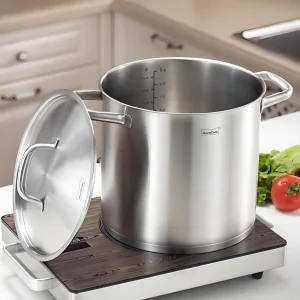
An analysis of regional growth drivers in Asmara, Massawa, and Keren and their requirements for food-grade stainless steel products.
Eritrea's commercial kitchenware and food service sectors are undergoing a major transition. In city hubs like Asmara (a UNESCO World Heritage site known for its historic cafe and restaurant culture), Massawa, and Keren, hospitality establishments are upgrading from basic aluminum containers to modern, industrial-grade stainless steel. This shift is driven by strict public health policies, a growing tourism and hospitality industry, and the energy efficiency requirements of modern culinary operations.
In traditional Eritrean gastronomy, preparation of dishes such as Tsebhi (rich stews) and Injera batters requires large-volume vessels capable of heat distribution without hot spots. Aluminum cookware often reacts with highly acidic tomato and legume stews, altering food flavor profiles and posing health concerns. Industrial-grade SUS 304 and 316 stainless steel stockpots offer complete chemical neutrality, ensuring food safety and preserving natural flavors.
Moreover, the coastal economy of Massawa and Assab presents unique environmental challenges. The high humidity and airborne salinity require cookware constructed with superior corrosion resistance. Standard metals quickly degrade under these atmospheric conditions, making food-grade stainless steel with high chromium and nickel content the only viable long-term capital investment for institutional kitchens, military camps, hotels, and schools.
Designed for durability, heat conductivity, and international regulatory compliance.
Guangdong Kaus Kitchen Co., Ltd. designs heavy-duty stockpots utilizing multi-layered base technology (sandwich bottoms). This structure features an inner layer of food-grade stainless steel, a middle core of pure aluminum for uniform heat dissipation, and a magnetic outer layer (usually SUS 430) to support modern induction ranges alongside traditional gas and electric stoves. This is especially valuable in Eritrea, where commercial operations must pivot between energy sources depending on local grids.
| Feature / Component | Technical Specification | Eritrean Commercial Benefit |
|---|---|---|
| Primary Material | AISI 304 (18/10 Stainless Steel) or AISI 316 Acid-Resistant Steel | Rust prevention in humid coastal zones (Massawa, Assab); zero reaction with acidic local recipes. |
| Base Construction | 3-Ply Impact-Bonded Capsule Bottom (SS 304 + Alu + SS 430) | High energy retention and thermal transfer, reducing fuel costs for gas and induction setups. |
| Wall Thickness | 0.8mm to 1.5mm (Heavy-Duty industrial grade) | Resists physical impacts and deformation in high-traffic catering environments. |
| Lid Configuration | Flat/Dome Type Tempered Glass or SUS 304 Heavy-Duty Lids | Ensures high-pressure moisture retention for optimal braising and boiling. |
| Handle Attachment | Multi-Point Spot Welded & Heavy-Duty Riveted Steel Handles | Ensures chef safety when lifting vessels holding up to 100 liters of hot liquids. |
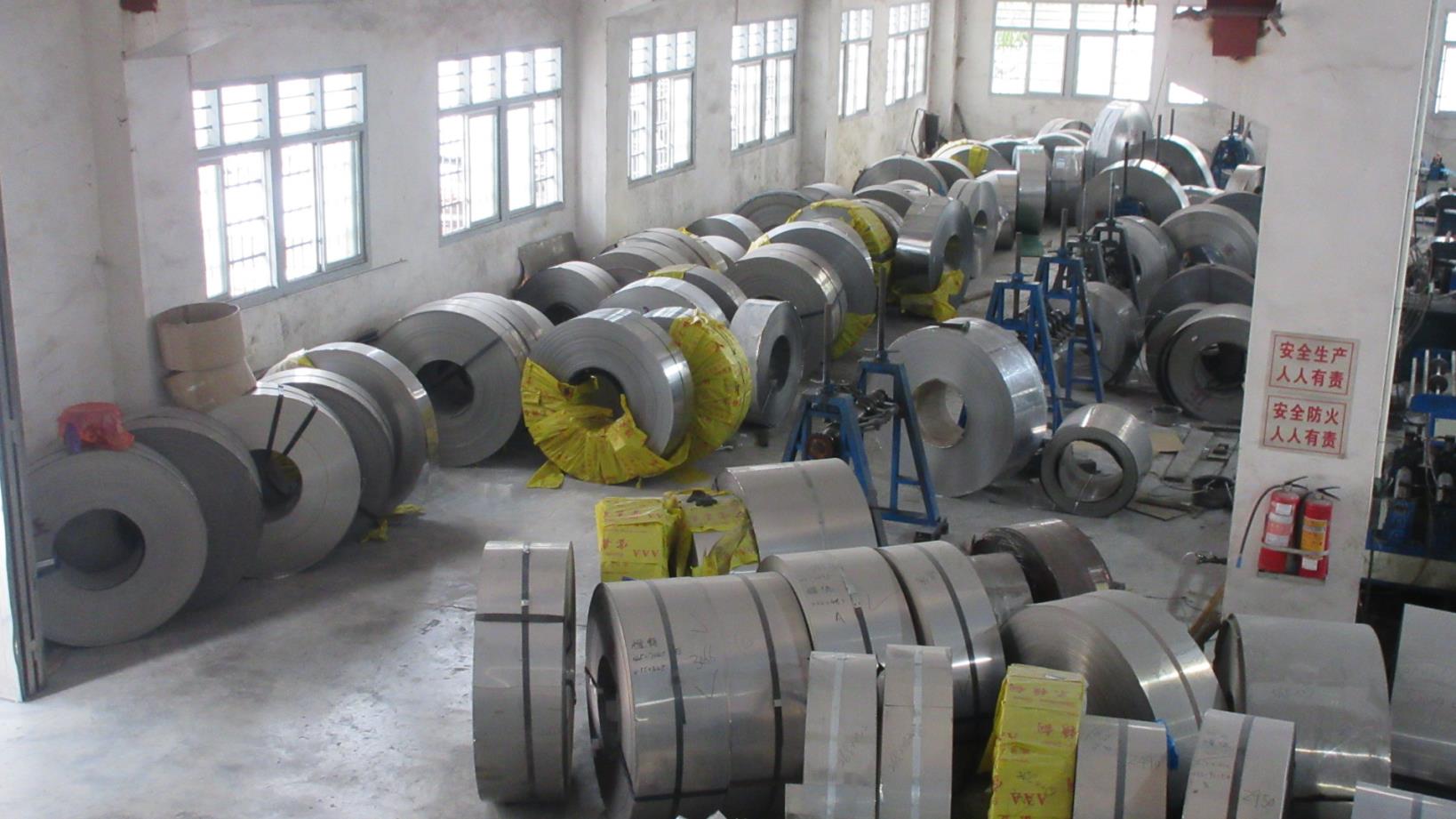
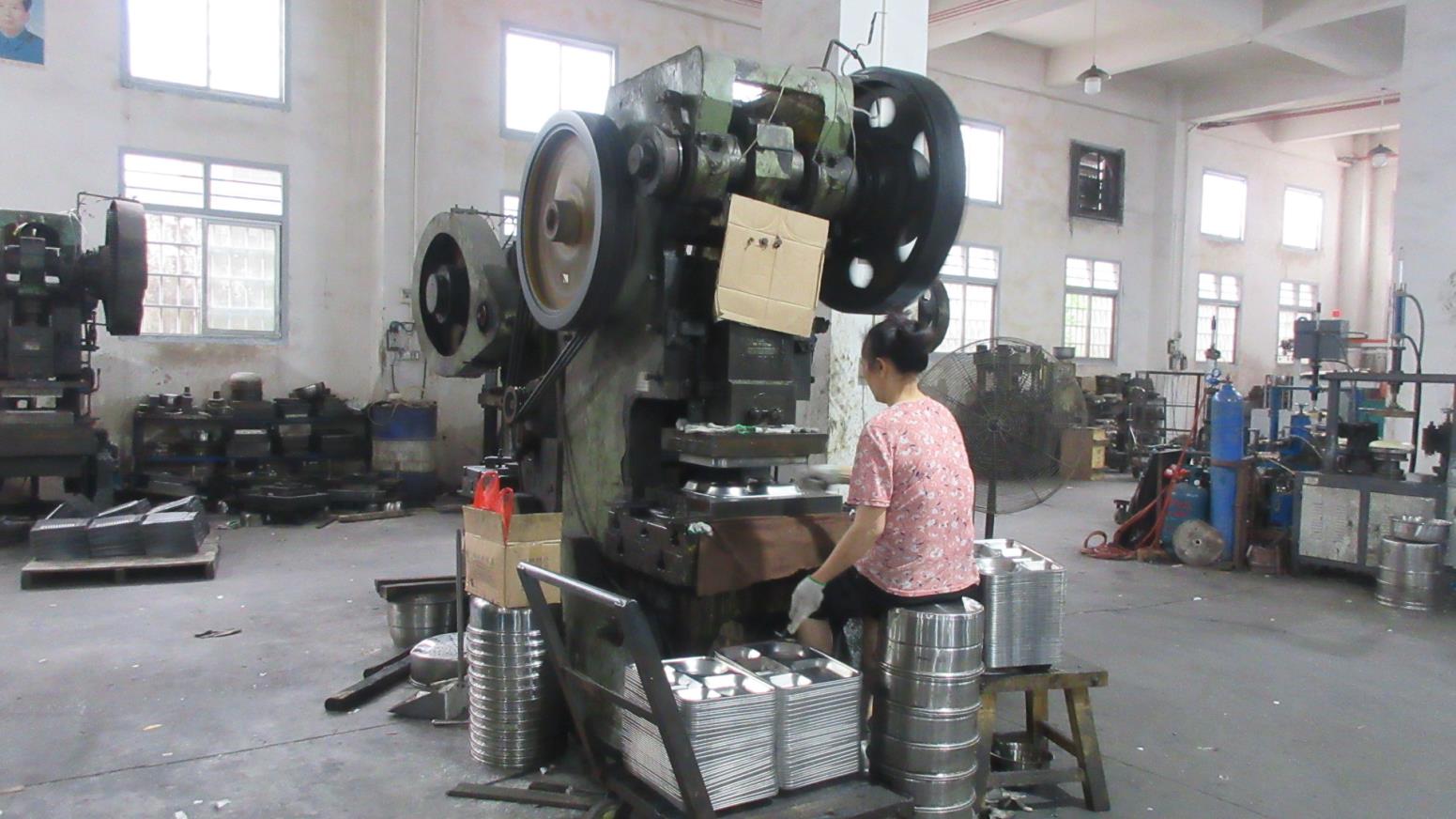
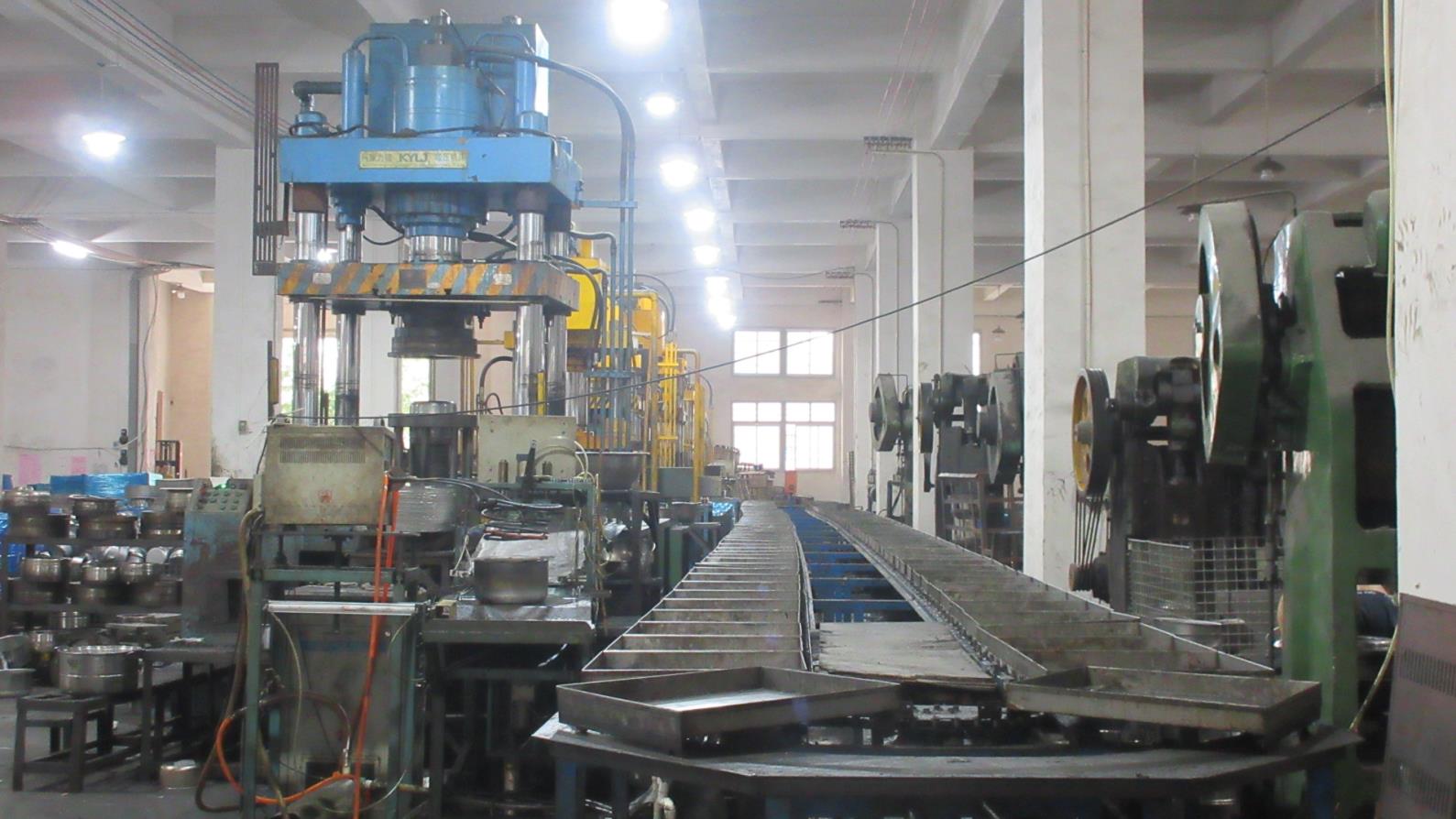
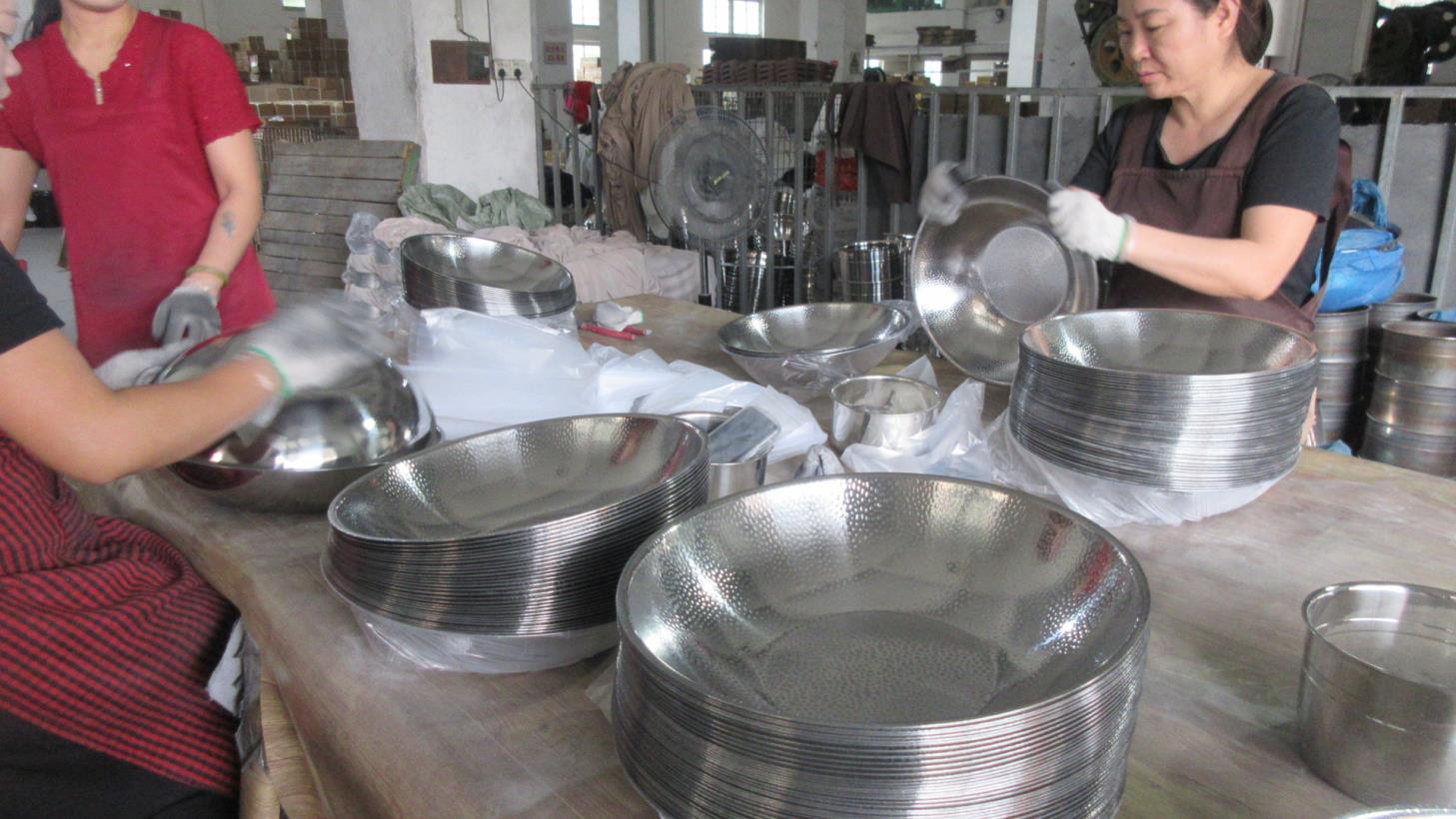
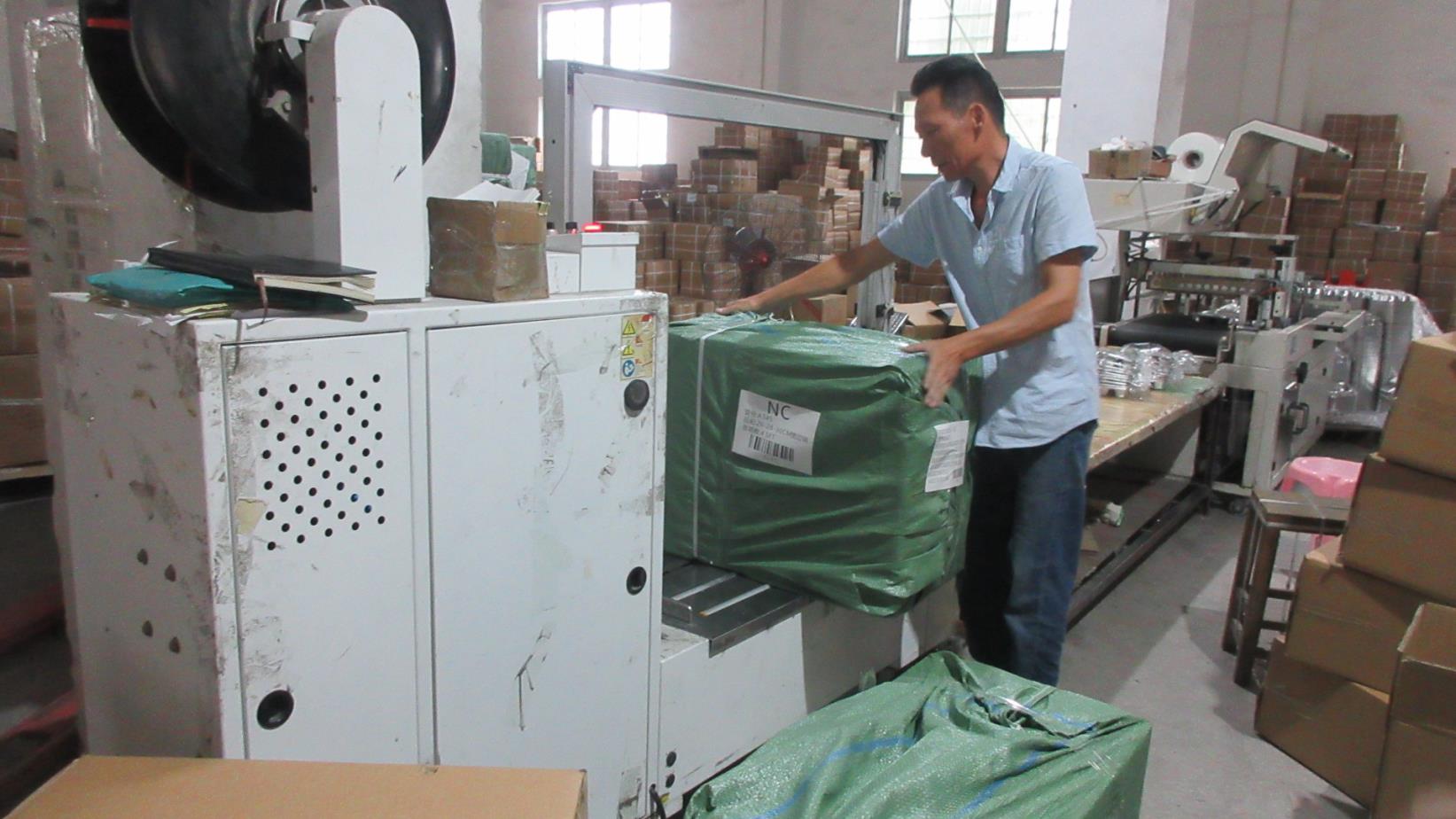
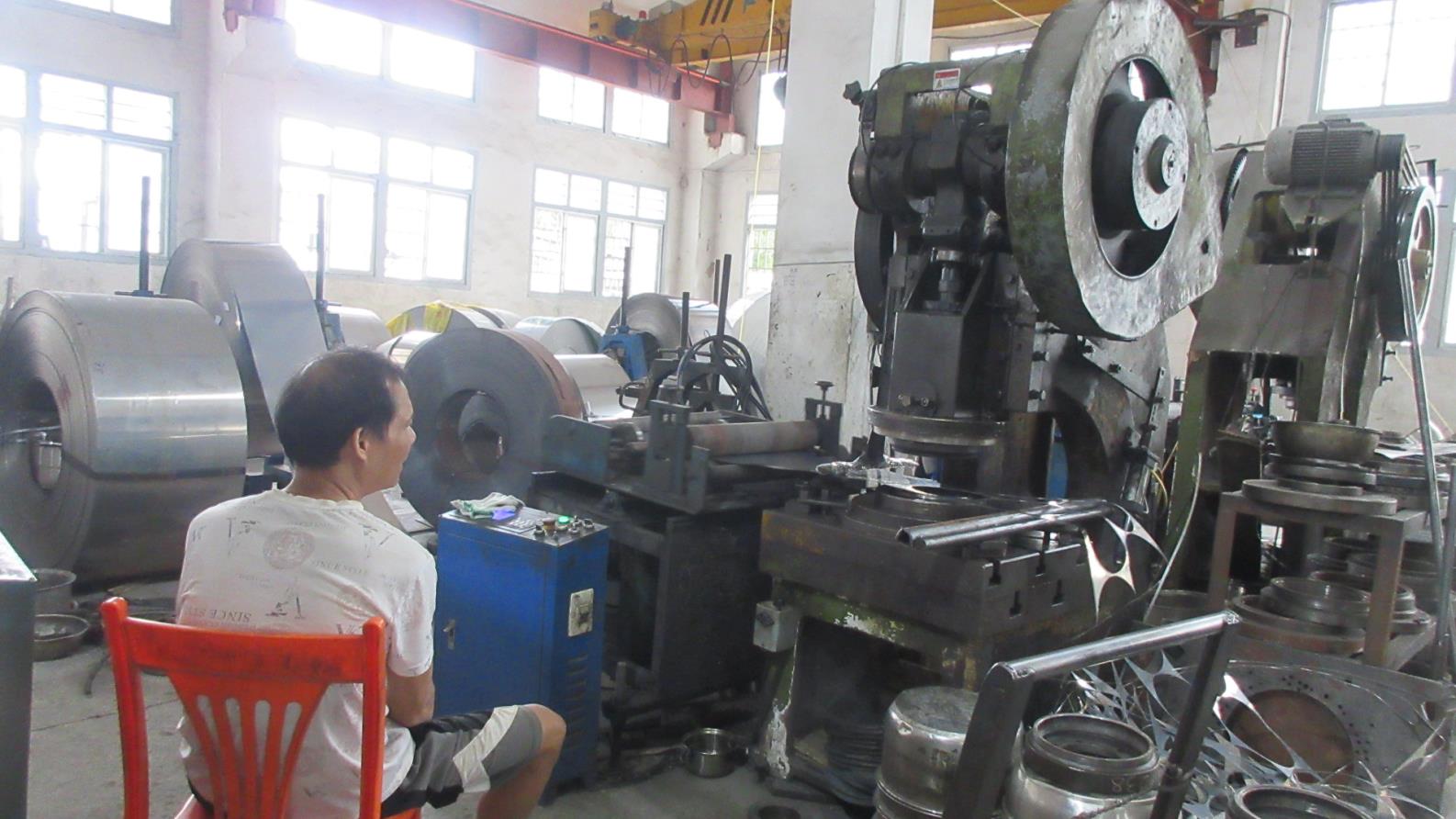
Located in Chaoshan plain (Shantou, Guangdong Province), our 30,000-square-meter facility operates with ISO 9001 and ISO 14001 certification.
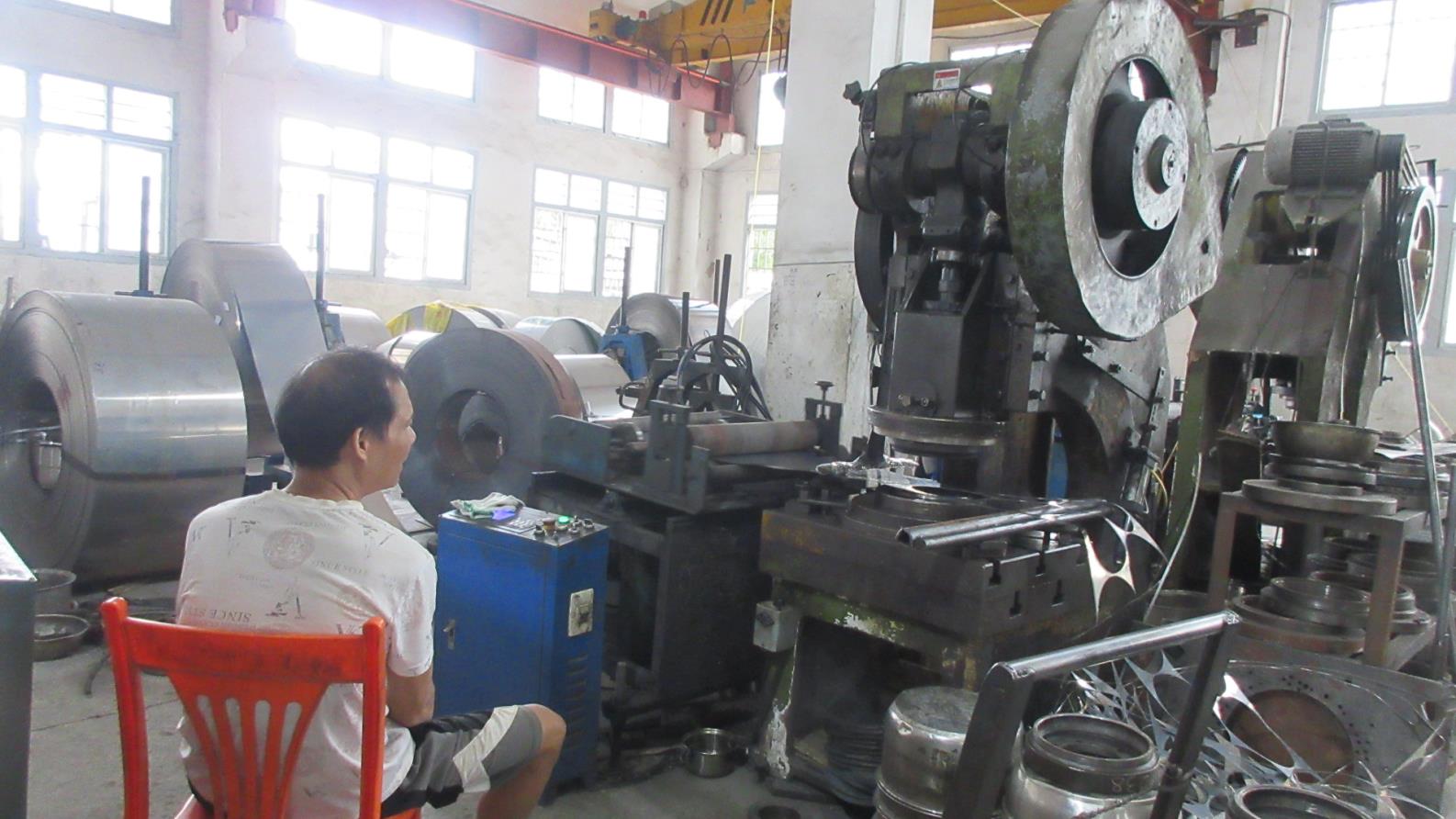
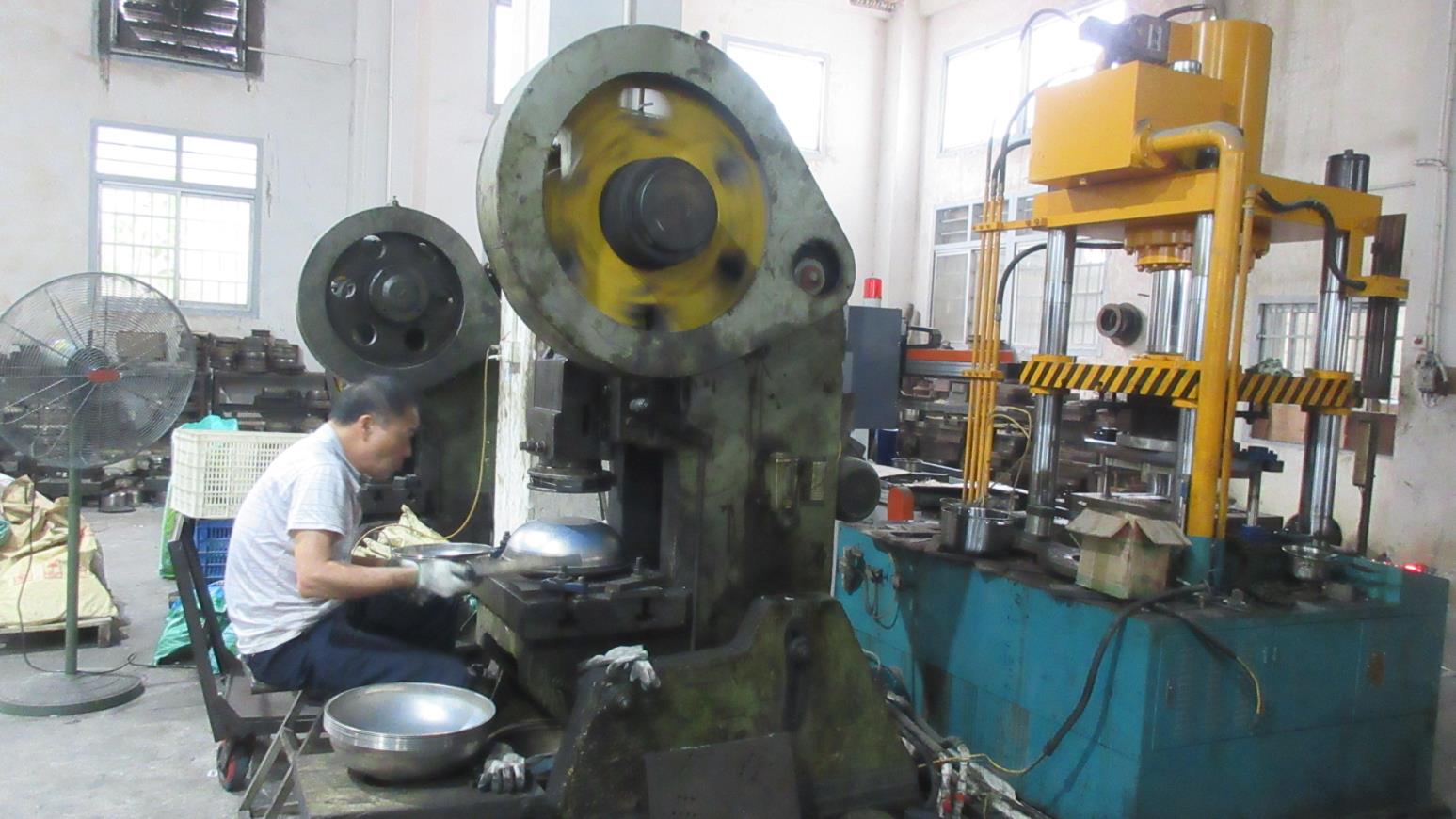
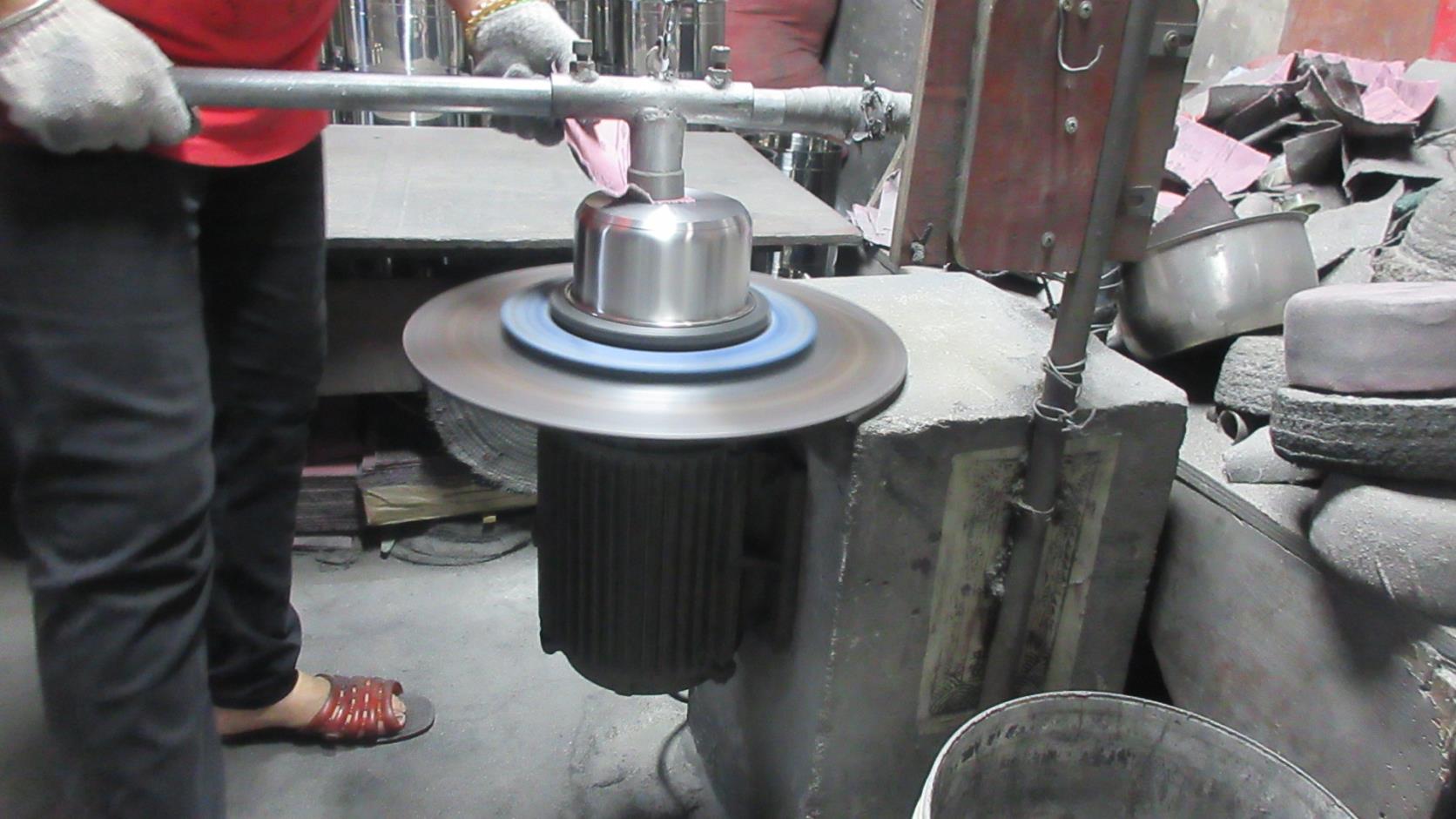
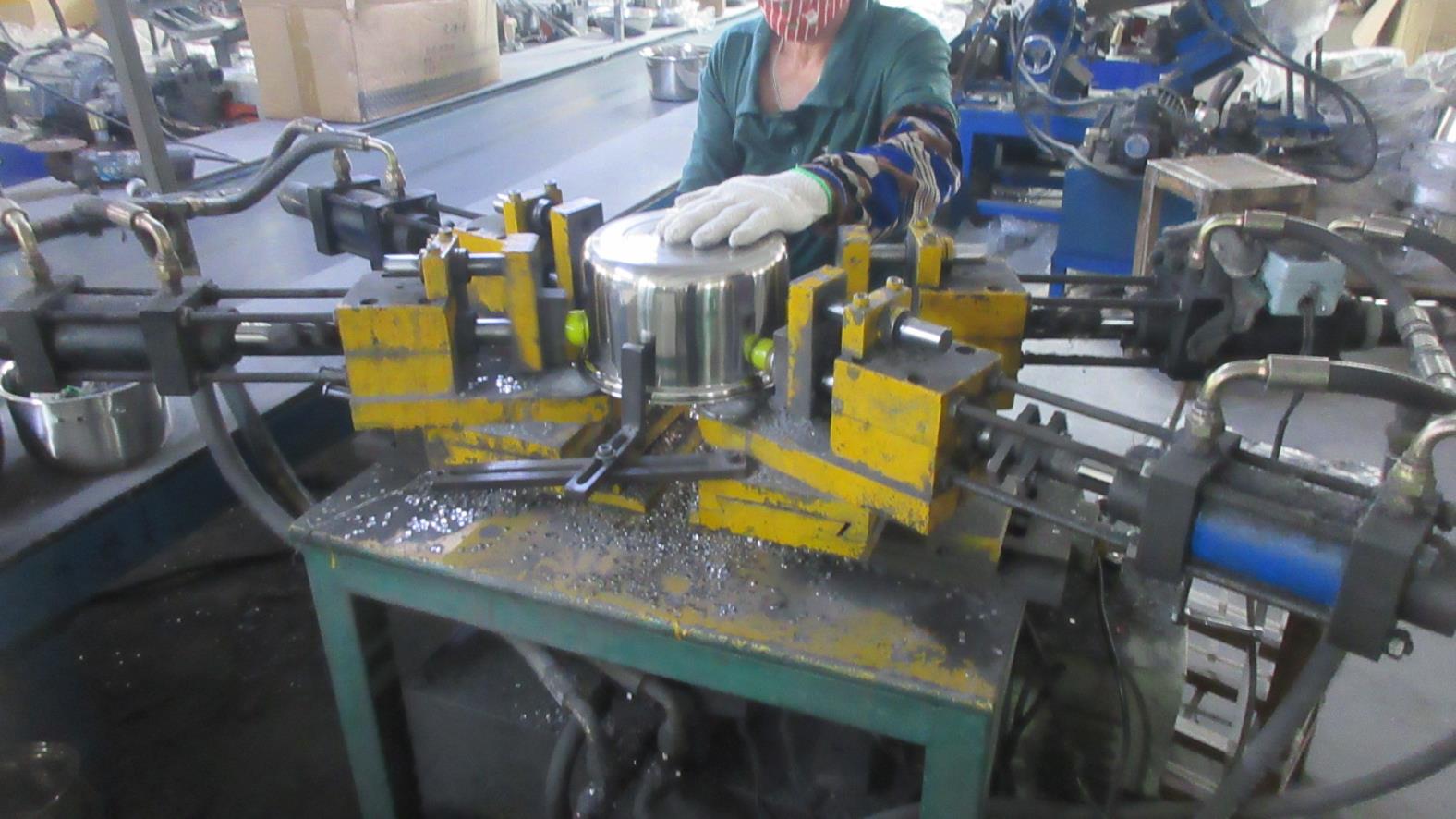
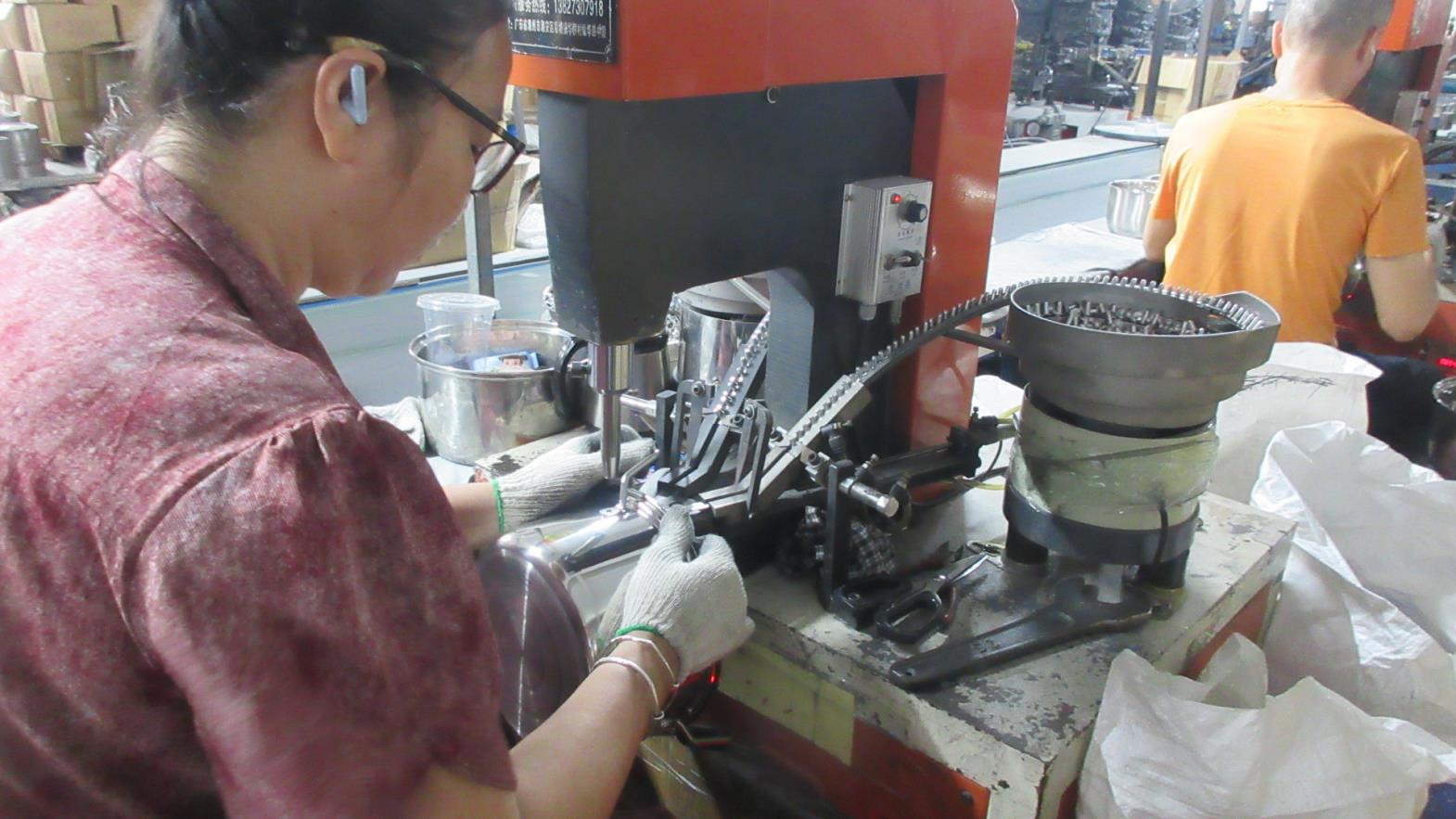
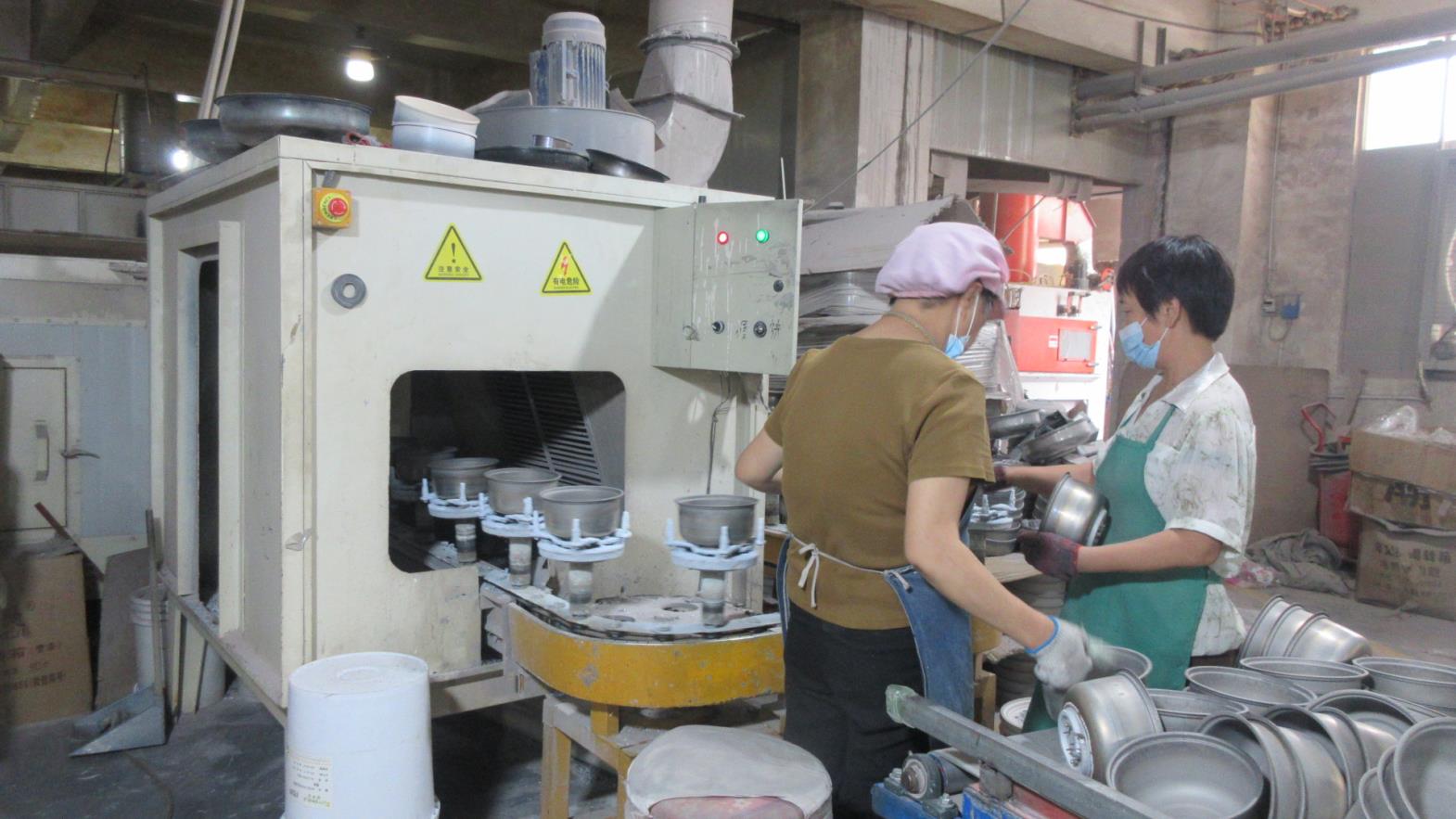
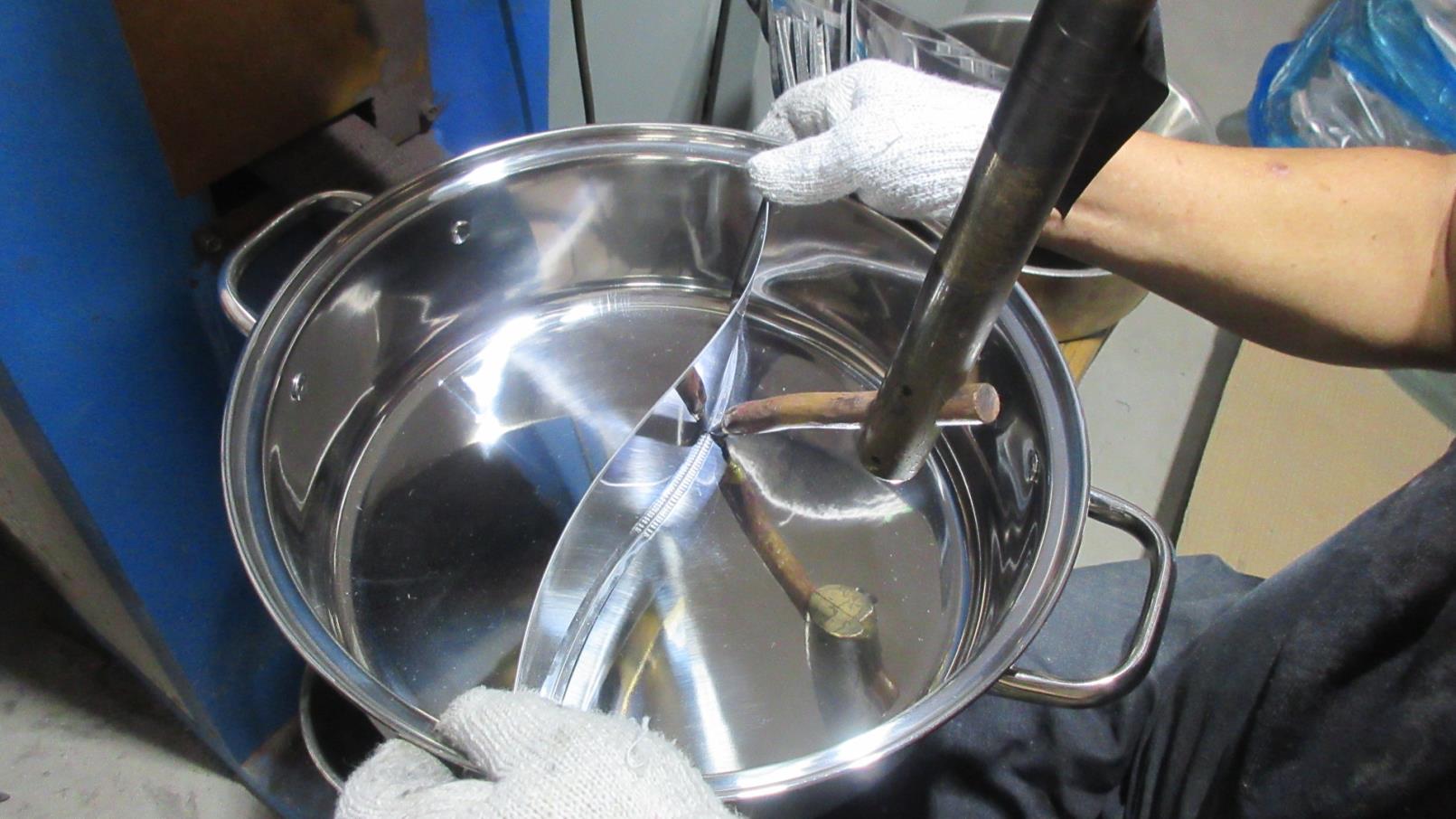
With an advanced manufacturing setup and over 100 skilled professionals, Guangdong Kaus Kitchen Co., Ltd. oversees every stage of cookware production in-house. Our plant operates with a modern logistics framework, raw material inspection systems, and ISO-compliant environmental management, allowing us to supply large-volume orders to the East African market, particularly Eritrea.
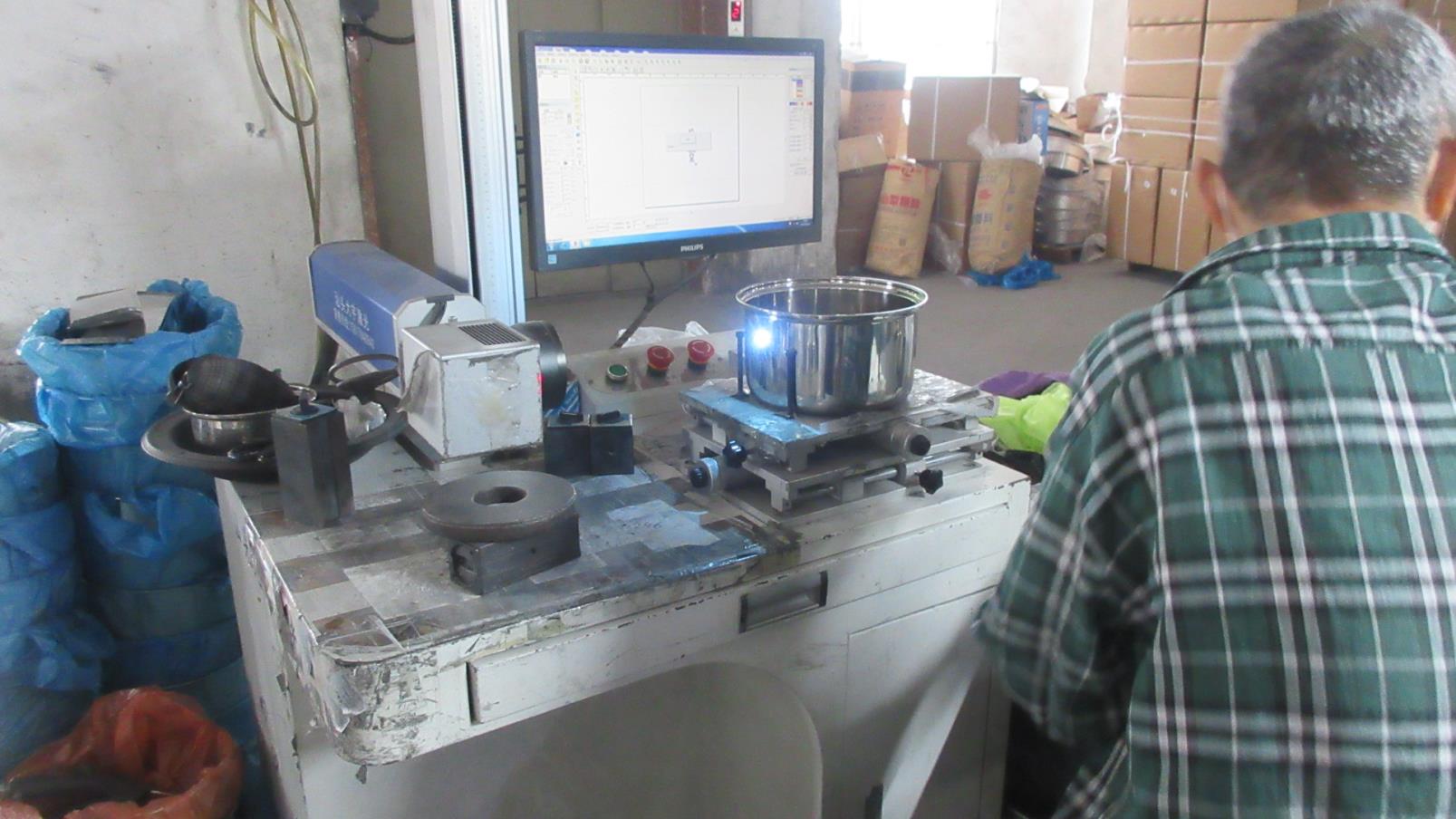
Each step in our manufacturing sequence is monitored to maintain chemical, dimensional, and aesthetic standards before final export shipping:
Ensuring freight safety, custom clearances, and competitive pricing for East African buyers.
As global supply chains face shifting freight conditions, Guangdong Kaus Kitchen maintains stable operations through localized raw-material partnerships and modern logistics systems in the Chaoshan industrial belt. This enables us to offer reliable lead times for distributors and supply chain managers catering to the Eritrea market.
Our transport logistics network regularly coordinates container shipping from ports in Guangzhou and Shenzhen directly to Massawa Port, Eritrea. We manage the documentation required for import clearance, including Certificates of Origin and compliance checks, to streamline import procedures. We work with leading international shipping carriers to secure reliable routes through the Bab-el-Mandeb Strait, helping to prevent delays for our clients.
Our OEM and ODM capabilities allow us to support custom configurations, including laser-marked branding, custom packaging dimensions, and wall thickness modifications. This flexibility helps local wholesale brands establish a distinct presence in the Eritrean commercial kitchenware sector.
Common inquiries from Eritrean procurement agents, catering organizations, and kitchenware distributors.
What is the recommended stainless steel grade for humid, high-salinity coastal areas like Massawa?
For coastal zones like Massawa or Assab with high ambient humidity and atmospheric salinity, we recommend AISI 304 or 316. The high concentration of chromium and nickel in these alloys forms a self-healing chromium oxide layer that prevents corrosion, ensuring a longer operational lifespan than lower-grade steels or aluminum.
How does the capsule/sandwich bottom design help Eritrean kitchens save energy?
Our capsule bottoms layer a highly conductive aluminum core between two sheets of stainless steel. The aluminum core draws heat quickly and distributes it evenly across the cooking surface, preventing hotspots. This design retains heat longer, allowing kitchens to lower gas or induction energy settings during long simmering cycles, reducing overall fuel consumption.
What is the typical shipping lead time and minimum order quantity (MOQ) for Eritrea?
Standard OEM production runs average 30 to 45 days depending on customization requirements. Direct sea transport from Shenzhen or Guangzhou to Massawa Port generally takes between 25 and 35 days. Our commercial MOQ varies by product line, but is typically around 500 units per size, allowing us to maintain competitive production pricing.
Are these stockpots fully certified for international food hygiene standards?
Yes, our products comply with major global safety regulations, including FDA and LFGB food contact certifications. We maintain ISO 9001 and ISO 14001 compliance throughout our production processes to ensure clean manufacturing and consistent quality.
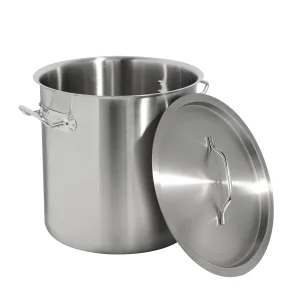
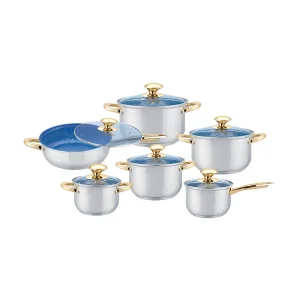
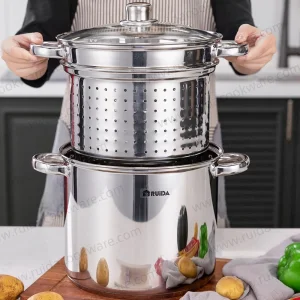
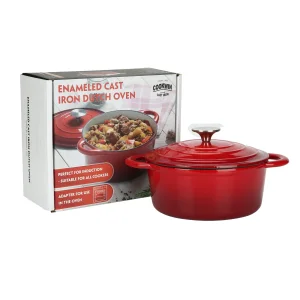
Explore our full line of specialized stockpots and cookware sets engineered for high-demand food service operations.
Partner with Guangdong Kaus Kitchen Co., Ltd. for direct factory supply, consistent quality control, and logistics support to Massawa Port.
Send Inquiry Now Kaus Kitchen