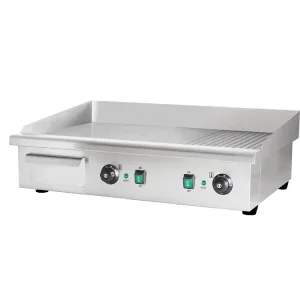
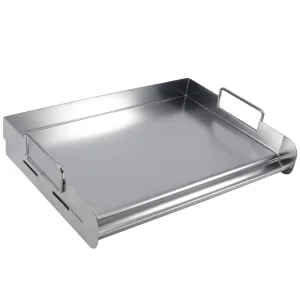
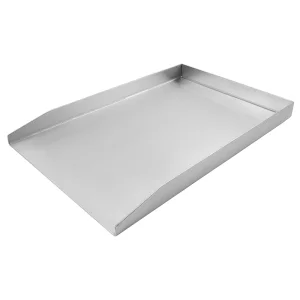
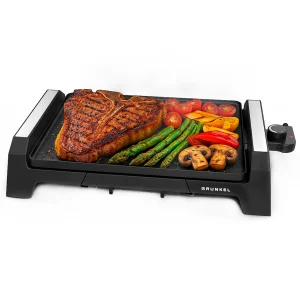
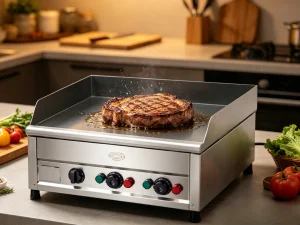
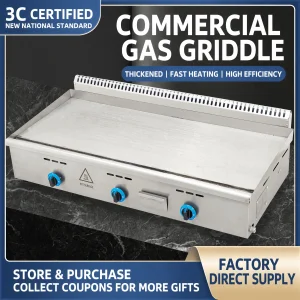
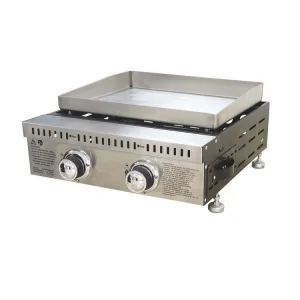
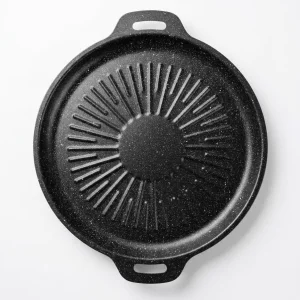
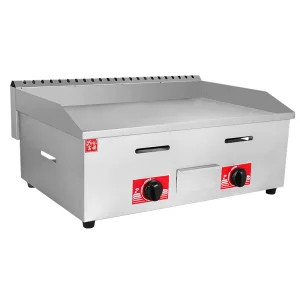
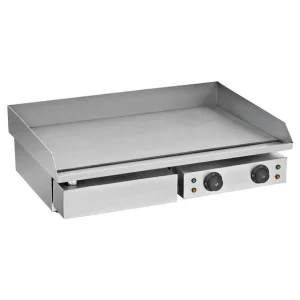
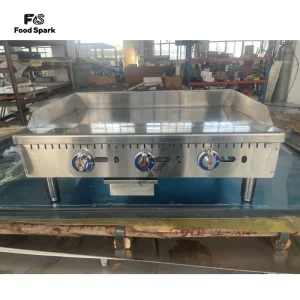
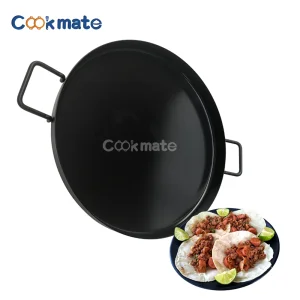
Engineered for immediate commercial kitchen deployments across London's high-traffic culinary hotspots
An analysis of thermal performance, spatial optimization, and regulatory demands in high-velocity kitchens
London remains one of the world's most dynamic and competitive foodservice landscapes. From the fast-paced gastropubs in Soho and high-volume bistros in the West End to the sprawling cloud kitchens in East London, the demand for highly efficient cooking appliances is unprecedented. In these environments, the choice of a stainless steel griddle is not merely a purchasing preference; it is a core operational decision that directly influences energy overheads, kitchen output speed, and compliance with local municipal codes.
Modern kitchens in London face the combined pressure of skyrocketing energy tariffs, limited kitchen footprints, and stringent environmental ventilation standards (such as DW/172). Consequently, restaurant operators and mechanical designers look for stainless steel griddles that feature exceptional thermal recovery rates, minimal surface temperature deviation, and integrated grease management systems. Our engineering focuses specifically on these pain points by deploying high-grade SUS304 and SUS430 alloys designed to mitigate thermal warping under extreme duty cycles.
London commercial kitchens often operate within historic buildings with restricted space. Our countertop and modular flat-top griddles maximize effective cooking area while minimizing the footprint, allowing chef teams to optimize spatial throughput.
Eliminating hot and cold spots is vital for operational efficiency. Through precision-ground griddle plates and calibrated heating element spacing (for electric models) or U-shaped micro-flame burners (for gas models), temperature variance is kept below ±3°C.
With London's aggressive climate targets, energy-efficient electric cooking equipment is increasingly preferred over natural gas. Our high-efficiency 2000W to 6000W models offer instantaneous heat transfers to maximize thermal efficiency.
Understanding the differences in alloys, surface friction, and thermal dynamics
When selecting a high-performance commercial griddle, the metallurgy of the plate is the single most critical factor determining its longevity and operational style. A deep dive into stainless steel chemistry reveals why specific grades outperform standard steel platforms:
While carbon steel conducts heat faster, it is highly prone to oxidization (rusting) and pitting in modern, humid kitchen environments. If left unseasoned, it can compromise food safety. Austenitic stainless steel (such as SUS304) features superior resistance to organic acids, condiments, and moisture, making it highly hygienic. To counter its lower thermal conductivity, our R&D team engineers multilayer composite structures or optimizes plate thickness (between 10mm and 20mm) to establish a thermal battery system. This ensures that when cold patties or steaks hit the hot griddle, the surface temperature remains stable, preventing juice leakage and maintaining product yield.
The Evolution of Surface Treatments: Traditional griddles require continuous scraping and oiling. Kaus Kitchen's technical roadmap includes advanced hard-chrome plating and micro-polishing. A hard-chrome surface reduces heat radiation by up to 30%, directing energy upwards into the food rather than out into the kitchen. This creates a cooler working environment for London kitchen staff and dramatically lowers HVAC ventilation extraction costs.
A global leader in modern commercial kitchenware manufacturing and engineering
Guangdong Kaus Kitchen Co., Ltd. is located in the vibrant and economically dynamic region of the Chaoshan plain in Shantou, Guangdong Province, an area renowned for its strong manufacturing foundation and rich tradition in stainless steel and kitchenware production.
The company is a modern, comprehensive enterprise integrating research and development, manufacturing, sales, and service, specializing in high-quality stainless steel kitchenware, hotel supplies, and household tableware products. Guided by the core business philosophy of “quality first, customer foremost,” Kaus Kitchen is committed to delivering durable, safe, and innovative kitchen solutions to global customers.
The company has obtained ISO9001 International Quality Management System certification and ISO14001 Environmental Management System certification, ensuring strict standards in product quality control and sustainable production practices. In addition, several of its products have passed national safety and compliance certifications, including CCC certification for applicable electrical or regulated items.
Through continuous innovation and technological investment, Guangdong Kaus Kitchen Co., Ltd. has been awarded multiple honors such as “Guangdong Famous Brand Product” and “Guangdong Contract and Credit Enterprise,” reflecting its strong reputation in both domestic and international markets. The company also holds a number of patents in product design and manufacturing processes, demonstrating its commitment to innovation and product differentiation.
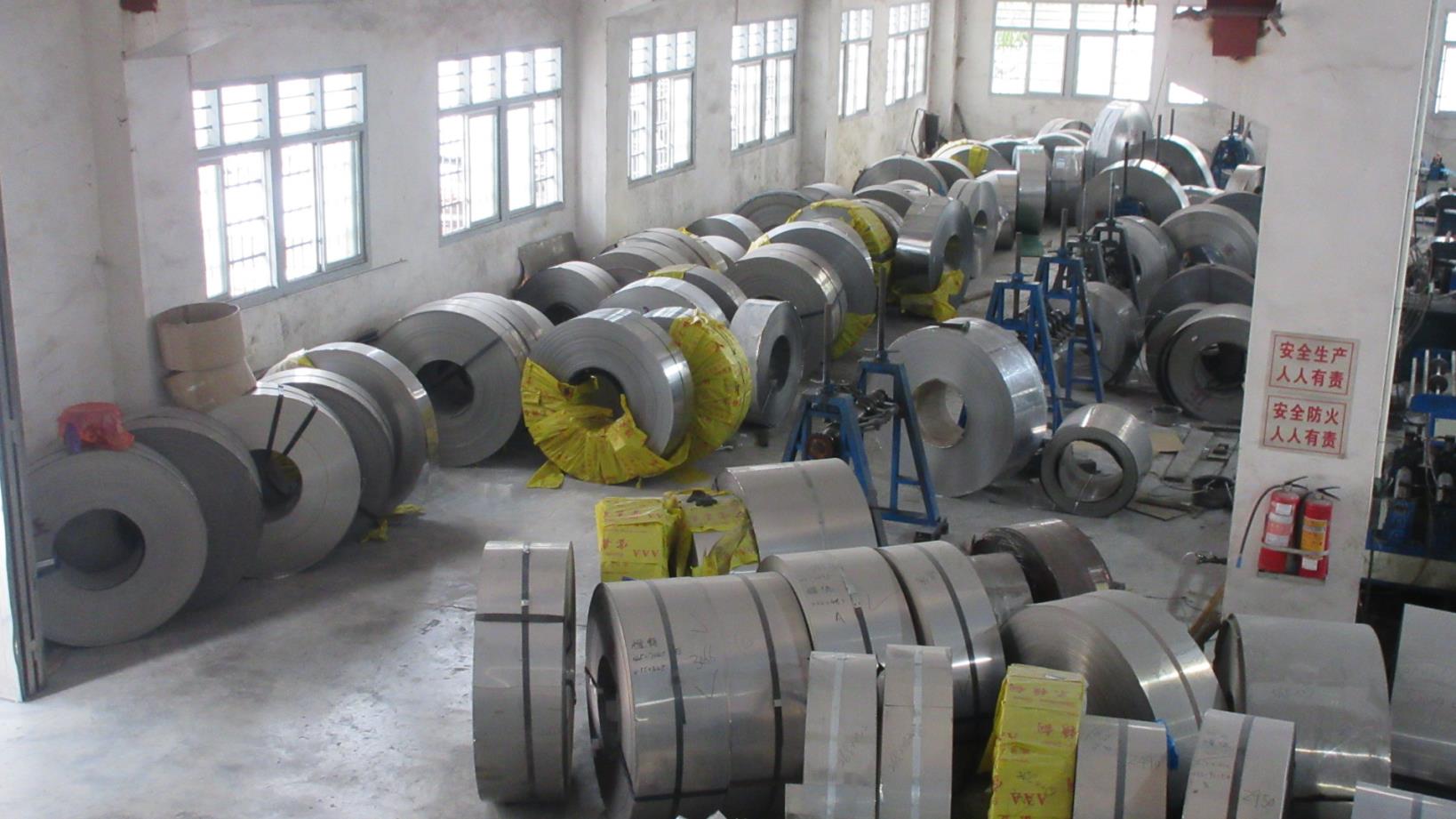
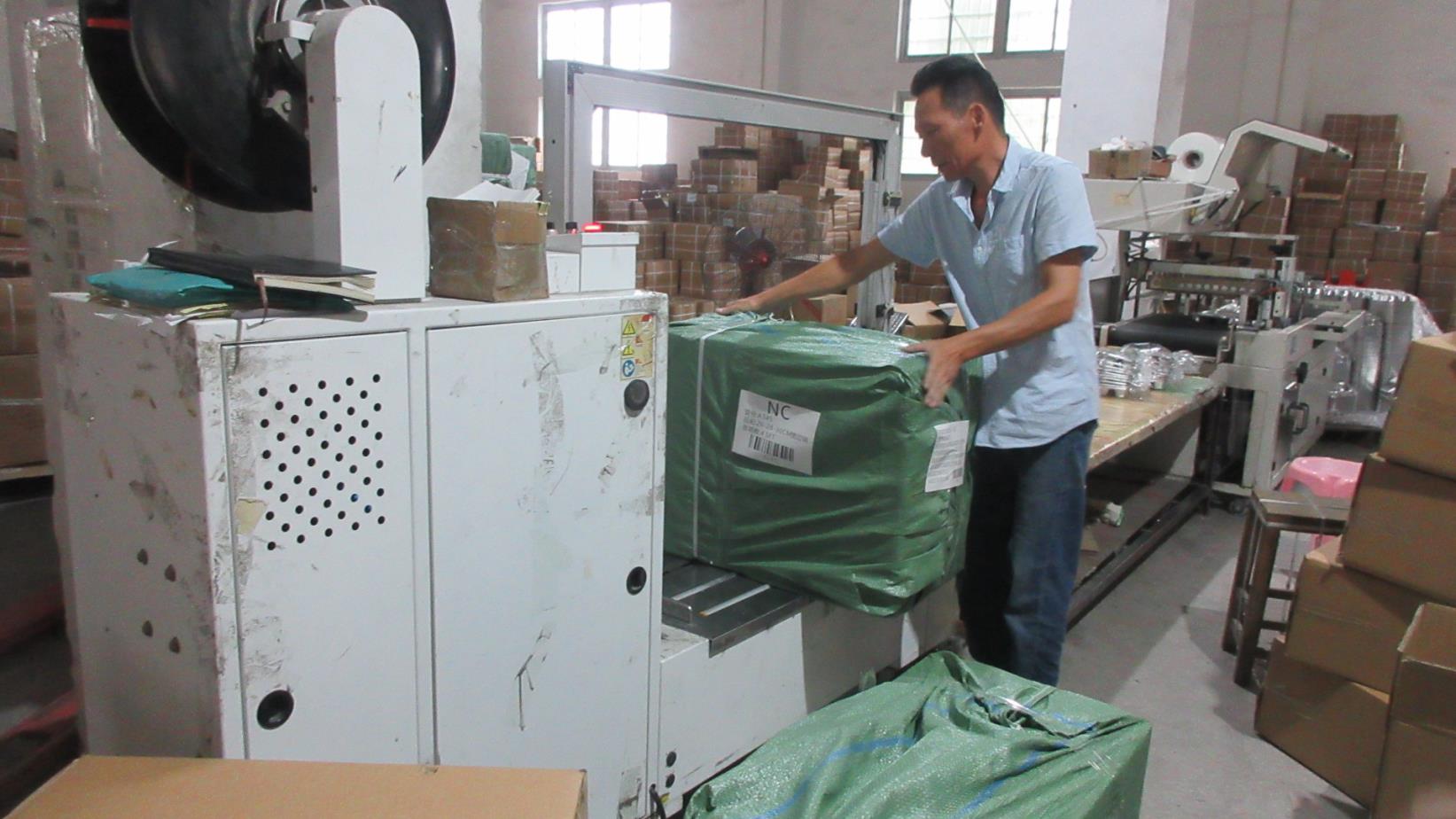
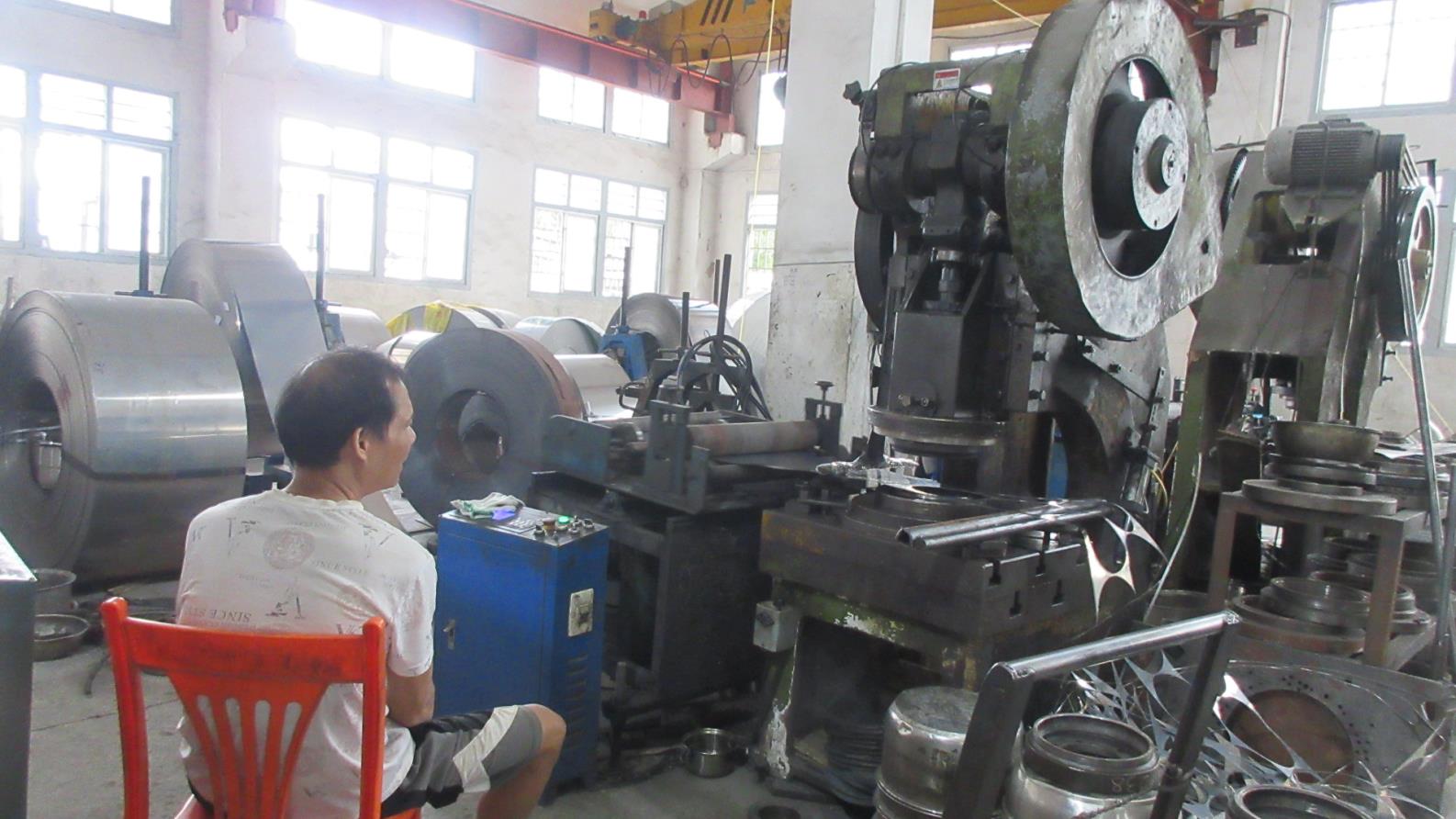
With a modern production base covering approximately 30,000 square meters, the company operates in a well-planned garden-style industrial park featuring advanced manufacturing facilities, efficient logistics systems, and a comfortable office environment. A dedicated workforce of over 100 skilled employees ensures stable production capacity and consistent product quality.
Over the years, Guangdong Kaus Kitchen Co., Ltd. has built a strong presence in the stainless steel kitchenware industry, continuously expanding its product range and improving craftsmanship. The company remains committed to innovation, environmental responsibility, and long-term partnerships, aiming to become a trusted global supplier of premium kitchen and dining solutions.
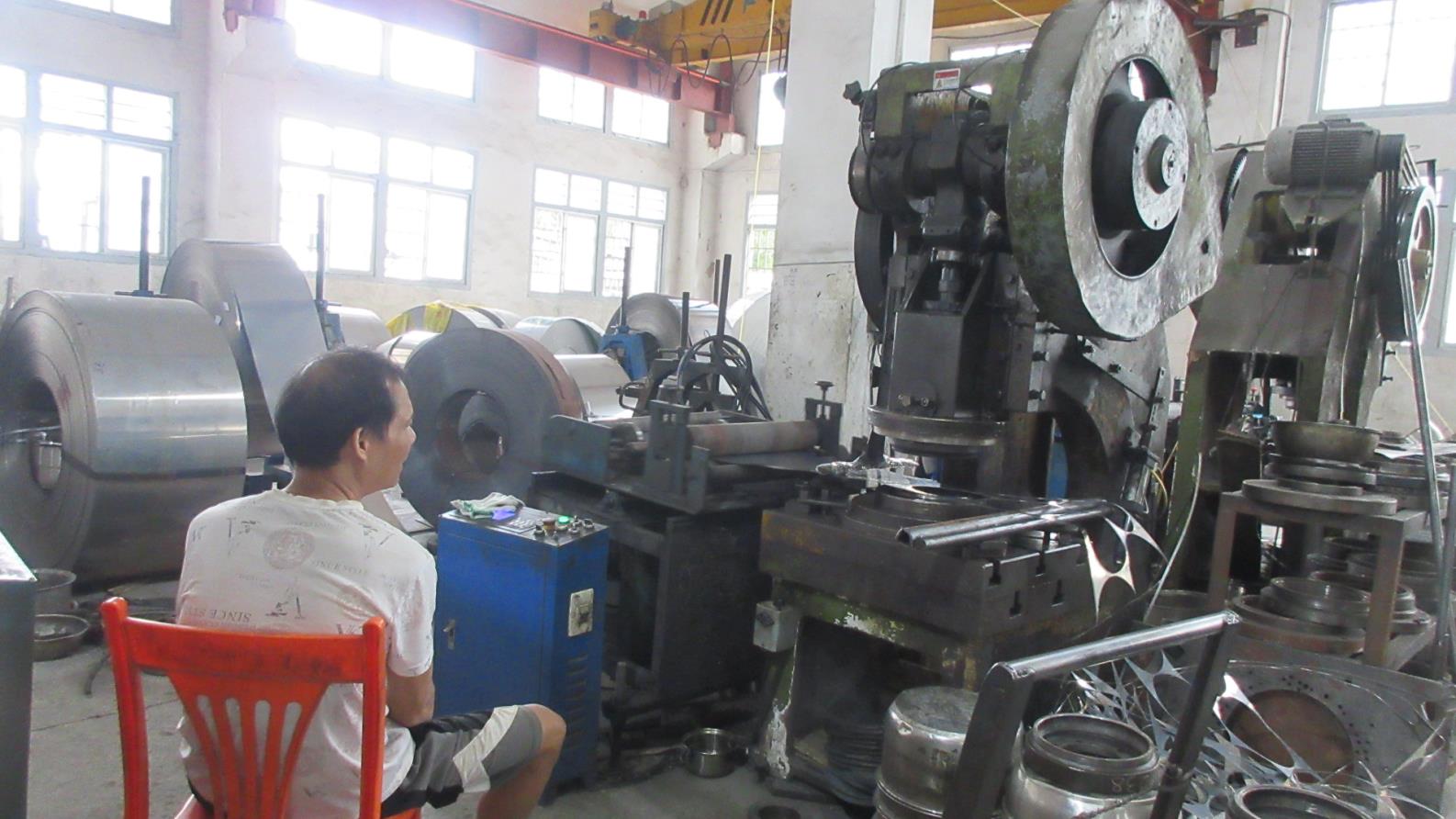
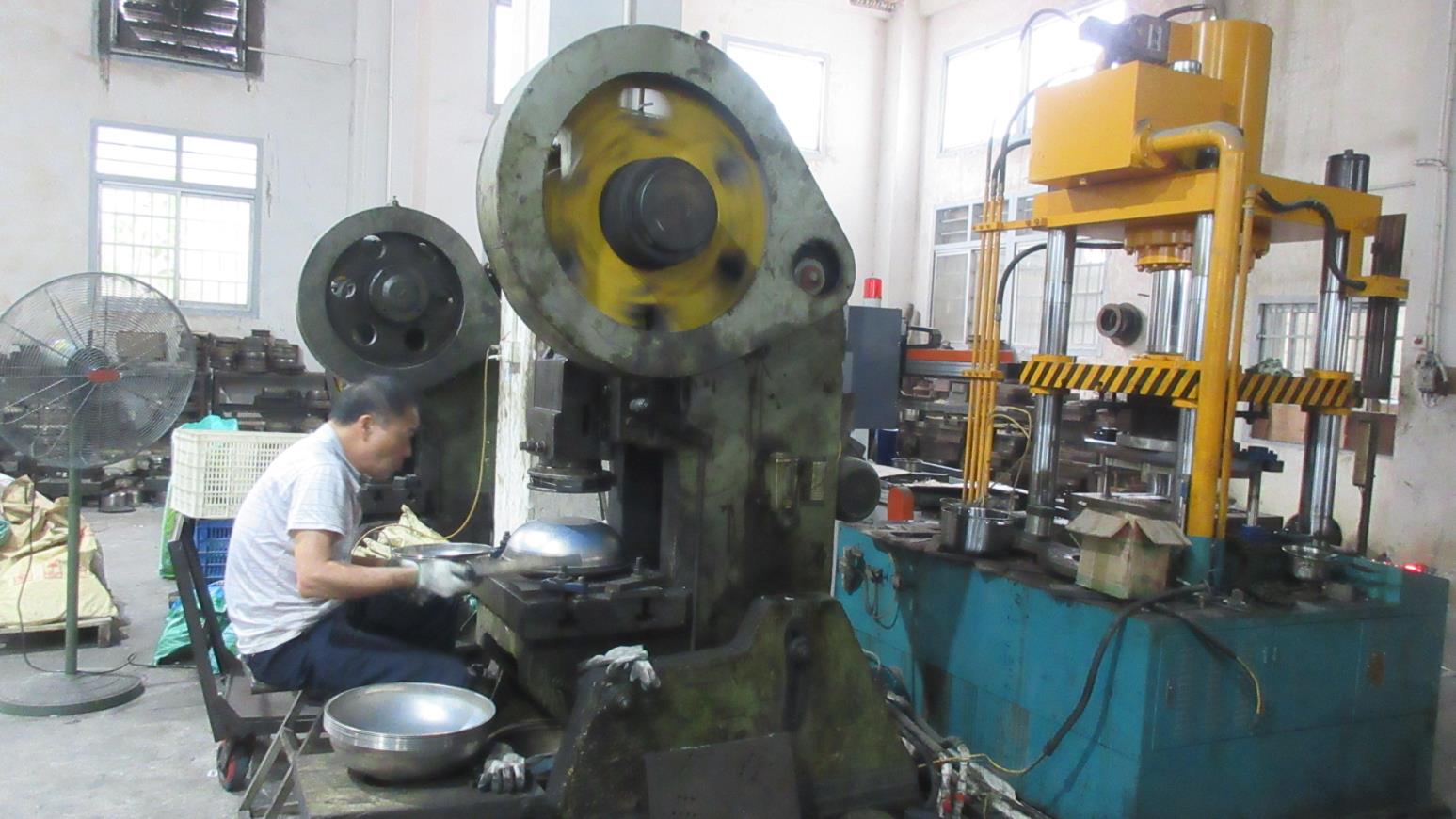
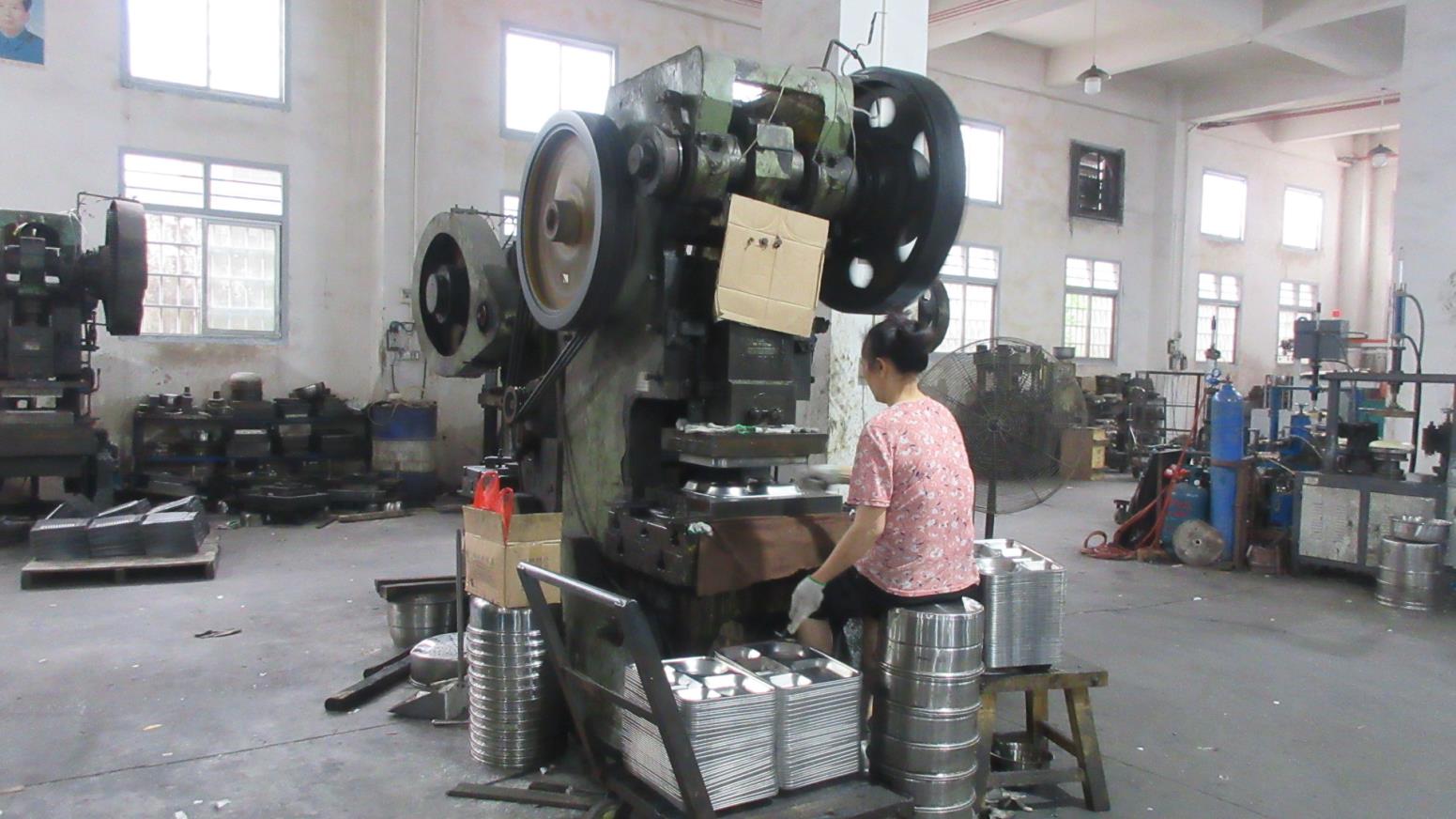
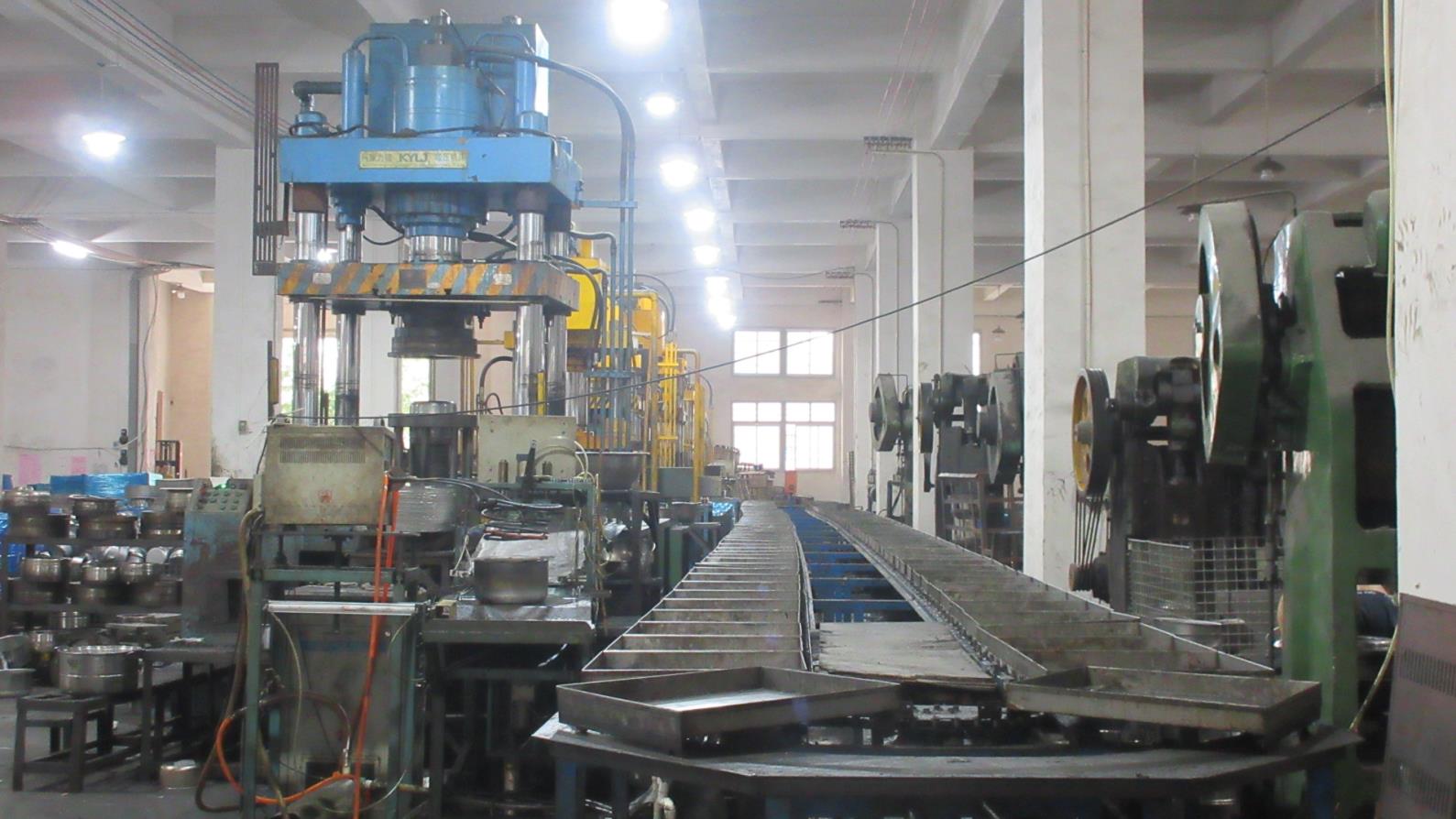
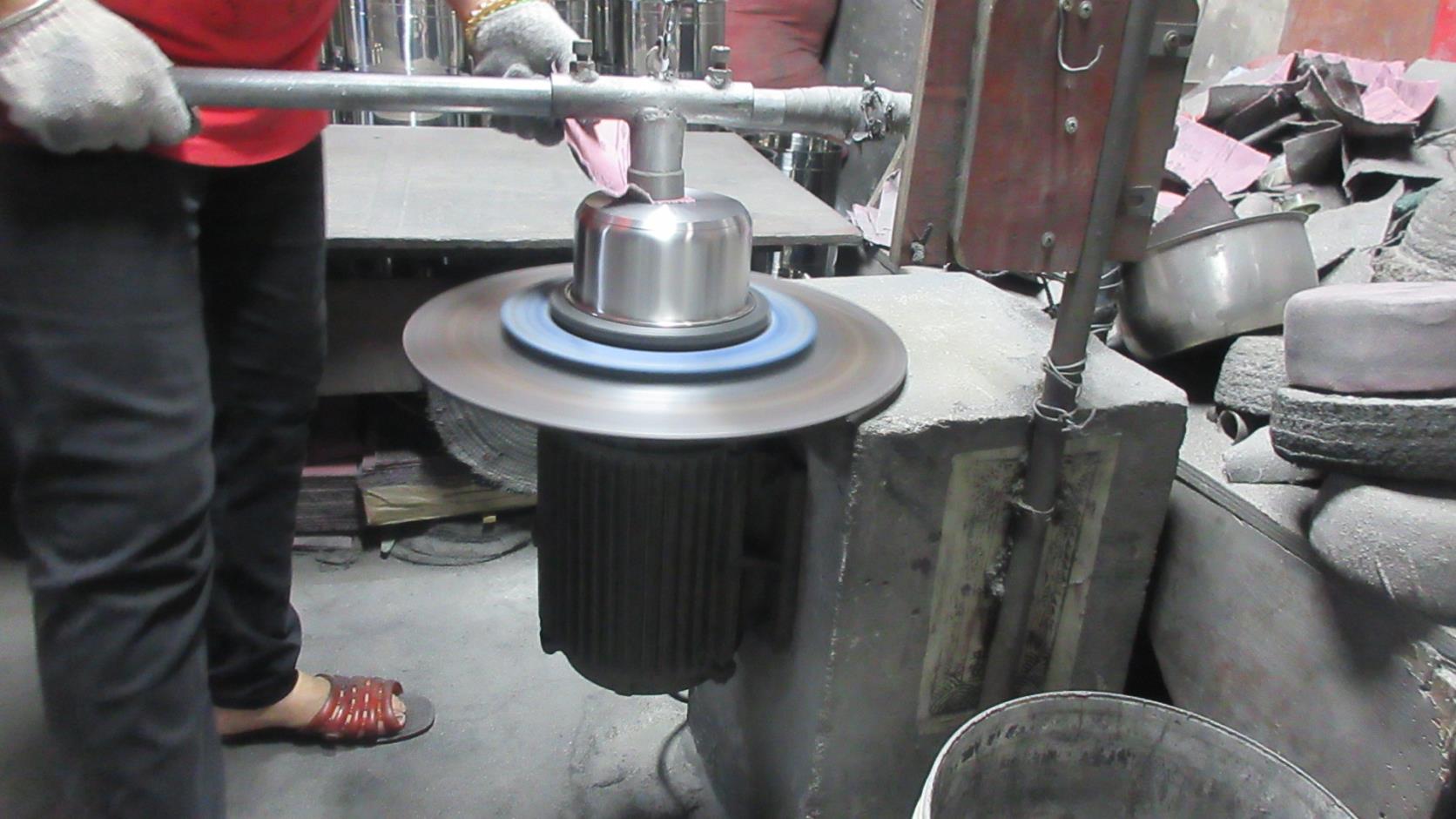
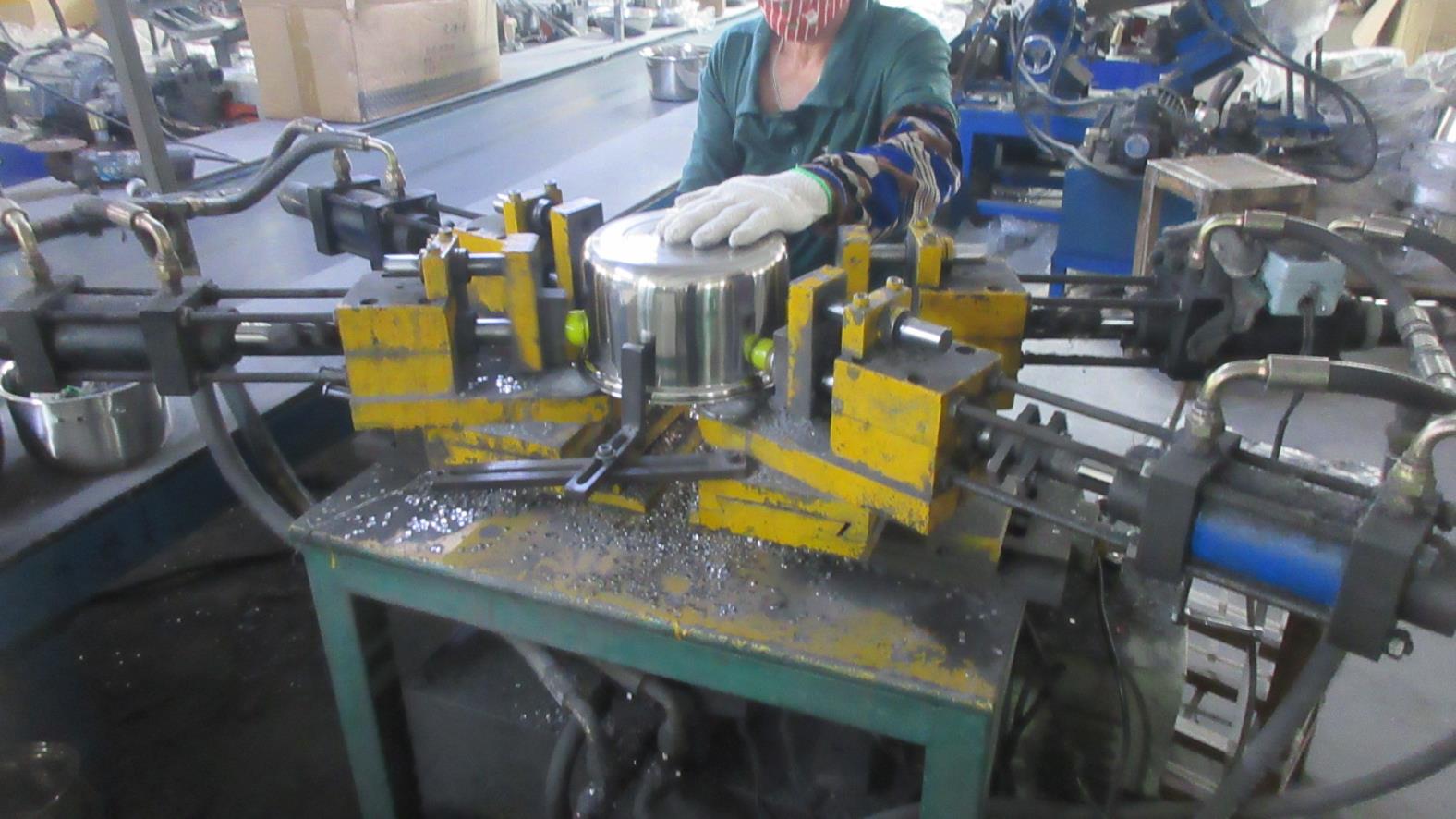
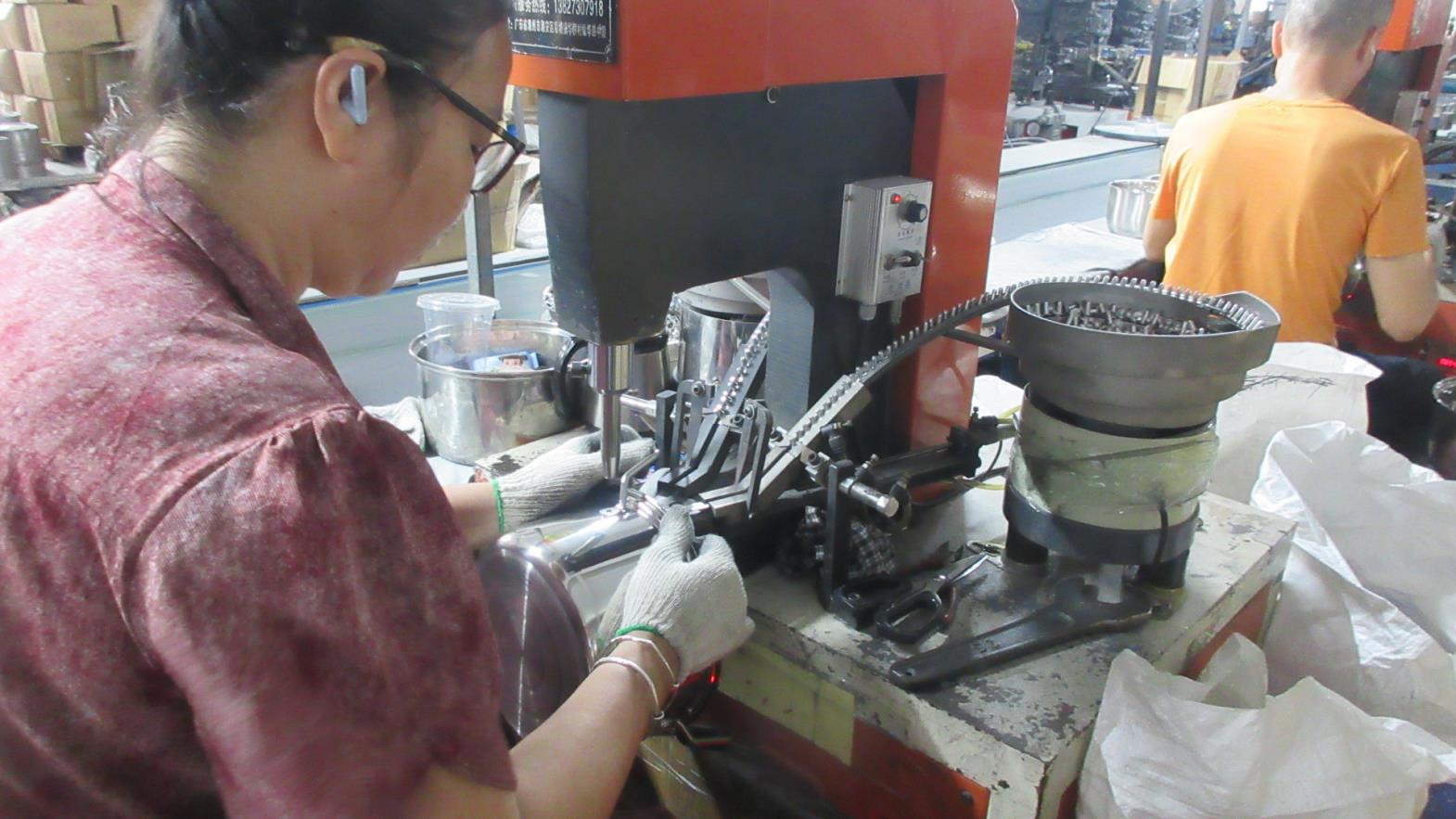
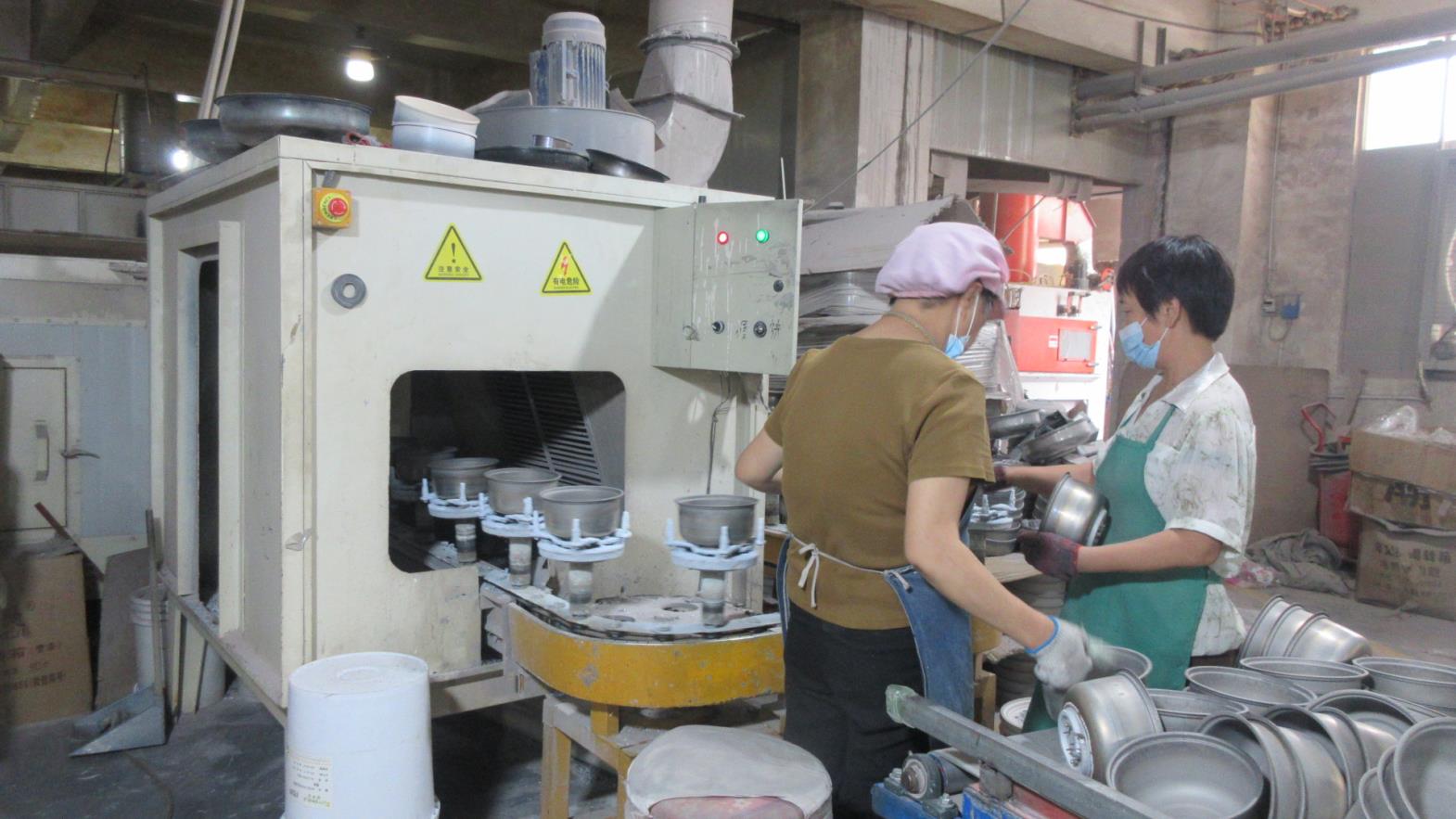
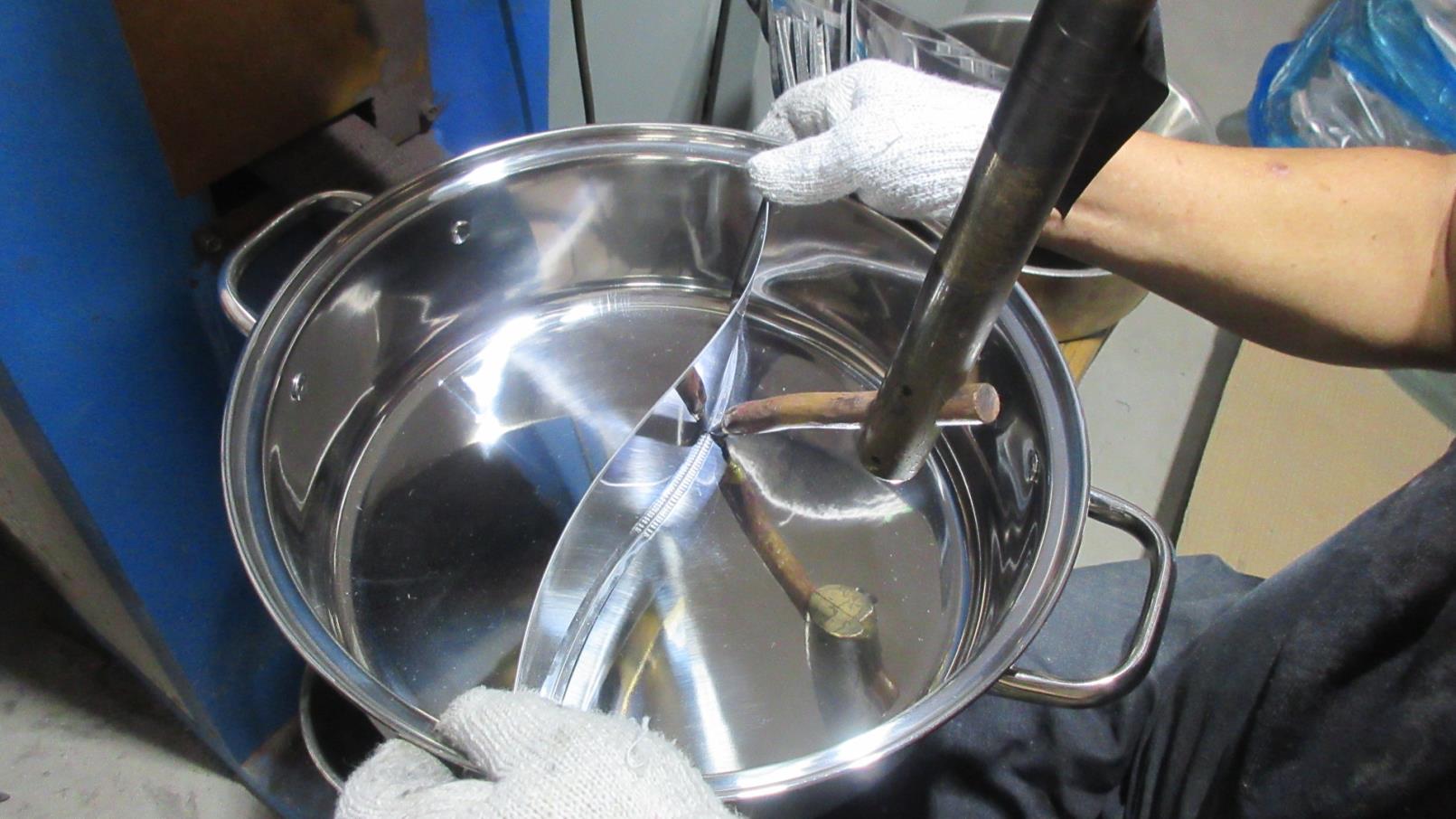
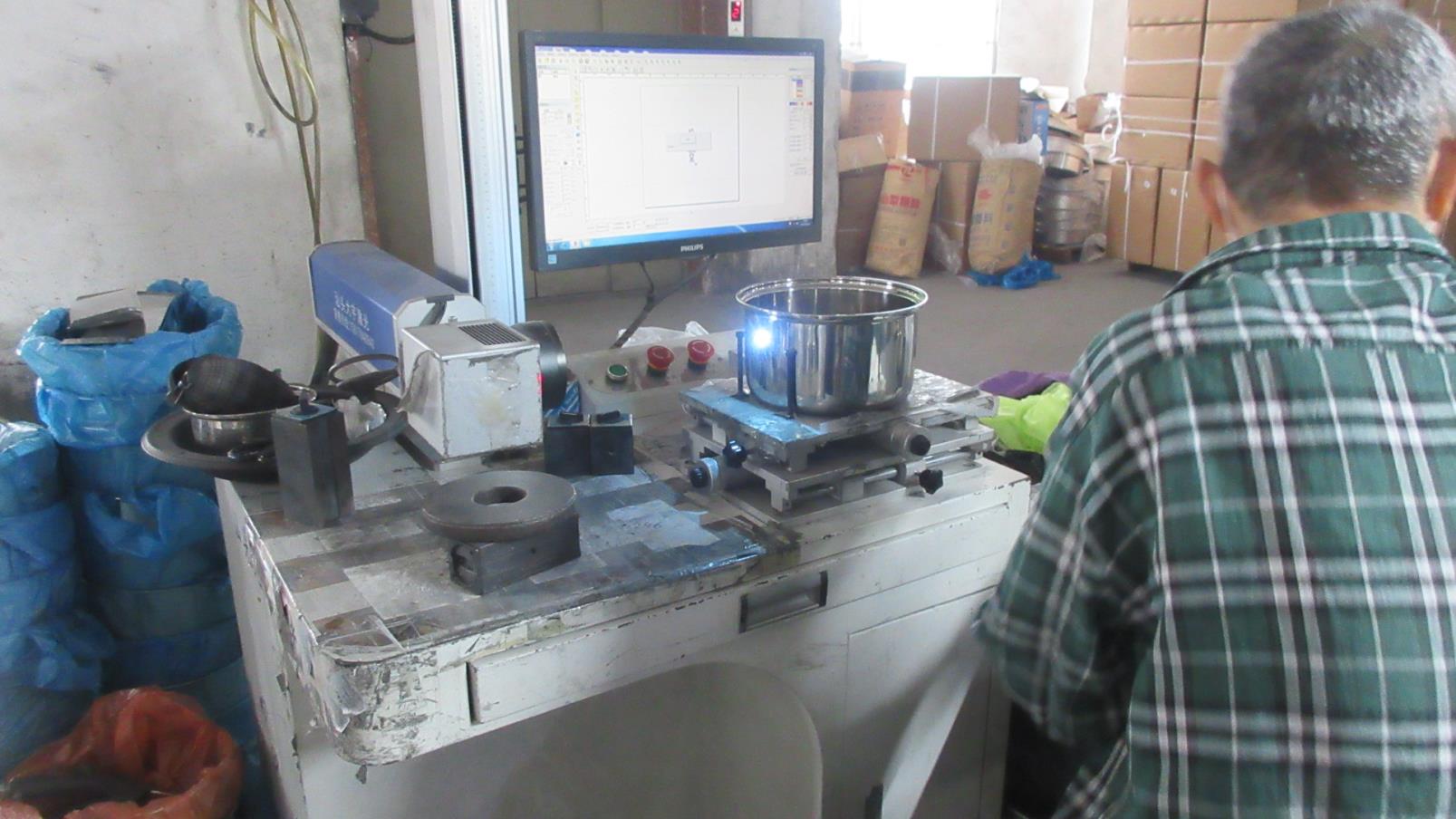
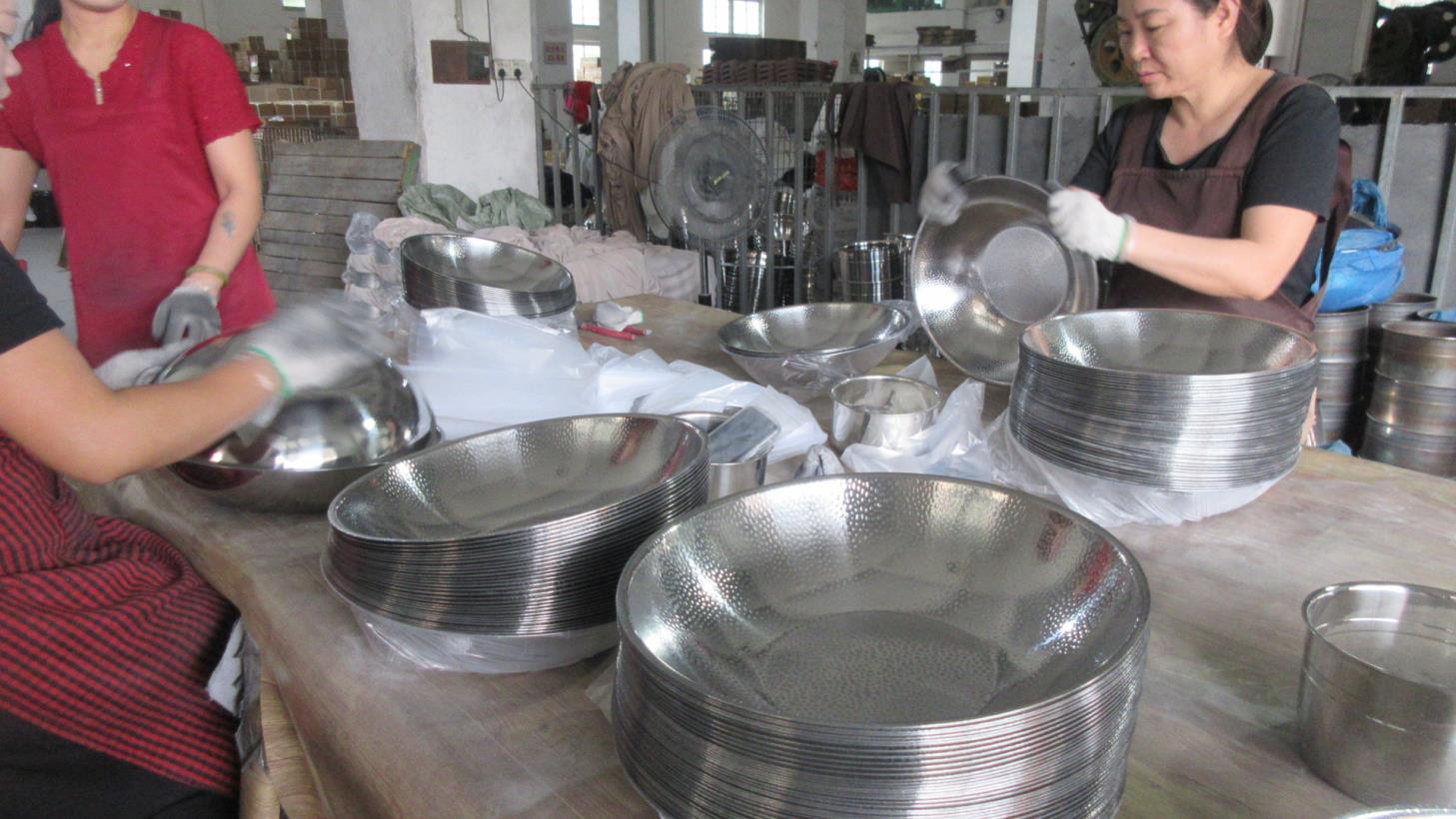
Our 30,000 sqm facility utilizes state-of-the-art machinery to guarantee structural integrity across 14 vital phases
Understanding supply chain management, compliance protocols, and bulk purchase constraints
For B2B procurement managers, sourcing agents, and kitchen design firms in London and globally, procurement goes far beyond matching a unit's price tag. An enterprise-grade griddle procurement program must satisfy complex logistical, safety, and operational parameters:
Macro-Level Foodservice Solutions: By aligning our Chaoshan Plain manufacturing resources with the logistical hubs of Guangdong, Kaus Kitchen delivers seamless end-to-end supply chains. We offer DDP (Delivered Duty Paid) shipping directly to distribution warehouses in London, Birmingham, and Manchester, minimizing import bottlenecks for UK distributors.
Ensuring hassle-free installation and passing local environmental health audits
Following the UK's departure from the European Union, the UKCA (UK Conformity Assessed) marking has become the primary indicator of product compliance with Great Britain's health, safety, and environmental protection legislation. When deploying stainless steel gas or electric griddles in London, failure to display valid UKCA documentation can result in immediate closures by the Health and Safety Executive (HSE) or Environmental Health Officers (EHO).
At Kaus Kitchen, we have designed our global line of griddles to meet the requirements of both UKCA and CE regimes. Our electrical components (including thermostats, contactors, and elements) are rated for UK grid conditions (typically 230V single-phase or 400V three-phase at 50Hz). This prevents internal component strain, which is common when deploying US-focused 60Hz appliances in UK networks. Furthermore, all gas griddles are engineered with adjustable injectors to accommodate natural gas (G20) or LPG (G30/G31) pressures common across older London commercial infrastructure.
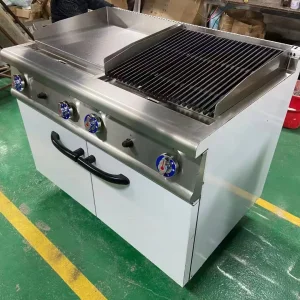
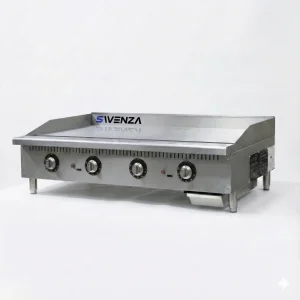
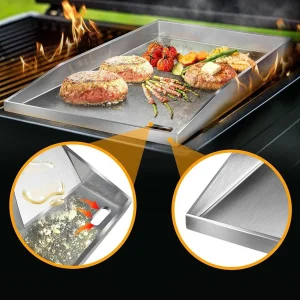
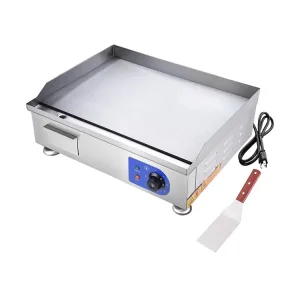
Our comprehensive range of gas and electric commercial platforms for professional kitchens
Providing technical answers to common queries raised by procurement agents and executive chefs
 Kaus Kitchen