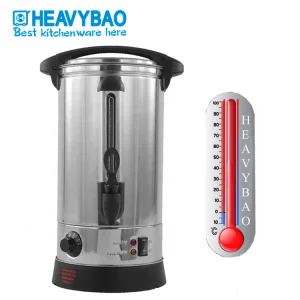
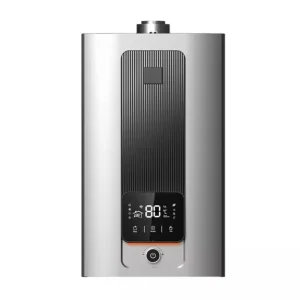
Discover high-capacity boiler solutions engineered specifically to withstand New York’s intense regulatory oversight and demanding energy efficiency goals.
The commercial food processing and catering sectors within the New York metropolitan area operate under some of the most challenging environments globally. Facing soaring real estate values, demanding municipal guidelines, and strict environmental compliance mandates, commercial kitchens and food processing facilities across Manhattan, Brooklyn, and Queens require high-performance, compact, and energy-efficient equipment.
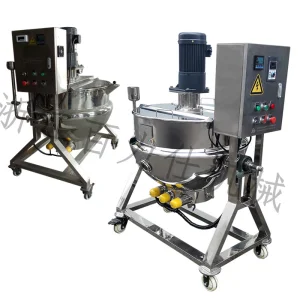
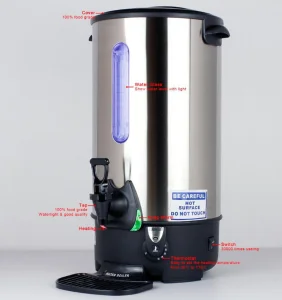
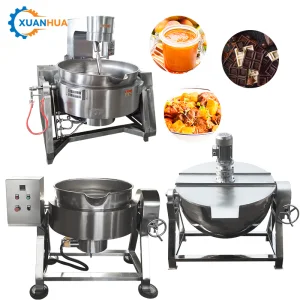
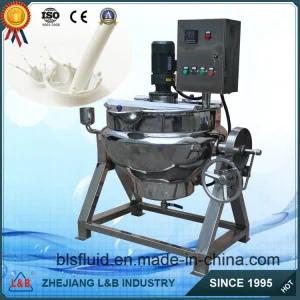
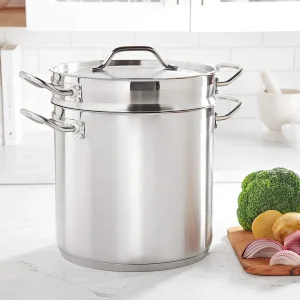
High-precision temperature control is a non-negotiable factor. Standard, direct-heating methods often lead to localized burning, hot spots, and waste of high-value raw ingredients. For craft chocolate makers in Brooklyn, milk processing plants in Upstate New York, and multi-location culinary operations in Manhattan, the adoption of premium Stainless Steel Double Boilers has transitioned from a preference to an engineering standard. By separating the heat source from the food substance using an indirect thermal transfer layer (typically water, steam, or food-grade oil), these systems offer uniform heat distribution and completely eliminate product burning.
New York City’s Local Law 97 is steering the food manufacturing sector toward swift decarbonization and electrification. Historically, gas-fired boilers dominated major kitchens and small batch processing units. However, current infrastructural advancements demand highly efficient electrical heating systems. Commercial double-jacketed electric boilers are stepping up to replace gas units, offering lower carbon footprints, enhanced micro-temperature control, and reduced heat emission into confined kitchen spaces.
Furthermore, raw material reliability has become a crucial supply chain differentiator. Procurement departments are bypassing generic catalog distributors in favor of direct manufacturers who can verify the mechanical integrity of their products. This shift ensures the structural reliability of double-wall designs, protecting operators from costly down-time caused by structural wear and fluid leaks.
For enterprise procurement officers managing large hotel portfolios or regional catering companies, specifying structural criteria is essential. High-performance double boilers must satisfy specific mechanical metrics:
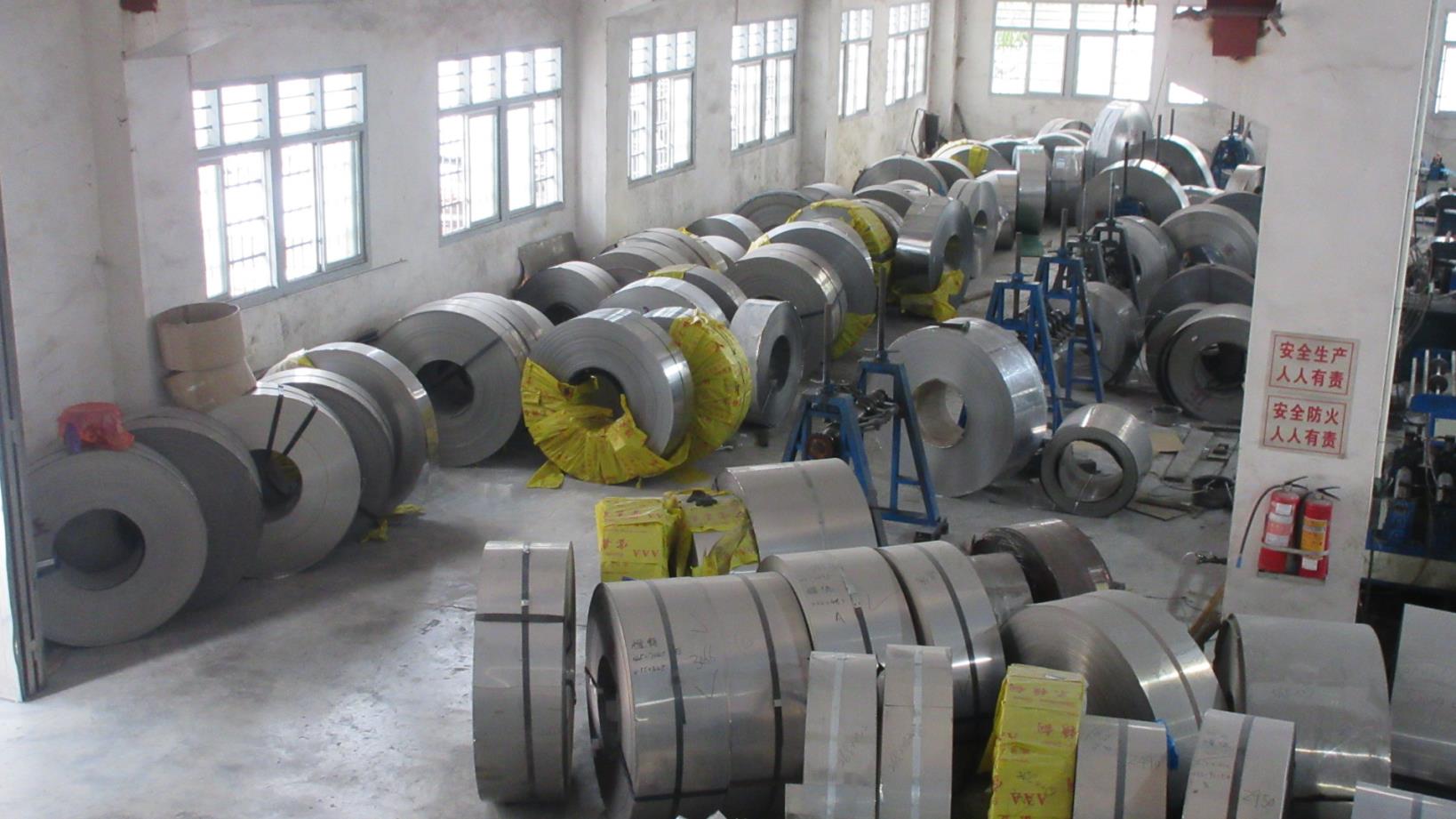
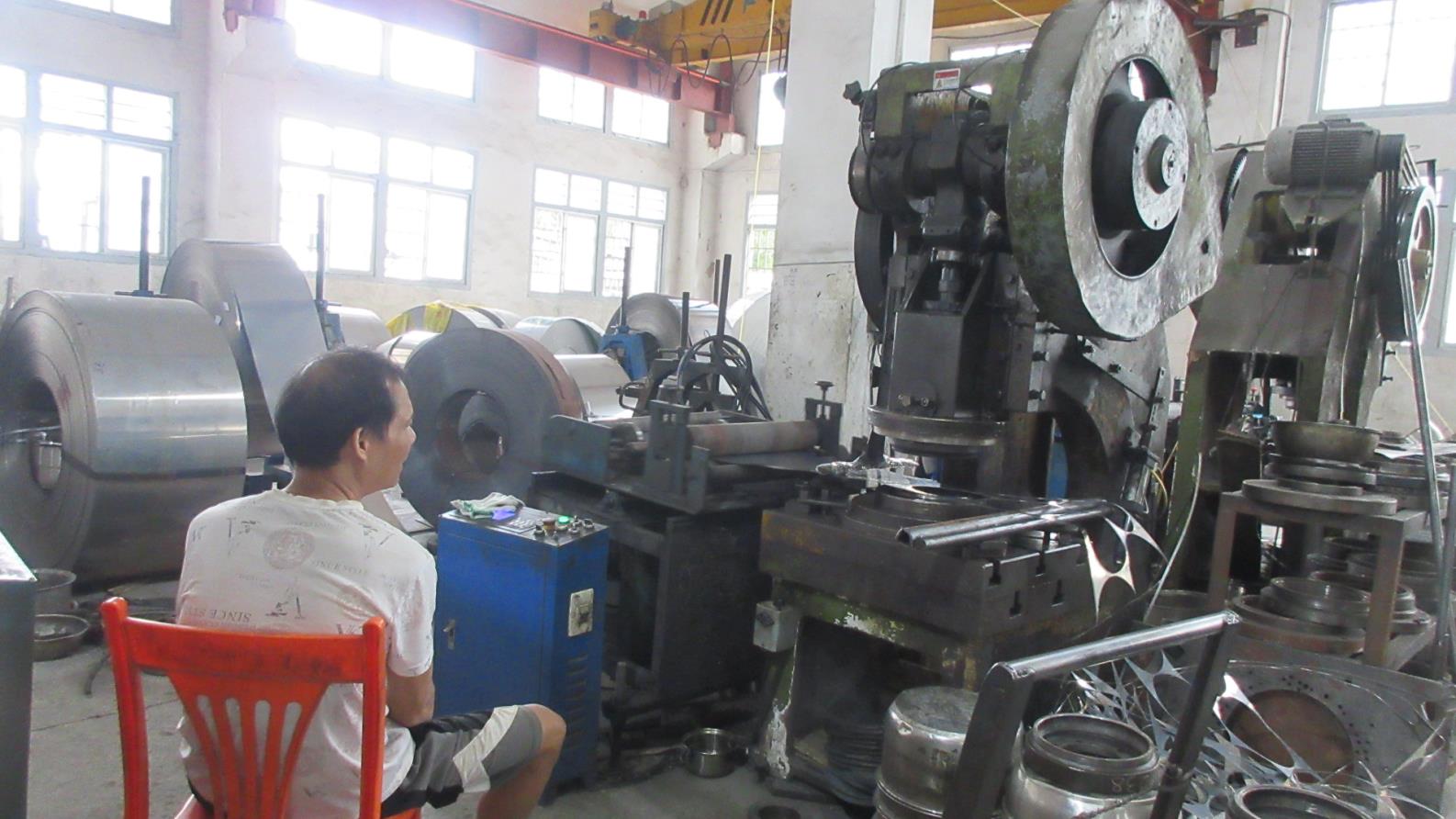
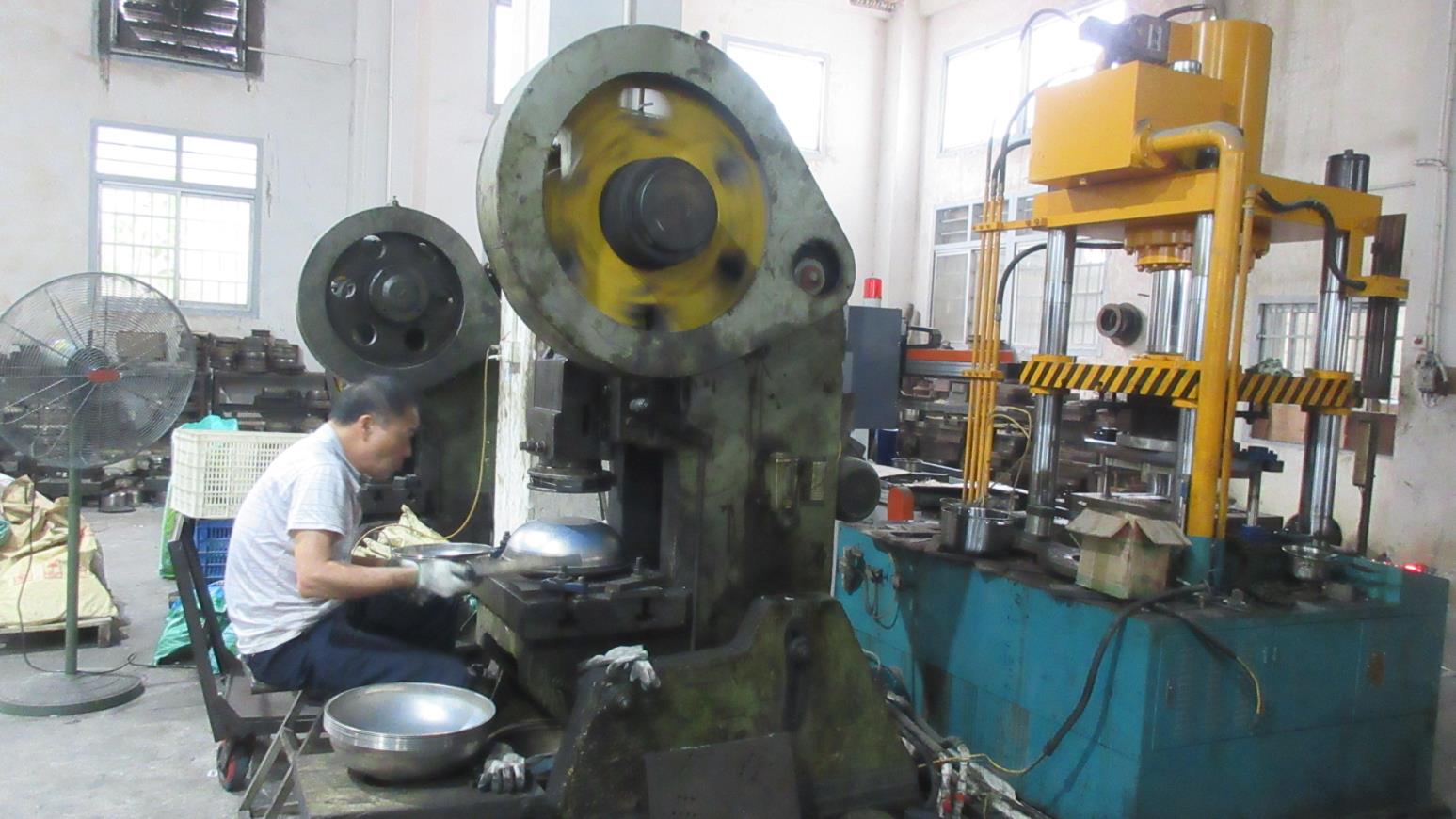
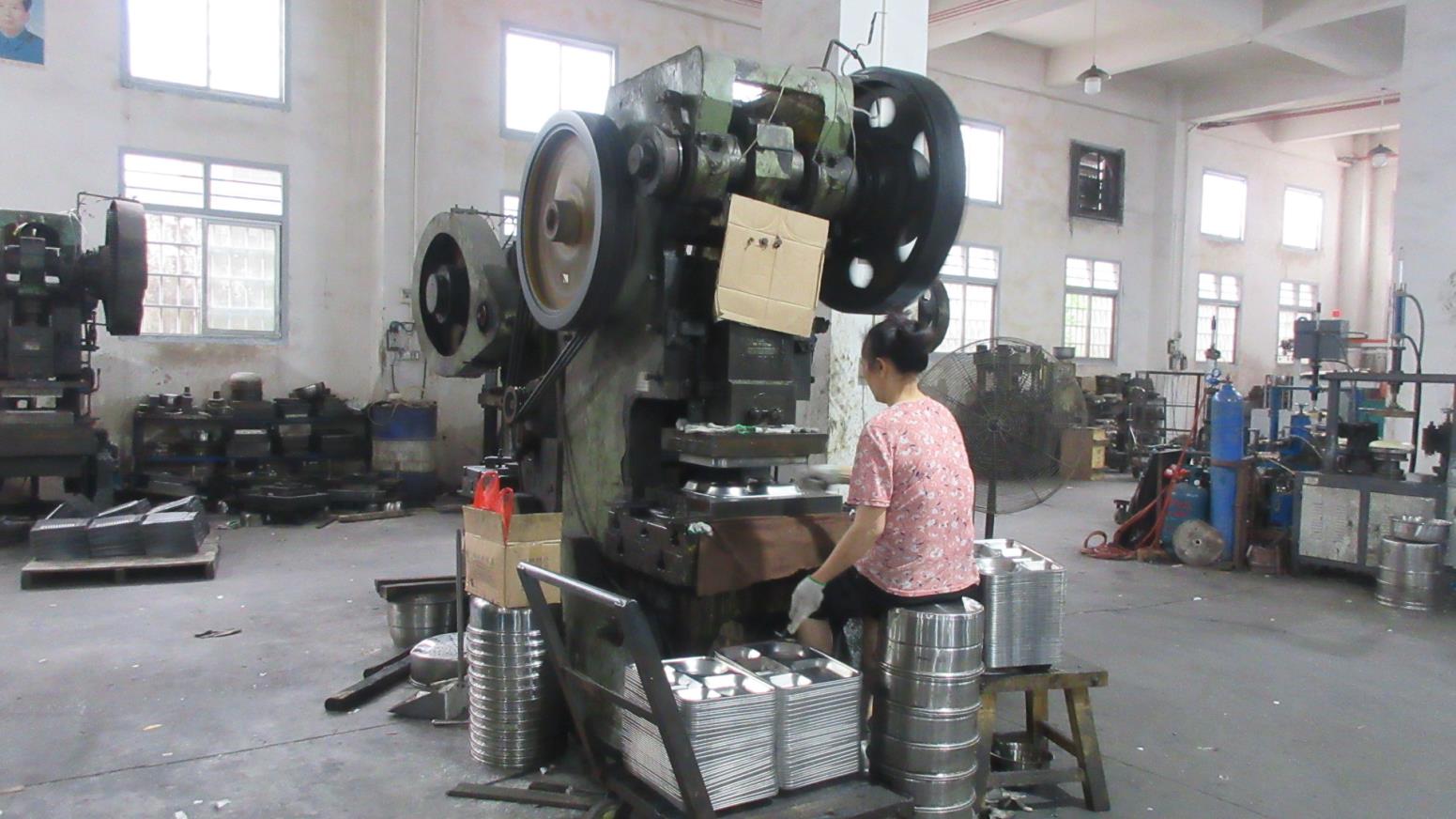
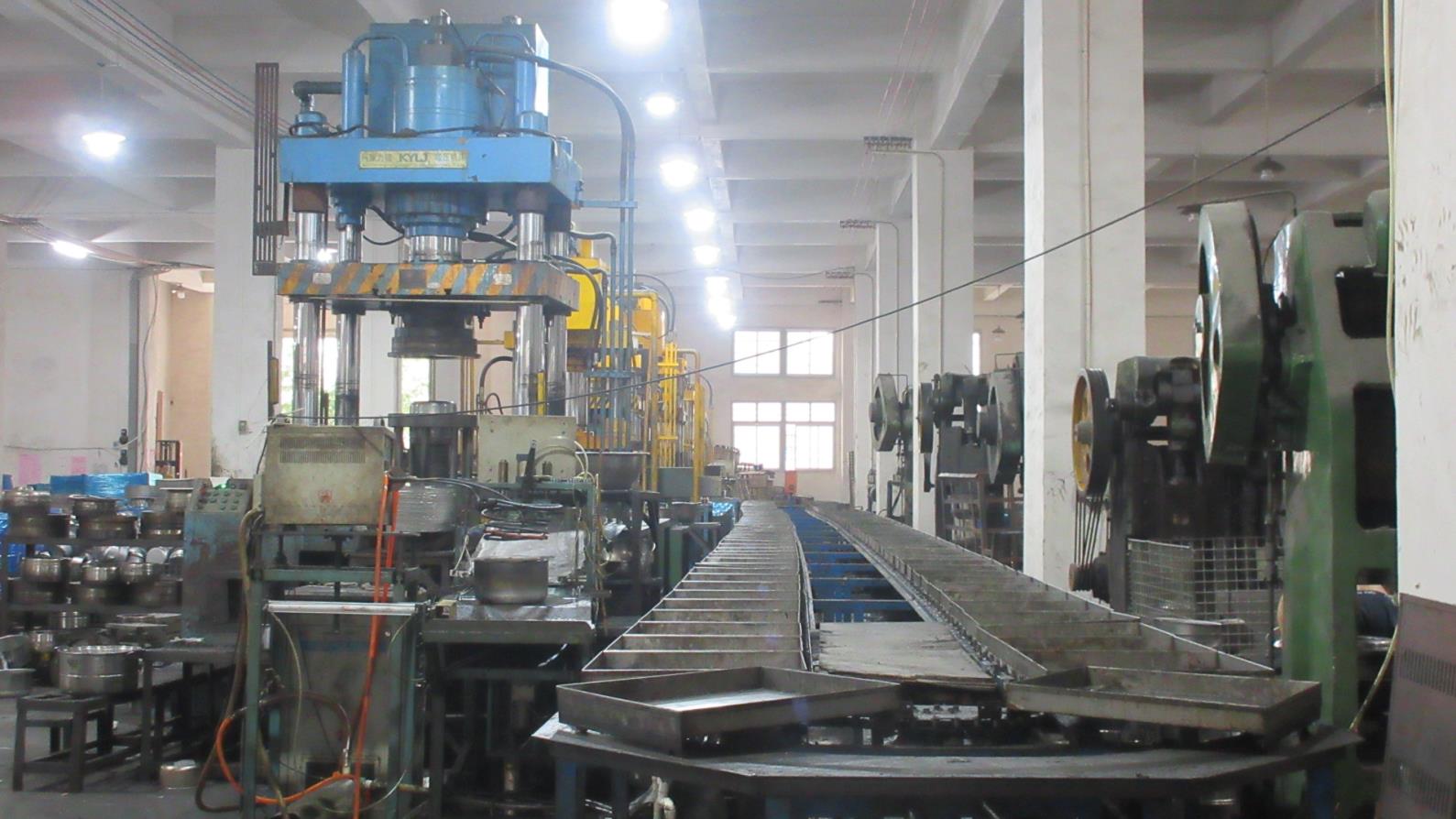
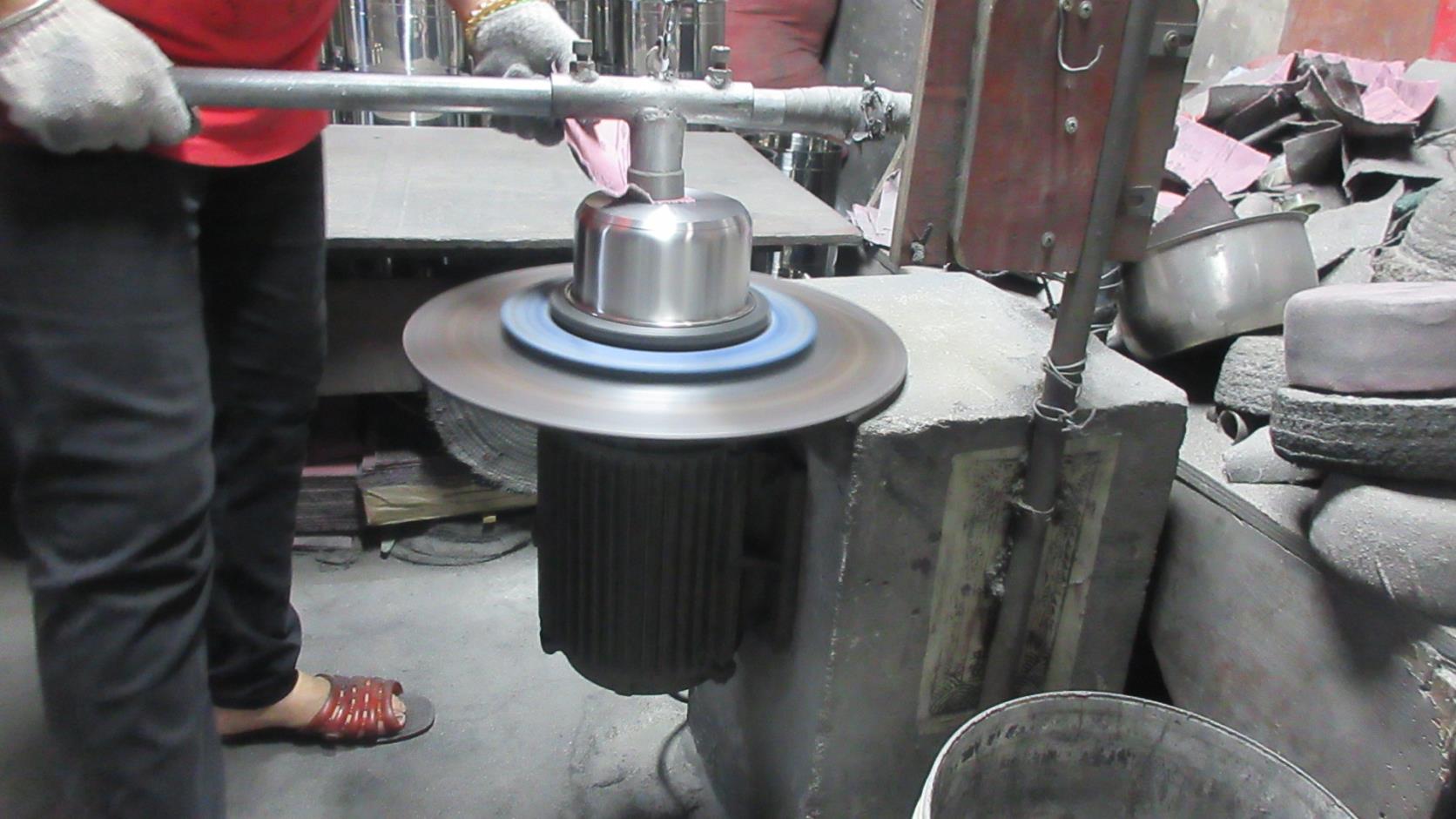
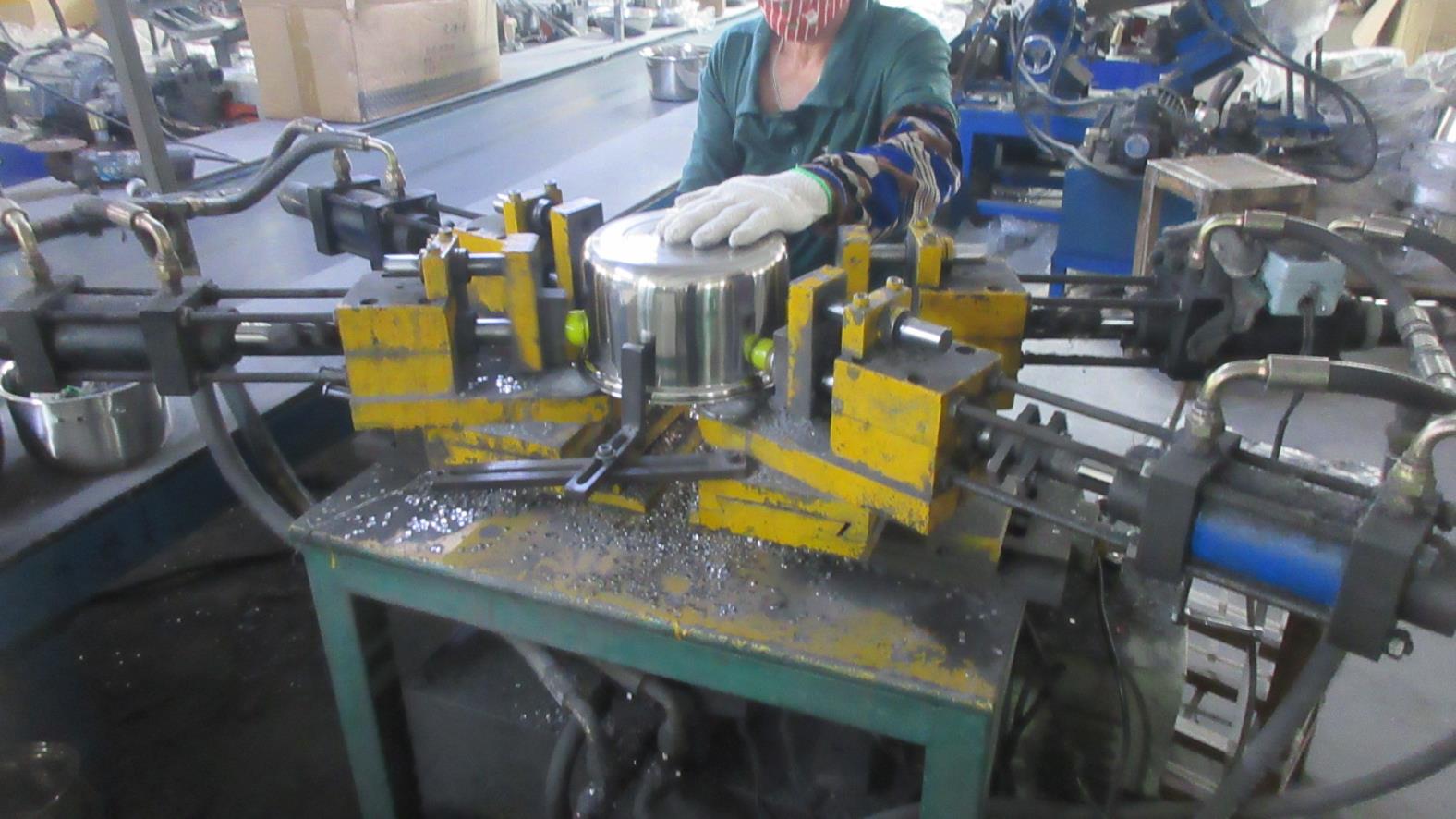
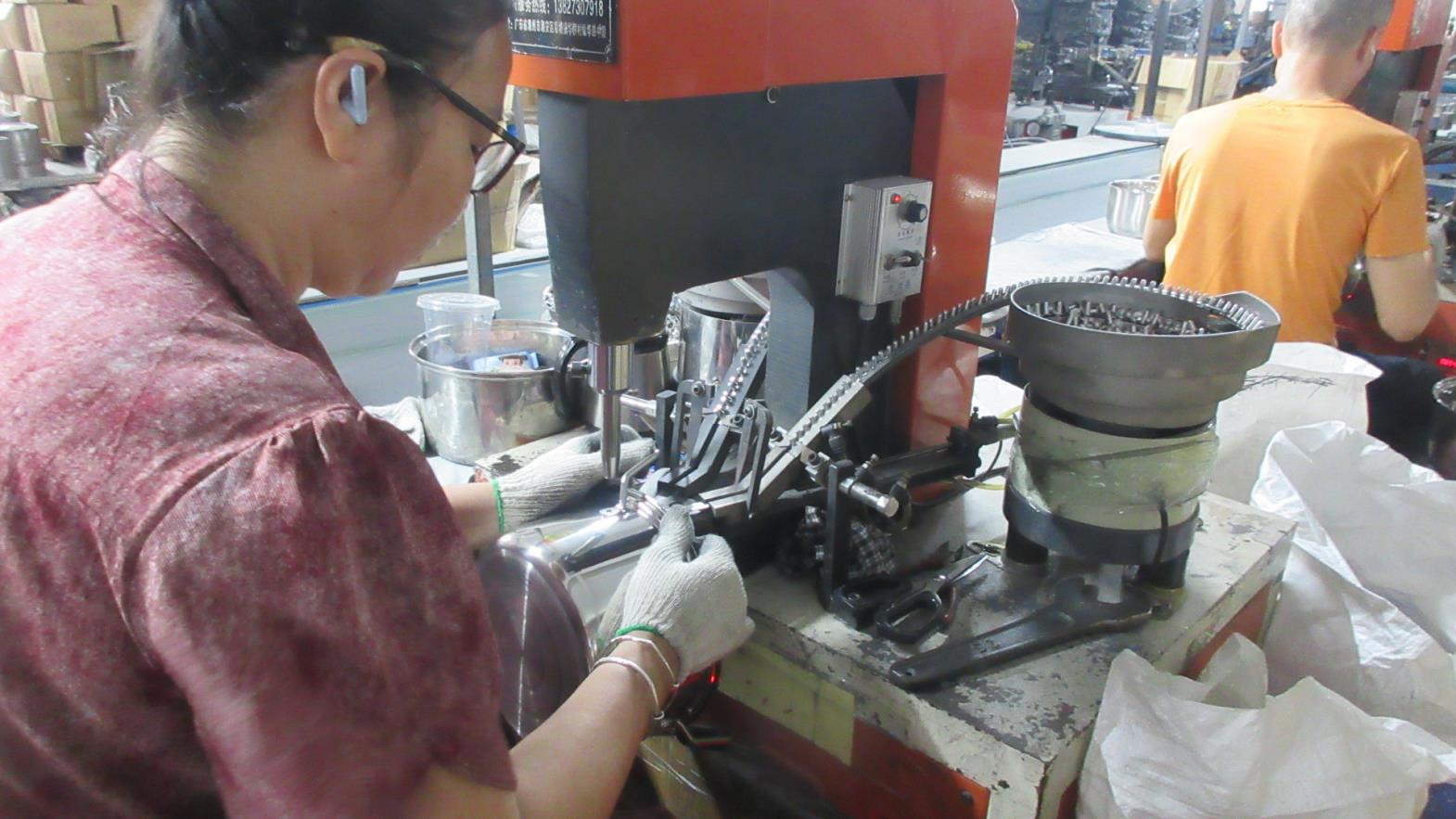
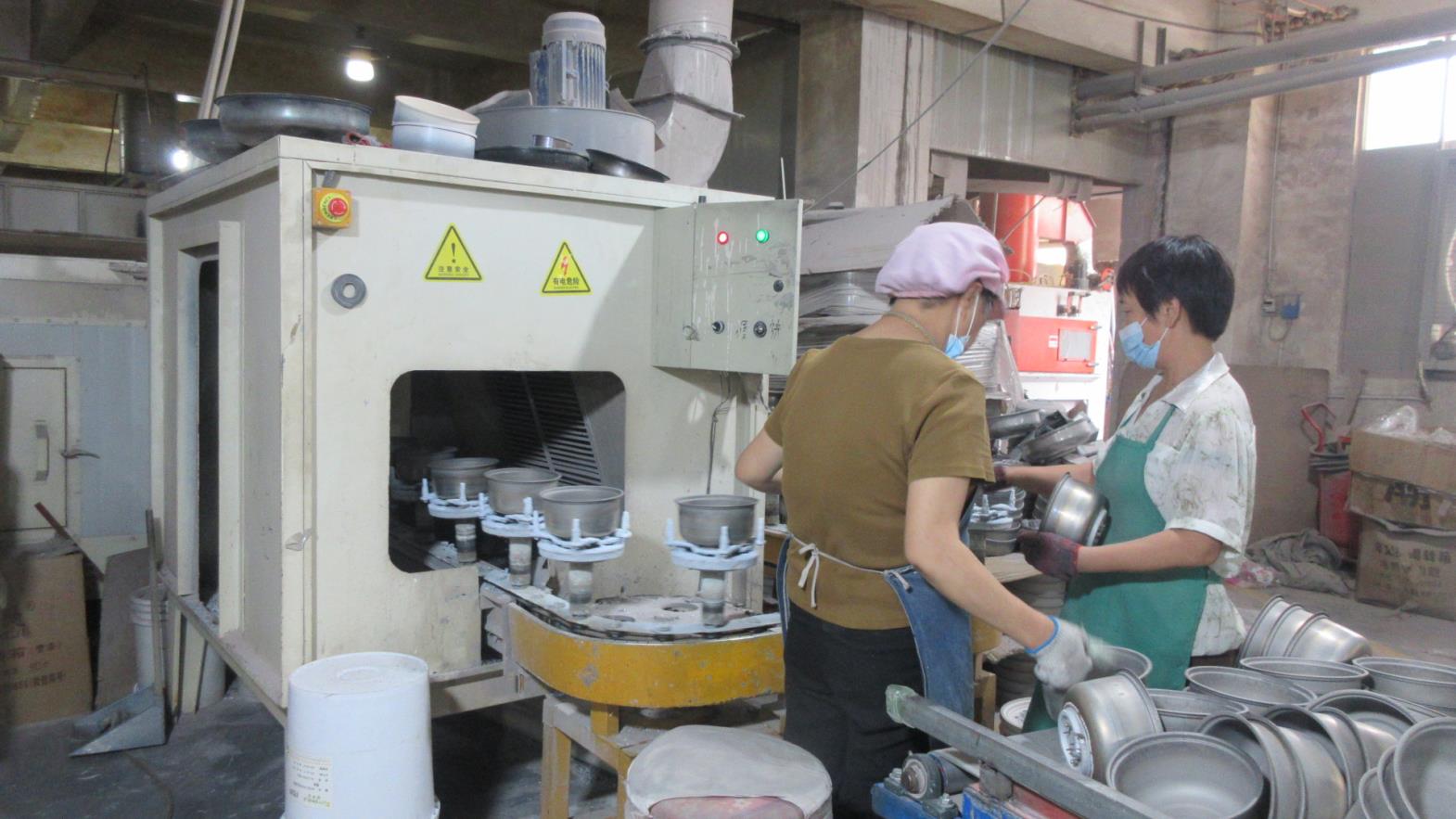
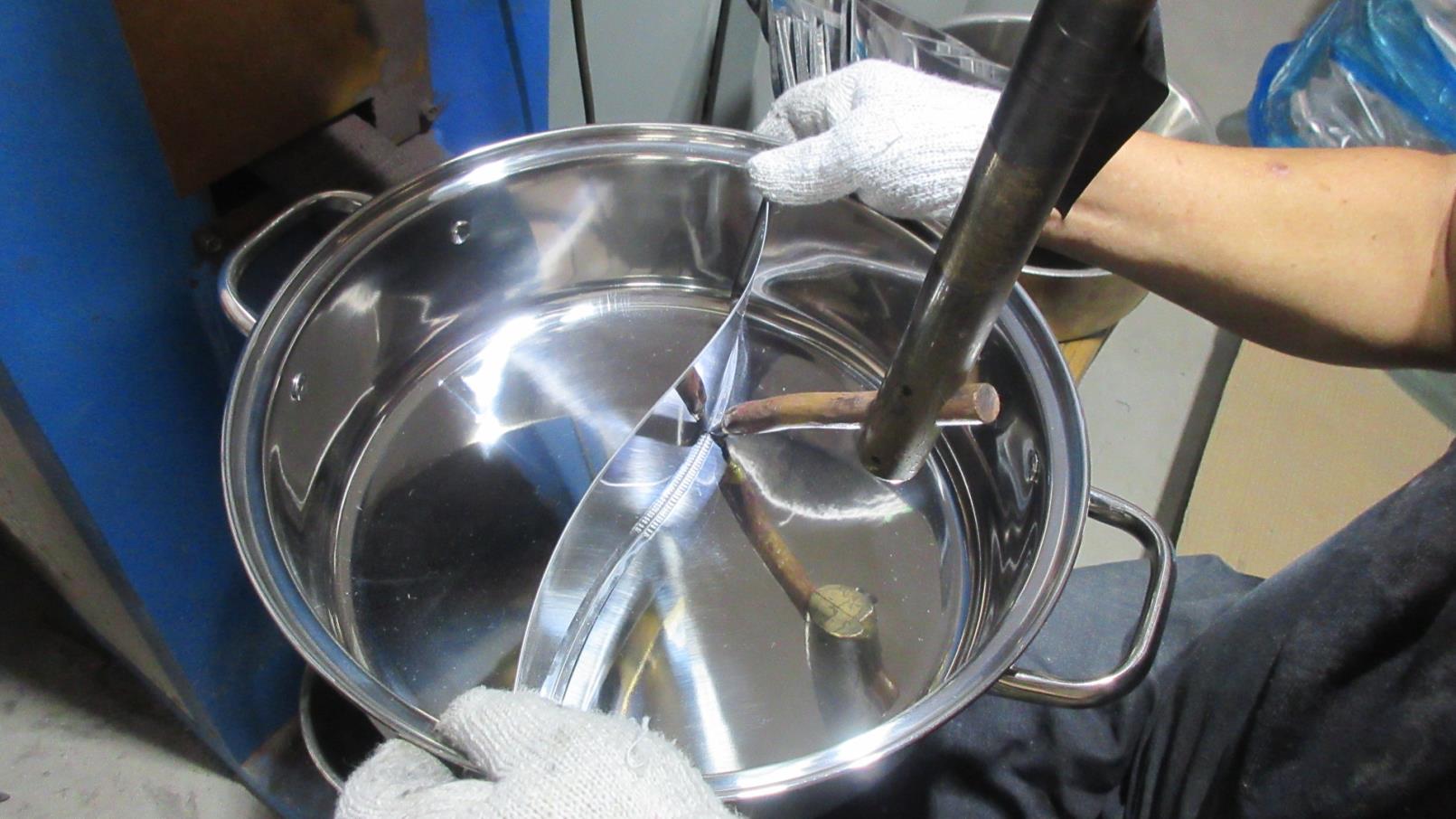
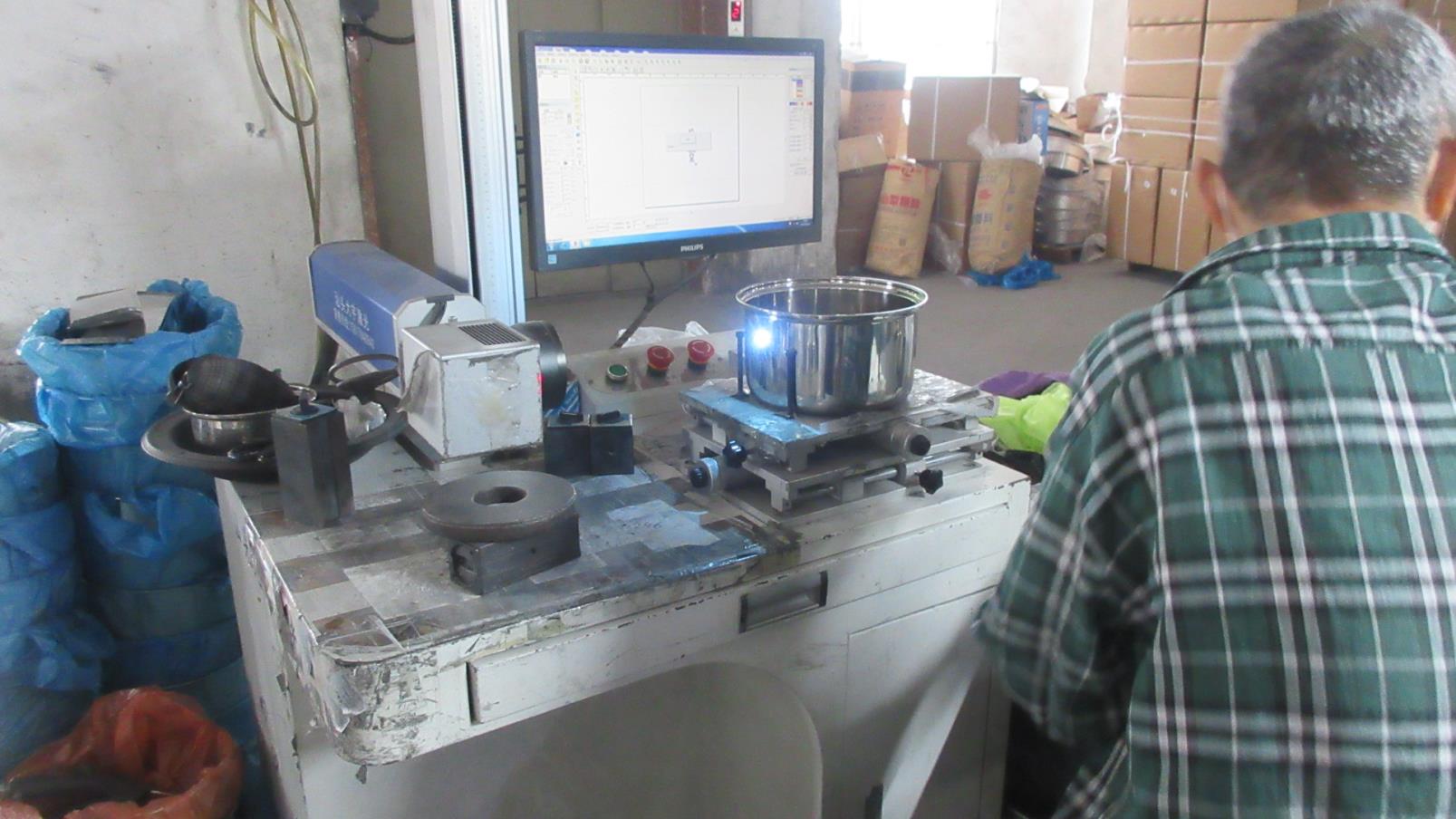
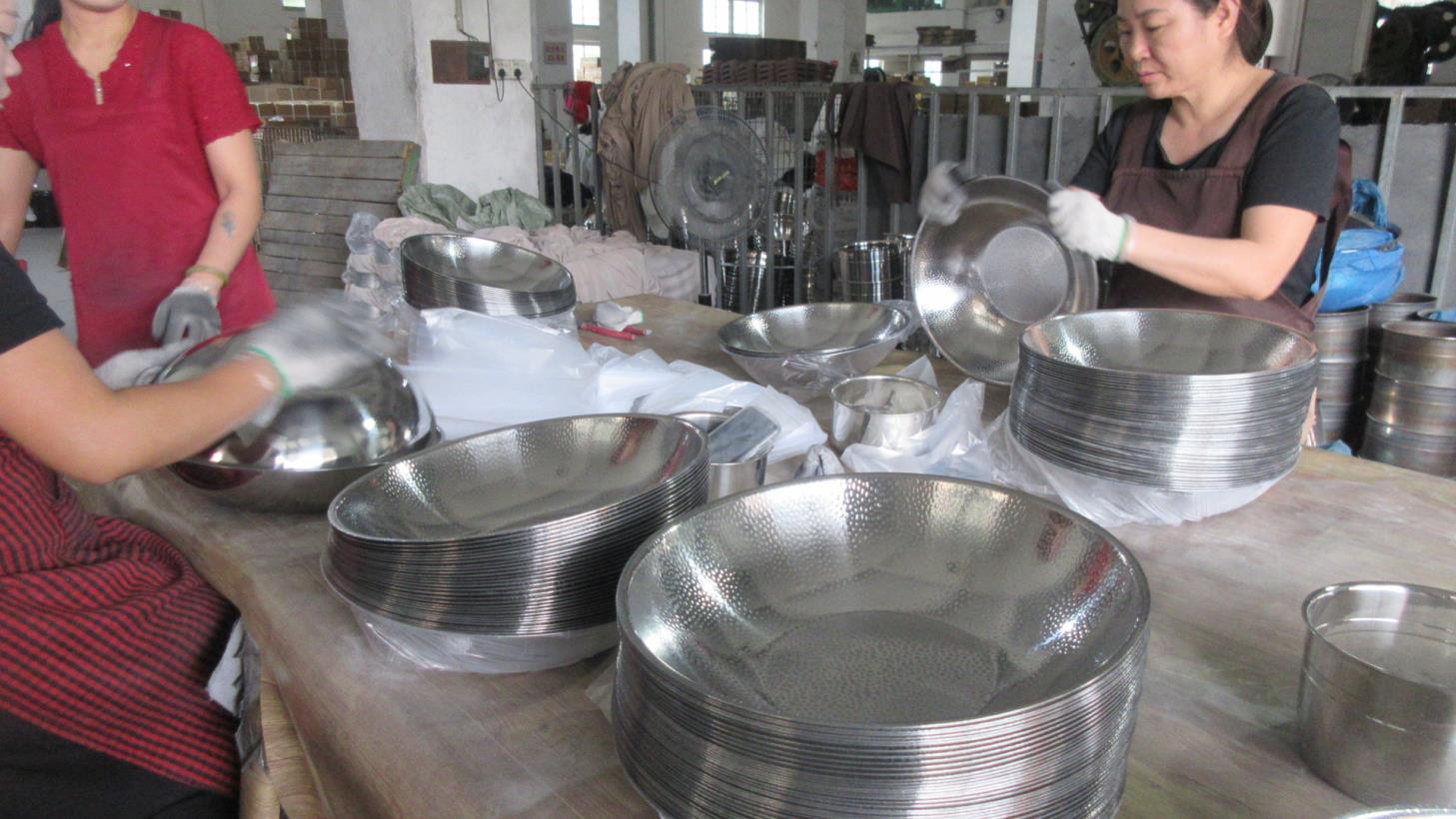
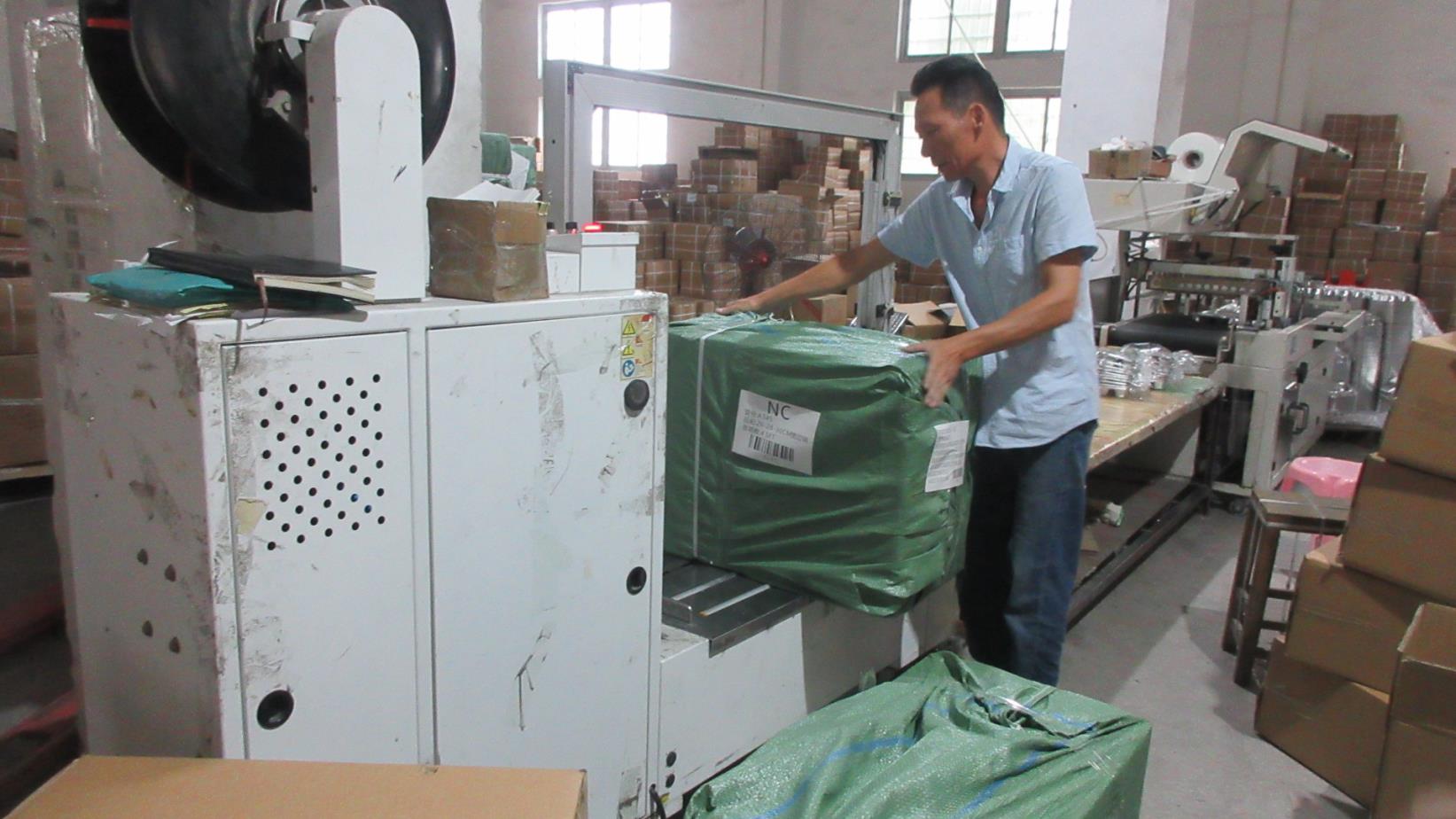
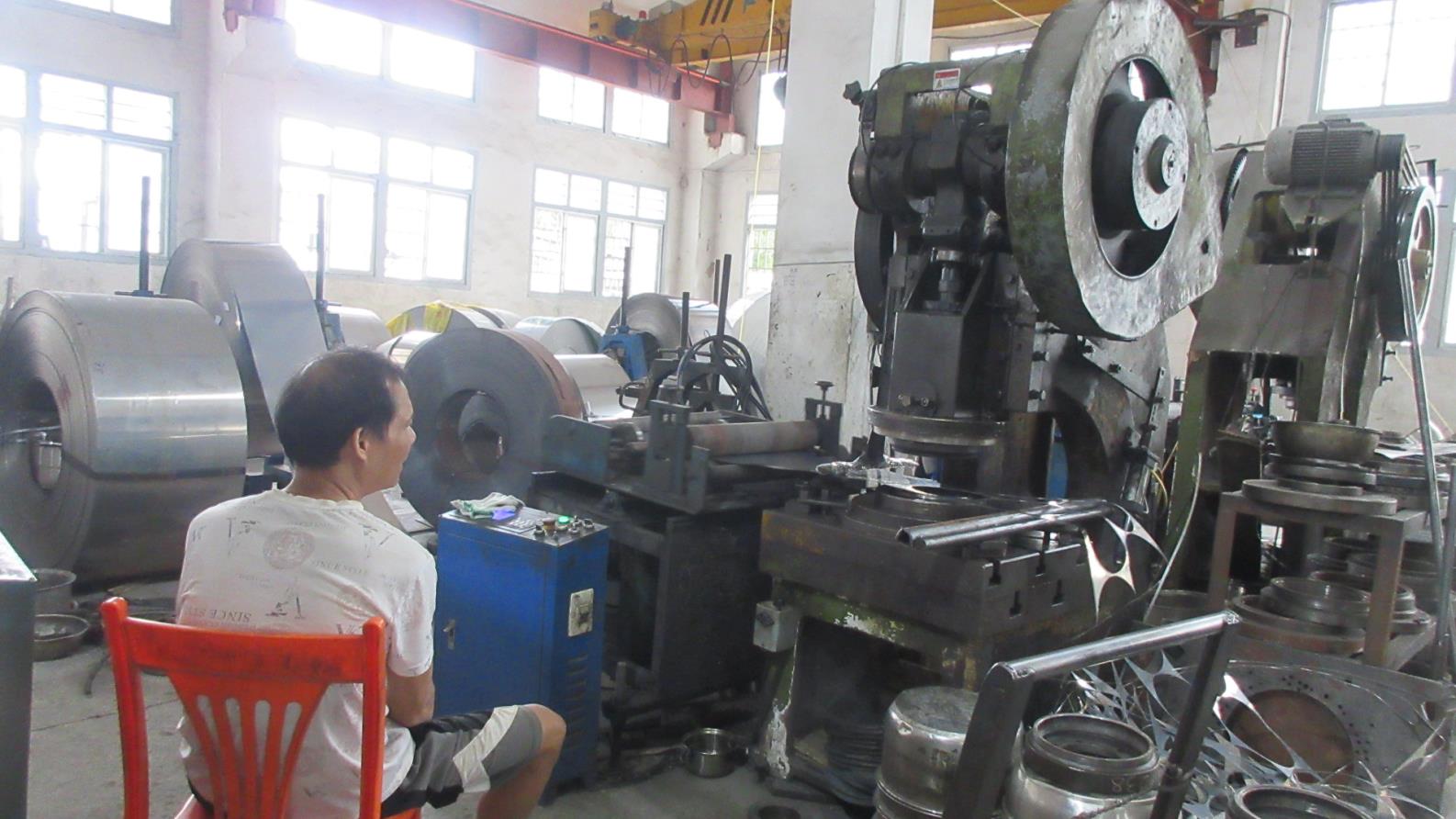
Navigating supply chain challenges in today's global landscape requires reliable, high-volume manufacturing partners. Modern factories in China’s specialized regions, such as the Chaoshan Plain in Guangdong, have adopted advanced Factory 4.0 methodologies to meet these challenges. By integrating automated hydraulic forming, laser cutting, robotic welding, and automated quality control, these manufacturers achieve exceptional product consistency and structural integrity.
This automated approach significantly reduces material waste and speeds up production times, allowing the facility to produce high-specification double boilers that meet rigorous Western standards (such as ASME, NSF, CE, and ISO certifications). For importers and wholesale distributors based in New York, partnering with an advanced Factory 4.0 facility ensures a stable supply chain, quick lead times, and cost-effective shipping solutions.
Guangdong Kaus Kitchen Co., Ltd. is located in the vibrant and economically dynamic region of the Chaoshan plain in Shantou, Guangdong Province, an area renowned for its strong manufacturing foundation and rich tradition in stainless steel and kitchenware production.
The company is a modern, comprehensive enterprise integrating research and development, manufacturing, sales, and service, specializing in high-quality stainless steel kitchenware, hotel supplies, and household tableware products. Guided by the core business philosophy of “quality first, customer foremost,” Kaus Kitchen is committed to delivering durable, safe, and innovative kitchen solutions to global customers.
The company has obtained ISO9001 International Quality Management System certification and ISO14001 Environmental Management System certification, ensuring strict standards in product quality control and sustainable production practices. In addition, several of its products have passed national safety and compliance certifications, including CCC certification for applicable electrical or regulated items.
Through continuous innovation and technological investment, Guangdong Kaus Kitchen Co., Ltd. has been awarded multiple honors such as “Guangdong Famous Brand Product” and “Guangdong Contract and Credit Enterprise,” reflecting its strong reputation in both domestic and international markets. The company also holds a number of patents in product design and manufacturing processes, demonstrating its commitment to innovation and product differentiation.
With a modern production base covering approximately 30,000 square meters, the company operates in a well-planned garden-style industrial park featuring advanced manufacturing facilities, efficient logistics systems, and a comfortable office environment. A dedicated workforce of over 100 skilled employees ensures stable production capacity and consistent product quality.
Over the years, Guangdong Kaus Kitchen Co., Ltd. has built a strong presence in the stainless steel kitchenware industry, continuously expanding its product range and improving craftsmanship. The company remains committed to innovation, environmental responsibility, and long-term partnerships, aiming to become a trusted global supplier of premium kitchen and dining solutions.
Our double boilers are currently deployed across several distinct sectors within New York:
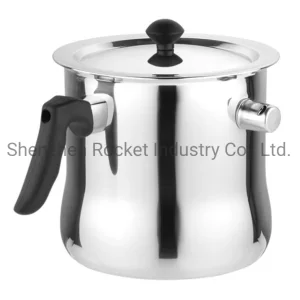
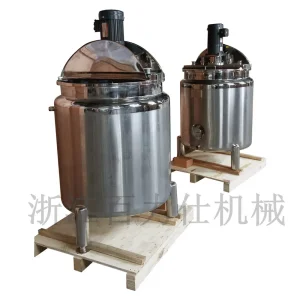
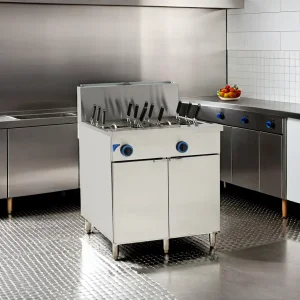
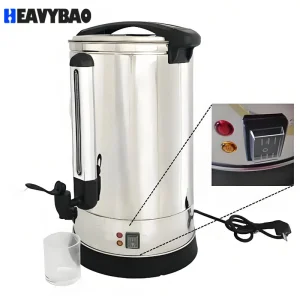
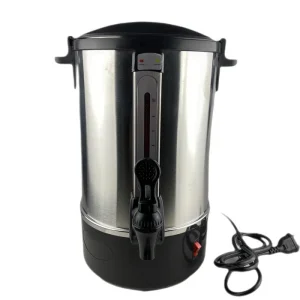
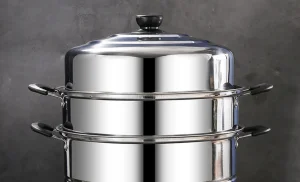
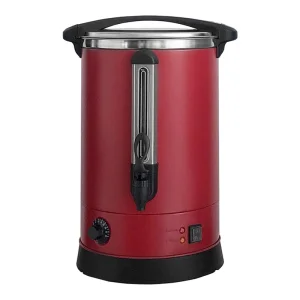
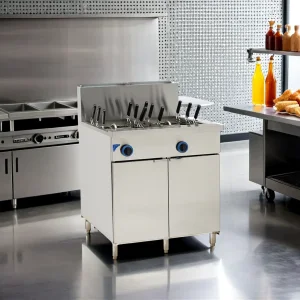
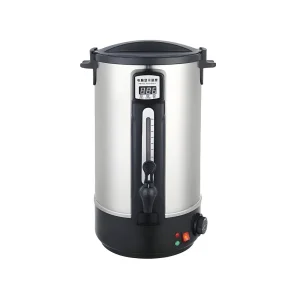
Explore our complete range of commercial and industrial double boilers, hot water systems, and pasta cookers designed to meet demanding operational needs.
Connect with our technical engineering team today. We offer custom design services, custom material specifications (SUS316L options), and direct-from-factory logistics to support your business requirements.
 Kaus Kitchen