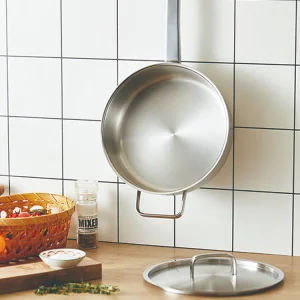
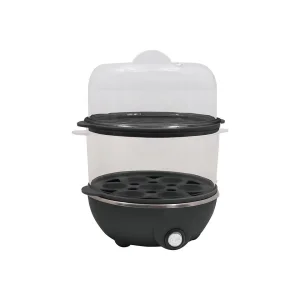
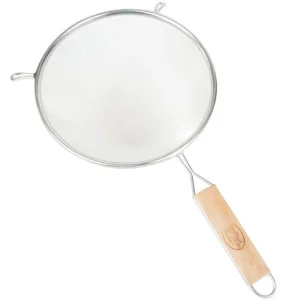
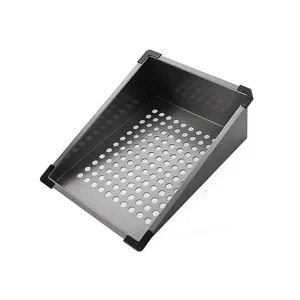
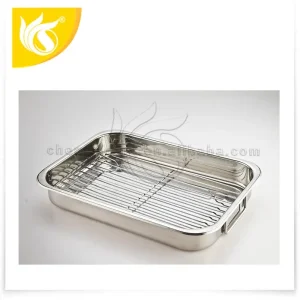
High-grade stainless steel products designed for professional chefs, commercial catering kitchens, and outdoor culinary experiences.
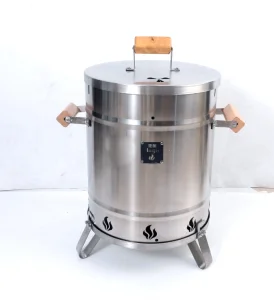
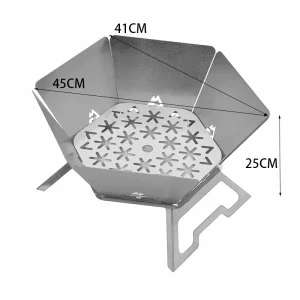
Analyzing global supply chain evolution, material advancements, and shifts in consumer purchase behaviors.
The global barbecue and outdoor cooking tool market is undergoing a major technological transformation. Historically, general consumer tools relied heavily on 430-grade stainless steel due to its cost efficiency. However, professional chefs and commercial operators demand superior resistance to structural warping, pitting corrosion, and organic acid interactions.
Modern premium manufacturers are prioritizing 304 (18/8) and 316 (marine-grade) stainless steel alloys. The introduction of molybdenum in 316 steel offers enhanced defense against chloride-induced corrosion, making these tools highly resilient for coastal outdoor use and industrial commercial applications.
Tool configurations are shifting from simple metal stampings to advanced multi-material composites. Modern designs integrate high-heat-resistant silicone, textured polymer coatings, and natural hardwood scales secured by heavy-duty flush-mount steel rivets.
Biomechanical engineering plays a critical role in current designs, focusing on wrist fatigue mitigation and heat-dissipation channels. The goal is to keep handles cool to the touch even during prolonged exposure to temperatures exceeding 300°C (572°F).
Driven by the rise of smart kitchens and precision outdoor cooking, manufacturers are designing tools with integrated functionalities. This includes high-performance spatulas featuring built-in digital meat thermometer probes, laser-etched portion grids, and dual-purpose structural edges that allow for effortless slicing and flipping.
These advanced tools cater to professional environments where precision and efficiency are paramount to optimizing cooking workflows.
SEO Information Gain Insight: According to global trade intelligence databases, commercial-grade outdoor cooking equipment orders have grown by 14.7% year-over-year. Buyers are shifting away from cheap, disposable sets to high-durability, long-lasting single implements that carry verifiable food-grade safety certifications.
Crucial assessment criteria for enterprise buyers, chain stores, and high-volume catering suppliers.
When procurement managers from the Americas, the European Union, and the Asia-Pacific region source stainless steel barbecue tools, they navigate complex regulatory frameworks and supply chain requirements. The evaluation goes beyond unit price; it centers on raw material authenticity, manufacturing precision, and social compliance.
All food-contact surfaces must comply with stringent international safety standards. In the United States, materials must meet FDA 21 CFR regulations, particularly regarding the migration limits of chromium, nickel, and manganese.
In the EU, the German LFGB (Lebensmittel- und Futtermittelgesetzbuch) sets even stricter limits for sensory transfer and extractable components. Heavy-duty tools are subjected to rigorous laboratory testing to verify that no hazardous substances leach into food, even under extreme heat.
Top-tier factories provide comprehensive Mill Test Certificates (MTC) for every batch of stainless steel. This guarantees the chemical composition (carbon, chromium, nickel, molybdenum) matches the grade specified.
Without documented chemical verification, buyers risk receiving low-grade steel that corrodes prematurely under commercial dishwashing cycles, leading to product recalls and brand damage.
Major global retailers require manufacturing facilities to pass verified social and environmental audits, including BSCI (Business Social Compliance Initiative), SMETA (Sedex Members Ethical Trade Audit), and ISO 14001 certification. These audits ensure fair labor practices, safe working conditions, and responsible environmental footprint management.
A leading manufacturing force in the Chaoshan Plain, specializing in commercial-grade stainless steel kitchenware.
Guangdong Kaus Kitchen Co., Ltd. is strategically located in Shantou, Guangdong Province, in the vibrant Chaoshan plain. This region is globally recognized for its deep manufacturing roots and rich history of craftsmanship in stainless steel and premium kitchenware production.
As a modern, comprehensive enterprise, Kaus Kitchen integrates research and development, manufacturing, sales, and service, specializing in high-quality stainless steel kitchenware, commercial hotel supplies, and premium household tableware.
Operating under the core business philosophy of “quality first, customer foremost,” Kaus Kitchen delivers exceptionally durable, safe, and innovative kitchen solutions to international buyers. The company is certified under both the ISO9001 International Quality Management System and the ISO14001 Environmental Management System, ensuring strict quality control and sustainable manufacturing practices.
Additionally, their electrical and specialized product lines have successfully passed national safety and compliance evaluations, earning the CCC (China Compulsory Certification) mark.
Through continuous R&D investments, Guangdong Kaus Kitchen Co., Ltd. has earned numerous prestigious accolades, including “Guangdong Famous Brand Product” and “Guangdong Contract and Credit Enterprise.” These honors reflect the brand's long-standing credibility in both domestic and international B2B markets.
The company maintains a modern, garden-style production facility covering approximately 30,000 square meters, staffed by a dedicated workforce of over 100 highly skilled technicians who ensure consistent output and reliable lead times.
Inside our advanced Shantou facility: How raw metal is transformed into high-performance culinary tools.
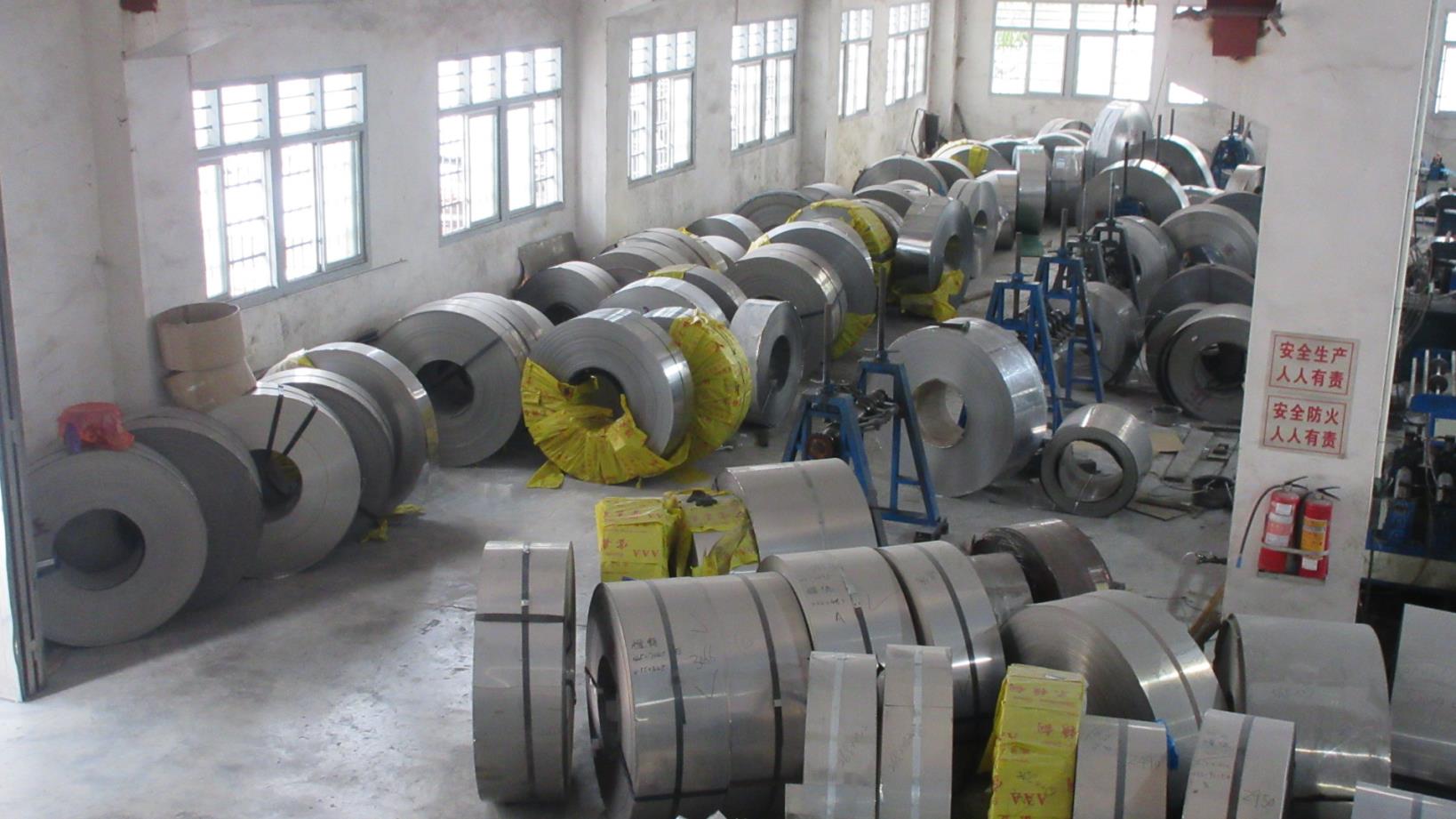
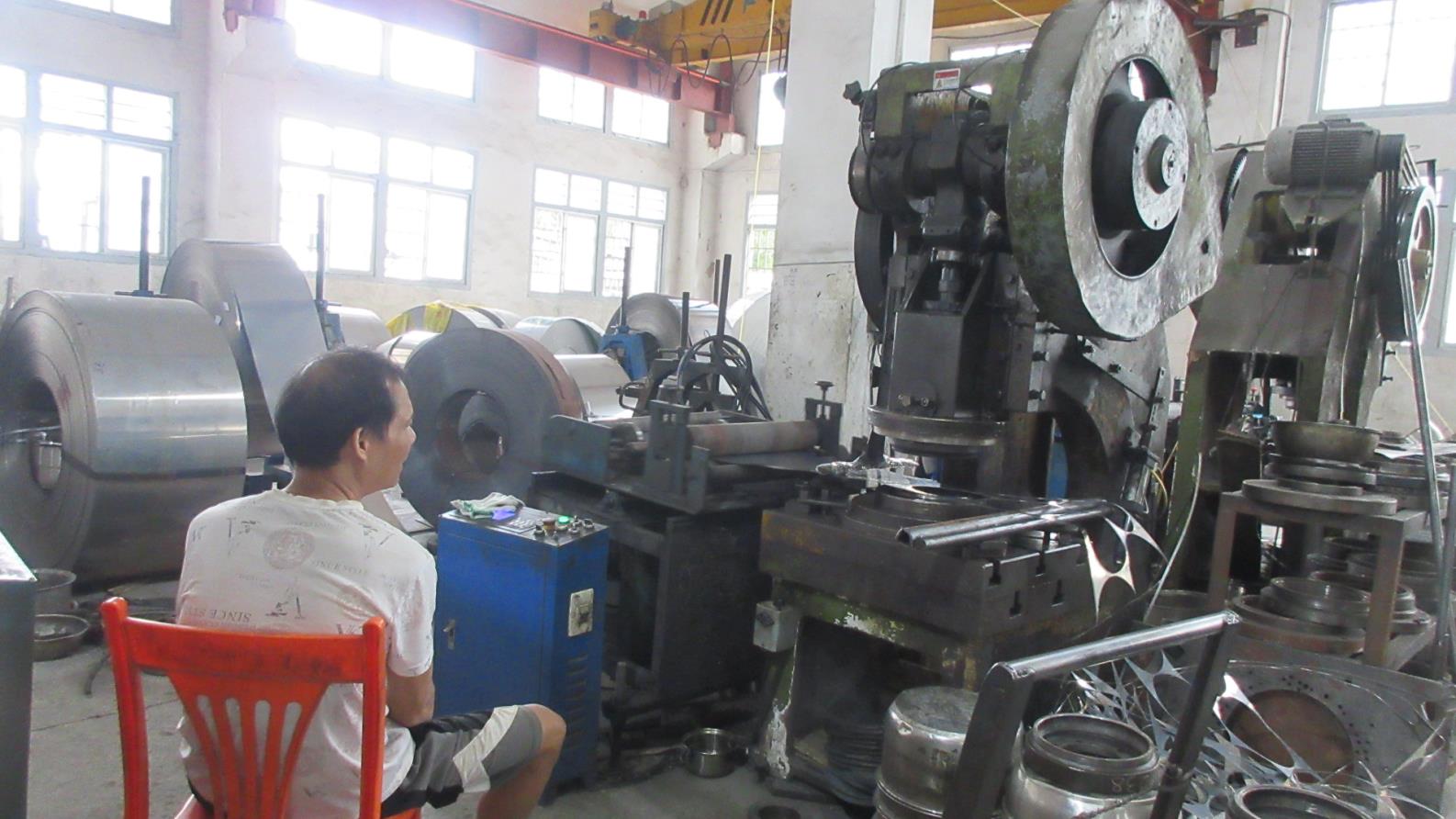
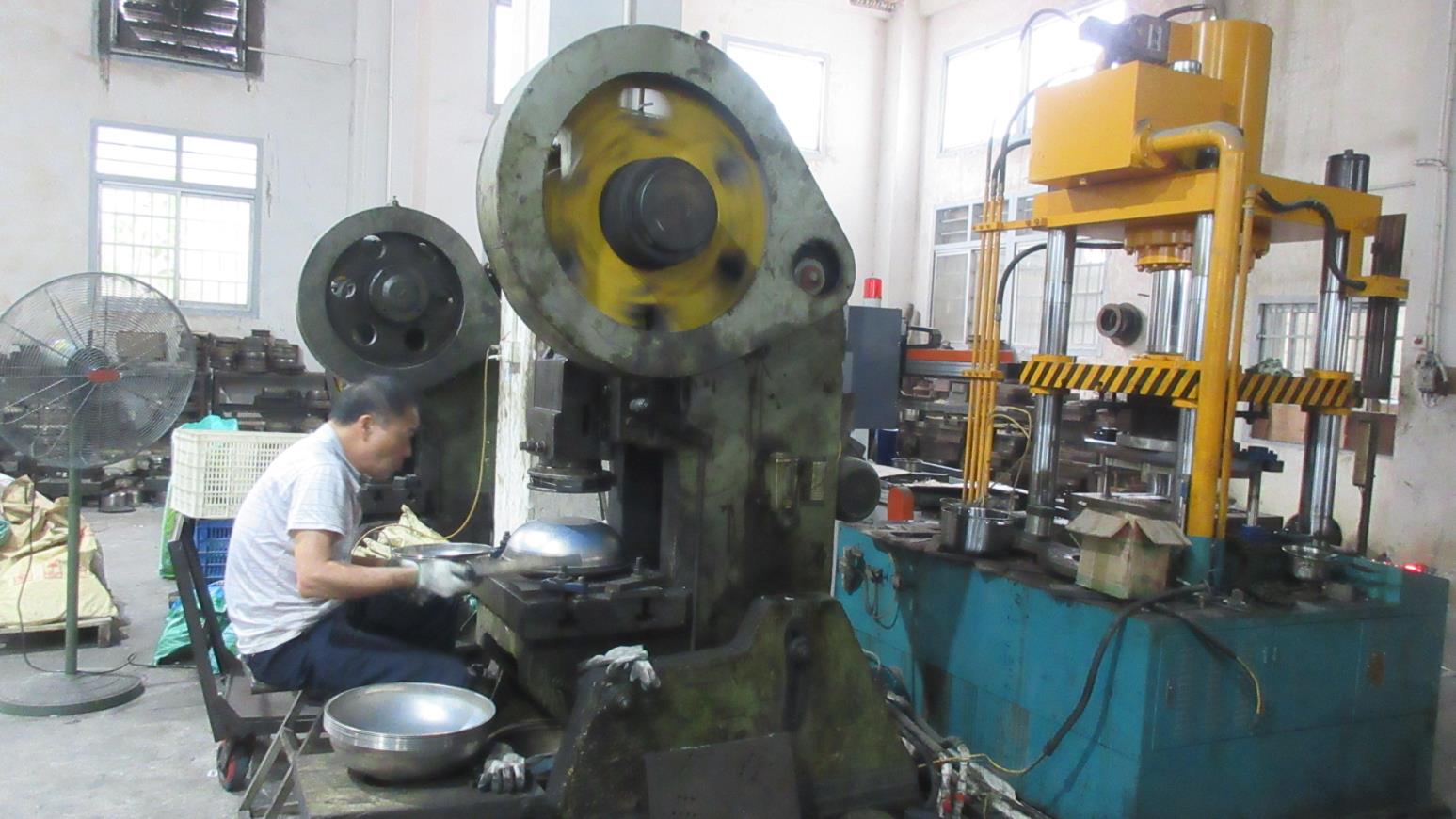
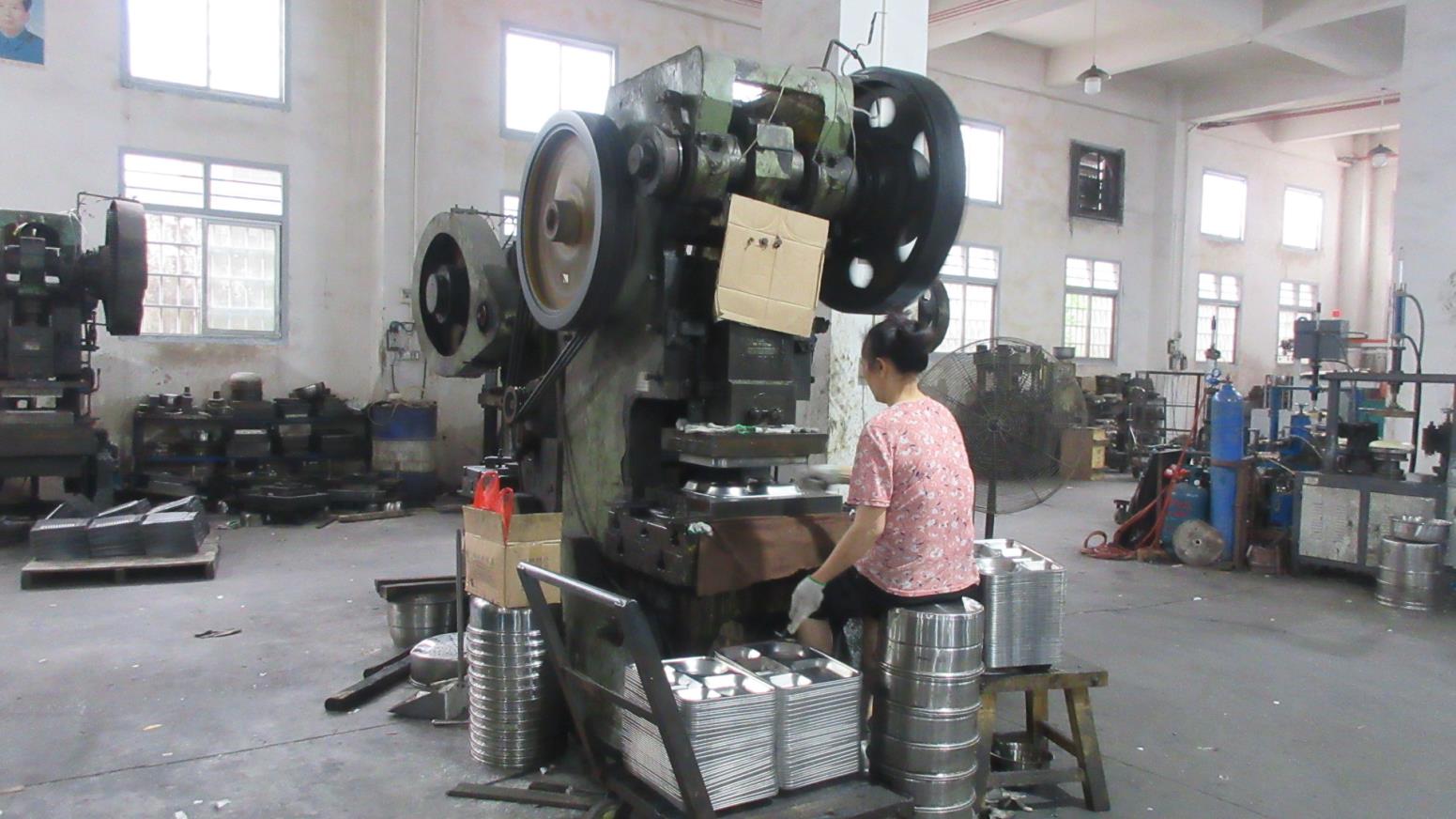
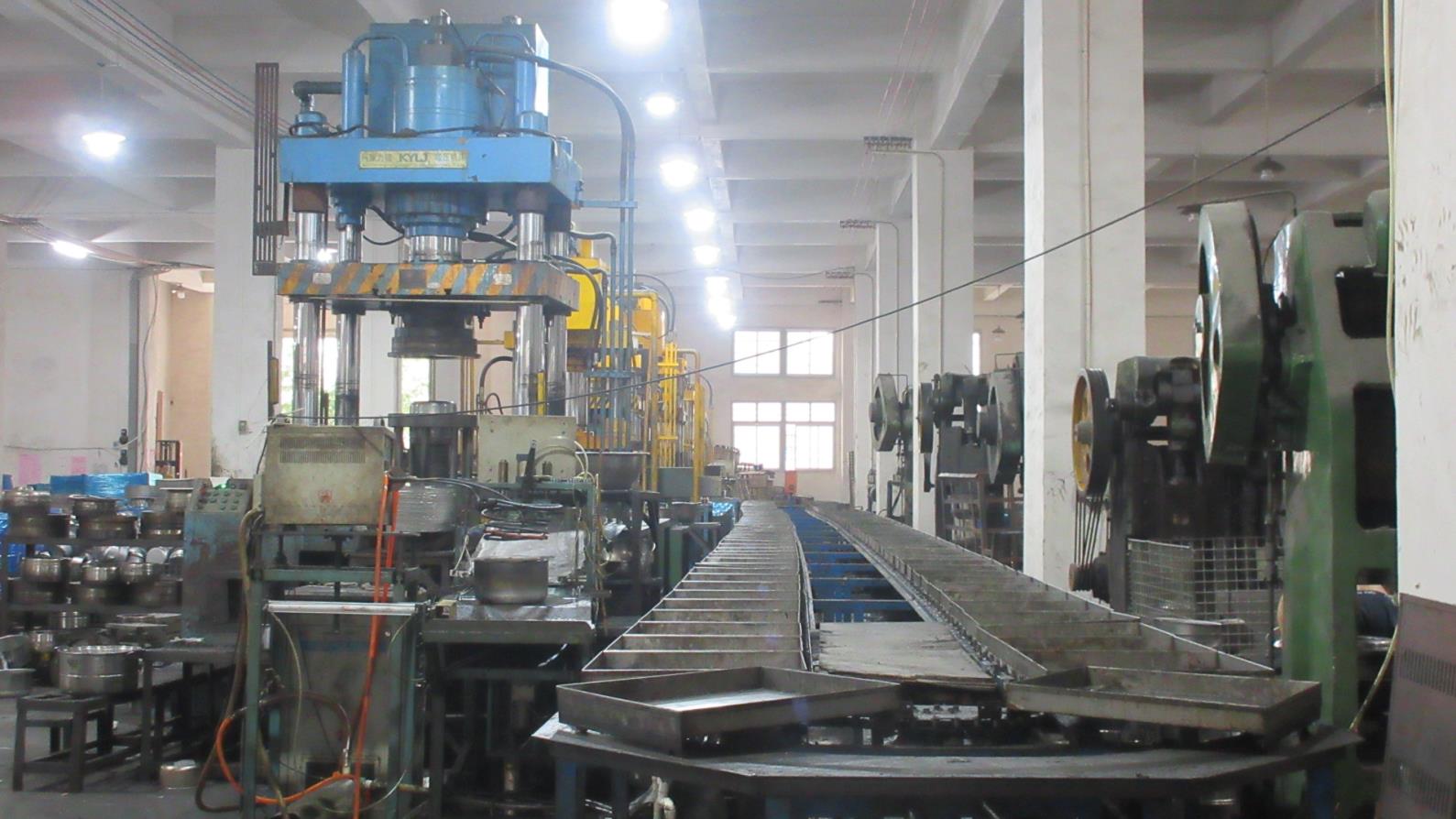
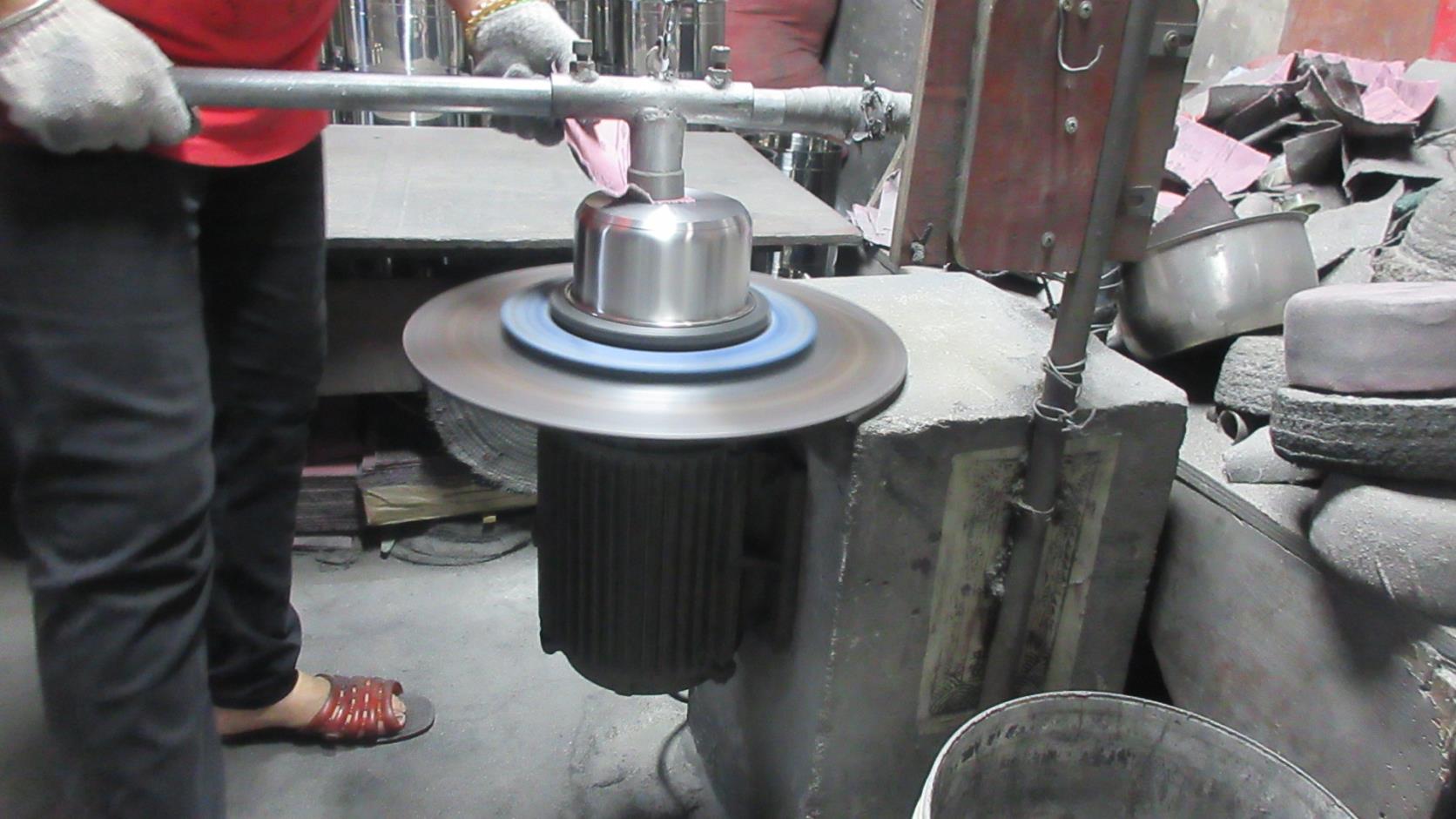
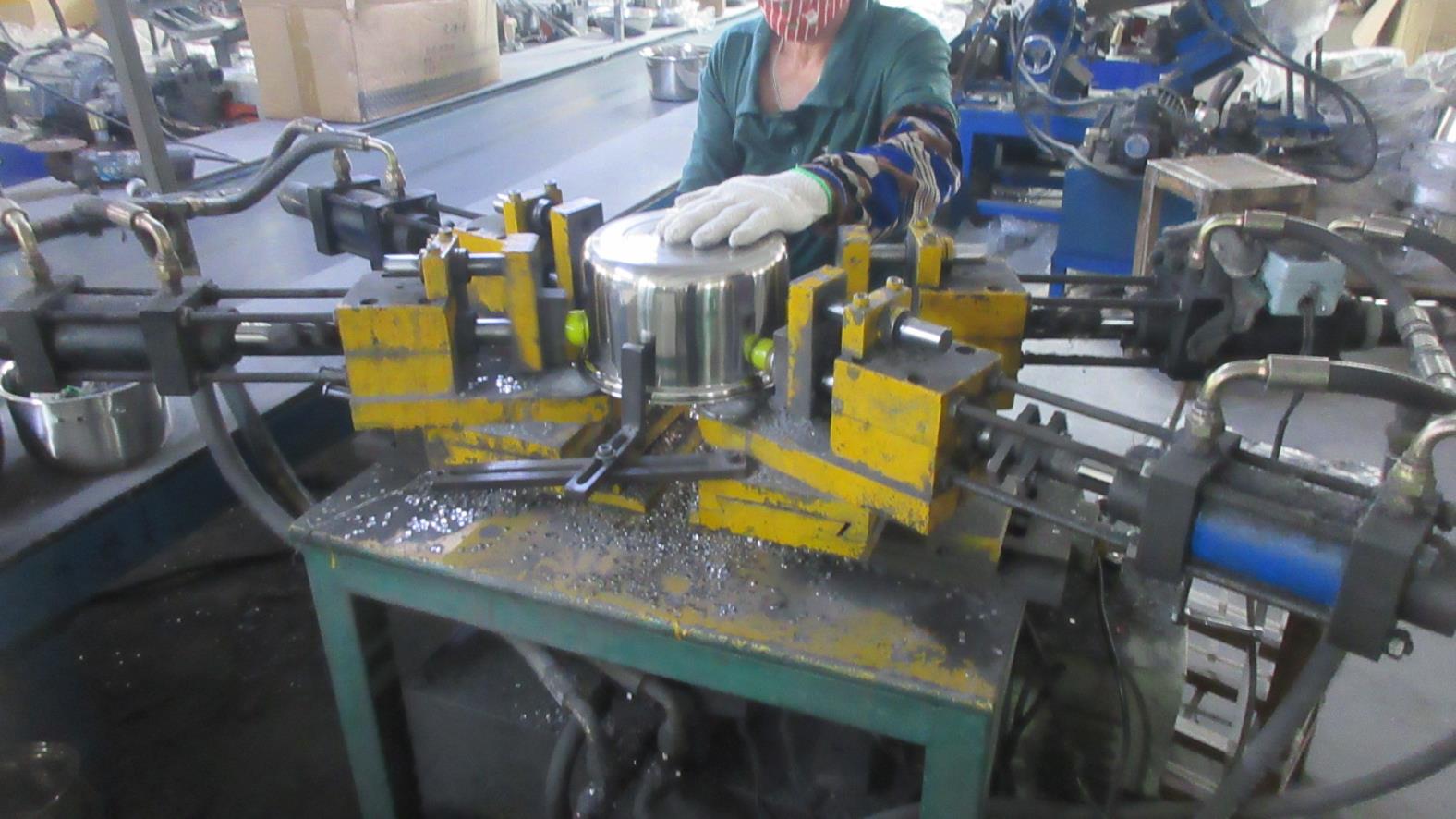
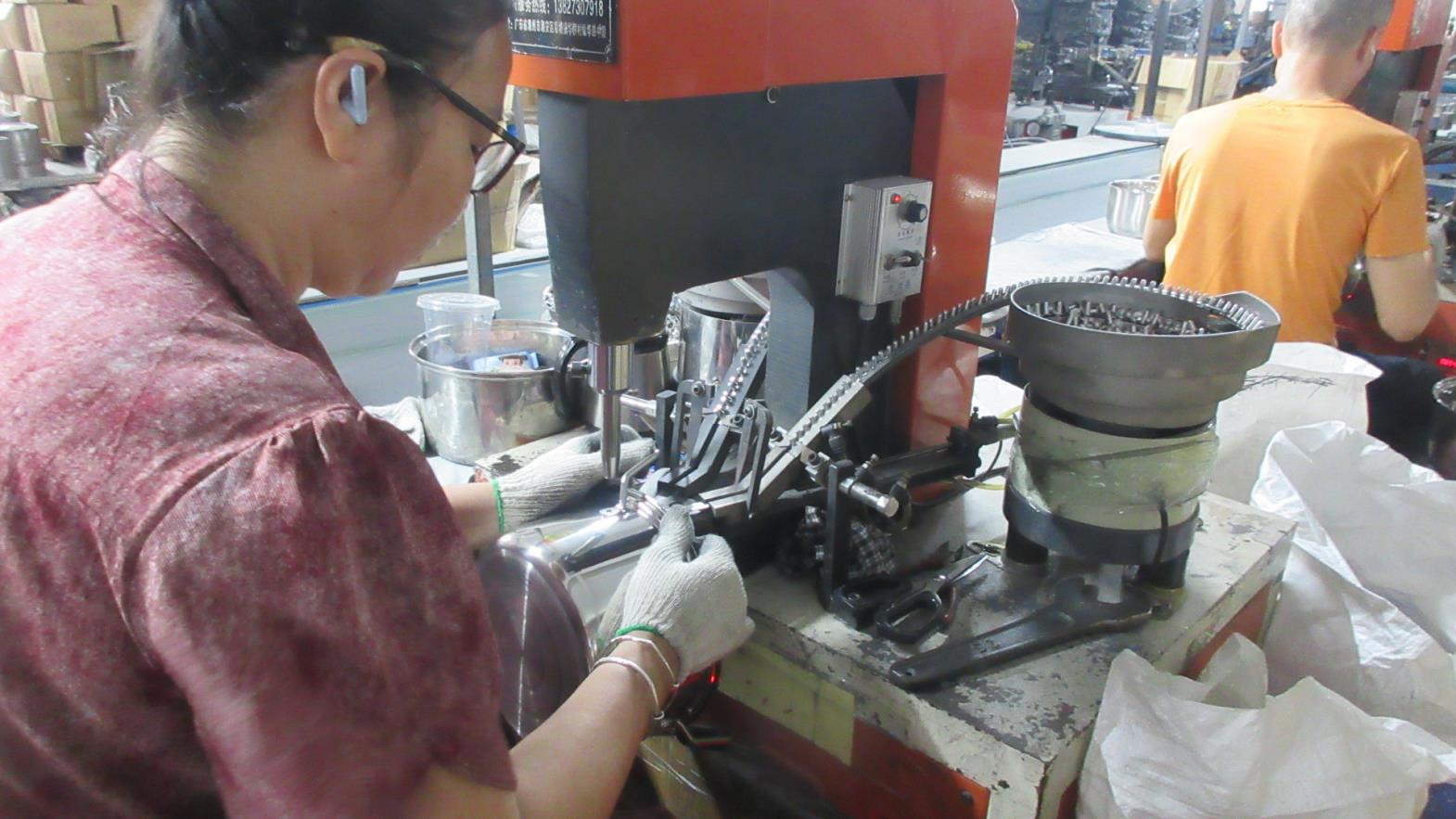
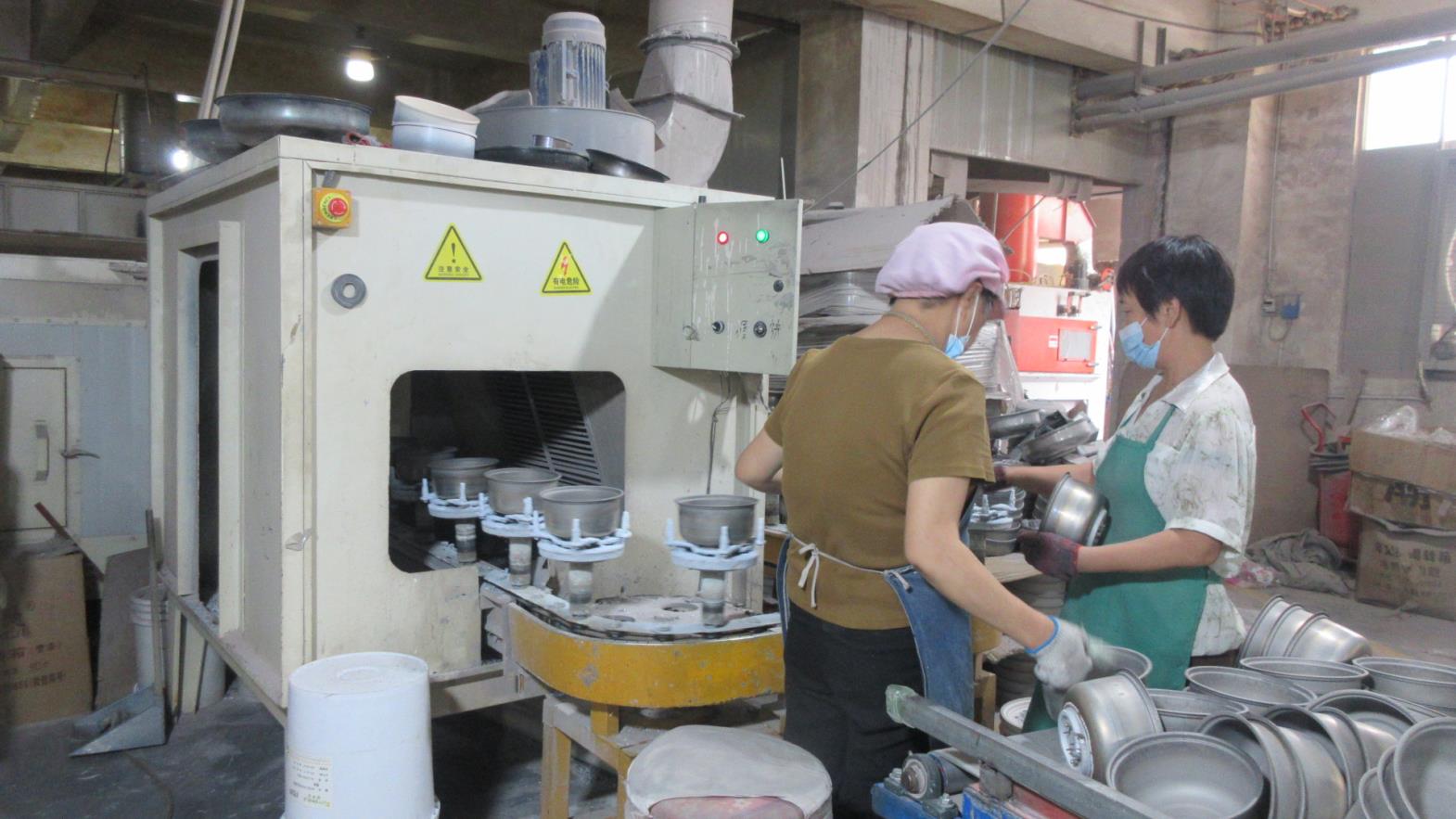
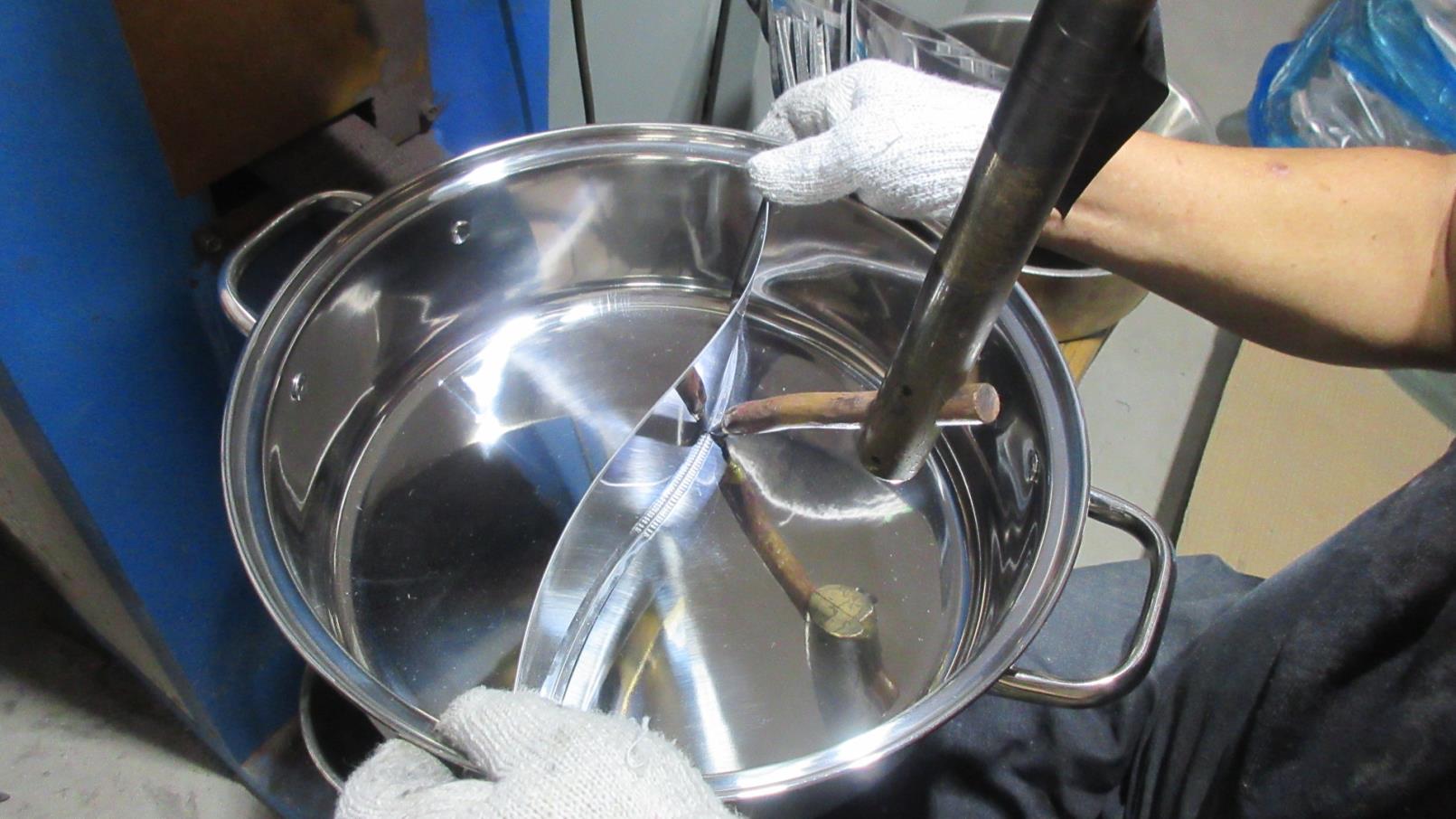
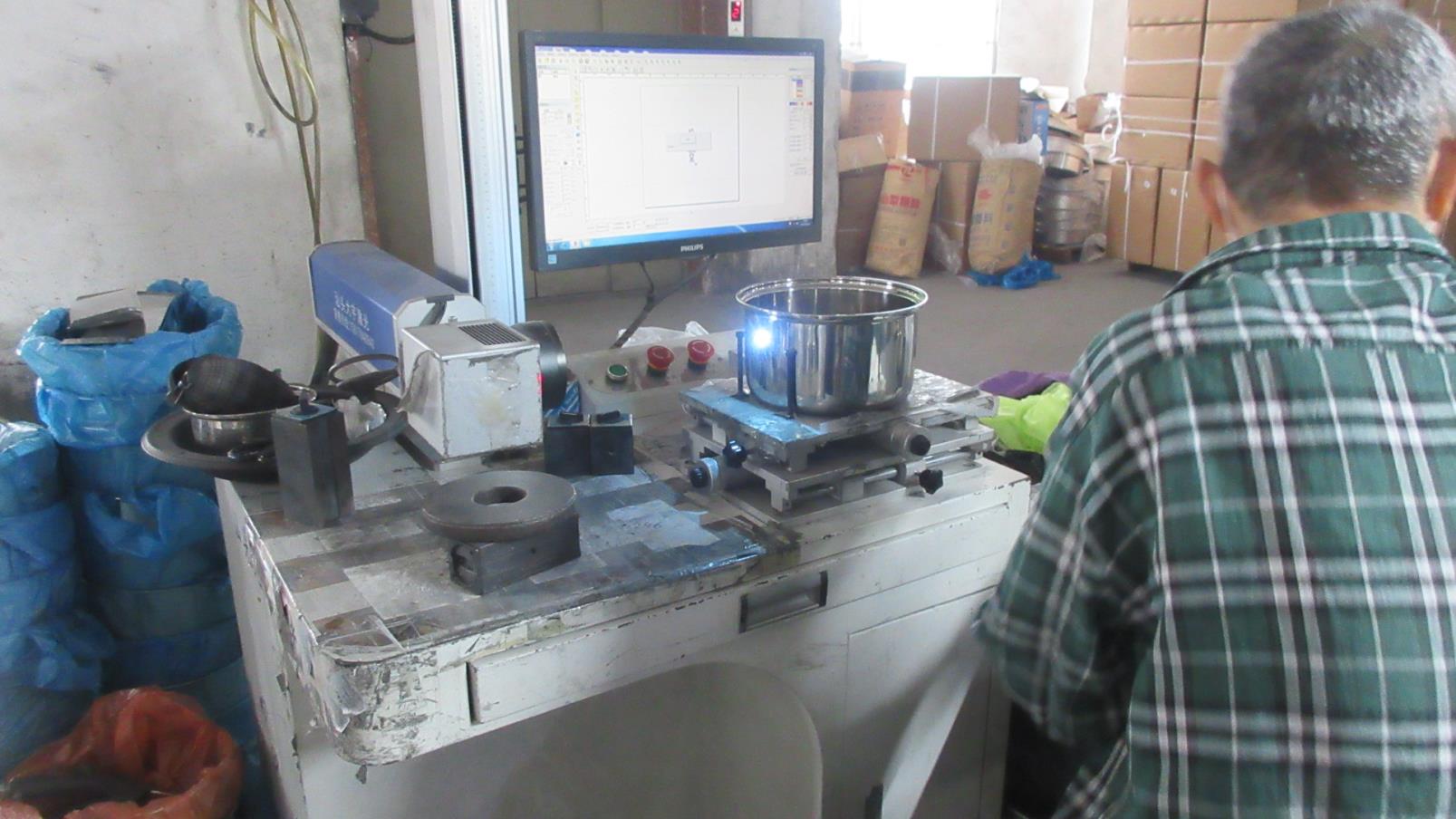
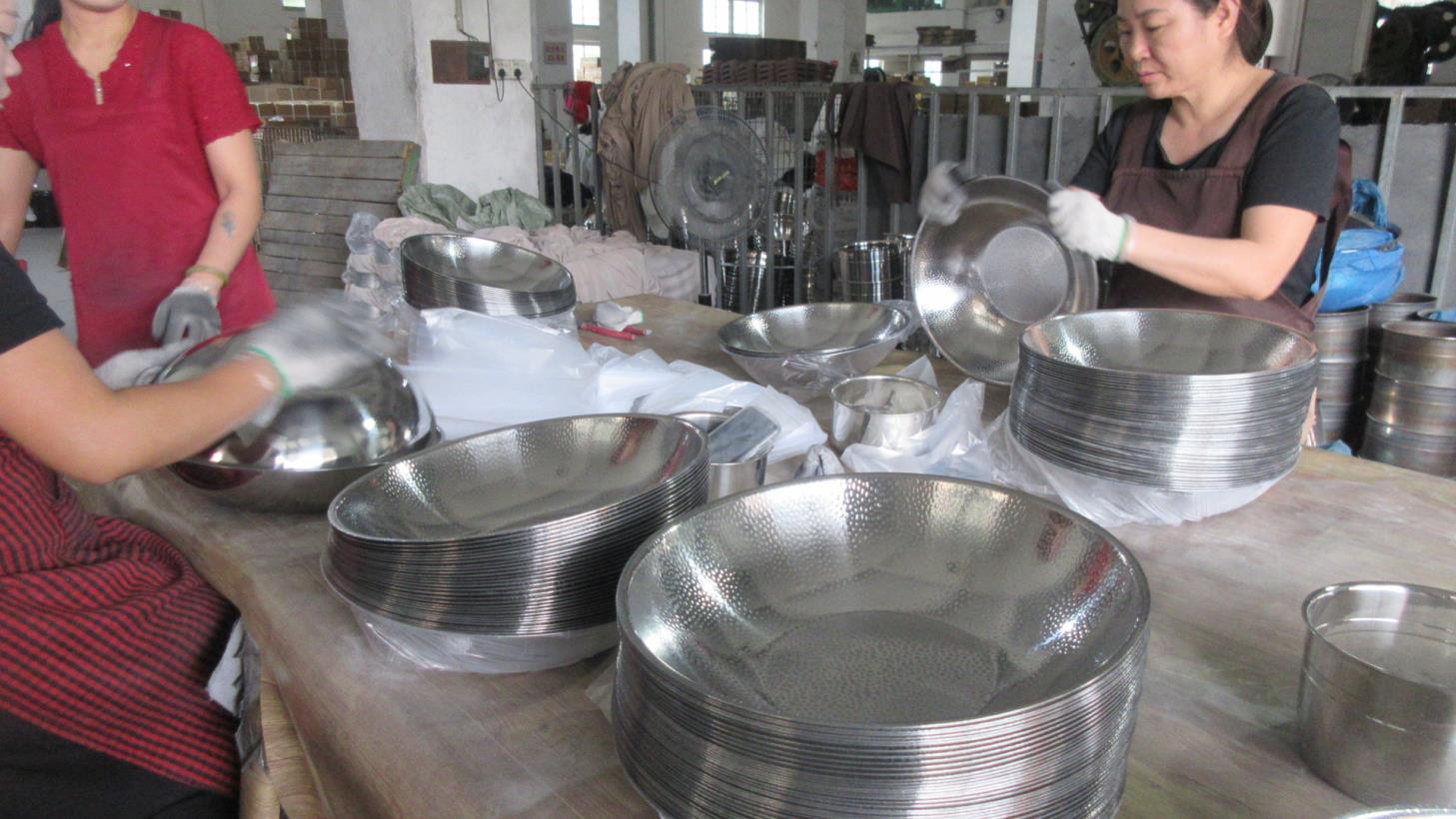
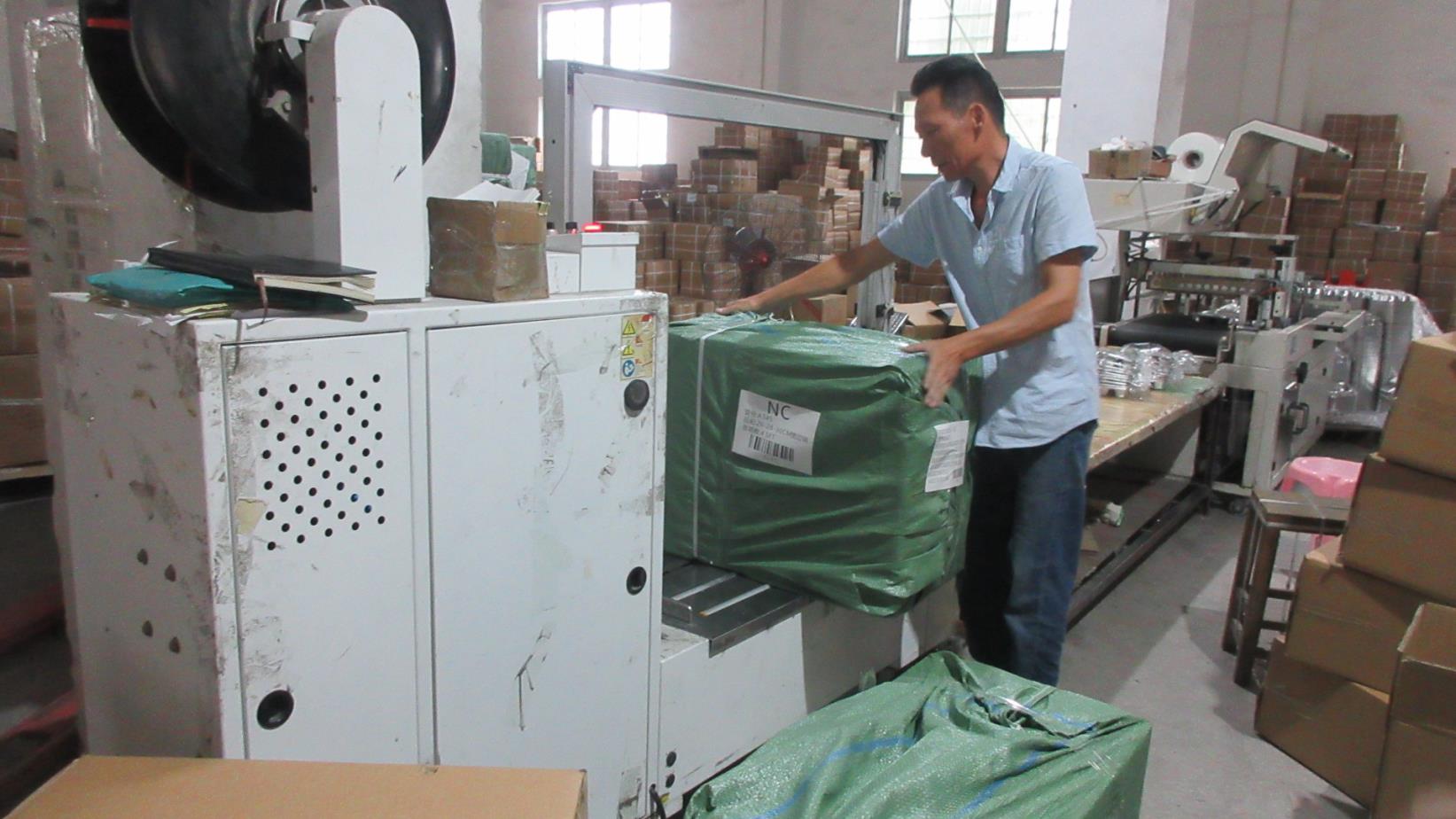
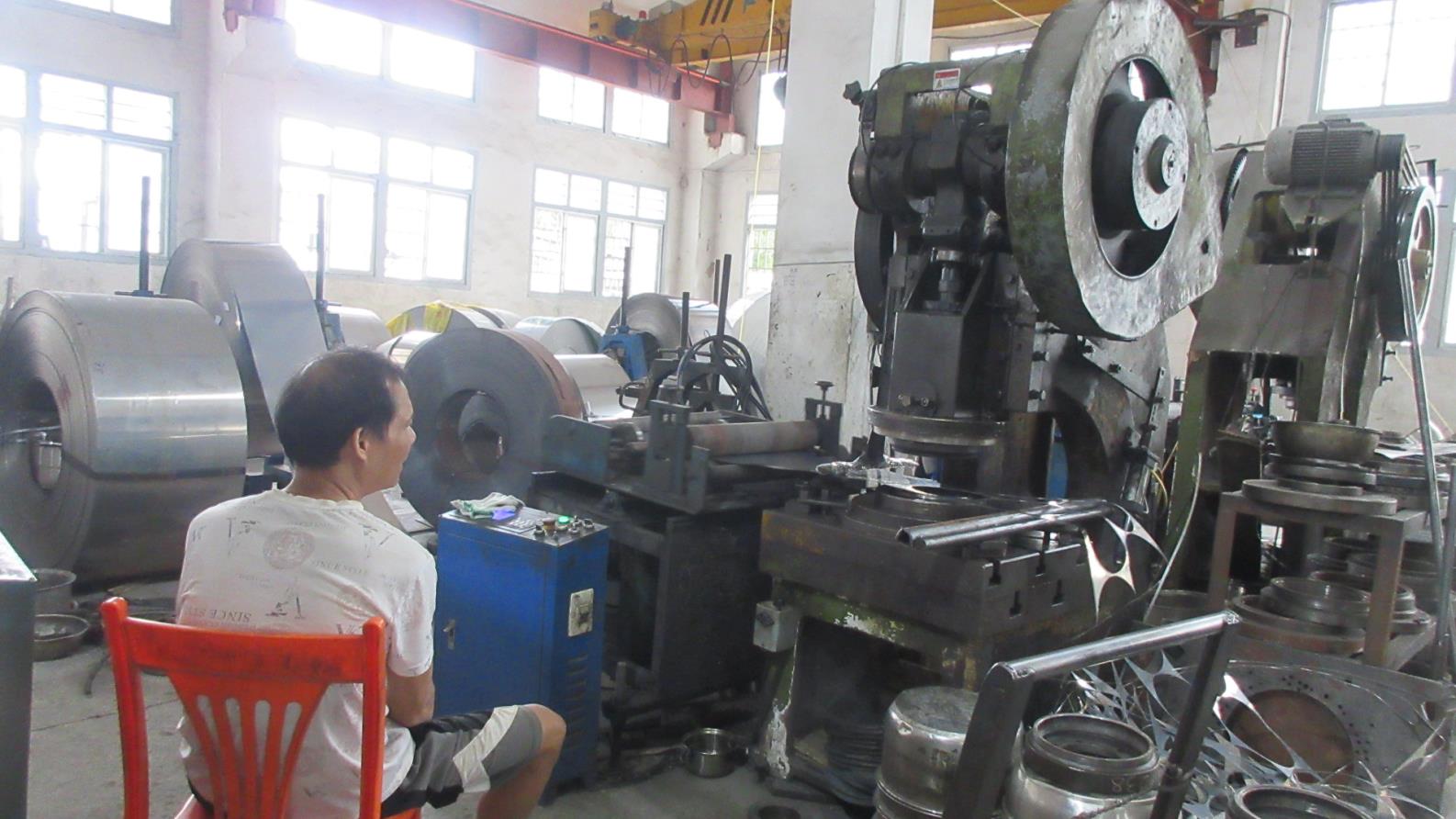
Pioneering cleaner production paths, smart metallurgy, and resource-efficient manufacturing workflows.
The global steel industry is working hard to reduce carbon dioxide emissions. Forward-looking manufacturers are shifting to scrap-based electric arc furnace (EAF) steel sourcing, which uses up to 75% less energy than raw blast furnace processing.
By using recycled stainless steel, manufacturers can reduce Scope 3 emissions. This helps global buyers meet their environmental goals while maintaining high quality and durability.
Manual quality checks are being replaced by high-speed, AI-driven optical systems. As products move along the line, high-resolution cameras scan the steel surface for micro-cracks, uneven plating, and polishing defects.
This automated quality control ensures every item meets strict standards before leaving the factory. It helps avoid production delays and keeps high-volume orders consistent.
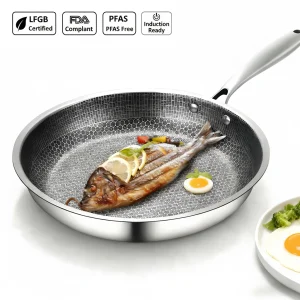
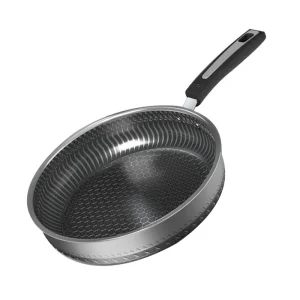
Traditional non-stick chemical finishes are being replaced by physical etching techniques. Using advanced lasers, factories can create micro-patterns on stainless steel that prevent food from sticking without using chemicals like PFOA or PTFE.
These new patterns improve surface performance and make recycling easier. They help brands meet the growing demand for safe, chemical-free cookware.
Professional guidance for supply chain managers, product developers, and procurement agents.
A: While 304 and 201 stainless steel look similar, they perform differently over time. 304 stainless steel contains 18% chromium and 8% nickel, providing high corrosion resistance. 201 stainless steel replaces nickel with manganese, making it more prone to rust in damp outdoor conditions. Procurement teams can verify the grade using non-destructive X-ray fluorescence (XRF) analyzers or chemical spot-test kits to ensure they receive the correct material.
A: The German LFGB standard is generally stricter than FDA regulations. It includes testing for sensory transfer to ensure the tool doesn't affect the food's taste or smell. It also uses more challenging testing liquid simulations to measure heavy metal release. Meeting LFGB requirements means the product is highly safe and suitable for demanding European markets.
A: Lead times for custom tools usually run between 35 and 45 days. This includes raw material prep, custom metal stamping, multi-step polishing, and packaging. The standard Minimum Order Quantity (MOQ) typically ranges from 1,000 to 3,000 units per item. This volume helps cover the setup costs for high-speed automated pressing and custom laser engraving equipment.
A: Shantou, located in the Chaoshan Plain, offers a highly integrated manufacturing network. Raw materials, stamping dies, surface finishing, and packaging are all sourced locally. This proximity reduces domestic shipping costs, improves production efficiency, and allows factories to adapt quickly to custom design requests.
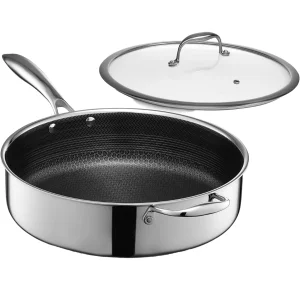
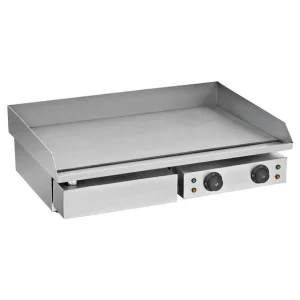
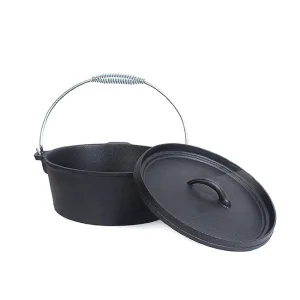
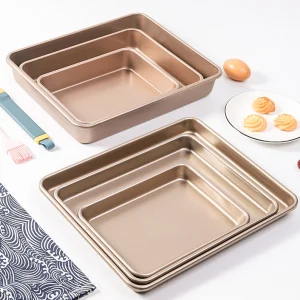
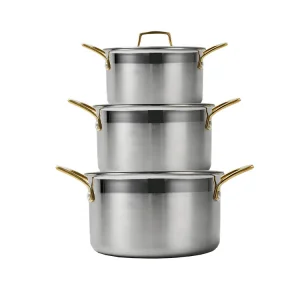
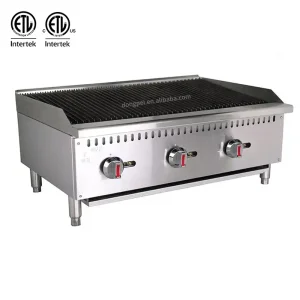
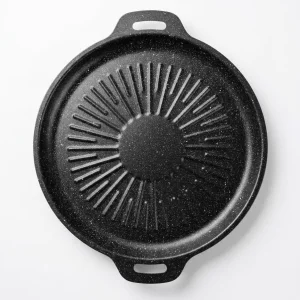
Discover our range of durable commercial pans, stock pots, mesh strainers, and outdoor griddles.
 Kaus Kitchen