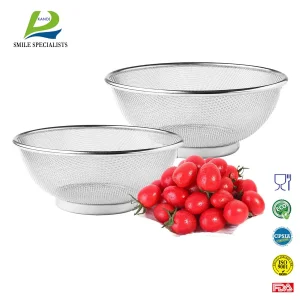
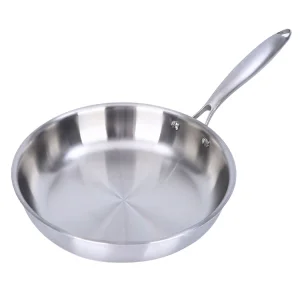
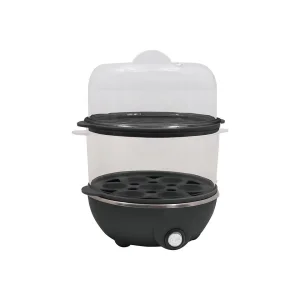
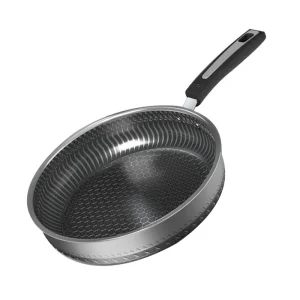
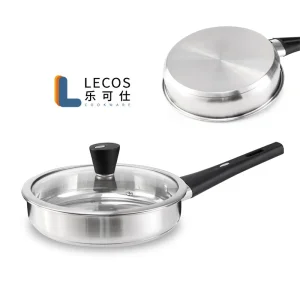
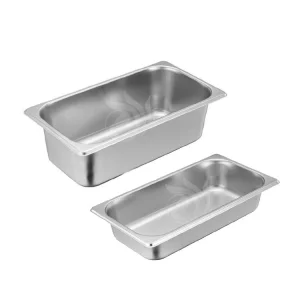
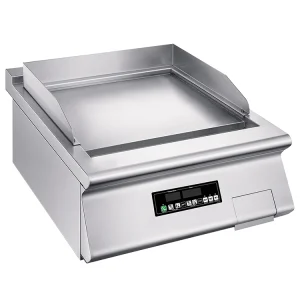
Explore our premium-grade stainless steel products designed for high-performance hospitality, catering, and food processing environments.
In modern sensory science, food processing, hospitality operations, and quality control systems, the choice of tasting cutlery is not merely an aesthetic consideration but a critical parameter affecting biochemical safety, trace chemical migration, and sensory neutrality. As a leading CE Certified Stainless Steel Taster Spoon Manufacturers & Supplier, Guangdong Kaus Kitchen Co., Ltd. delivers institutional-grade tasting implements engineered to satisfy rigorous international standards, including the European CE mark, ISO certifications, and regional regulatory frameworks.
Sensory evaluation processes—ranging from olive oil grading, coffee cupping, tea grading, to ice cream manufacturing and winery operations—depend heavily on the surface purity of tasting spoons. The chemical interaction between acids, enzymes, and salts in food and the metal alloy must be zero. If a taster spoon releases metallic ions (such as free iron or nickel traces), it can instantly alter the taster's palate, distorting the flavor profiles and invalidating sensory data. Our proprietary manufacturing processes leverage certified food-contact alloys to prevent any chemical reaction, providing a completely neutral taste profile.
Information Gain Highlight: Commercial taster spoons from Kaus Kitchen undergo a specialized electrolytic passivation phase that strengthens the chromium-oxide protective layer. This reduces nickel and chromium ion migration to less than 0.05 mg/kg, far exceeding the safety benchmarks defined by the EU Regulation (EC) No 1935/2004.
A global leader in premium commercial kitchenware R&D, mass manufacturing, and supply chain logistics.
Located in the vibrant and economically dynamic region of the Chaoshan plain in Shantou, Guangdong Province—an area renowned globally for its strong manufacturing foundation and rich tradition in stainless steel and kitchenware production—Guangdong Kaus Kitchen Co., Ltd. has established itself as an industry benchmark. Our location enables us to leverage direct access to raw material smelting networks, skilled metal artisans, and sophisticated international maritime transport hubs.
As a modern, comprehensive enterprise integrating research and development, manufacturing, sales, and service, Kaus Kitchen specializes in high-quality stainless steel kitchenware, hotel supplies, and household tableware products. Guided by the core business philosophy of “quality first, customer foremost,” Kaus Kitchen is committed to delivering durable, safe, and innovative kitchen solutions to global customers. We have implemented a rigid quality framework, gaining the ISO9001 International Quality Management System certification and ISO14001 Environmental Management System certification. These credentials verify our strict control over manufacturing processes, trace emissions, and waste reclamation.
Through continuous innovation and technological investment, Guangdong Kaus Kitchen Co., Ltd. has been awarded multiple honors such as “Guangdong Famous Brand Product” and “Guangdong Contract and Credit Enterprise,” reflecting our reliable status in both domestic and international markets. The company holds a number of patents in product design and manufacturing processes, establishing us as a technological pioneer in metal forming. Our modern garden-style industrial park features advanced manufacturing facilities, efficient logistics systems, and a comfortable office environment to support stable production and customer service.
Not all stainless steels are created equal, especially when intended for acidic, salty, or high-temperature tasting tasks. Lower grade steels (such as 200-series alloys containing high manganese levels) suffer from oxidation and chemical breakdown when exposed to low pH liquids (e.g., wine, coffee, citric dressings). Kaus Kitchen constructs all taster spoons strictly using premium 304 (18/8) or 316 (18/10) food-grade stainless steel.
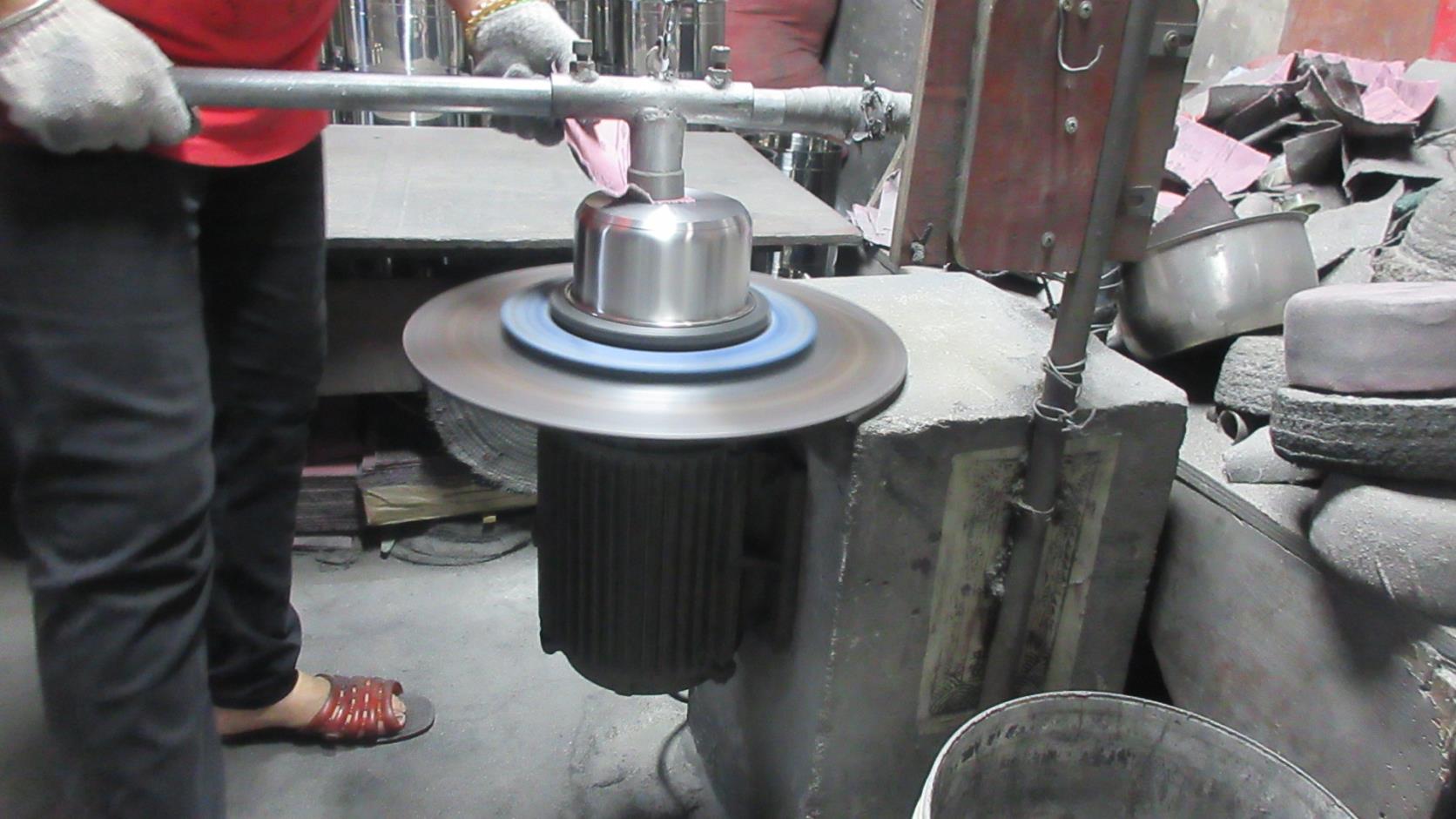
Beyond alloy chemistry, the surface topography of a taster spoon determines its hygiene and sensory properties. Any microscopic pits, ridges, or crevices left behind by mechanical tooling can trap proteins, lipids, and biofilms, causing microbiological contamination and cross-flavor contamination. Our taster spoons undergo advanced electrolytic mirror-polishing. This process smooths out microscopic valleys, achieving a surface roughness (Ra) value below 0.1 microns. This mirror finish facilitates fast sanitation cycles and ensures that the spoon does not harbor residual odors or bacteria.
Modern B2B procurement managers face strict compliance, safety, and logistical challenges. When importing stainless steel culinary implements into Europe, North America, or Oceania, compliance with regional import frameworks is crucial. Our CE certification serves as a primary trust asset, verifying that Kaus Kitchen taster spoons conform to all European health, safety, and environmental protection standards.
In addition to compliance, global buyers seek manufacturers capable of supporting scalable OEM/ODM customization. We support custom branding, tailored packaging, and custom spoon geometries. Whether sourcing for a multinational hotel chain, a food processing laboratory, or a promotional brand rollout, Kaus Kitchen handles the entire product cycle from raw material sourcing to direct port logistics.
Providing durable, stackable, and high-frequency dishwasher-safe tasting implements engineered for commercial catering chains and Michelin-starred establishments.
Specially designed long-handle tasting spoons crafted from SUS 316 for food labs, beverage formulation plants, and sensory profiling labs.
Every batch undergoes rigid testing, accompanied by material certification sheets, traceability reports, and direct factory compliance records.
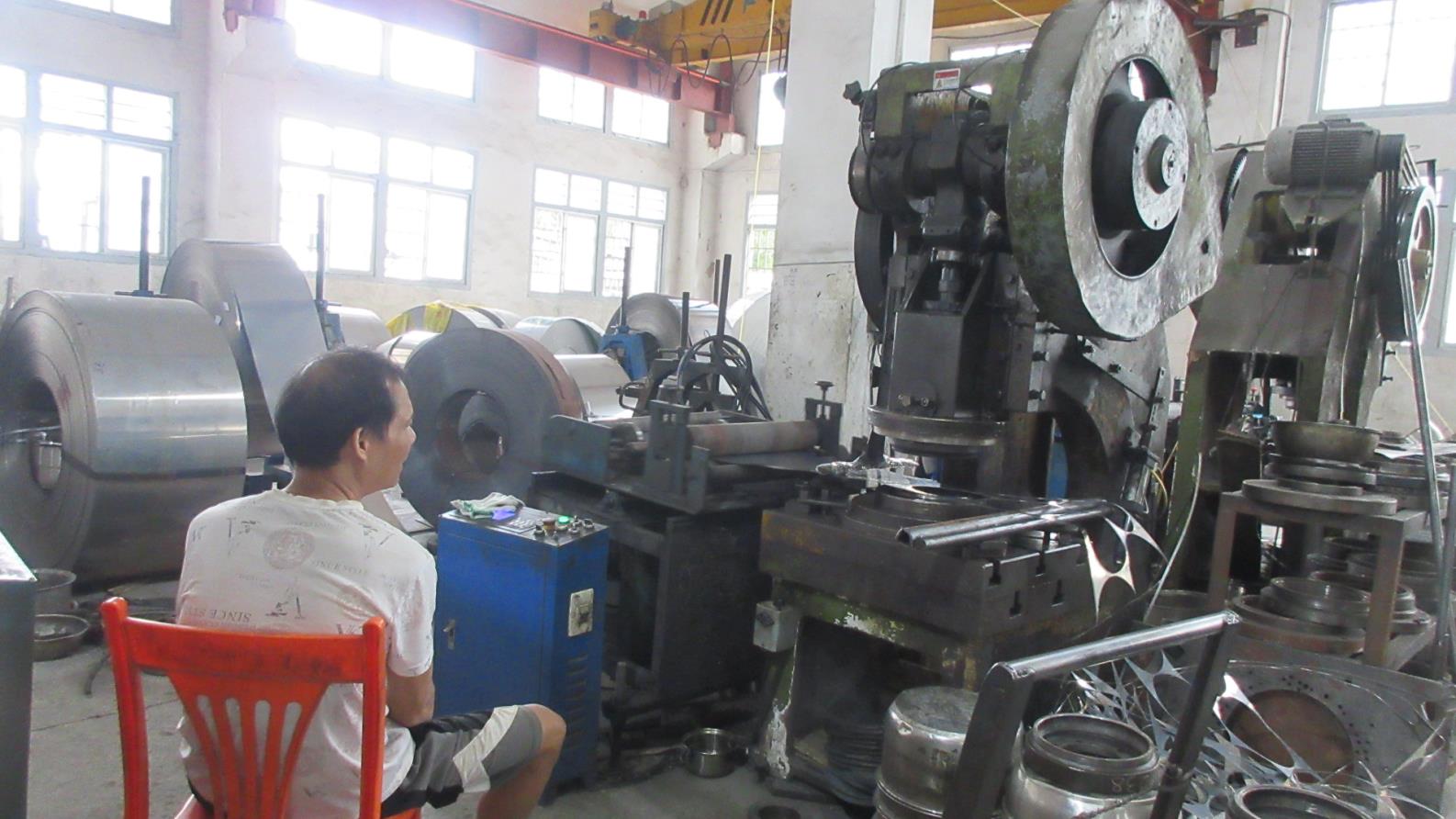
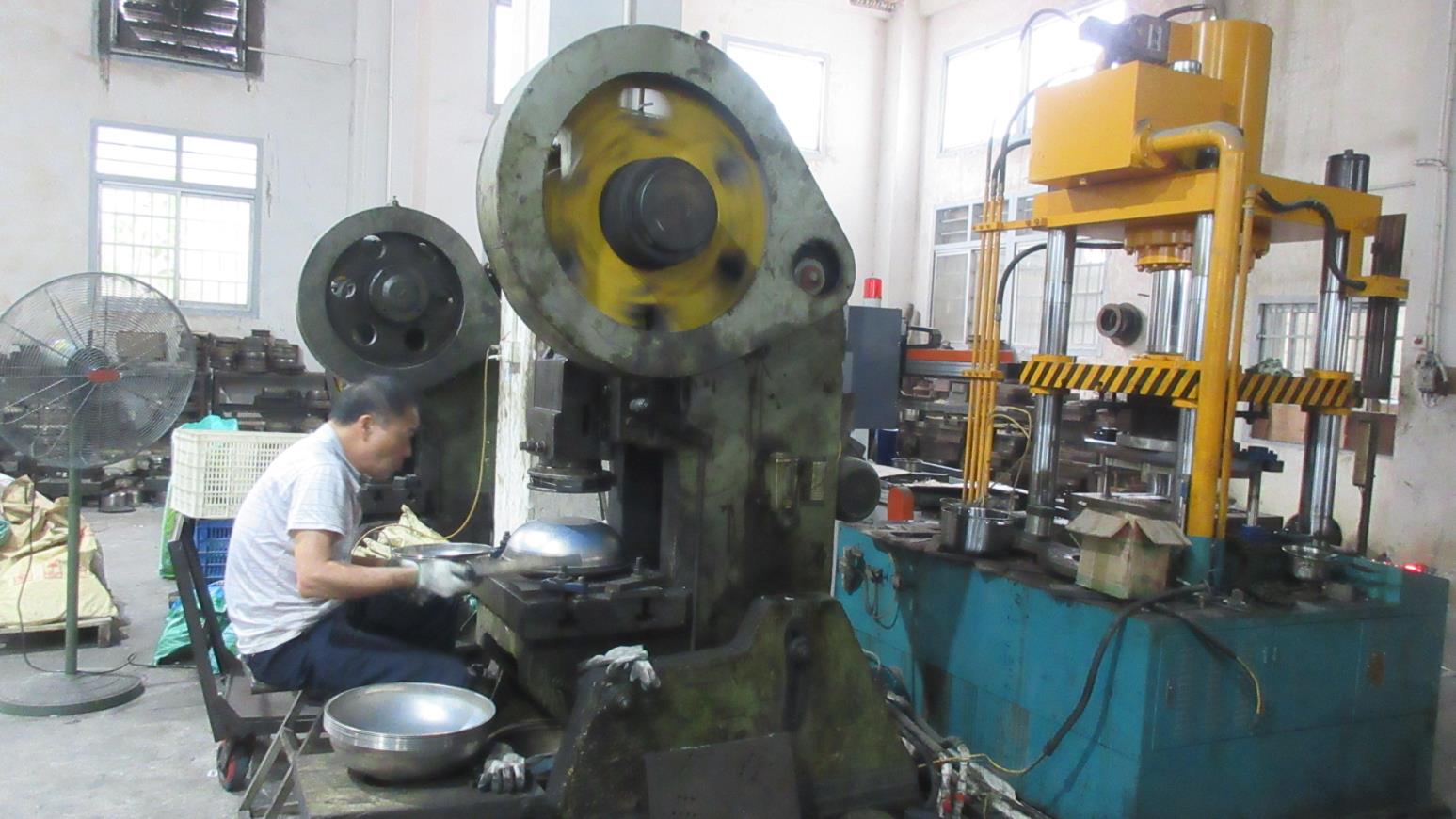
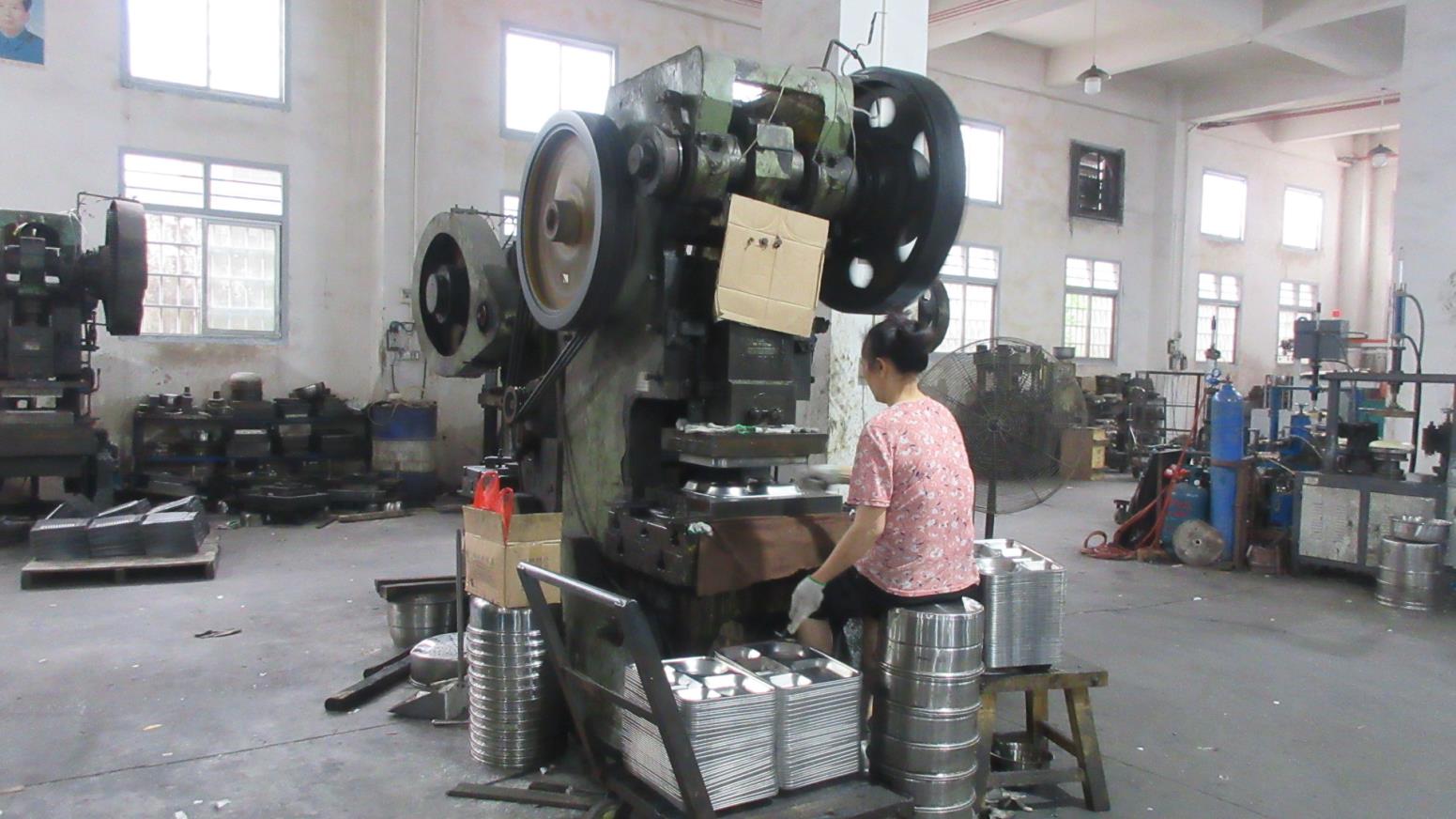
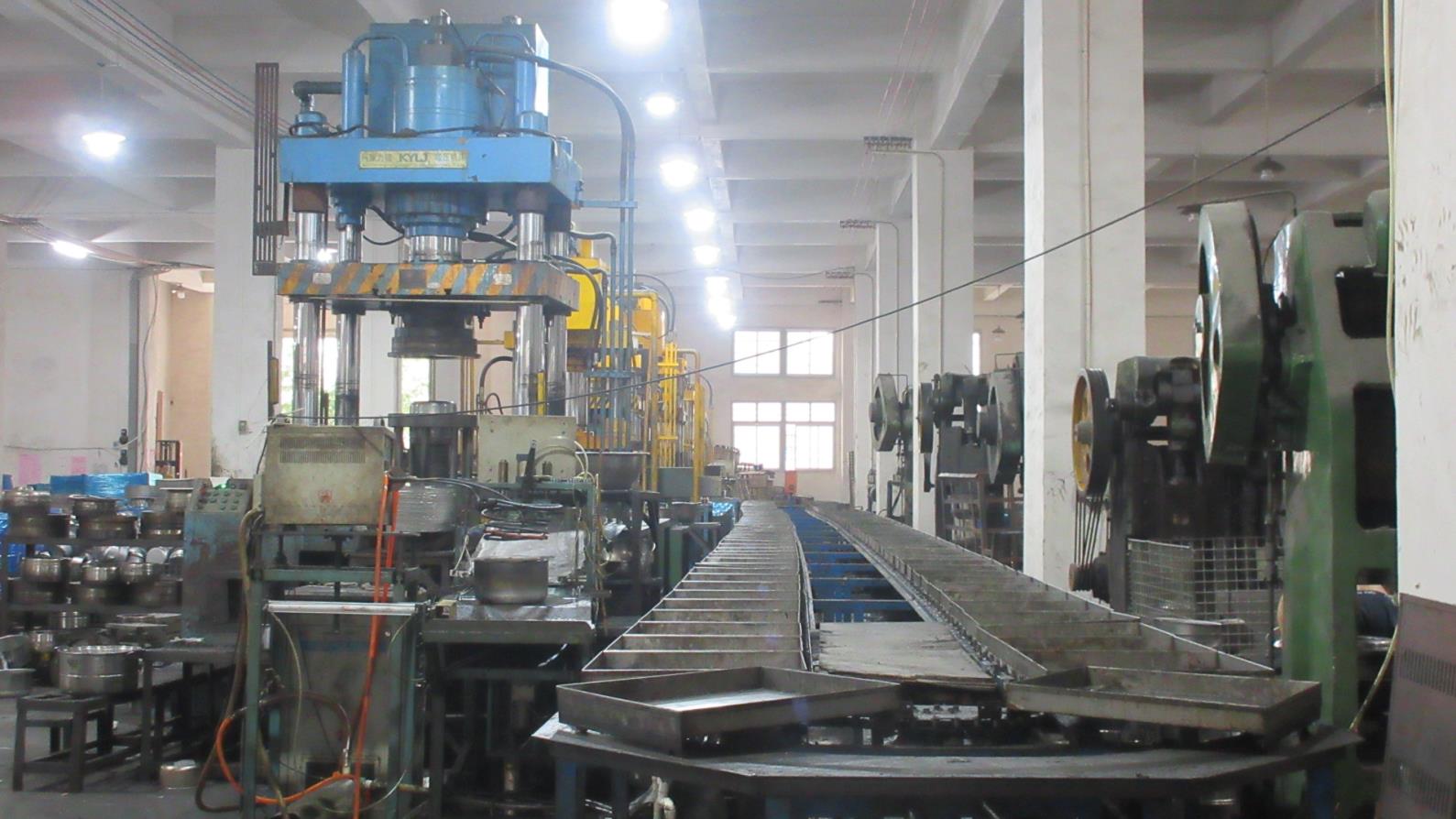
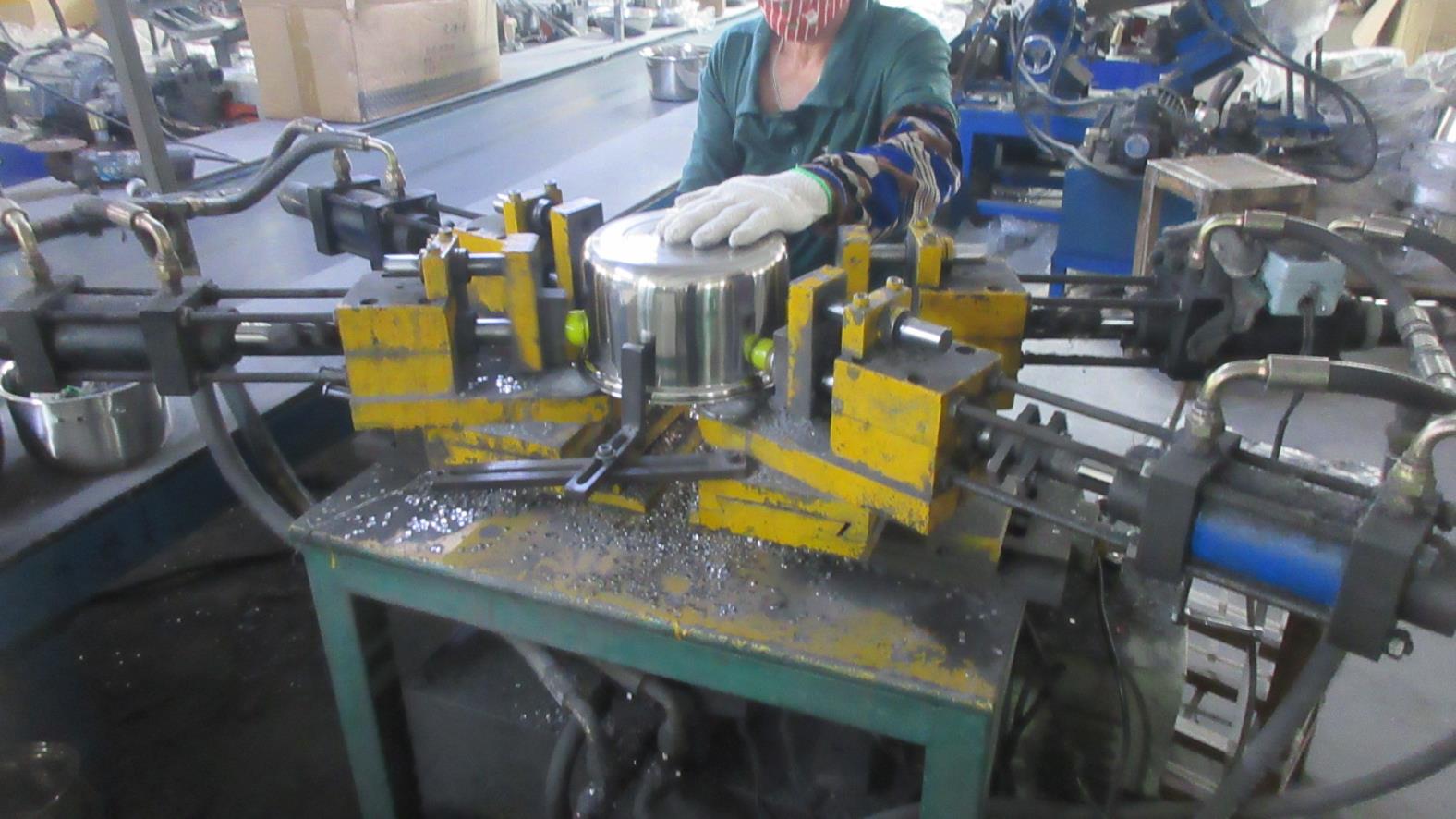
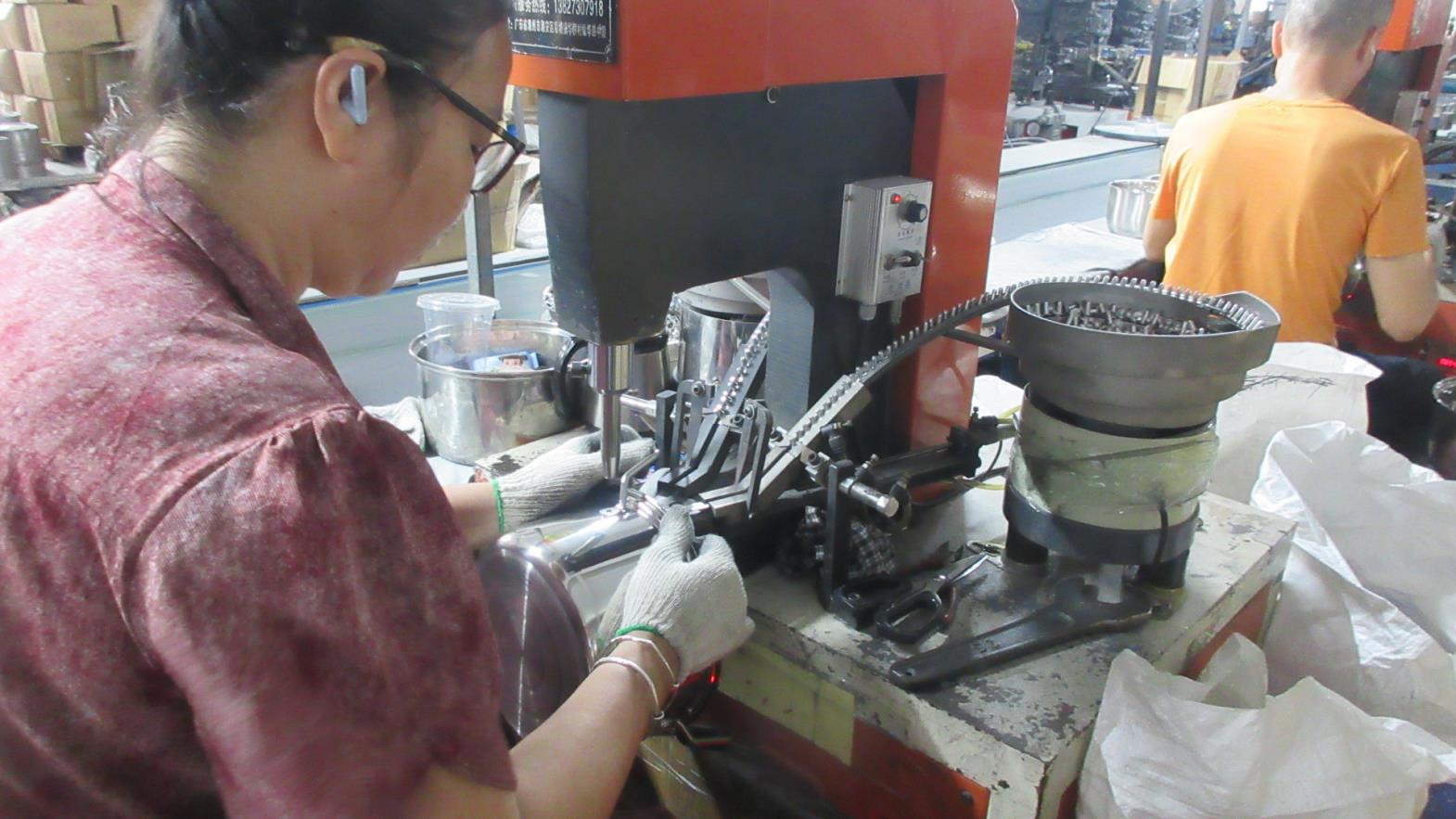
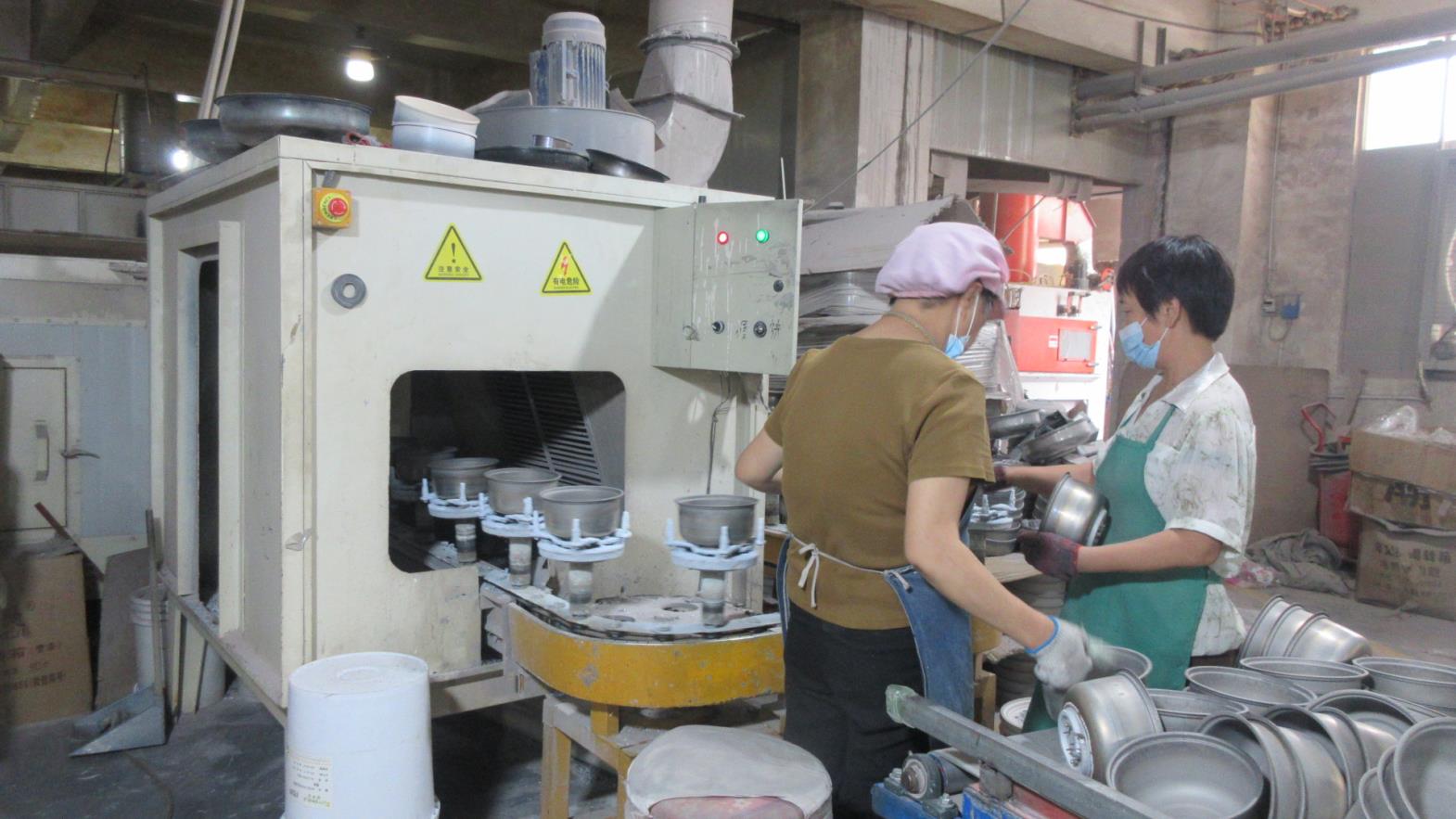
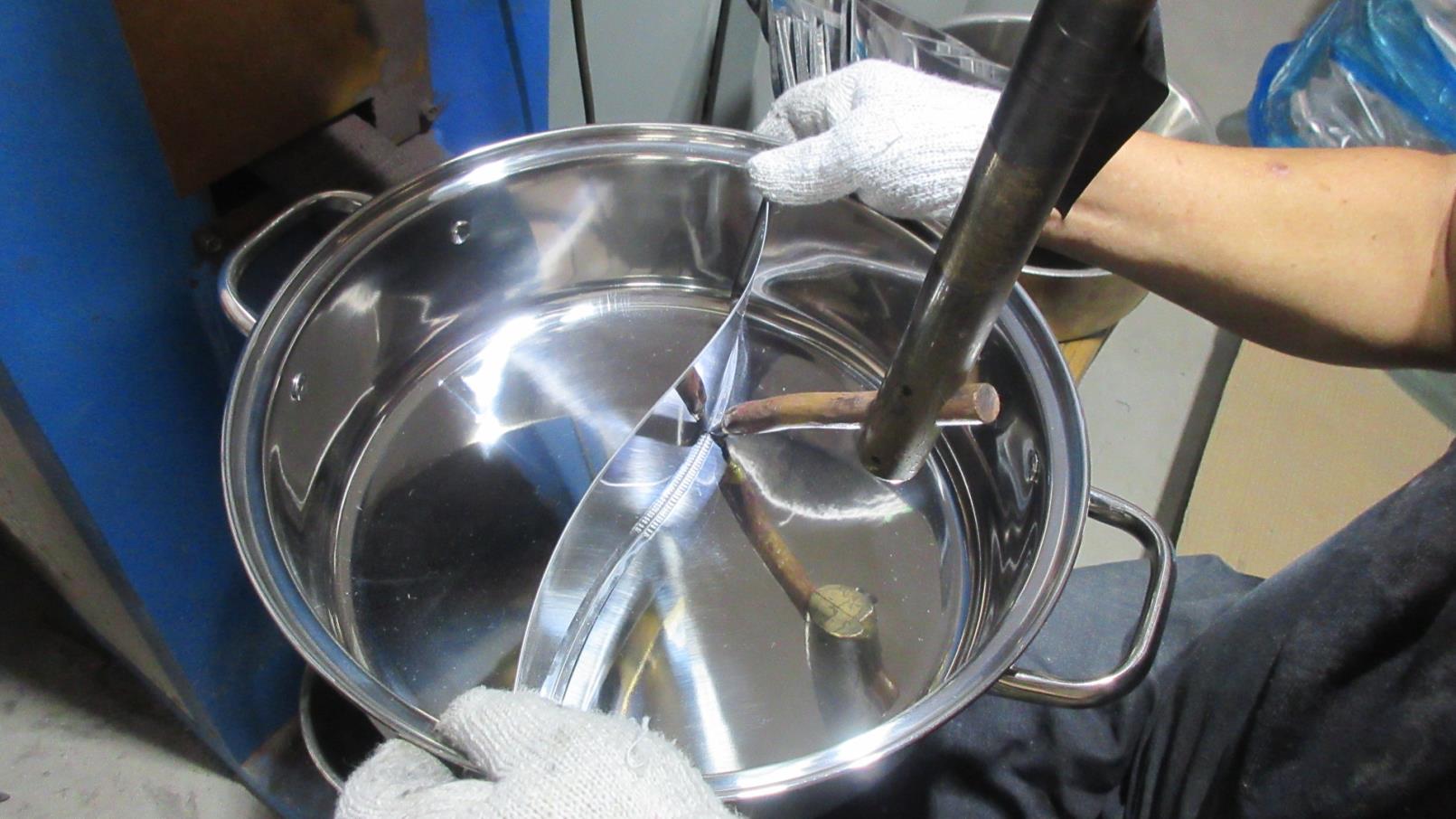
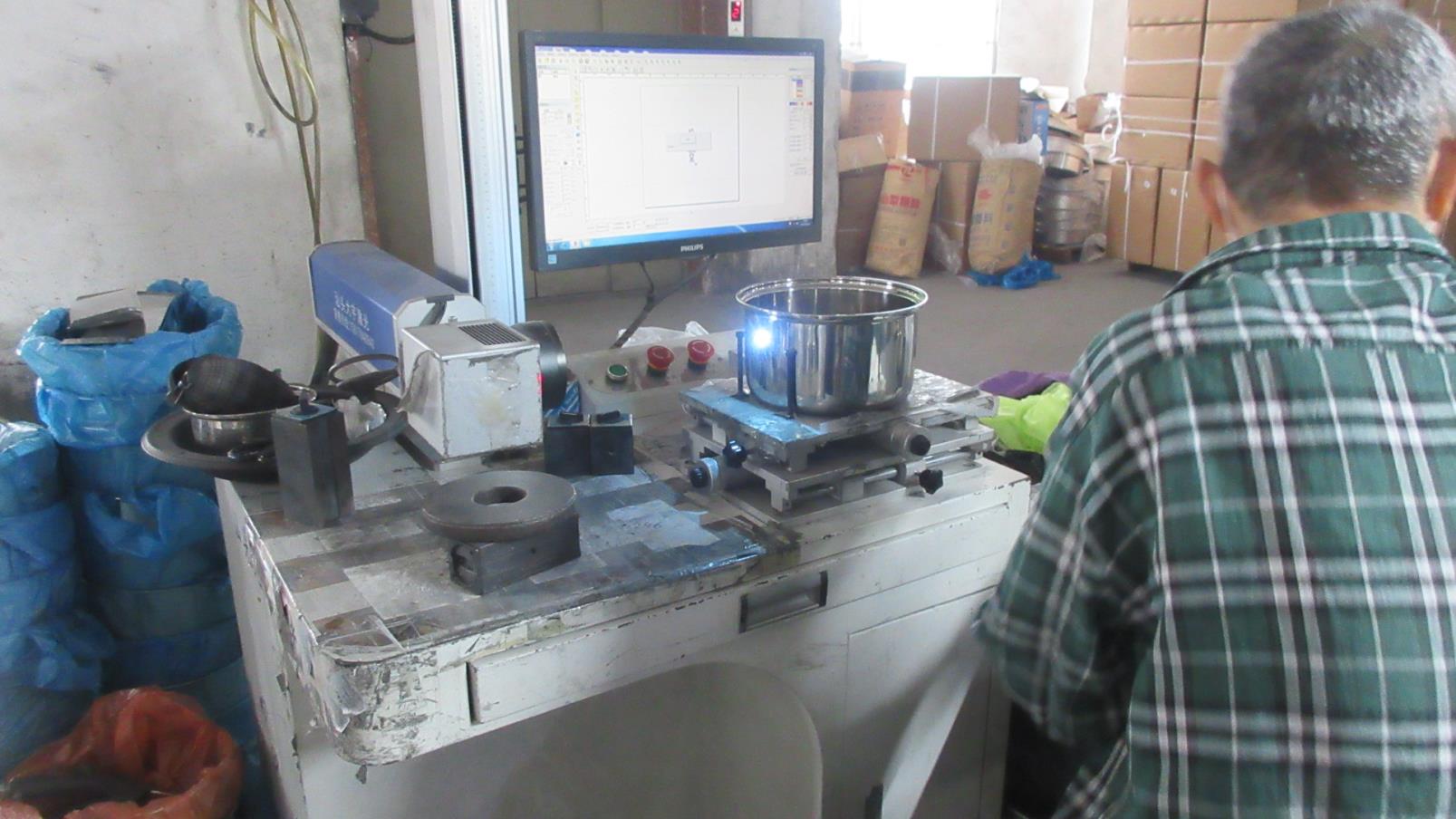
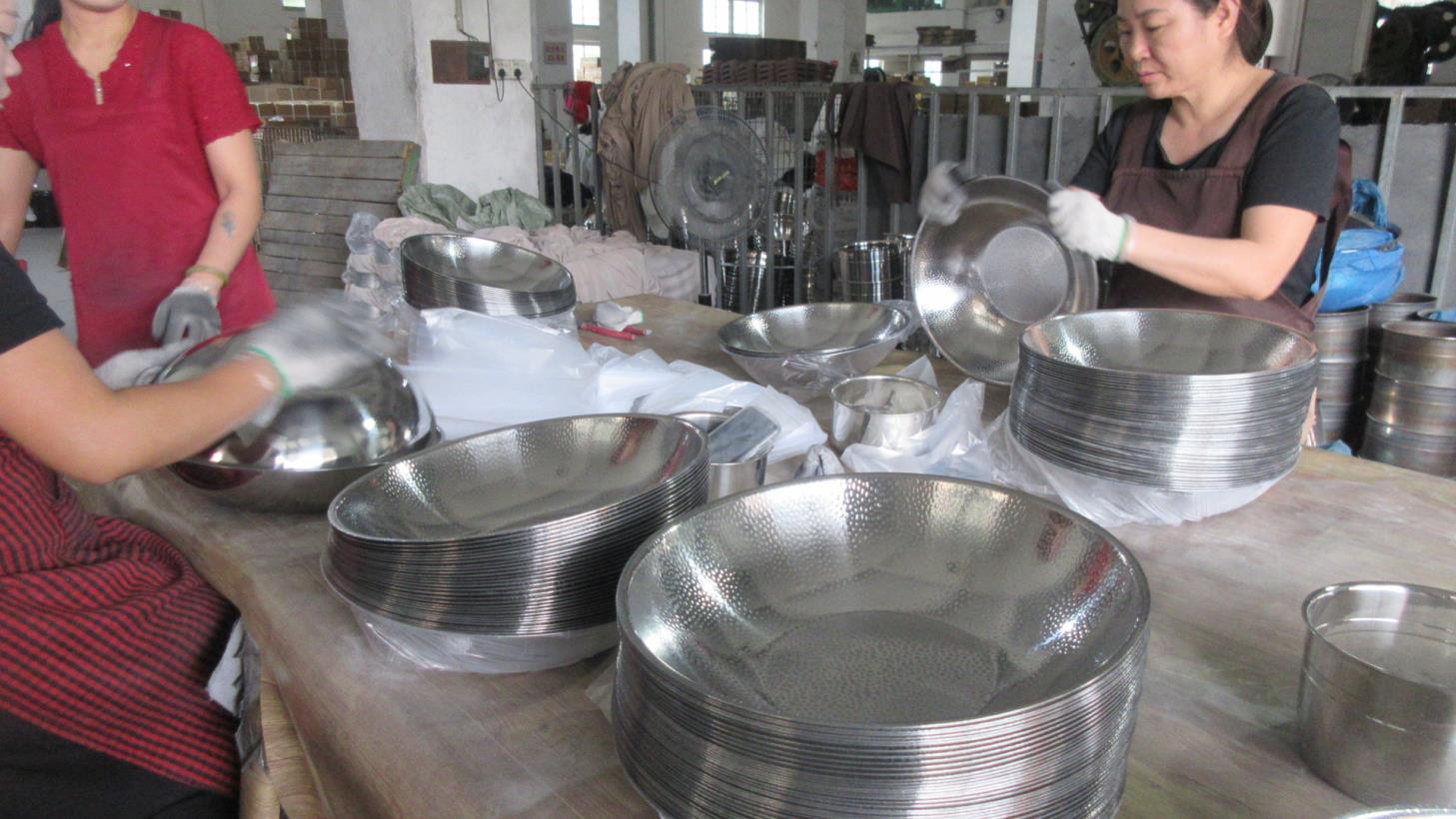
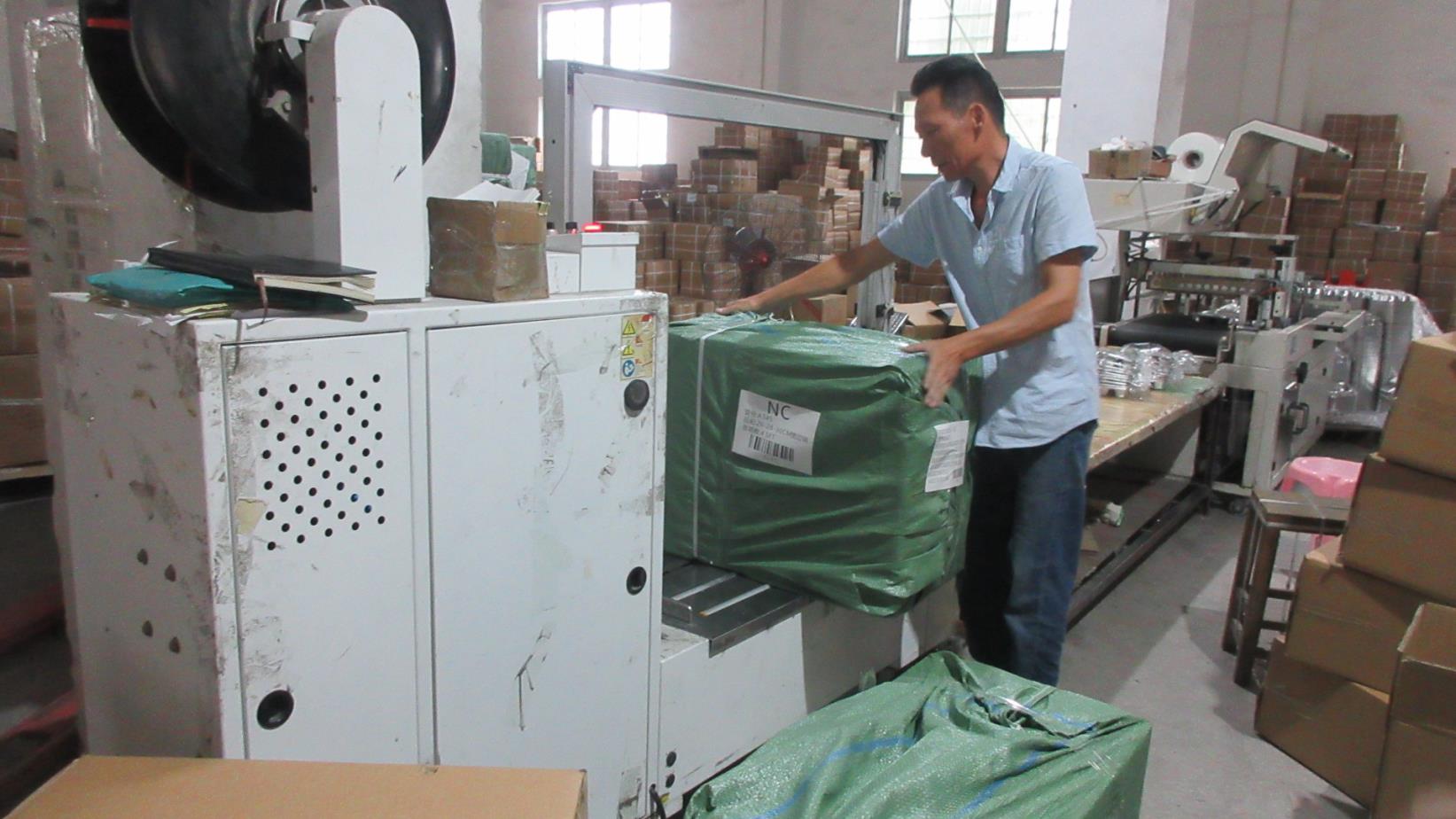
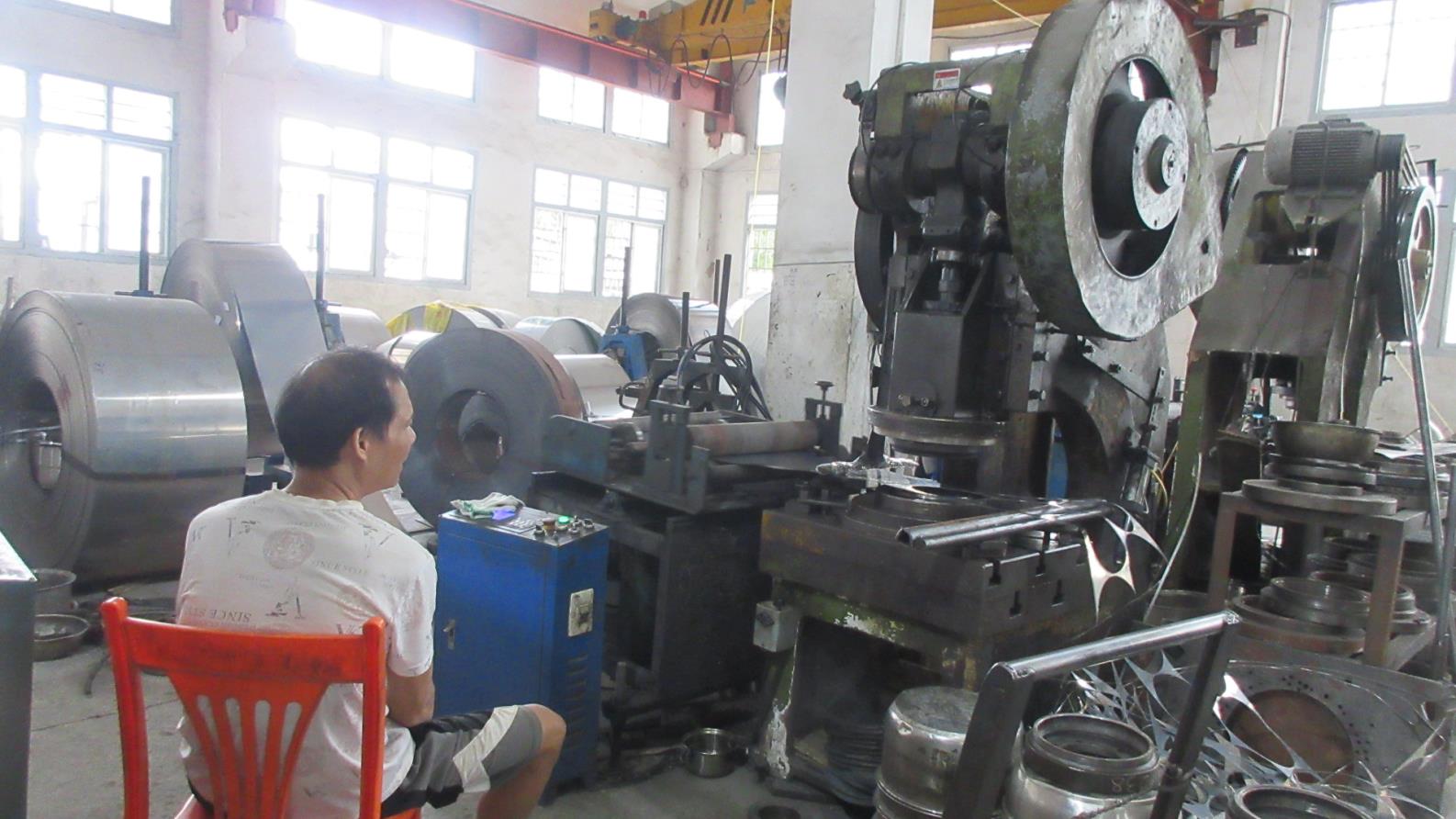
Take an inside look at how Guangdong Kaus Kitchen Co., Ltd. transforms raw metal alloy sheets into high-finish, CE-certified kitchen tools in our 30,000 sqm garden-style facility.
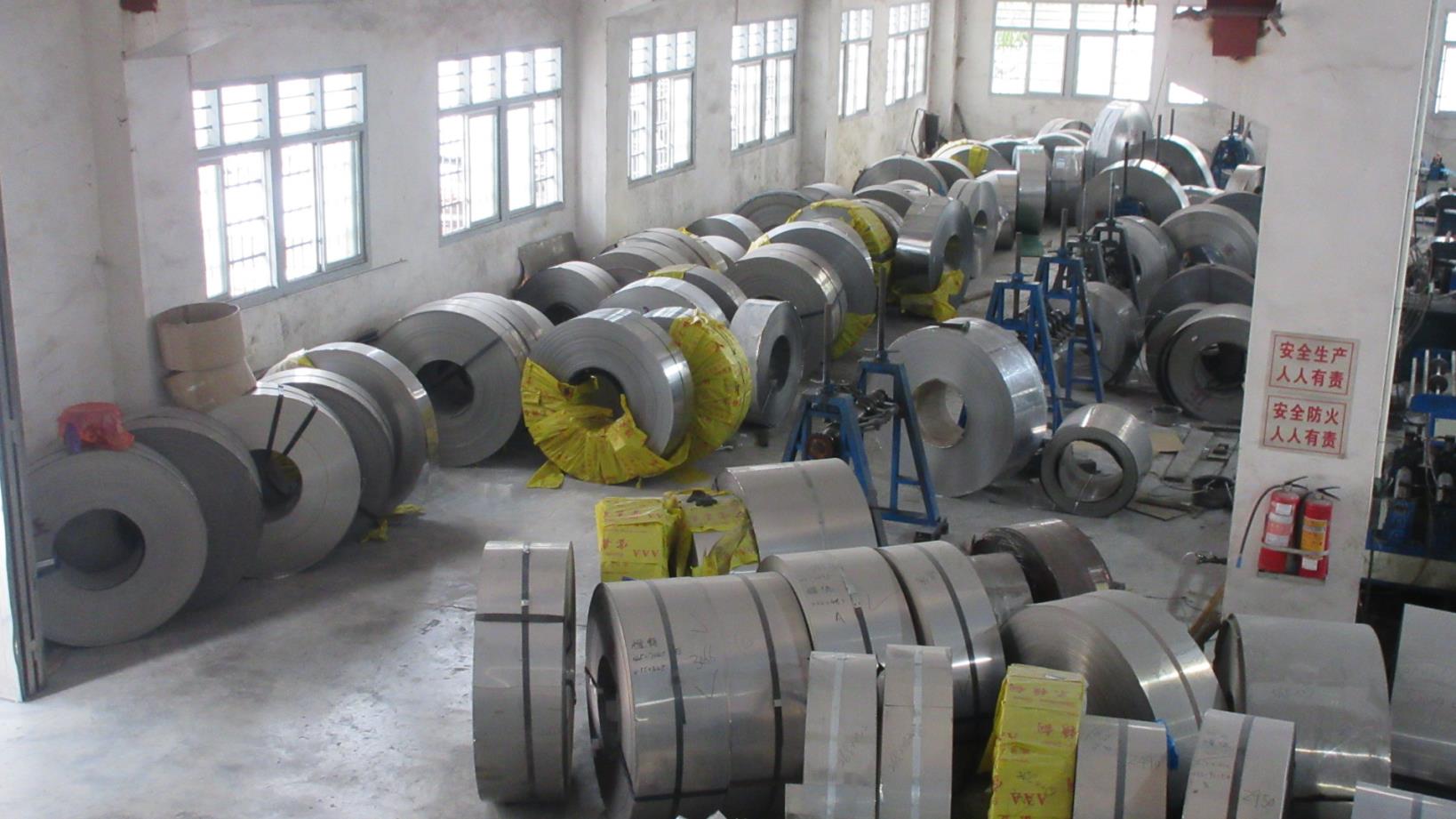
In response to global sustainability initiatives, Guangdong Kaus Kitchen Co., Ltd. has integrated green practices across our entire production timeline. Our ISO14001 certification underscores our dedication to minimizing our carbon footprint through systematic waste management, optimized metal recycling, and cleaner production technologies.
For B2B buyers seeking stable supplier partnerships, we offer strategic inventory programs and container consolidation services. By utilizing regional warehouses and working with major maritime carriers, we maintain stable lead times even during seasonal demand spikes. Our engineering department can work directly from your CAD files, using CNC tooling and rapid prototyping to produce bespoke spoon designs in as little as 15 days.
Looking ahead, the development of taster spoons is moving toward smart metallurgy and advanced surface engineering. Guangdong Kaus Kitchen Co., Ltd. is actively researching the application of hydrophobic nano-coatings. This technology reduces the adhesion force of dense liquids (such as syrups and heavy sauces), allowing them to slip off the surface during sensory analysis. This ensures that the tester receives the exact intended volume without residual waste.
We are also investing in automated robotic polishing arrays to achieve ultra-consistent edge contours. This technology reduces human variance, ensuring every spoon meets the exact geometric profiles required by professional coffee cupping (SCA) and olive oil tasting protocols.
Critical insights for B2B buyers, supply chain managers, and quality assurance specialists.
CE certification demonstrates that our taster spoons conform to essential European health, safety, and environmental protection standards. It ensures that the raw materials used do not contain harmful concentrations of heavy metals, preventing contamination of food products during sensory evaluation and culinary operations.
Yes, we provide complete mill test certificates (MTC) and chemical analysis reports for every shipment. This documents the exact chromium, nickel, and molybdenum content of the steel alloy used, verifying compliance with FDA, LFGB, and EU regulations.
For customized designs involving custom mold creation, prototyping takes approximately 15 to 20 days. Once the sample is approved, bulk production is completed within 30 to 45 days, depending on order volume and the complexity of the finish.
We use high-purity food-grade alloys and a specialized electrochemical passivation process. This forms a chemically inert oxide layer on the spoon, preventing metallic ion release and ensuring a neutral taste profile during evaluation of acidic or salty foods.
We offer high-definition fiber laser engraving, chemical etching, and custom mechanical stamping. Laser marking is recommended for food-service applications as it does not create deep crevices that could harbor bacteria, maintaining the spoon's hygienic properties.
Discover our high-efficiency commercial cooktops, pans, and frying units developed to support continuous food-service workflows.
 Kaus Kitchen