Explore our elite collection of high-durability stainless steel products engineered for high-throughput commercial and premium domestic food environments.
In modern commercial culinary practices, food manufacturing, and precision domestic baking, the demand for highly accurate, sanitary, and robust weighing instruments has surged. CE Certified Stainless Steel Kitchen Scales sit at the intersection of metrological accuracy and hygienic material science. Metrological standards such as OIML R76 and European Union Directive 2014/31/EU (for non-automatic weighing instruments) demand strict design parameters.
For international distributors, procurement managers, and commercial kitchen suppliers, sourcing from certified factories in mainland China is no longer merely about cost reduction. Today, the focus has shifted toward compliance, materials durability, and engineering standards. A kitchen scale must withstand exposure to corrosive organic acids, moisture ingress during high-pressure washdowns (IP65 to IP67 standards), and repeated mechanical impacts. Thus, utilizing SUS304 or SUS316 austenitic stainless steel is crucial for maintaining resistance to pitting and structural stress.
"Global supply chains now prioritize suppliers who integrate CE marking compliance (covering Electromagnetic Compatibility (EMC) Directive 2014/30/EU and Low Voltage Directive 2014/35/EU) alongside rigorous food contact safety certificates such as FDA and EU 1935/2004."
Stainless steel remains the premier choice for professional kitchen scales due to its unique microstructural features. Unlike plastics or low-grade alloys, high-grade stainless steel contains at least 18% chromium and 8% nickel (commonly referred to as 18/8 or AISI 304). This chemical composition creates a passive self-healing chromium oxide layer on the scale surface, protecting it from:
How Kaus Kitchen integrates advanced hardware configurations to guarantee precision, safety, and long-term durability.
Full conformance to European Standards (EN 61326-1 for electrical safety, emission, and immunity parameters). Guaranteed calibration stability even near induction cookers.
Application of hydrophobic and oleophobic thin-film coatings over the brushed stainless steel plate to minimize maintenance costs in busy industrial kitchens.
Integrates advanced compensation systems to reduce thermal drift. Ensures 0.1g resolution with linear deviation under 0.05% across the entire capacity range.
To ensure a scale remains reliable under harsh operating environments, manufacturers must focus on both sensor insulation and structural engineering. The kitchen scale consists of three main systems: the structural frame, the strain gauge load cell, and the PCB microprocessing unit. Moisture and temperature fluctuations are the primary points of failure for these instruments. When warm ingredients are placed on the scale, local temperature gradients can cause standard metal load cells to expand unevenly, leading to inaccurate readings.
To prevent thermal drift, high-quality manufacturers implement temperature-compensating resistors within the load cell circuit. Additionally, the outer shell is engineered to guide liquid spills away from internal circuitry.
| Specification Parameter | Standard Kitchen Scale Specification | Industrial Grade & Commercial Specification |
|---|---|---|
| Primary Material | AISI 304 Stainless Steel Platter, ABS Base | Full AISI 304 / 316 Stainless Steel Enclosure |
| Ingress Protection (IP) | IP54 (Splash-resistant) | IP67 to IP69K (Full washdown compatible) |
| Calibration Drift Rate | < 0.1% over 10,000 cycles | < 0.02% over 50,000 cycles |
| Compliance Certification | CE, RoHS, LFGB | CE, OIML Class III, NSF/ANSI Food Equipment |
The commercial weighing scale industry is undergoing a digital transformation. The integration of Bluetooth Low Energy (BLE) and Wi-Fi modules allows scales to transmit data in real-time to Kitchen Display Systems (KDS) and enterprise inventory tracking software. This facilitates precise ingredient portion control, reduces waste in commercial bakeries, and automates recipe formulation records for food manufacturers.
Furthermore, environmental directives are prompting factories to transition toward eco-friendly processes. Guangdong Kaus Kitchen Co., Ltd. is leading this shift by integrating lead-free soldering and adopting recyclable polymer materials for battery compartments and support structures.
A state-of-the-art manufacturer specialized in premium food-grade stainless steel products.
Guangdong Kaus Kitchen Co., Ltd. is located in the vibrant and economically dynamic region of the Chaoshan plain in Shantou, Guangdong Province, an area renowned for its strong manufacturing foundation and rich tradition in stainless steel and kitchenware production.
The company is a modern, comprehensive enterprise integrating research and development, manufacturing, sales, and service, specializing in high-quality stainless steel kitchenware, hotel supplies, and household tableware products. Guided by the core business philosophy of “quality first, customer foremost,” Kaus Kitchen is committed to delivering durable, safe, and innovative kitchen solutions to global customers.
The company has obtained ISO9001 International Quality Management System certification and ISO14001 Environmental Management System certification, ensuring strict standards in product quality control and sustainable production practices. In addition, several of its products have passed national safety and compliance certifications, including CCC certification for applicable electrical or regulated items.
Through continuous innovation and technological investment, Guangdong Kaus Kitchen Co., Ltd. has been awarded multiple honors such as “Guangdong Famous Brand Product” and “Guangdong Contract and Credit Enterprise,” reflecting its strong reputation in both domestic and international markets. The company also holds a number of patents in product design and manufacturing processes, demonstrating its commitment to innovation and product differentiation.
With a modern production base covering approximately 30,000 square meters, the company operates in a well-planned garden-style industrial park featuring advanced manufacturing facilities, efficient logistics systems, and a comfortable office environment. A dedicated workforce of over 100 skilled employees ensures stable production capacity and consistent product quality.
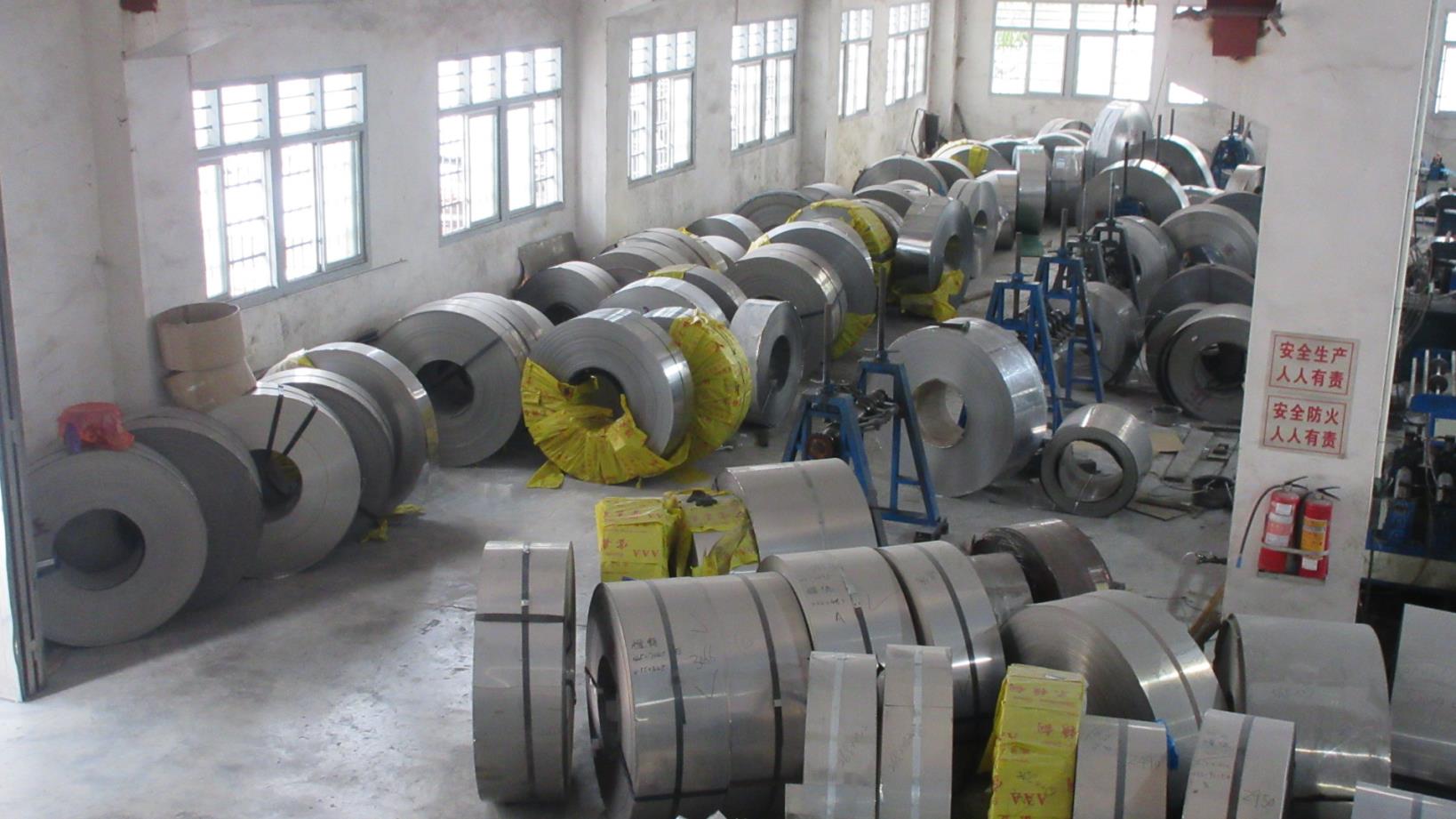
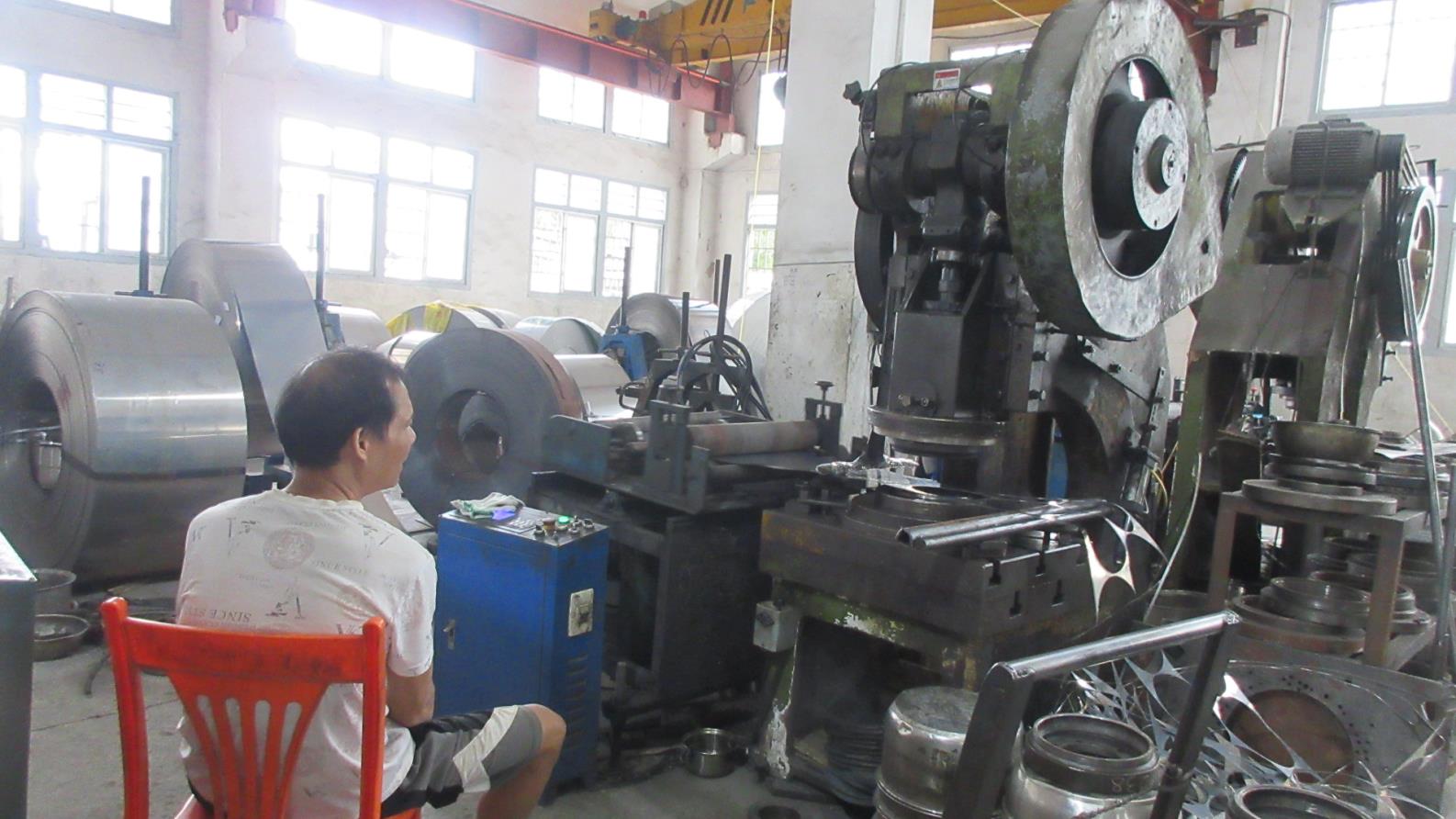
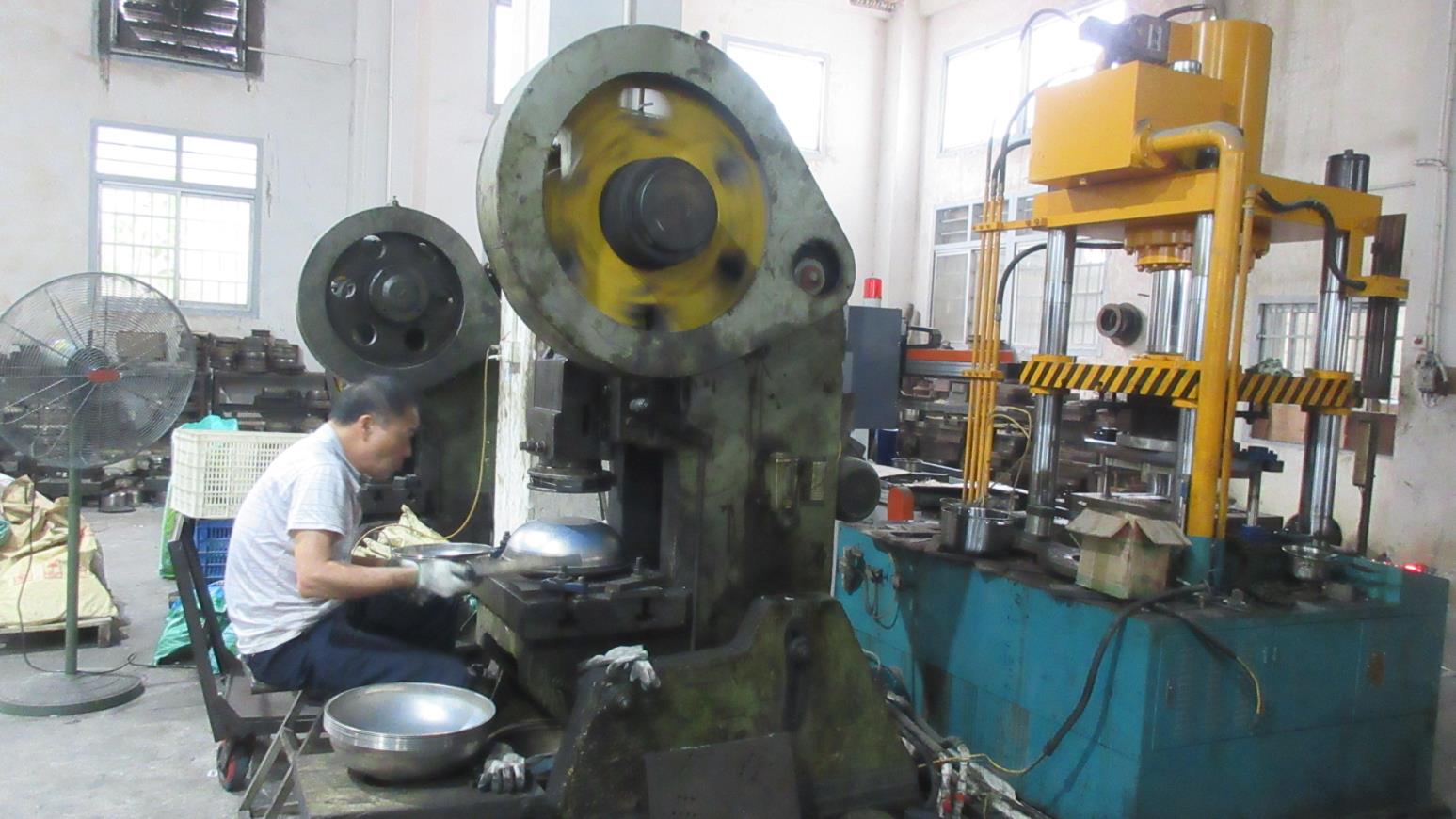
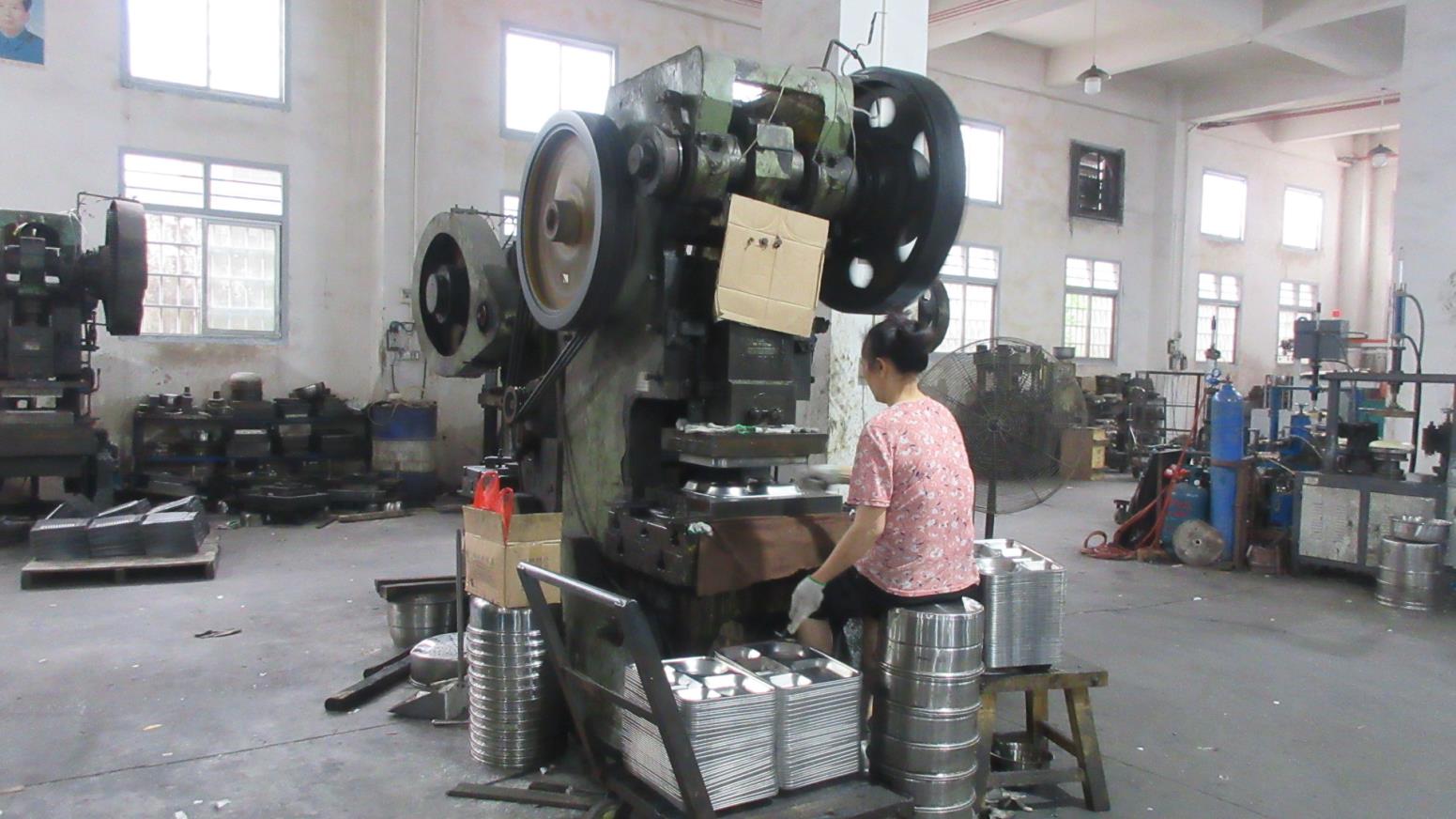
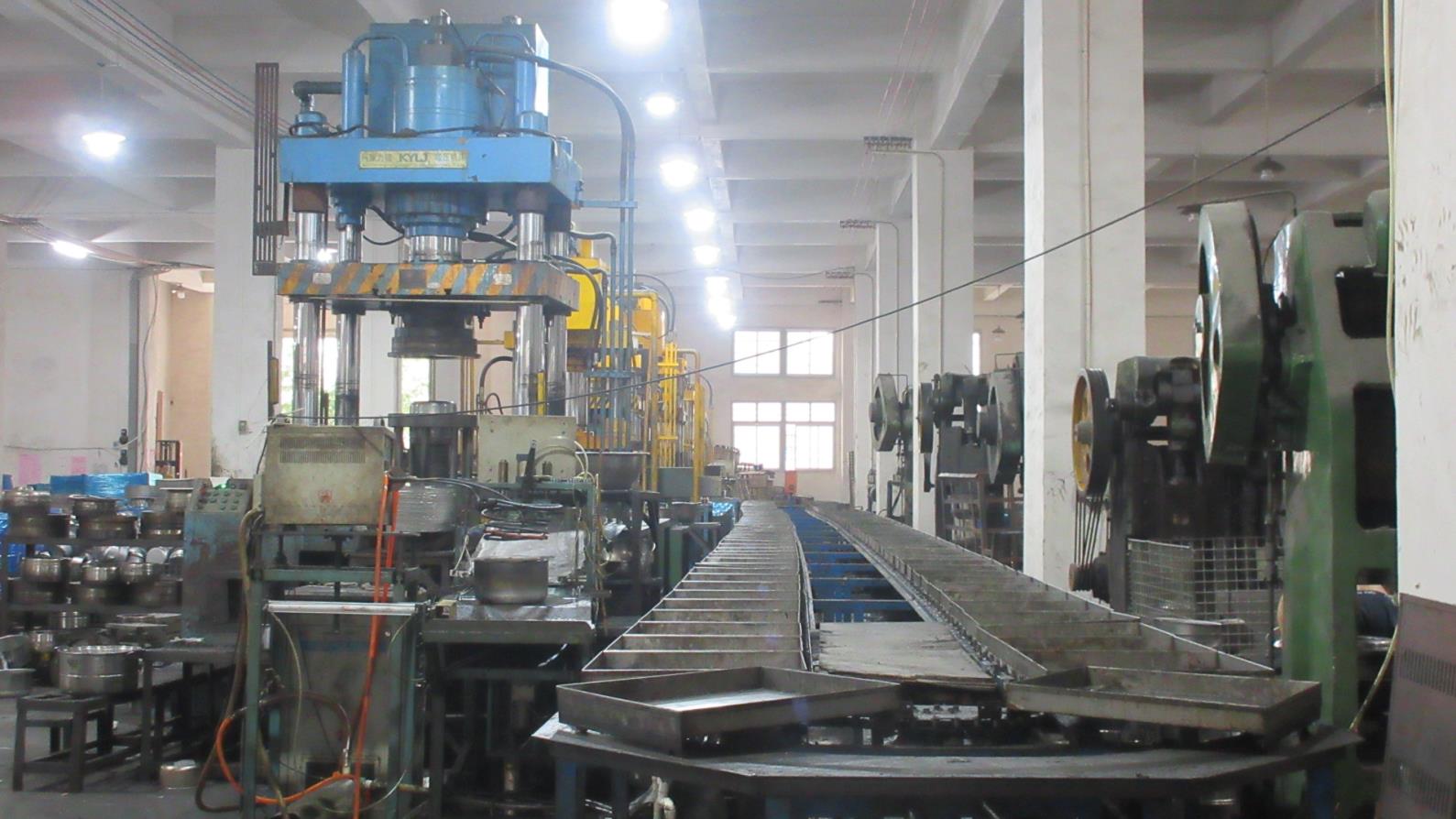
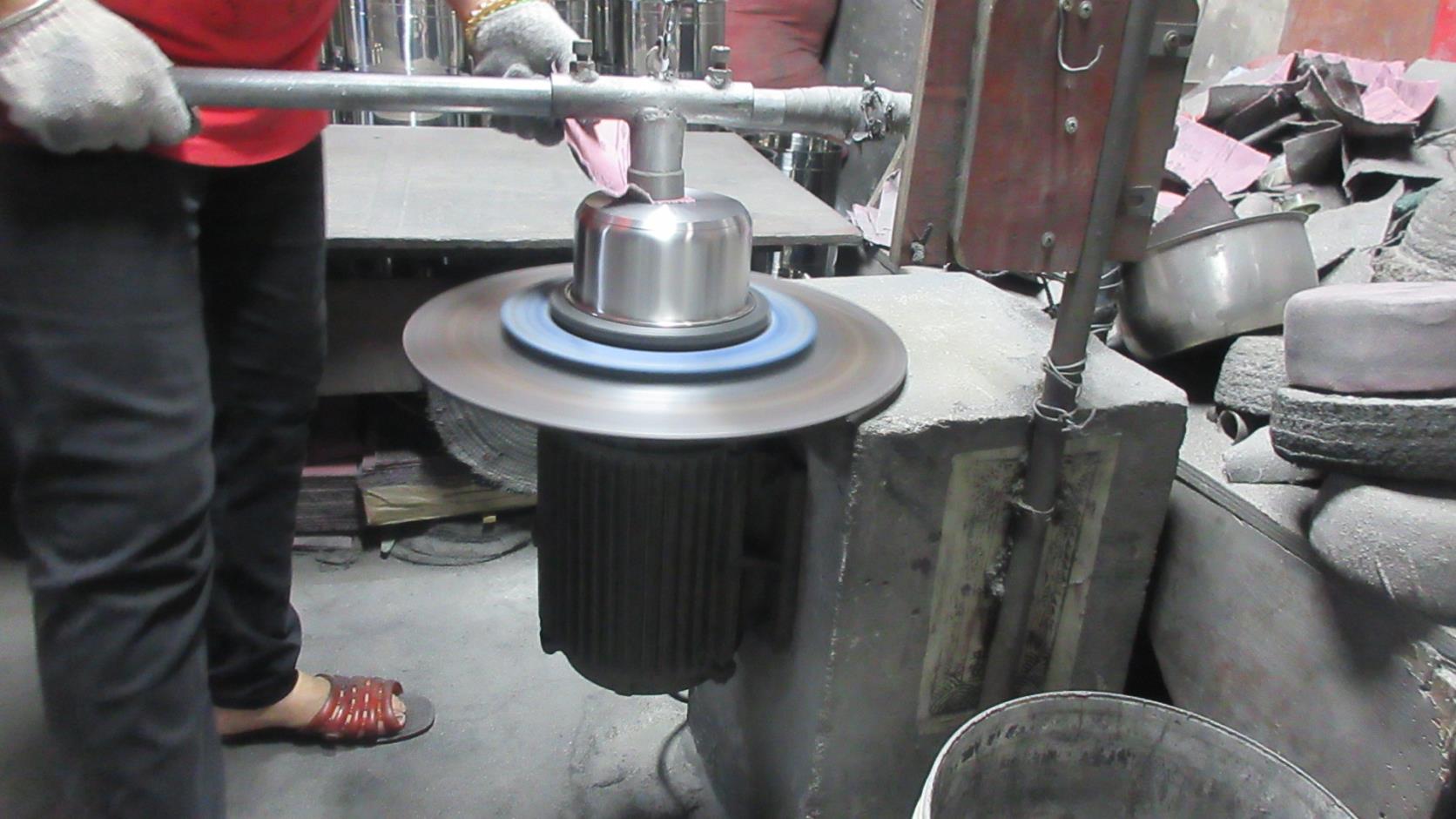
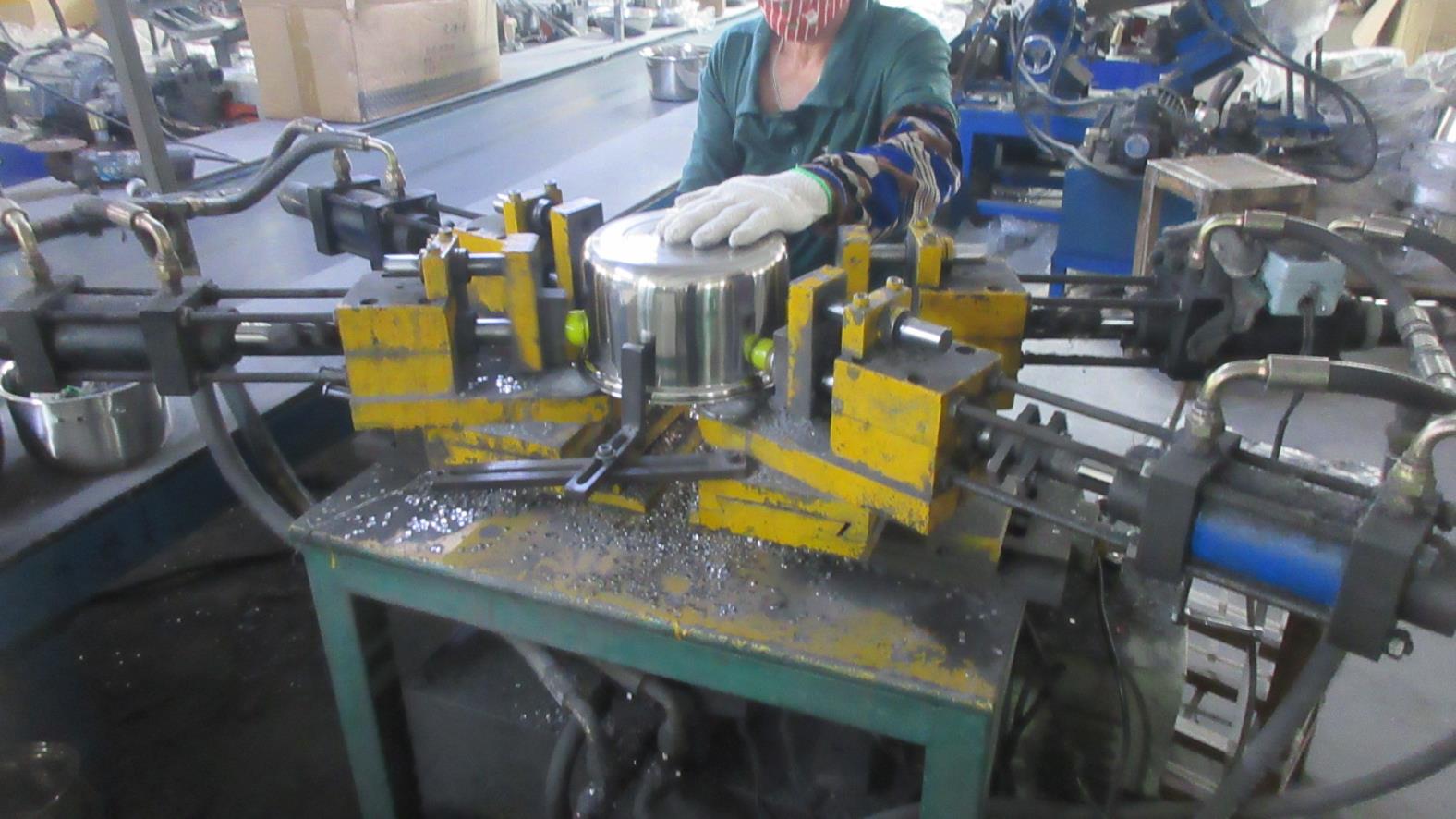
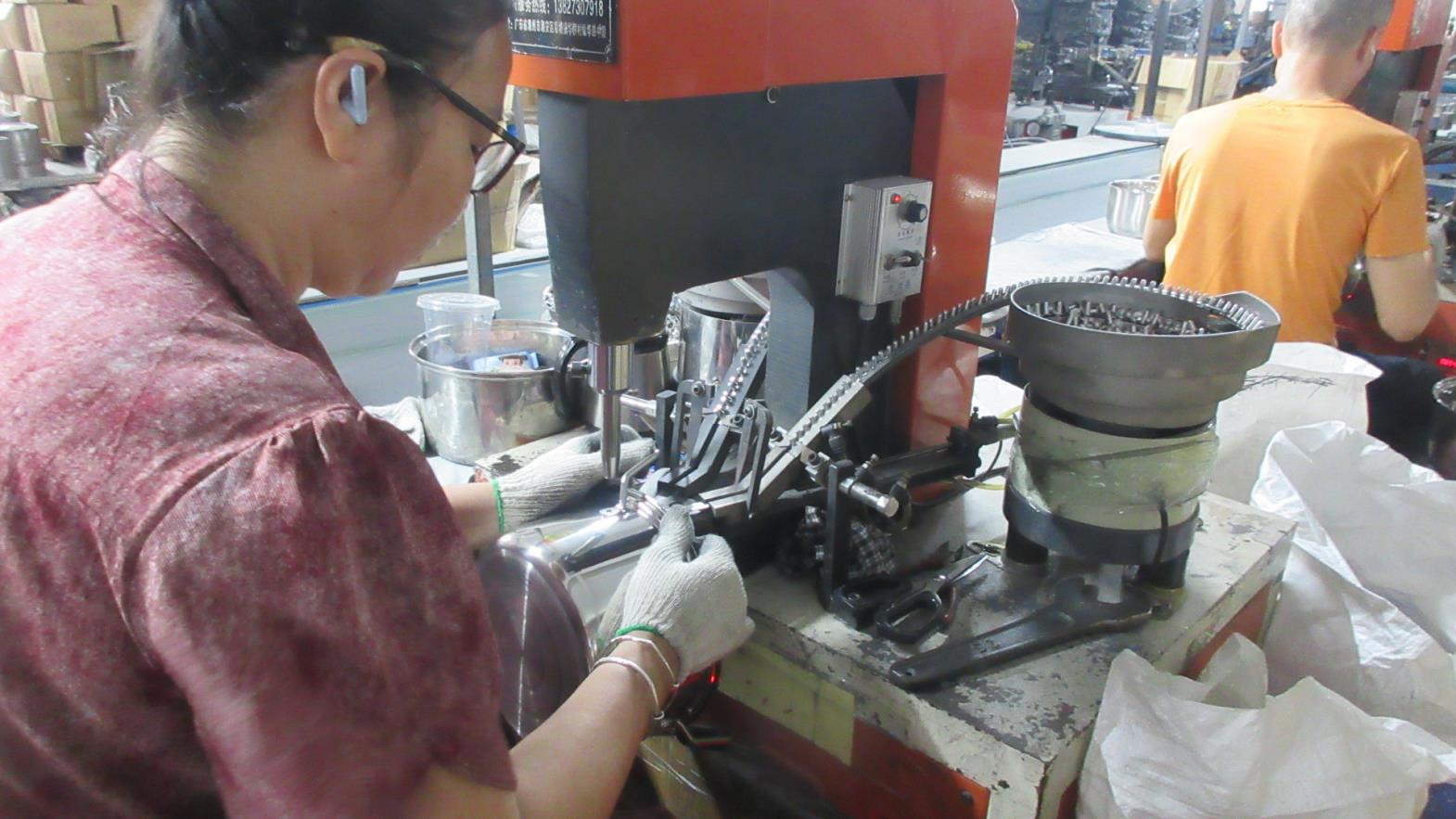
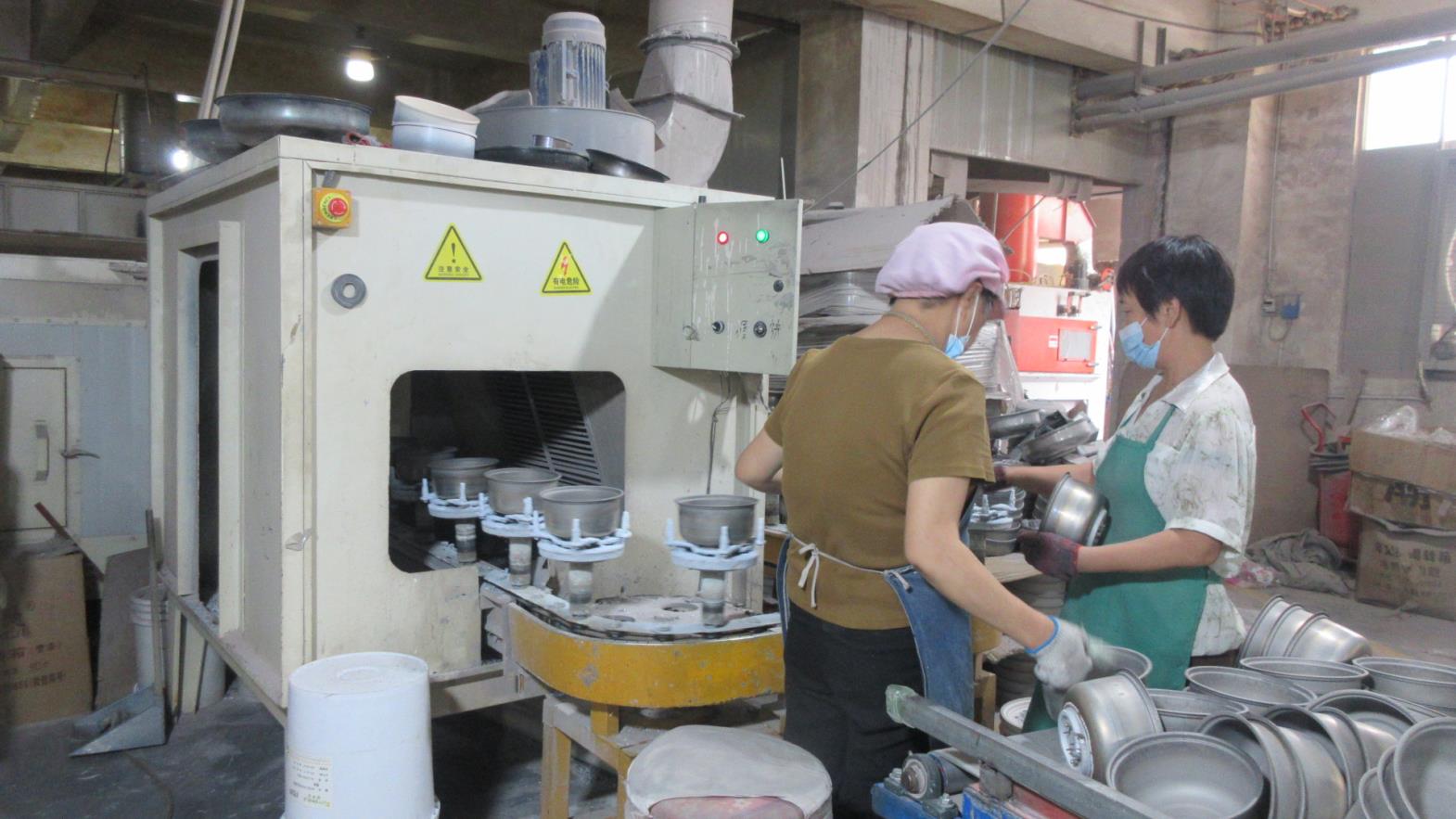
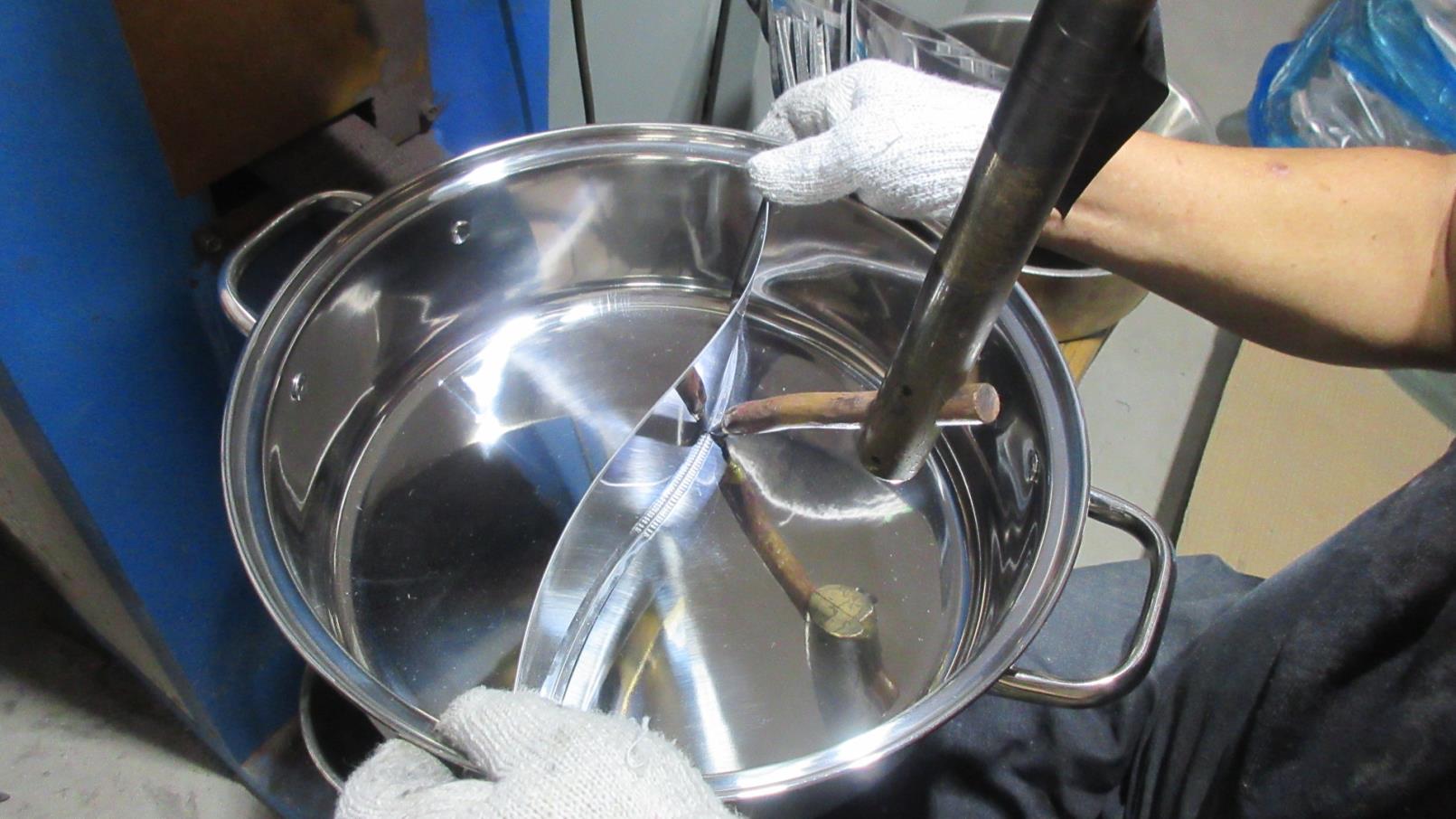
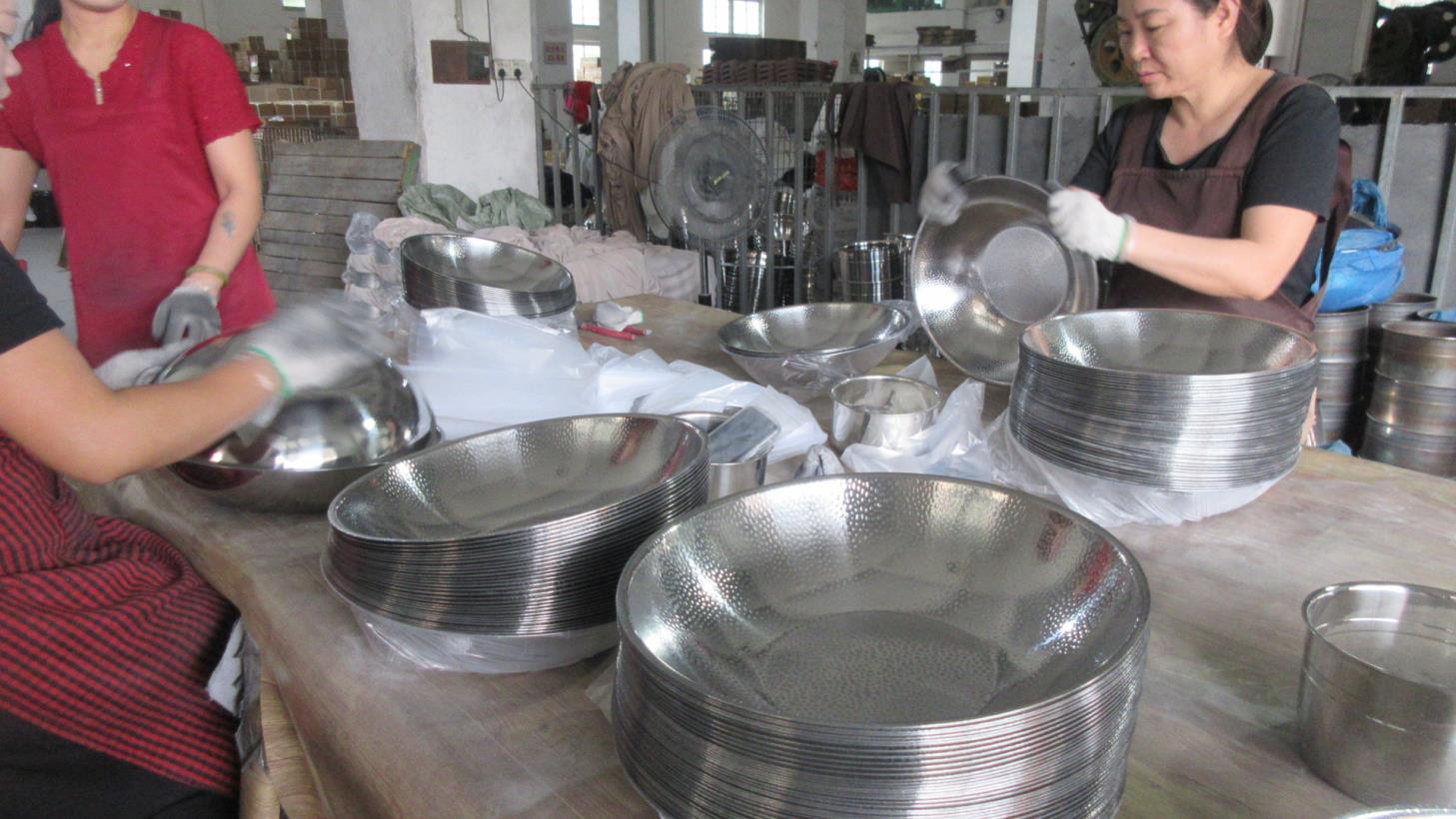
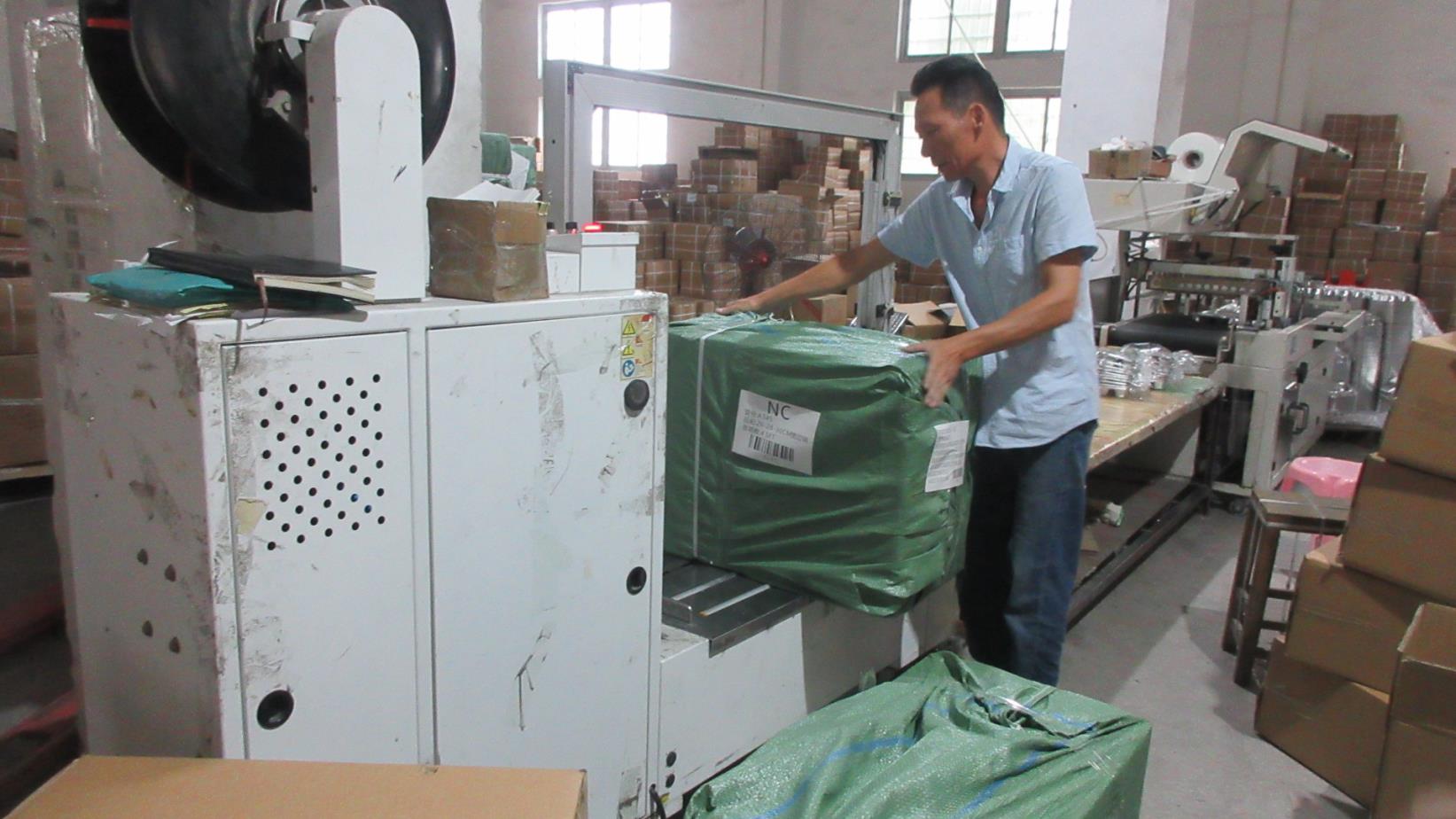
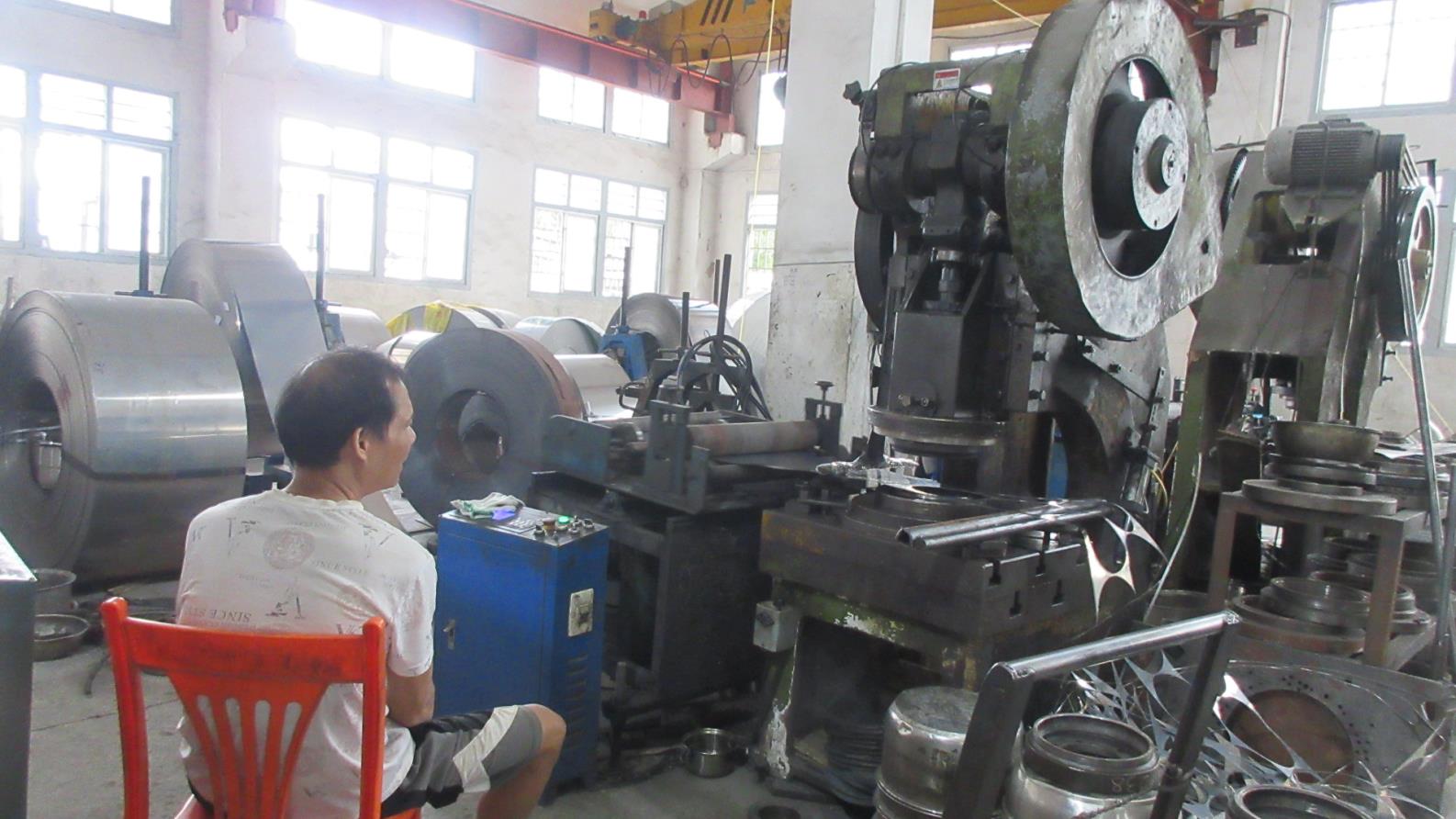
For enterprise-level buyers and global retail chains, conducting strict factory audits is a necessary component of supply chain security. An audit of a kitchen scale factory assesses not only mechanical efficiency but also calibration consistency. Standard protocols inspect how load cells are mounted and calibrated. Since gravity values vary by latitude and altitude, high-quality manufacturers conduct local gravity compensation procedures during final quality checks (FQC) to match the delivery destination.
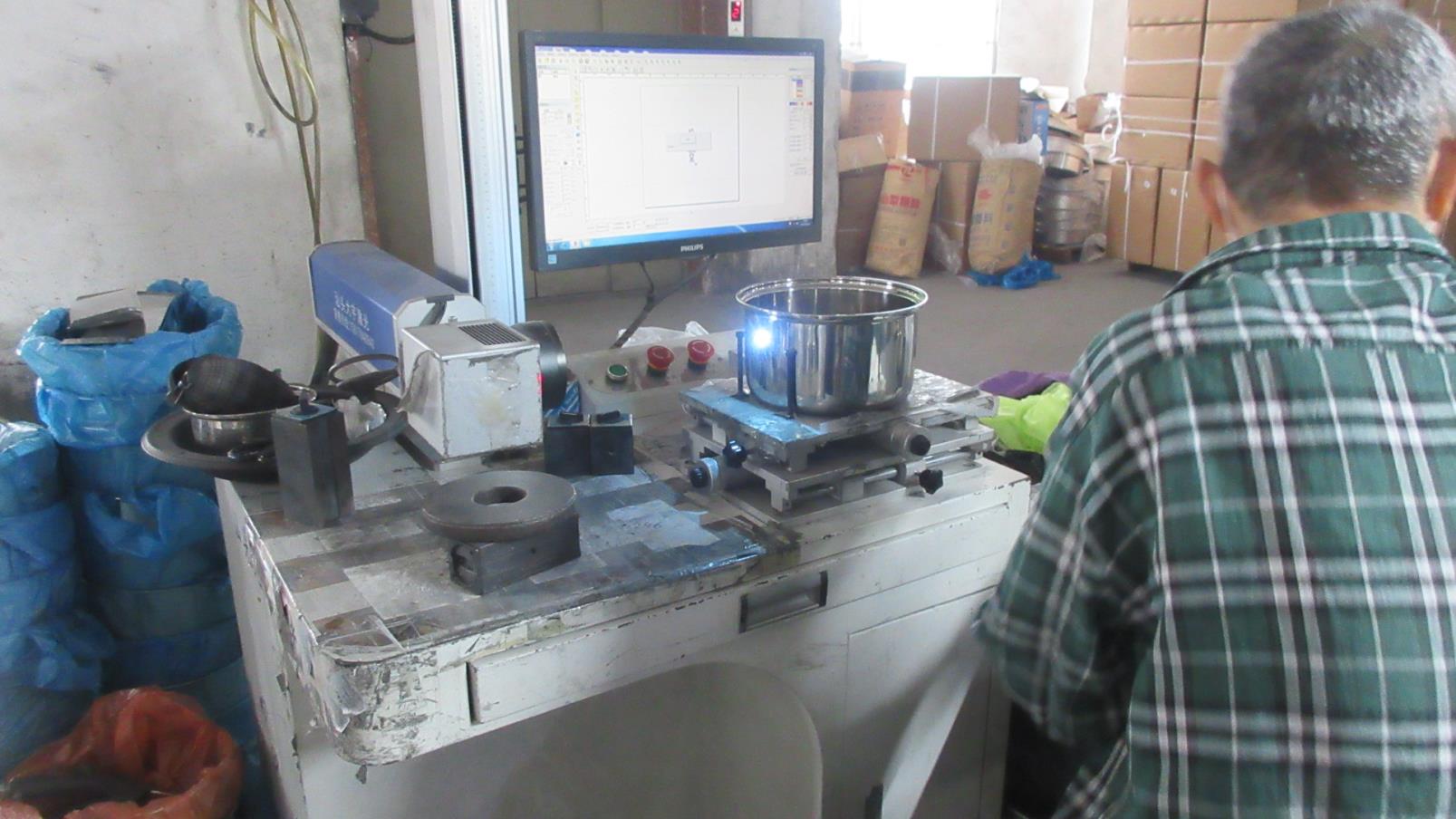
Furthermore, our manufacturing line integrates laser marking machines. This enables permanent branding and trace markings directly onto the stainless steel plate, avoiding the use of adhesive labels that can peel off and harbor bacteria.
The CE mark indicates that the product complies with EU health, safety, and environmental standards. For weighing instruments, this involves testing under the Electromagnetic Compatibility (EMC) Directive. Electrical fields from kitchen appliances like induction cooktops, microwave ovens, or even high-power restaurant blenders can disrupt non-shielded scales. Proper PCB layout design and metal shielding are integrated into Kaus Kitchen’s products to prevent interference and ensure accurate measurements in commercial environments.
Answers to critical technical and logistical questions about stainless steel scale manufacturing and compliance.
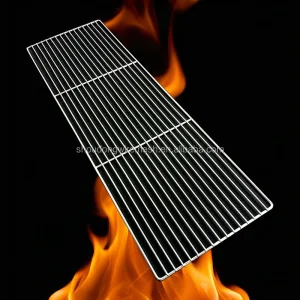
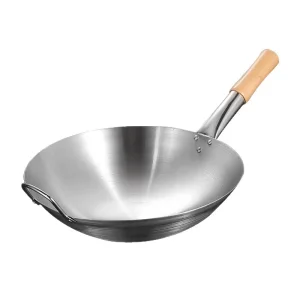
Complementary high-durability stainless steel products designed for professional and domestic kitchens.
 Kaus Kitchen