High-precision commercial and industrial equipment optimized for global supply chains.
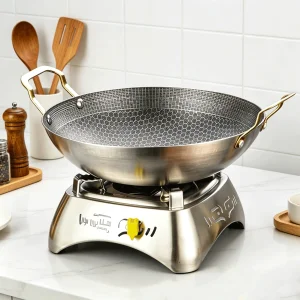
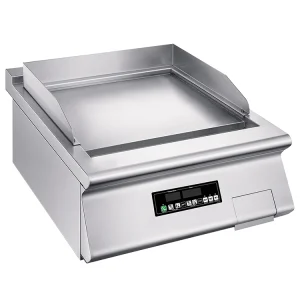
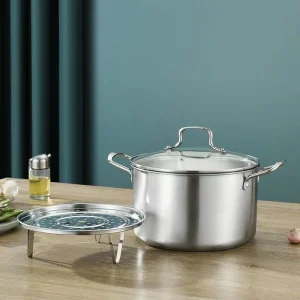
Situated in the heart of the vibrant Chaoshan plain in Shantou, Guangdong Province, Guangdong Kaus Kitchen Co., Ltd. stands as a leading modern enterprise. This region is internationally recognized for its highly specialized stainless steel manufacturing cluster, providing Kaus Kitchen with unprecedented access to advanced materials, engineering talent, and logistical networks.
Kaus Kitchen operates a fully integrated model encompassing research & development, precision manufacturing, global sales, and post-sale service. The company specializes in high-quality food-grade stainless steel kitchenware, commercial hotel supplies, and advanced storage solutions like coffee canisters, catering to premium brands worldwide.
Underpinned by the business ethos of "quality first, customer foremost," the company leverages strict quality controls. Kaus Kitchen is ISO9001 and ISO14001 certified, ensuring all processes align with standard environmental and quality frameworks. From initial raw material selection to automated deep-drawing and surface finishing, every phase guarantees product reliability, safety, and durability.
Under strict ISO standards, our factory controls every technical step of stainless steel cookware and storage production.
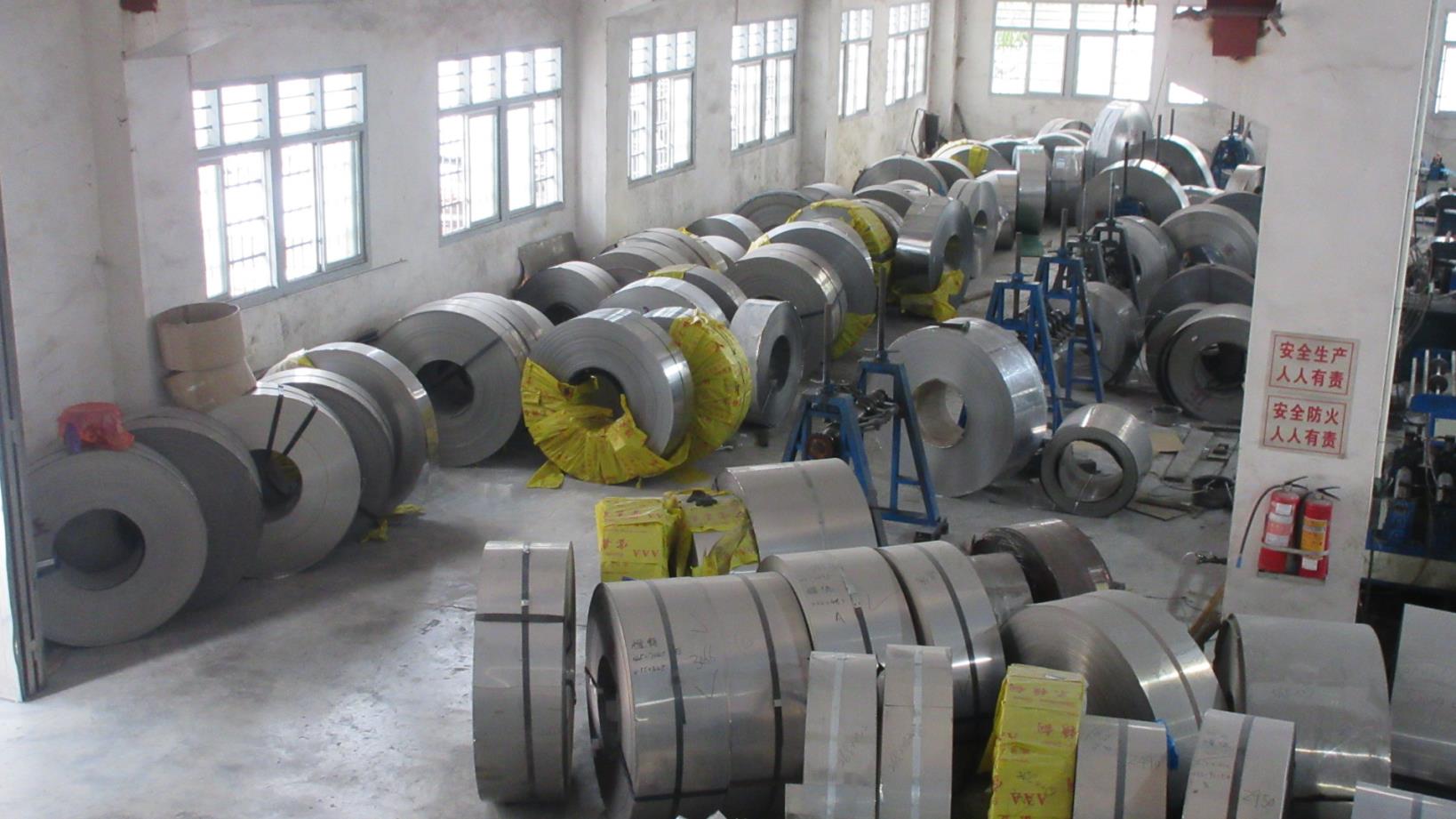
Raw material
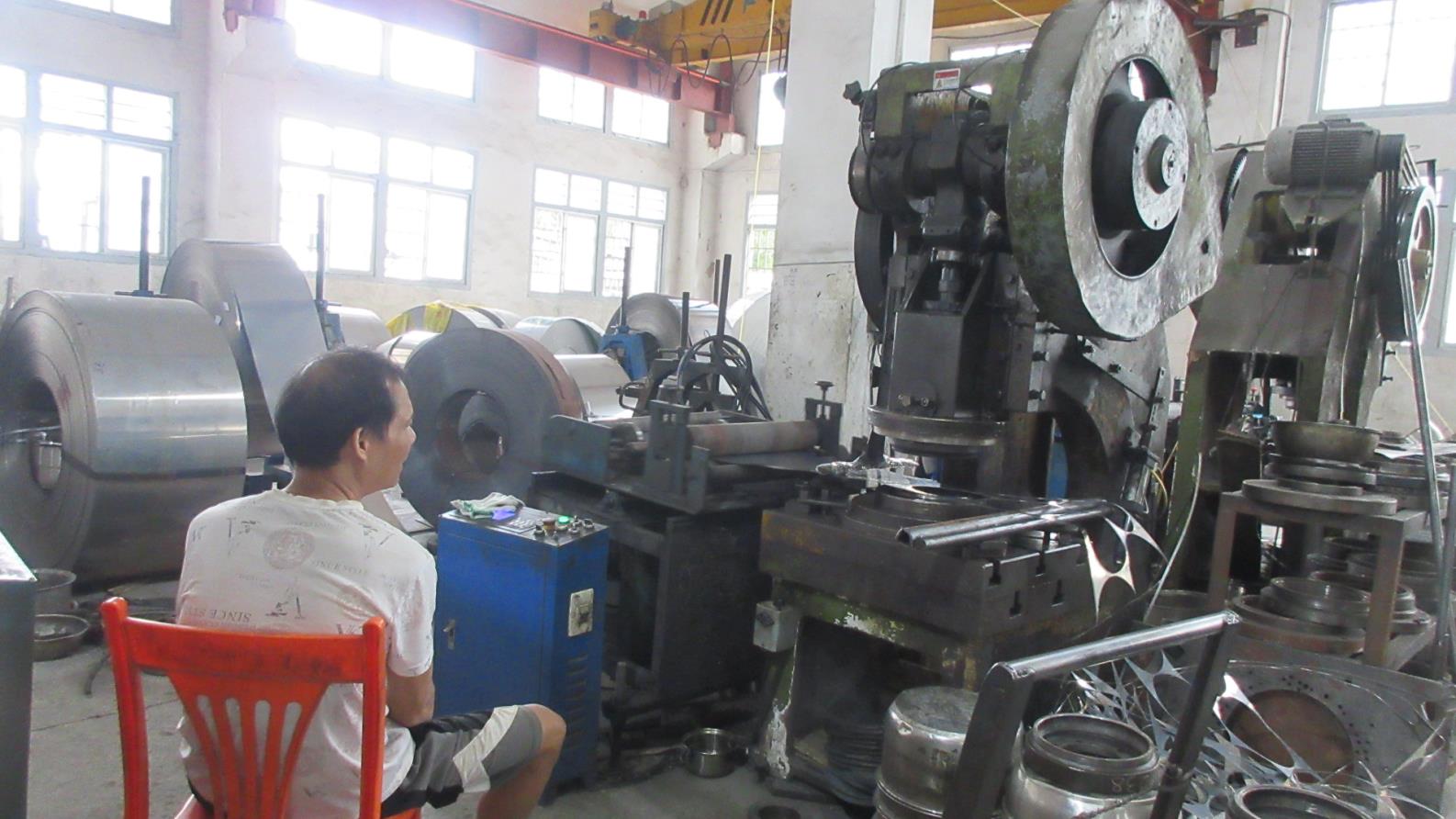
Cutting
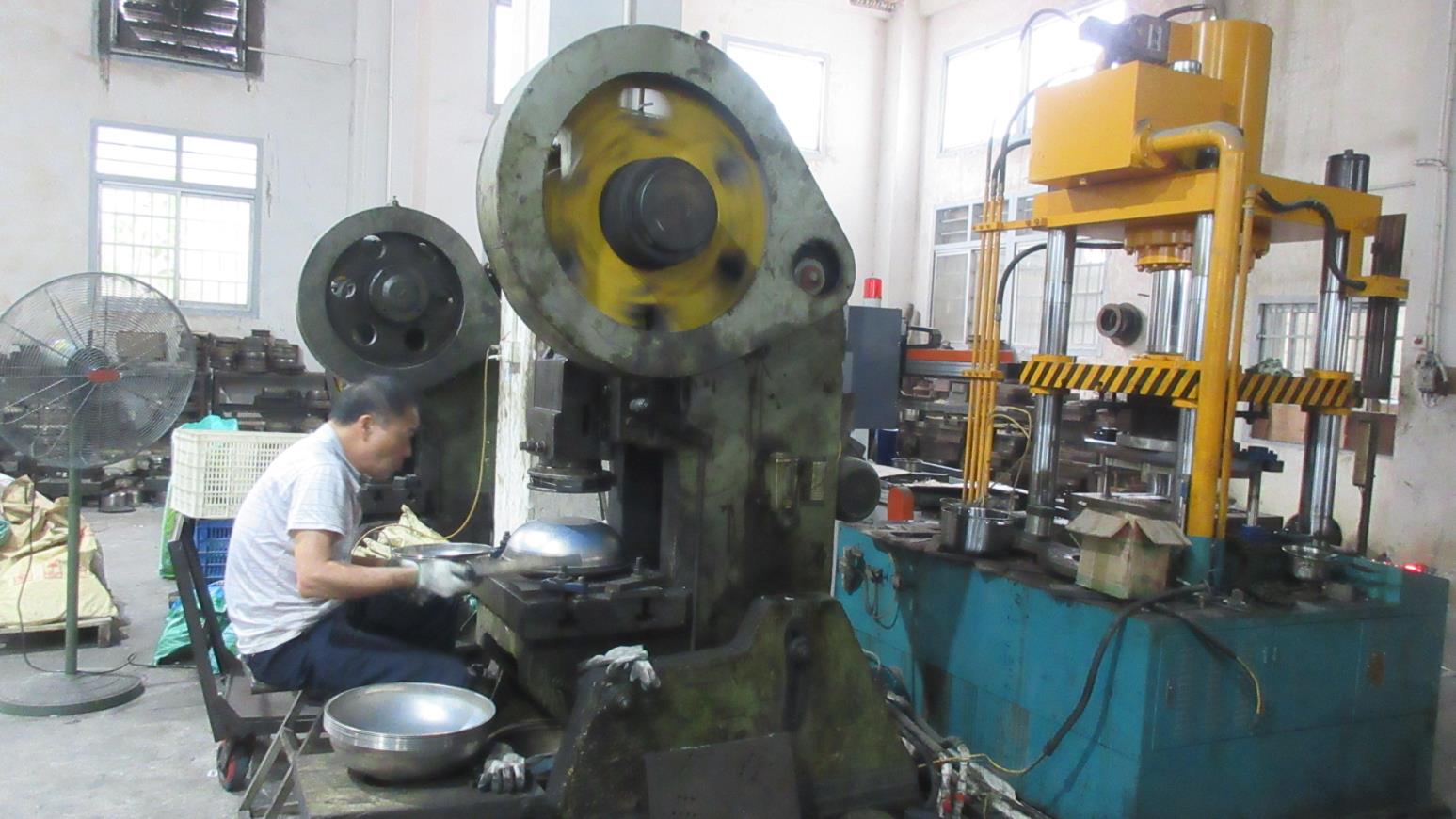
Pressing
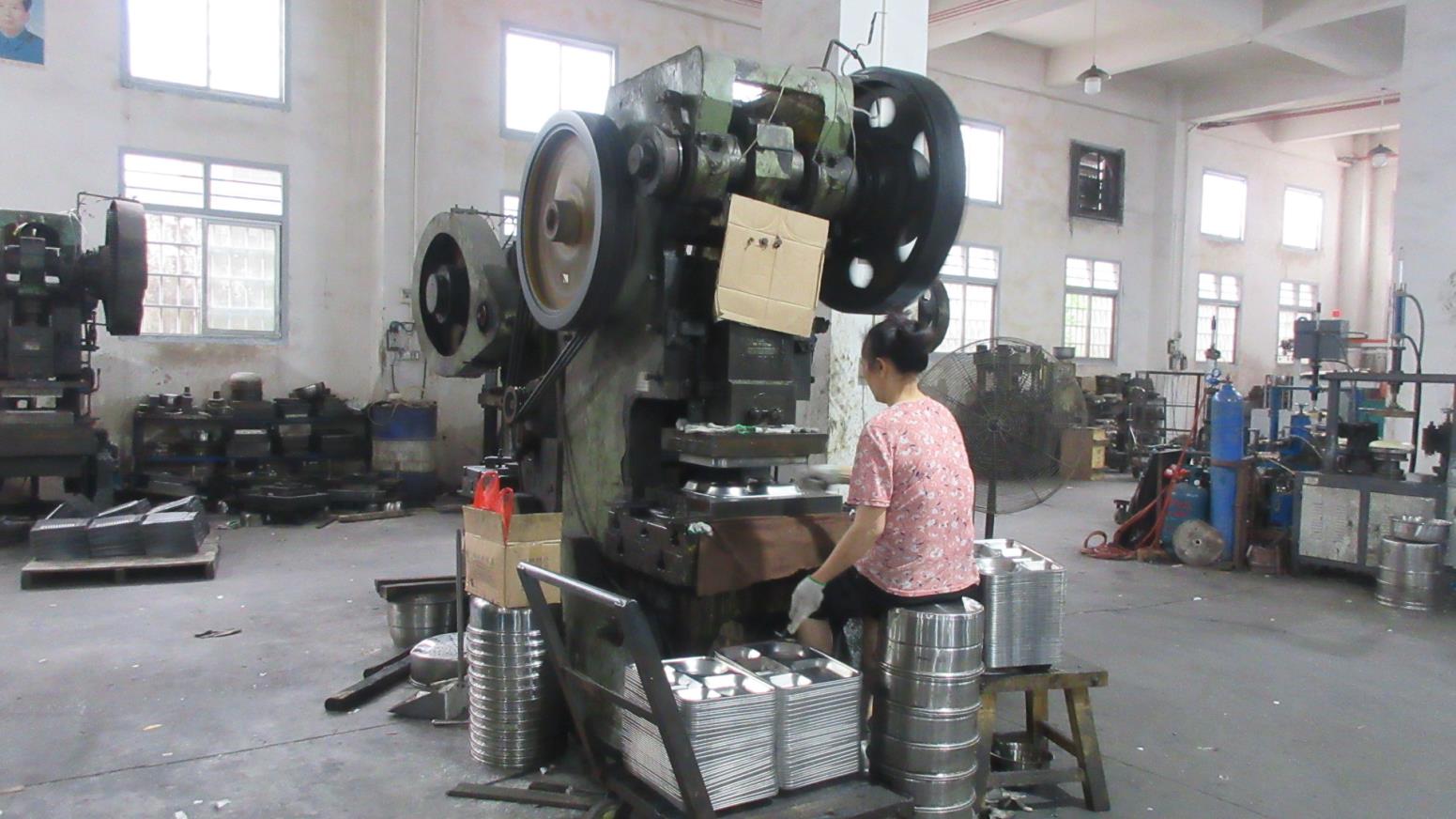
Casting
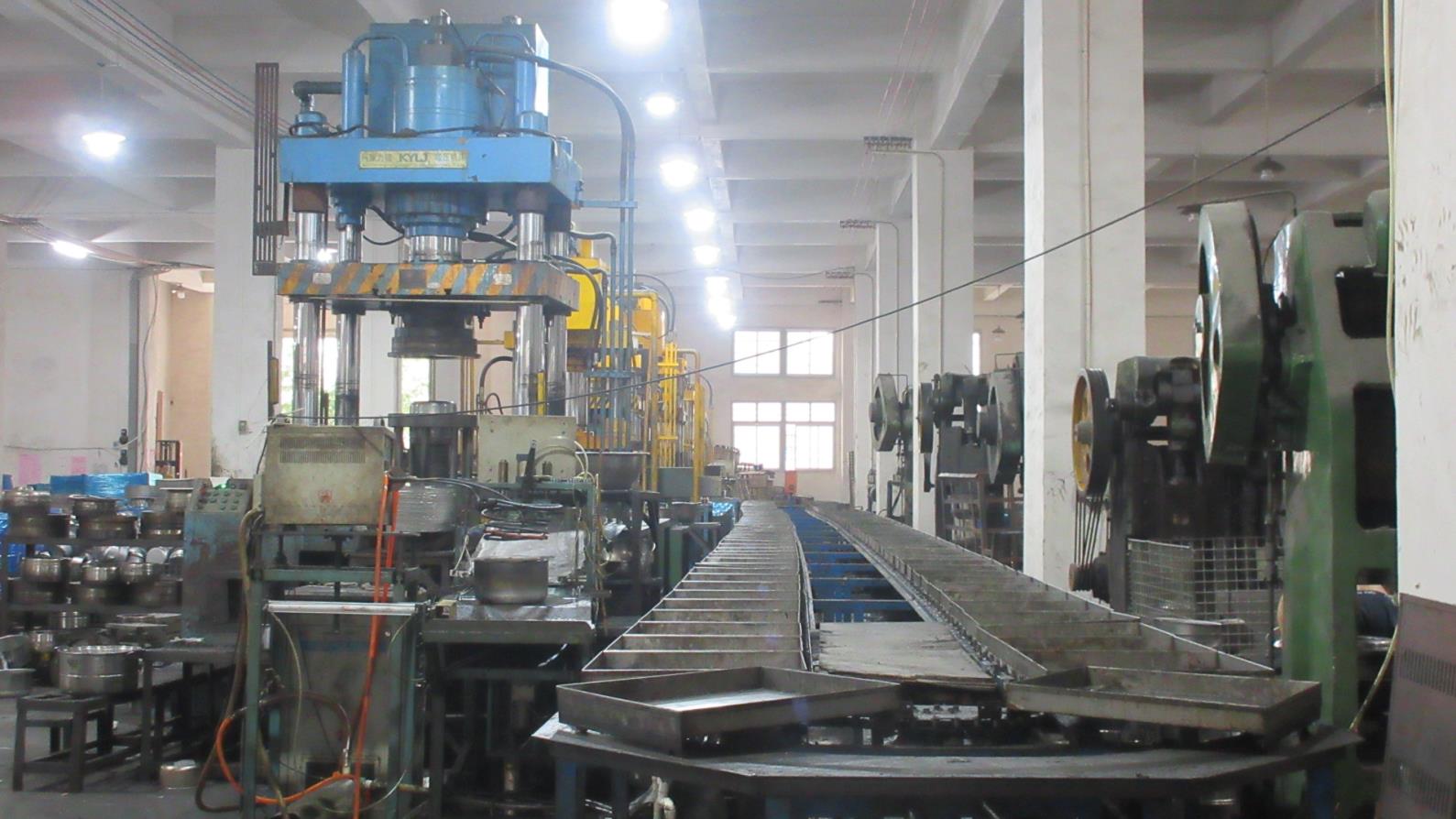
Forming
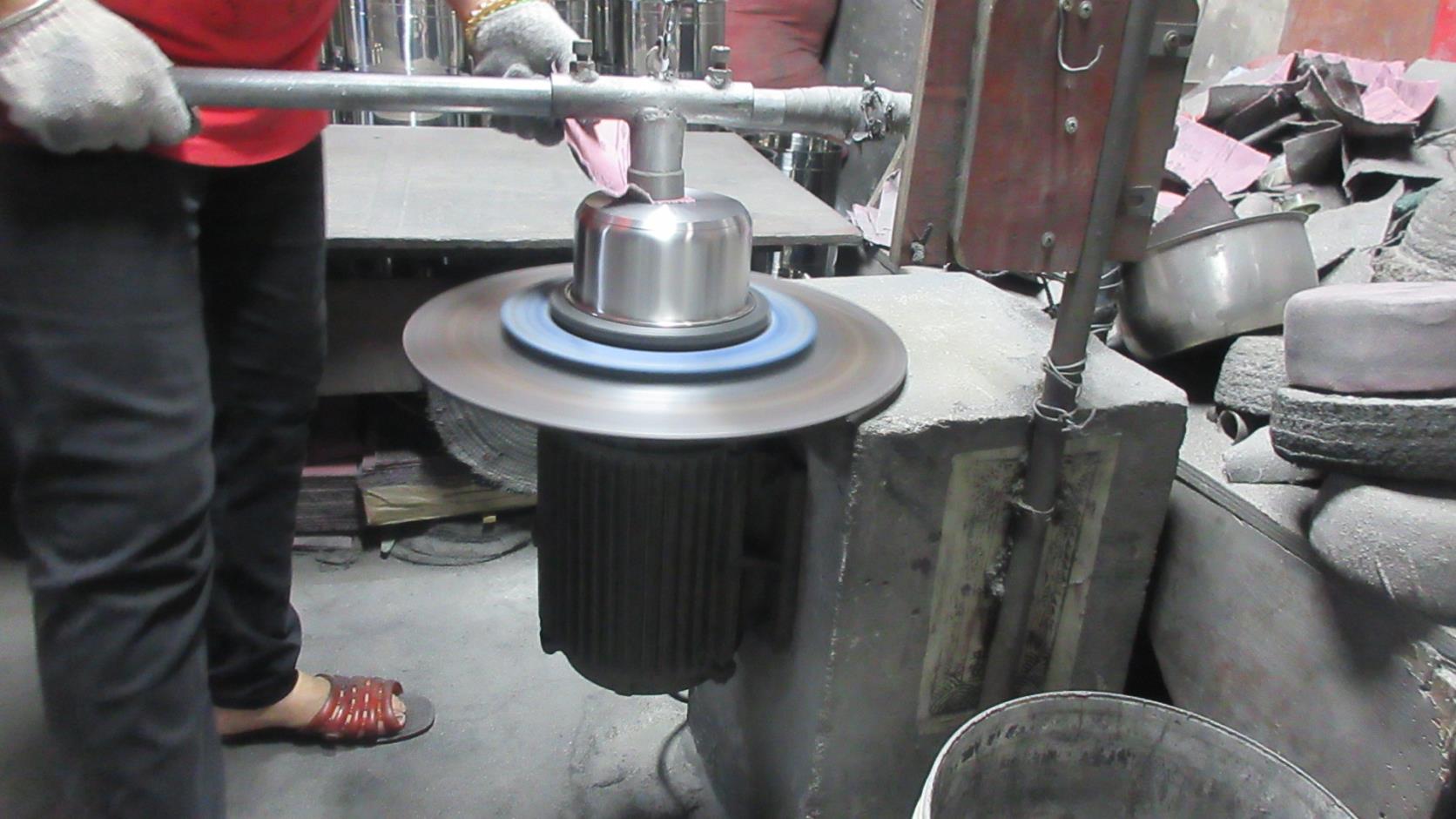
Polishing
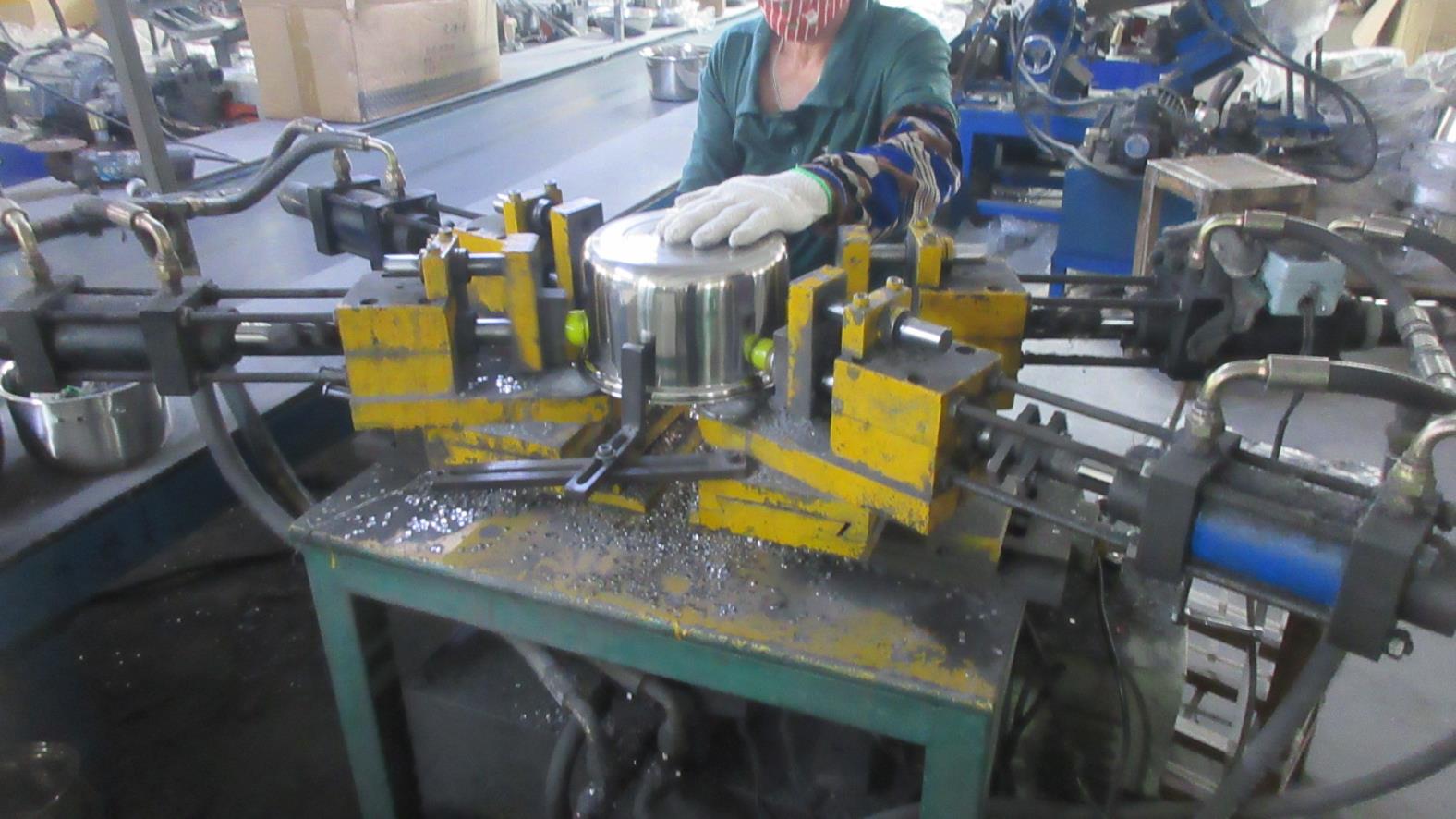
Punching
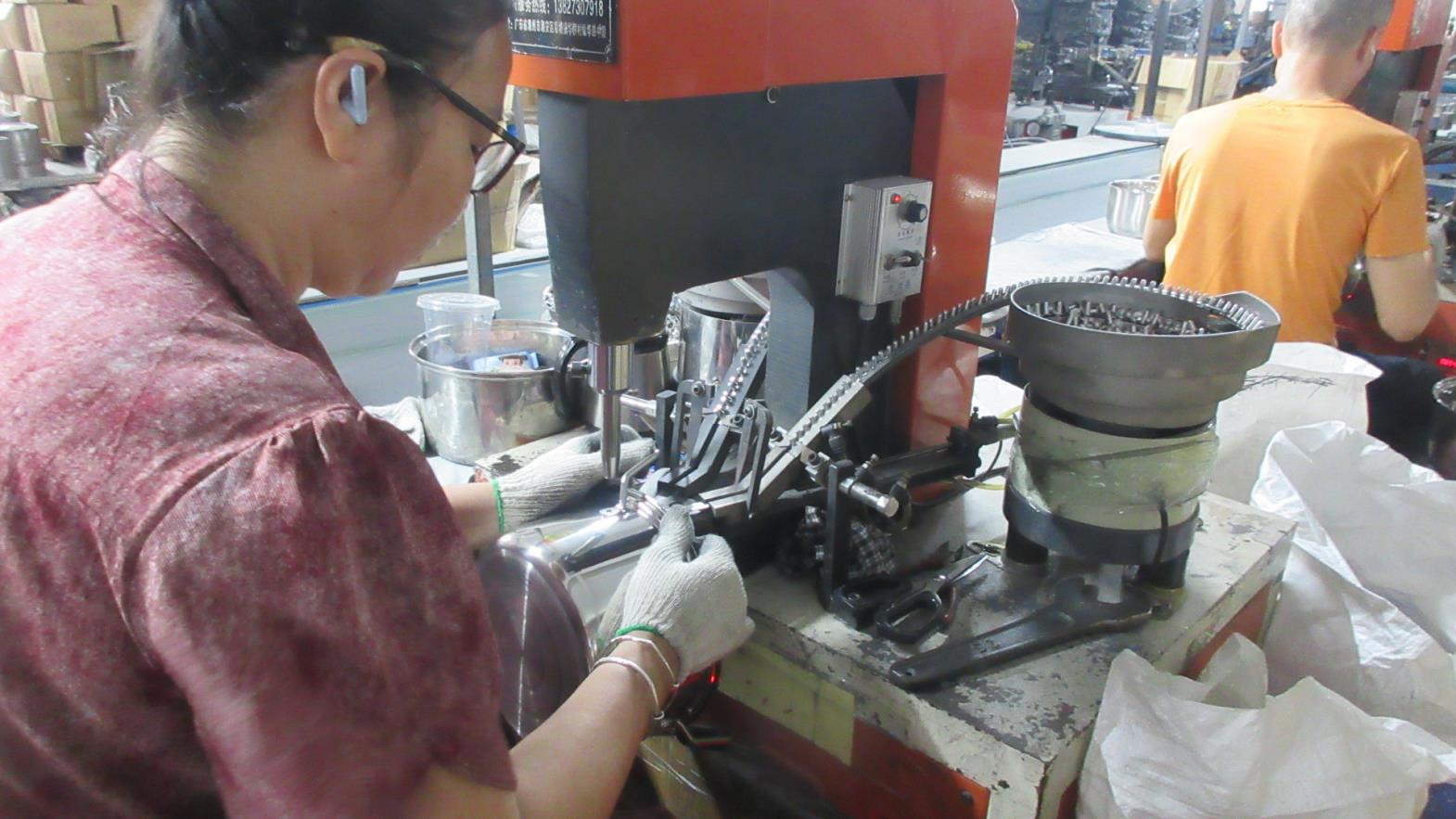
Riveting
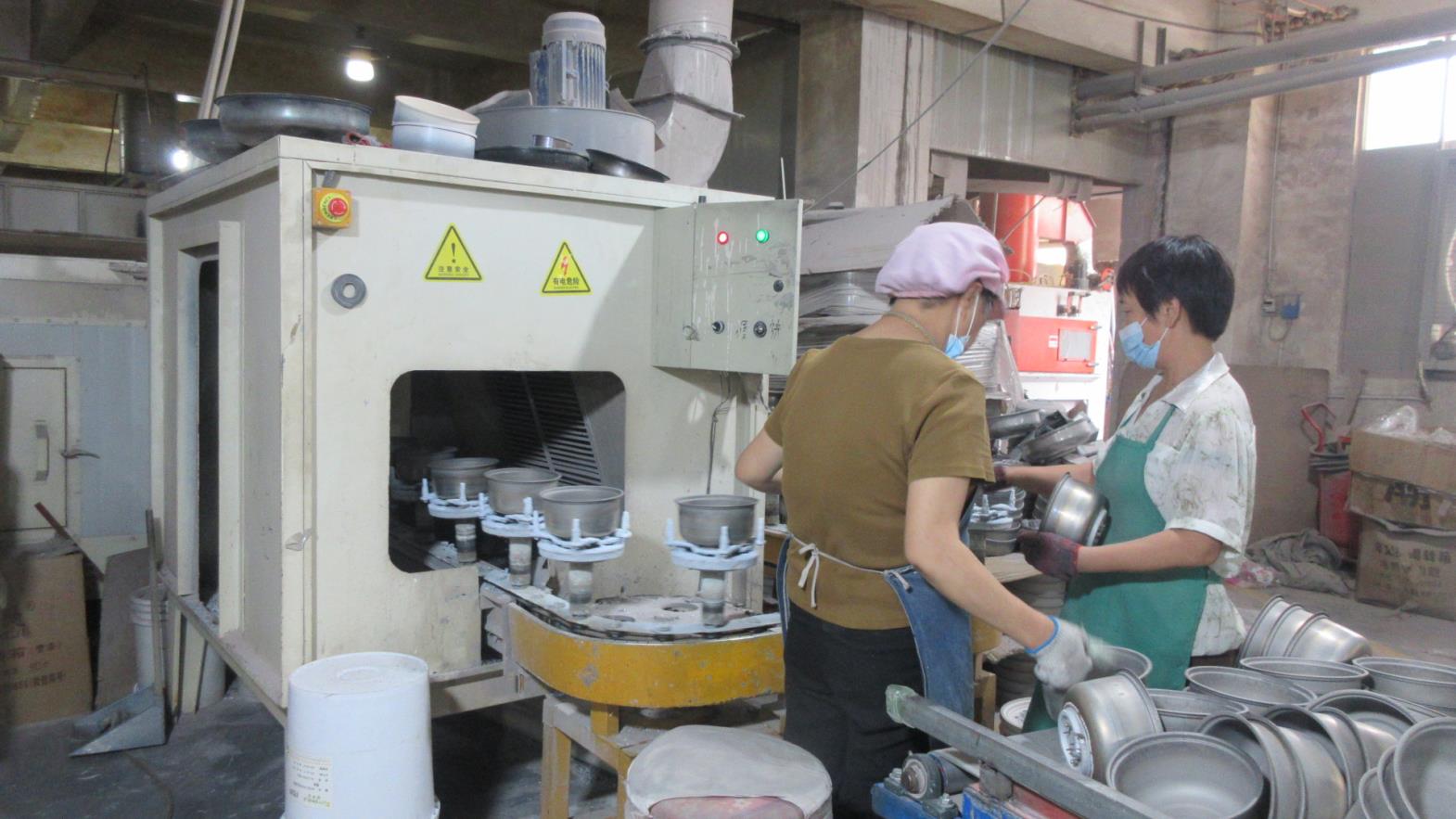
Painting
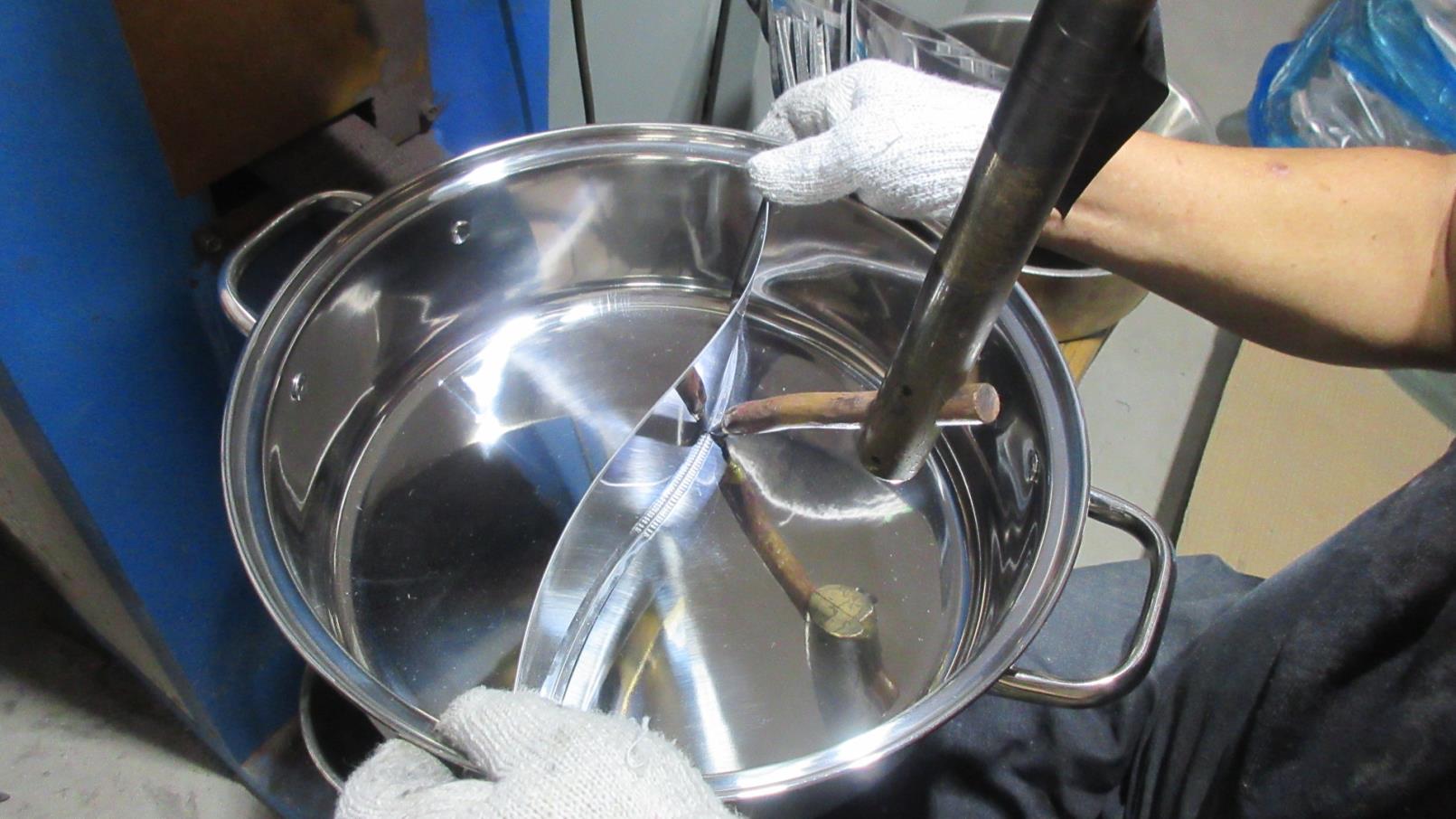
Welding
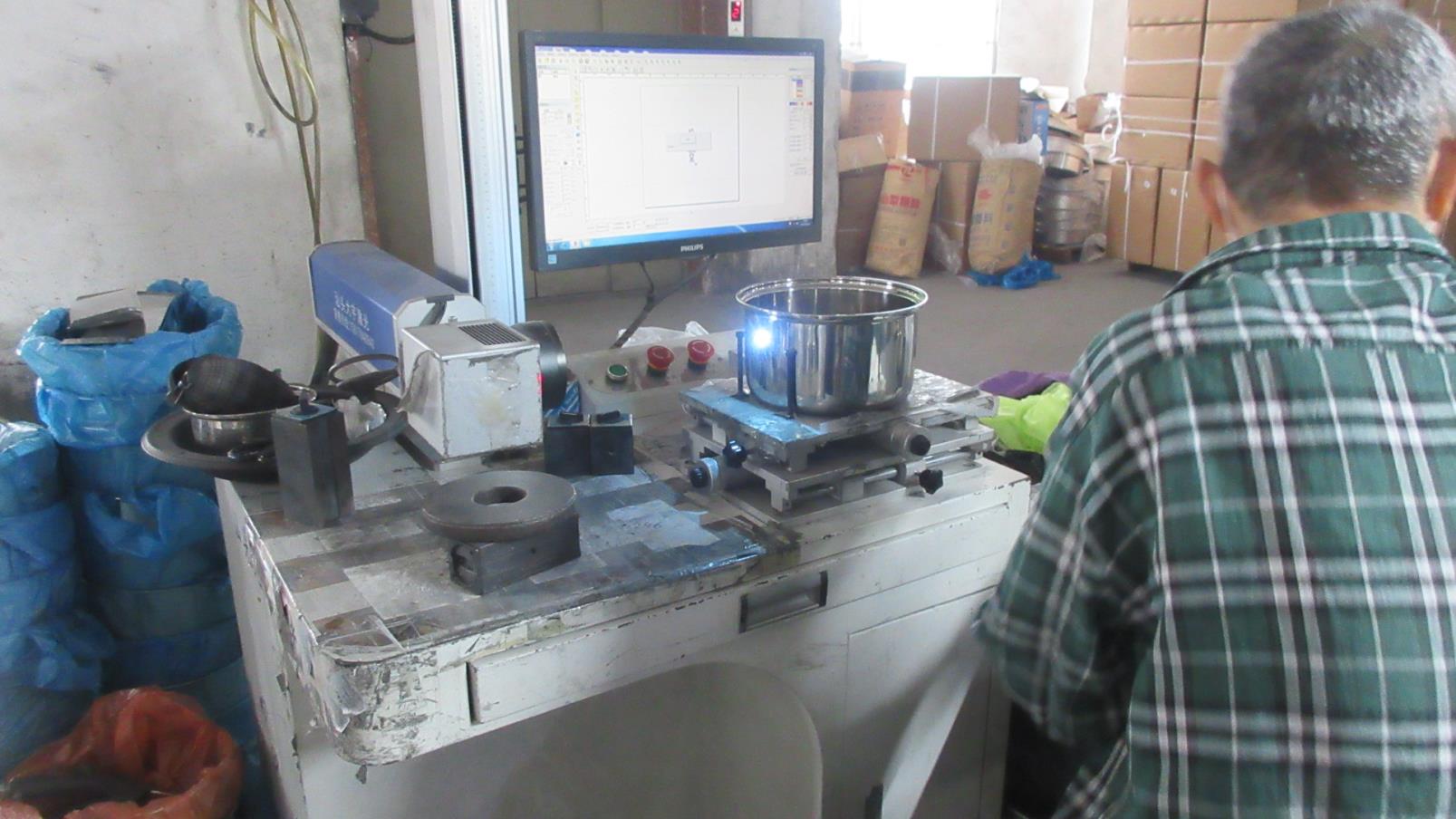
Laser marking
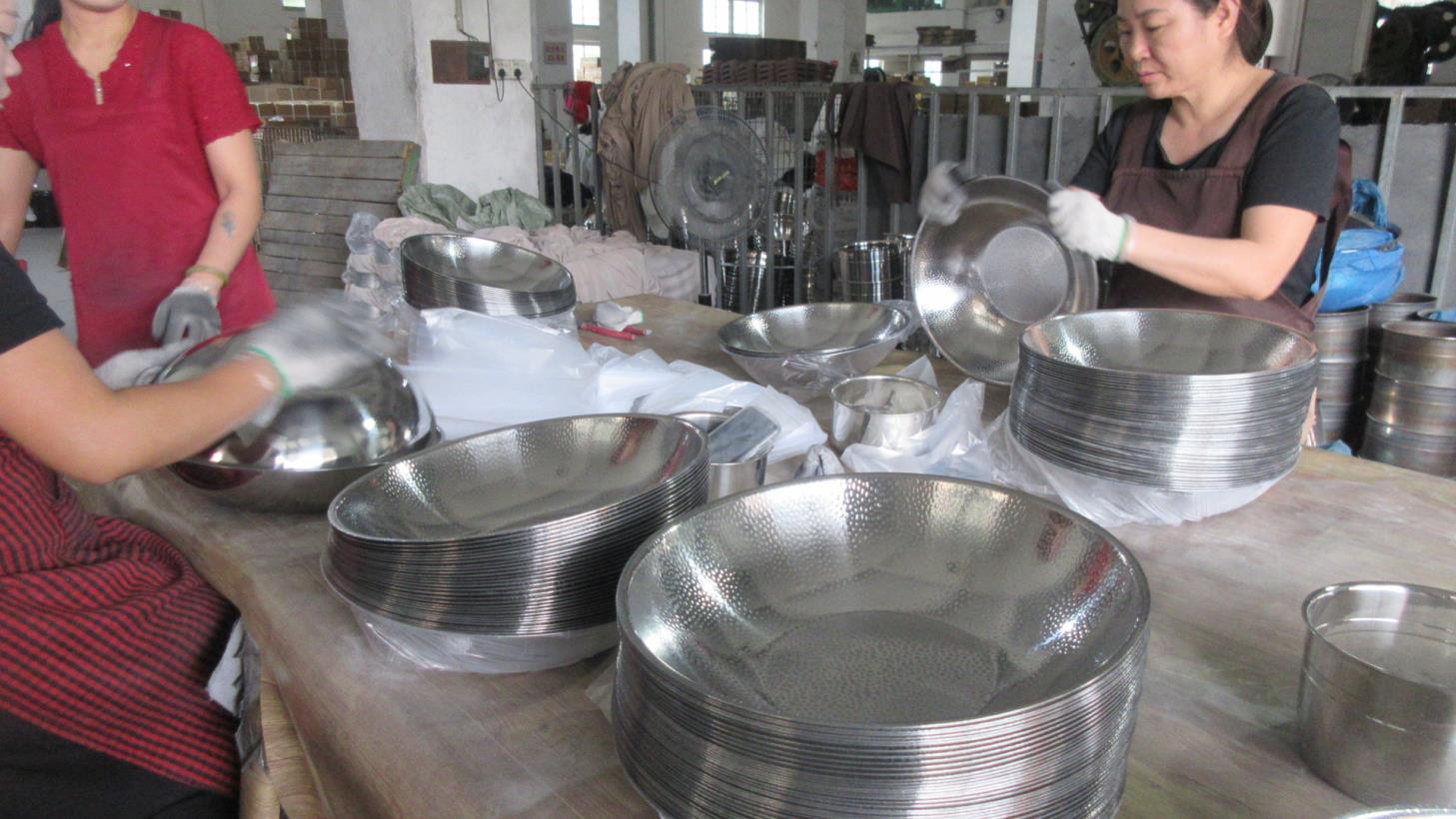
FQC
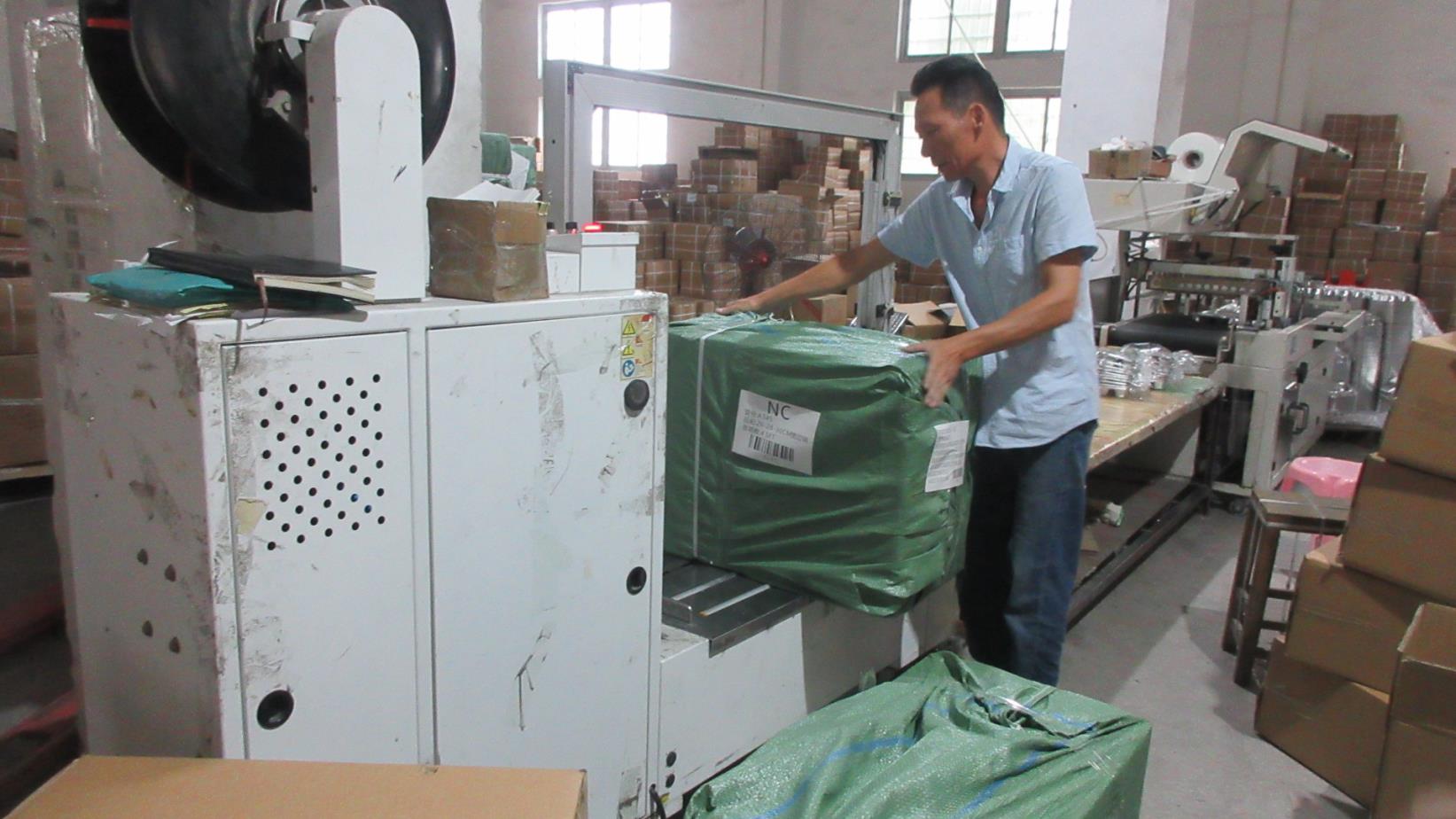
Packing
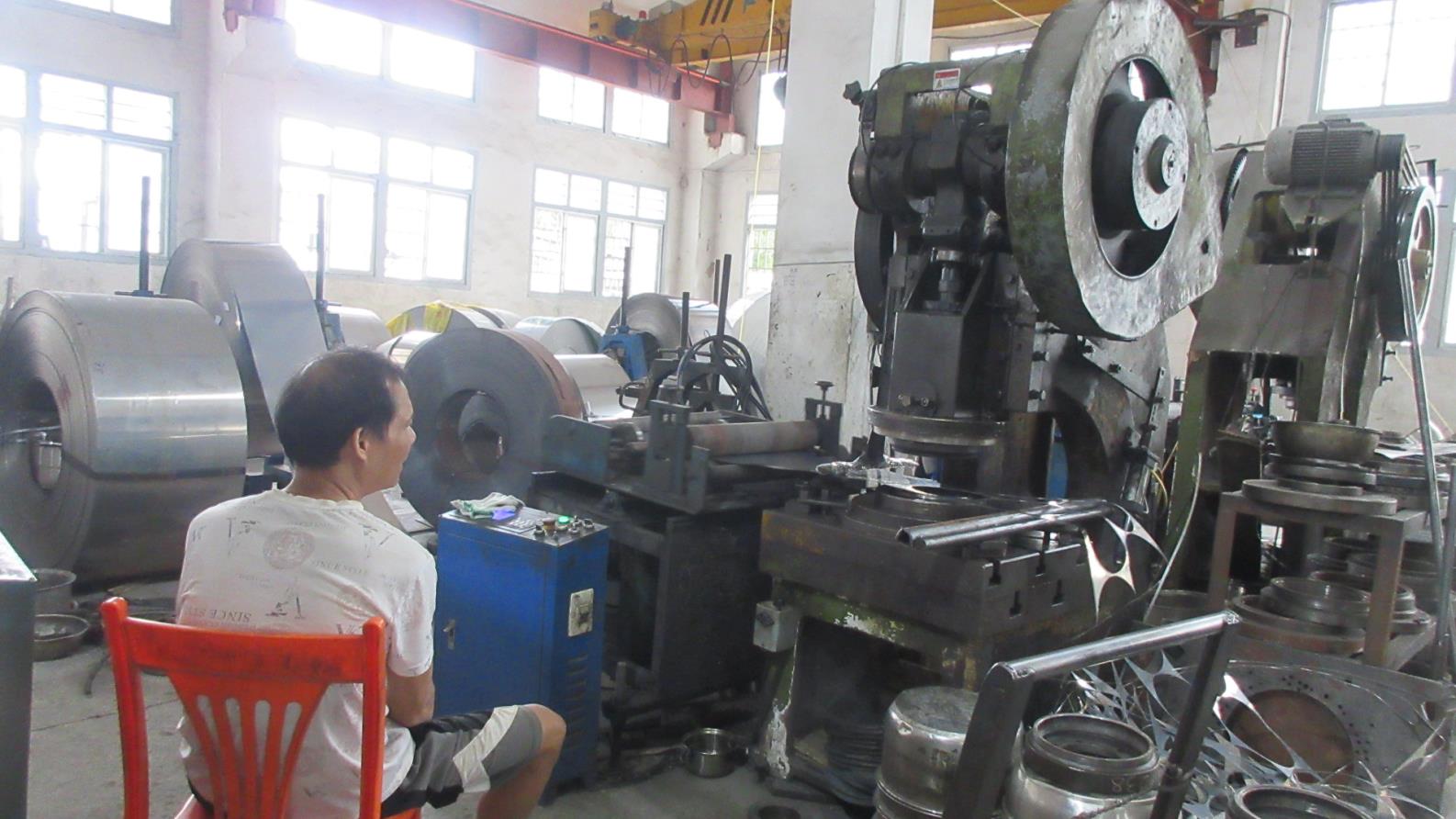
Cutting machine
Why material density, seal mechanics, and gas regulation define high-performance canisters.
High chromium and nickel content guarantees absolute corrosion resistance, preventing heavy metal leaching into the beans. Non-porous surface structure prevents residual oil oxidation.
Freshly roasted coffee continuously releases carbon dioxide. The engineered one-way degassing valve vents excess CO2 without admitting oxygen, which otherwise degrades volatile oils.
BPA-free silicone seals coupled with custom latches create a vacuum-compatible barrier. Keeps internal humidity below 12% to halt structural cellular decay in the coffee bean matrix.
From a chemical perspective, coffee freshness is threatened by four elements: light, heat, moisture, and oxygen. Traditional glass jars allow UV penetration, which breaks down delicate organic molecules. Cheap plastic containers release volatile organic compounds (VOCs) that alter the flavor profile. Under the strict requirements of specialty roasters, stainless steel canisters provide 100% UV protection and chemical inertness, establishing it as the standard for commercial storage.
Analyzing industrial clusters, integrated processing, and economic scale in the Chaoshan and Shantou regions.
Modern global supply chains prioritize risk mitigation and speed-to-market. Chinese manufacturers, particularly those in the Chaoshan region of Guangdong, offer unique industrial clustering advantages that cannot be replicated. Every step of production—from smelting raw coils to precise stampings, surface polishing, and packaging—happens within a 50-kilometer radius.
This geographic concentration reduces transportation times and enables flexible adjustments to custom OEM and ODM orders. Factories can quickly scale up production to meet seasonal demands or introduce custom features like integrated calendar date-trackers, vacuum pump mechanisms, or PVD color coatings.
Key structural advantages of Chaoshan suppliers include:
Navigating import regulations, food contact compliance, and international factory audits.
Materials must undergo heavy-metal extraction tests. Ensure your supplier provides valid documentation certifying compliance with European LFGB and US FDA regulations.
Modern retailers require evidence of social compliance. Look for manufacturers that undergo regular BSCI or SMETA audits to guarantee ethical labor practices.
ISO 9001 and ISO 14001 certifications ensure consistent product quality, clear production tracing, and minimized environmental footprint.
From simple canisters to intelligent micro-climate preservation tools.
The coffee canister sector is shifting away from simple metal boxes toward advanced storage solutions. Key changes include:
Targeting tailored packaging solutions for cafes, commercial roasters, and retail brands.
Requires large-capacity canisters (1.5L to 2.0L) with highly durable clasp mechanisms capable of surviving hundreds of open-close cycles daily during busy shifts.
Roasters utilize small, branded canisters (500g capacity) with customized laser logo engravings, selling them alongside freshly roasted beans as premium gift sets.
Demands aesthetic diversity to blend with home decor. Glossy, matte, or copper finishes, alongside integrated scoops and holders, are popular additions.
Expert technical answers regarding stainless steel coffee canister sourcing, materials, and usage.
SUS304 contains 18% chromium and 8% nickel, providing exceptional corrosion resistance against organic coffee acids. It maintains its structural integrity without leaching metallic taste or toxins, satisfying international food-contact safety standards.
Roasting coffee releases carbon dioxide. The built-in valve features a flexible membrane that opens under light positive pressure from inside, venting CO2 while blocking ambient air and oxygen from entering the container.
Generally, tooling and sample approval take 15 to 20 days. Once mass production starts, the lead time typically ranges from 30 to 45 days, depending on batch sizes and finishing requirements like custom colors or laser engravings.
Yes. Food-grade stainless steel is fully recyclable without degrading its properties. By selecting recyclable metal canisters, brands can support eco-friendly initiatives compared to single-use plastics.
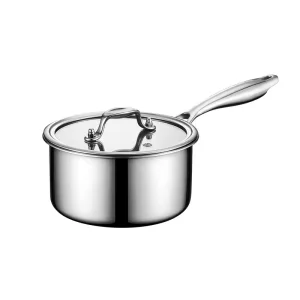
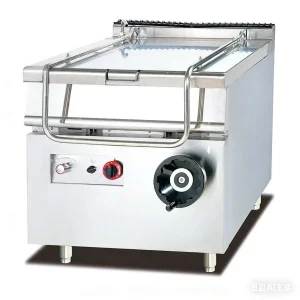
Browse our broader range of commercial-grade stainless steel, cast iron, and aluminum cookware.
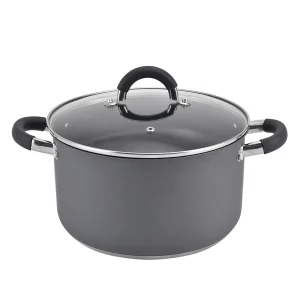
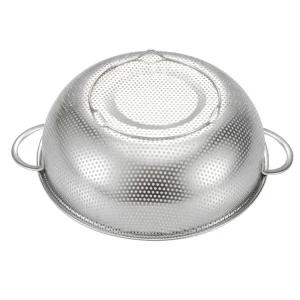
 Kaus Kitchen