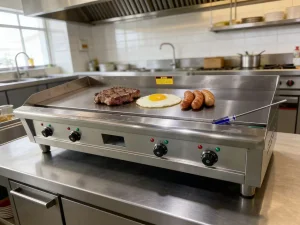
Explore our highly requested commercial and industrial cooking equipment, manufactured under rigorous quality systems.
An authoritative analysis of B2B procurement trends, material standards, and supply chain demands in modern commercial food services.
The global commercial food service and hospitality industries have experienced a profound paradigm shift in culinary preparation technologies. Within this landscape, the stainless steel stockpot set remains the quintessential workhorse of commercial, industrial, and institutional kitchens worldwide. As international health regulations, energy-efficiency requirements, and performance parameters become more stringent, selecting the right manufacturing partner for custom OEM/ODM stainless steel stockpots has evolved from a simple purchasing decision into a critical strategic initiative.
Across key economic zones—including North America, Europe, and Asia-Pacific—demand is driven heavily by the rapid expansion of the HoReCa (Hotel, Restaurant, Cafe) sector, alongside an increasing preference for highly durable, food-grade materials. Historically, heavy aluminum was widely adopted for its low cost and high thermal conductivity. However, strict international standards (such as FDA, LFGB, and NSF requirements) coupled with concerns over food reactivity and long-term durability have positioned AISI 304 (18/10) and AISI 316 (18/12) stainless steels as the gold standards for professional stockpots.
Modern commercial kitchens operate at a rapid pace where thermal recovery time determines output efficiency. By utilizing multi-layered clad bases—typically featuring an aluminum core sandwiched between magnetic stainless steel and high-grade food contact steel—our stockpots ensure rapid heat distribution and zero hot spots, reducing food scorching and energy consumption.
For high-saline and acidic stocks, soups, and long-boiling preparations, raw metal must resist intergranular corrosion. Our high-chromium and high-nickel alloys guarantee protective passivation layers that remain stable over decades, mitigating metal leaching and ensuring pure taste profile reproduction.
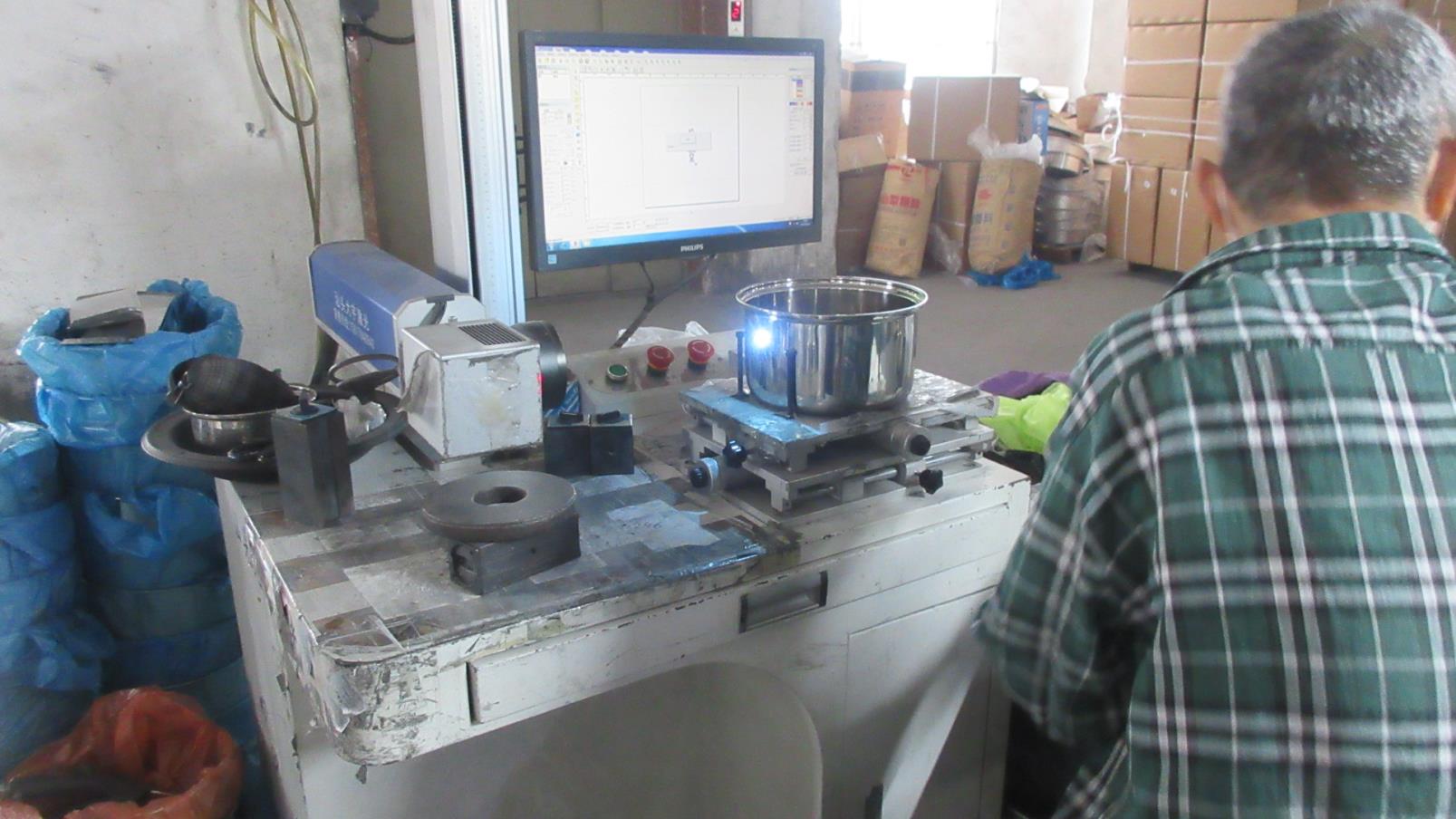
Through our comprehensive OEM/ODM workflow, we offer customized options including custom steel thicknesses, specialized capacities (from 5-quart up to 150-quart industrial sizes), branded laser etching, and customized ergonomic handles engineered to reduce physical fatigue in commercial kitchen workflows.
A Modern Enterprise Integrating Research, Development, Manufacturing, and Quality Assurance.
Guangdong Kaus Kitchen Co., Ltd. is located in the vibrant and economically dynamic region of the Chaoshan plain in Shantou, Guangdong Province, an area renowned for its strong manufacturing foundation and rich tradition in stainless steel and kitchenware production. As a leading manufacturer of professional cookware, Kaus Kitchen leverages this unique regional synergy to offer superior cost structures, robust material sourcing networks, and access to highly specialized, skilled engineering talent.
The company is a modern, comprehensive enterprise integrating research and development, manufacturing, sales, and service, specializing in high-quality stainless steel kitchenware, hotel supplies, and household tableware products. Guided by the core business philosophy of “quality first, customer foremost,” Kaus Kitchen is committed to delivering durable, safe, and innovative kitchen solutions to global customers. We have implemented end-to-end traceablity for all steel batches, ensuring that every stockpot we ship meets rigorous international compliance standards.
The company has obtained ISO9001 International Quality Management System certification and ISO14001 Environmental Management System certification, ensuring strict standards in product quality control and sustainable production practices. In addition, several of its products have passed national safety and compliance certifications, including CCC certification for applicable electrical or regulated items. This dual commitment to quality and environmental stewardship enables Kaus Kitchen to confidently partner with global retail brands, premium hospitality groups, and institutional wholesale buyers.
Through continuous innovation and technological investment, Guangdong Kaus Kitchen Co., Ltd. has been awarded multiple honors such as “Guangdong Famous Brand Product” and “Guangdong Contract and Credit Enterprise,” reflecting its strong reputation in both domestic and international markets. The company also holds a number of patents in product design and manufacturing processes, demonstrating its commitment to innovation and product differentiation. With a modern production base covering approximately 30,000 square meters, the company operates in a well-planned garden-style industrial park featuring advanced manufacturing facilities, efficient logistics systems, and a comfortable office environment. A dedicated workforce of over 100 skilled employees ensures stable production capacity and consistent product quality.
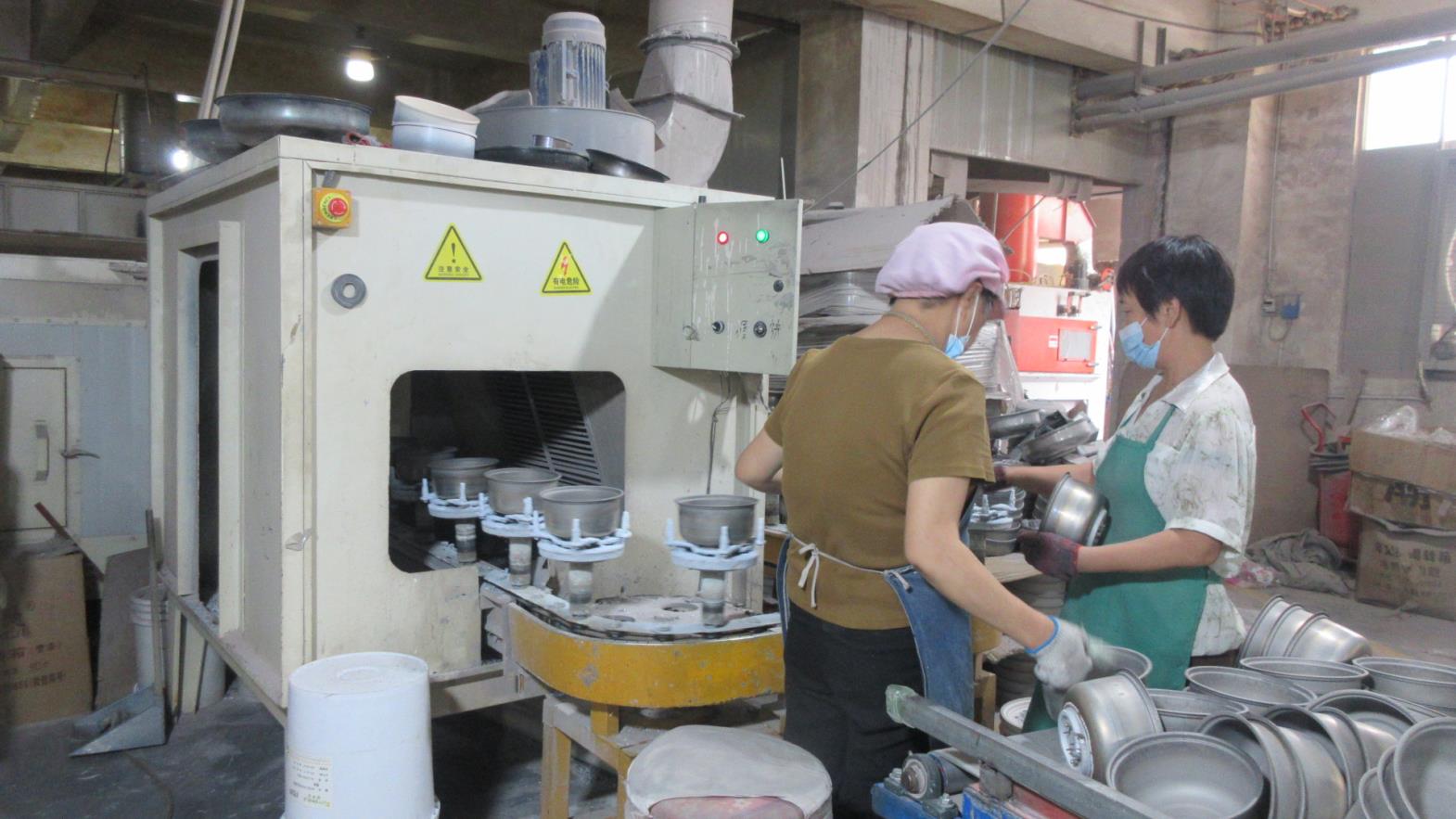
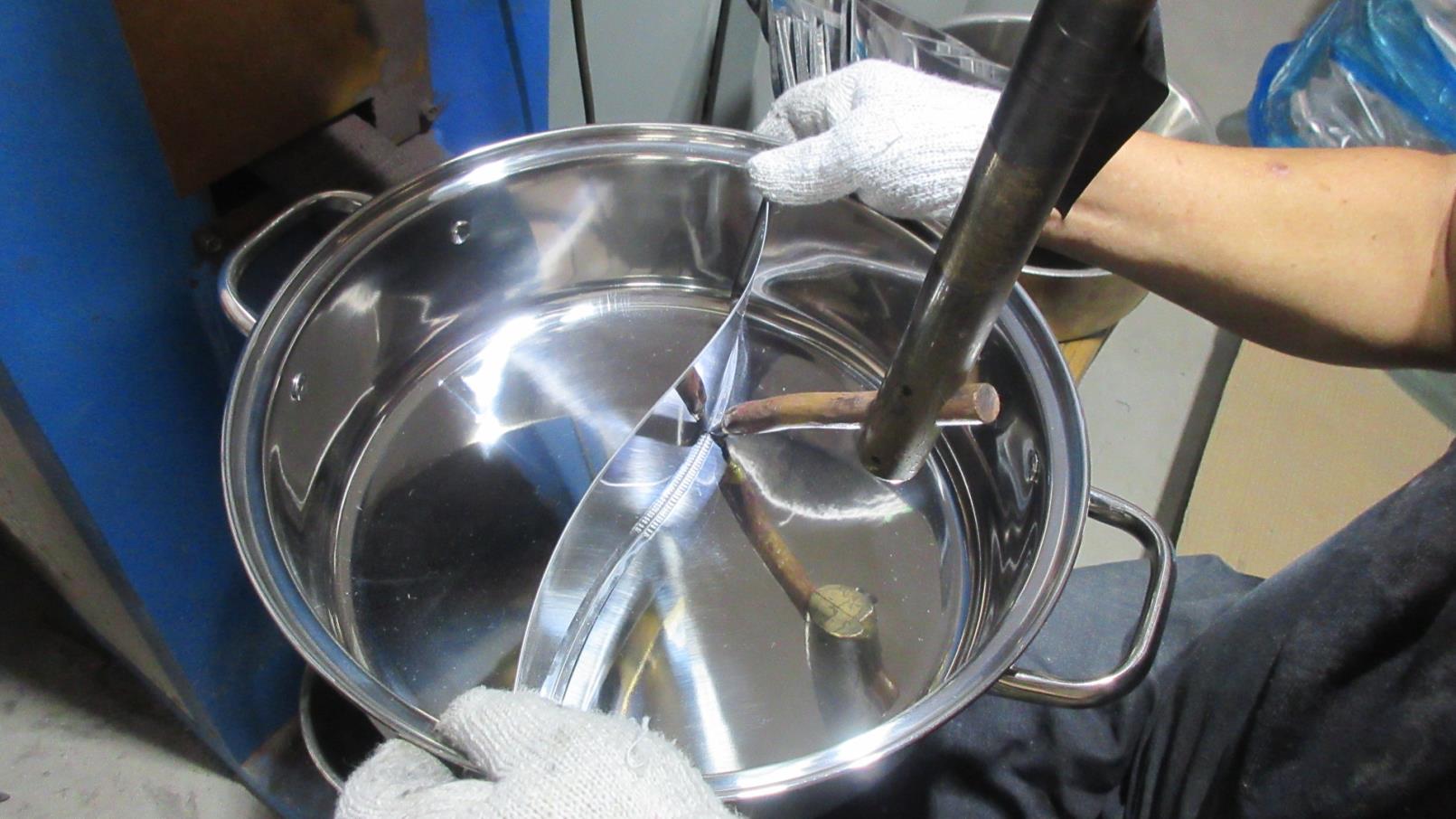
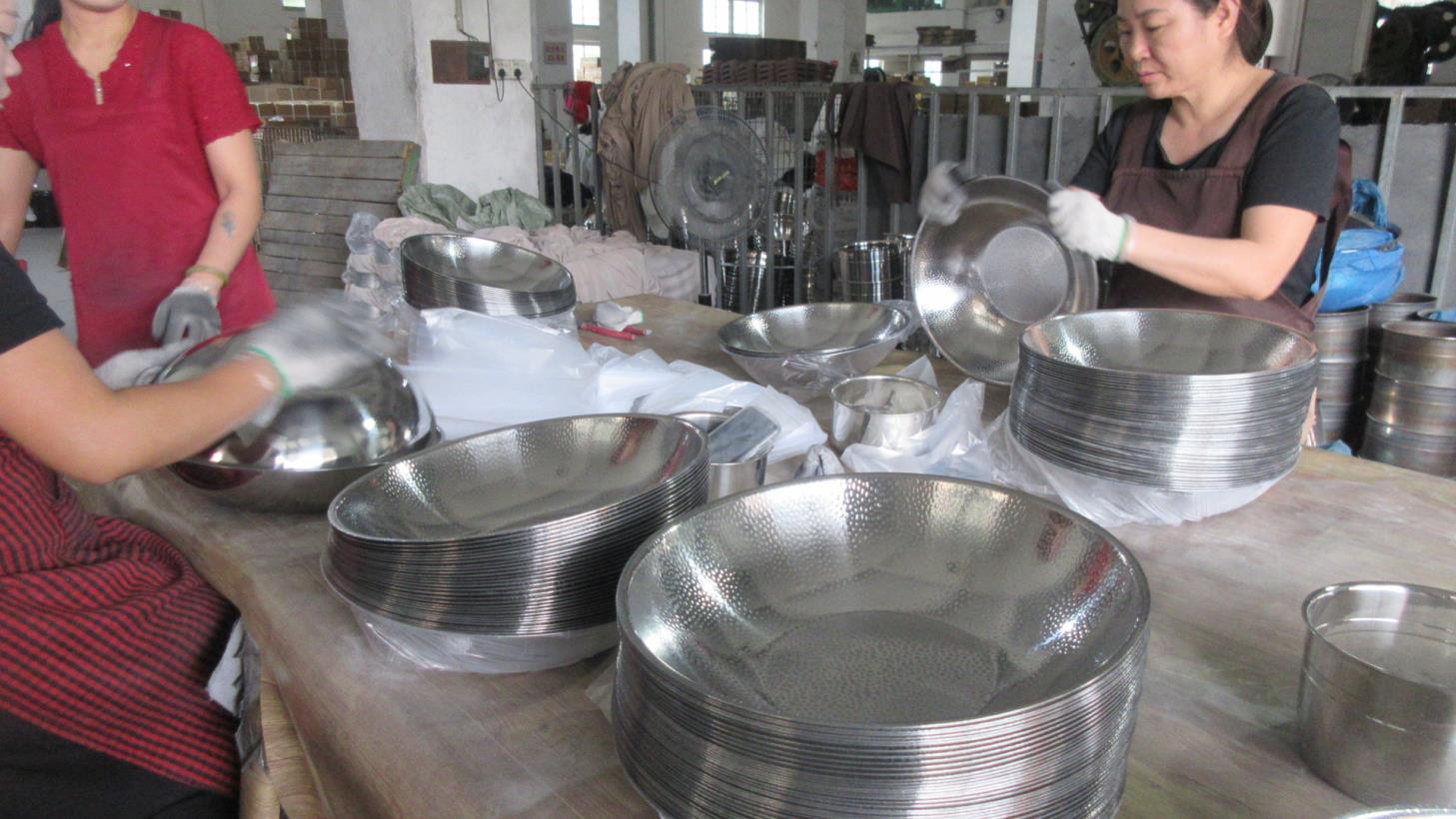
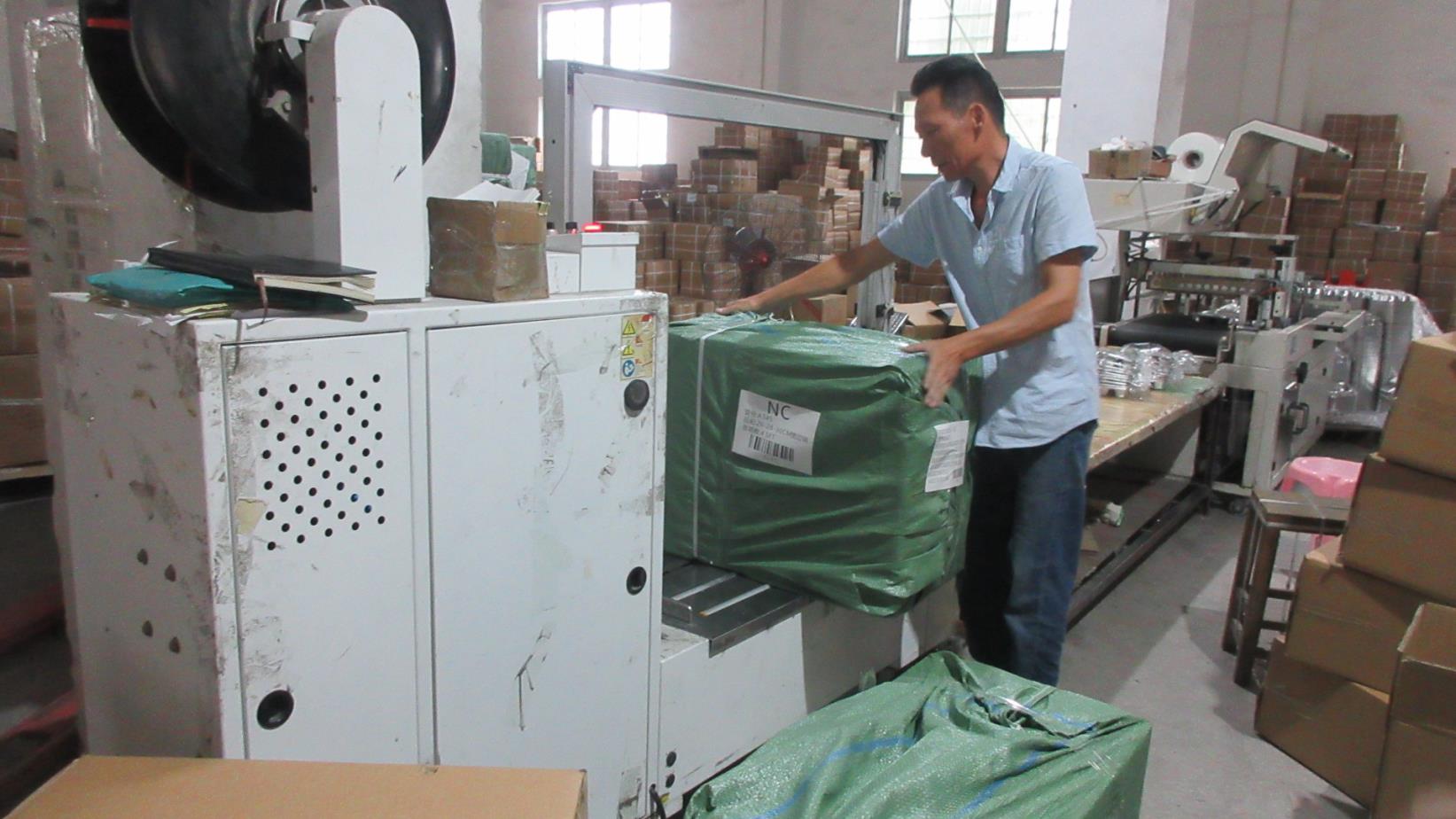
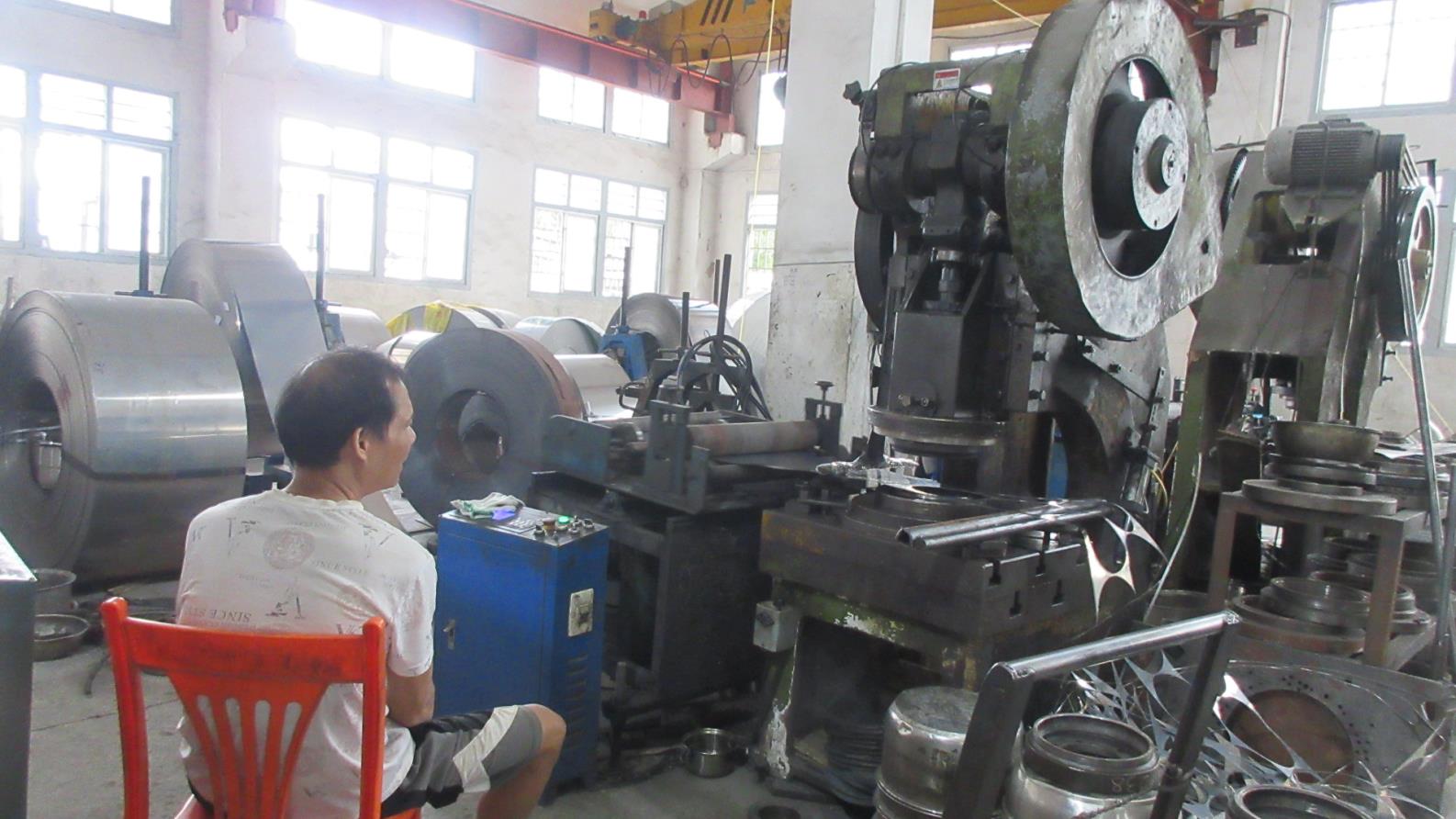
Trace our comprehensive 14-step manufacturing sequence, displaying professional metallurgical engineering and quality oversight.
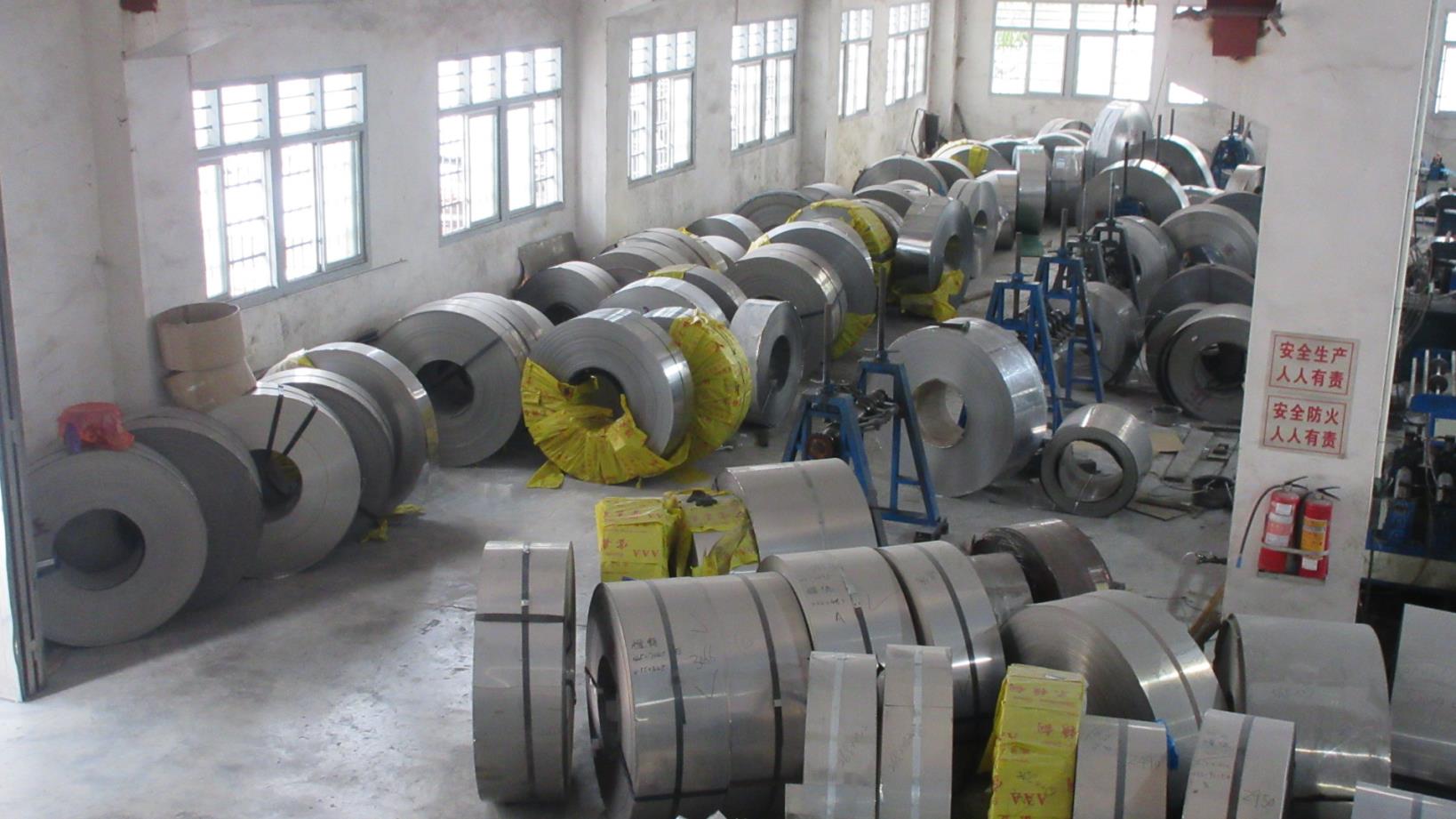
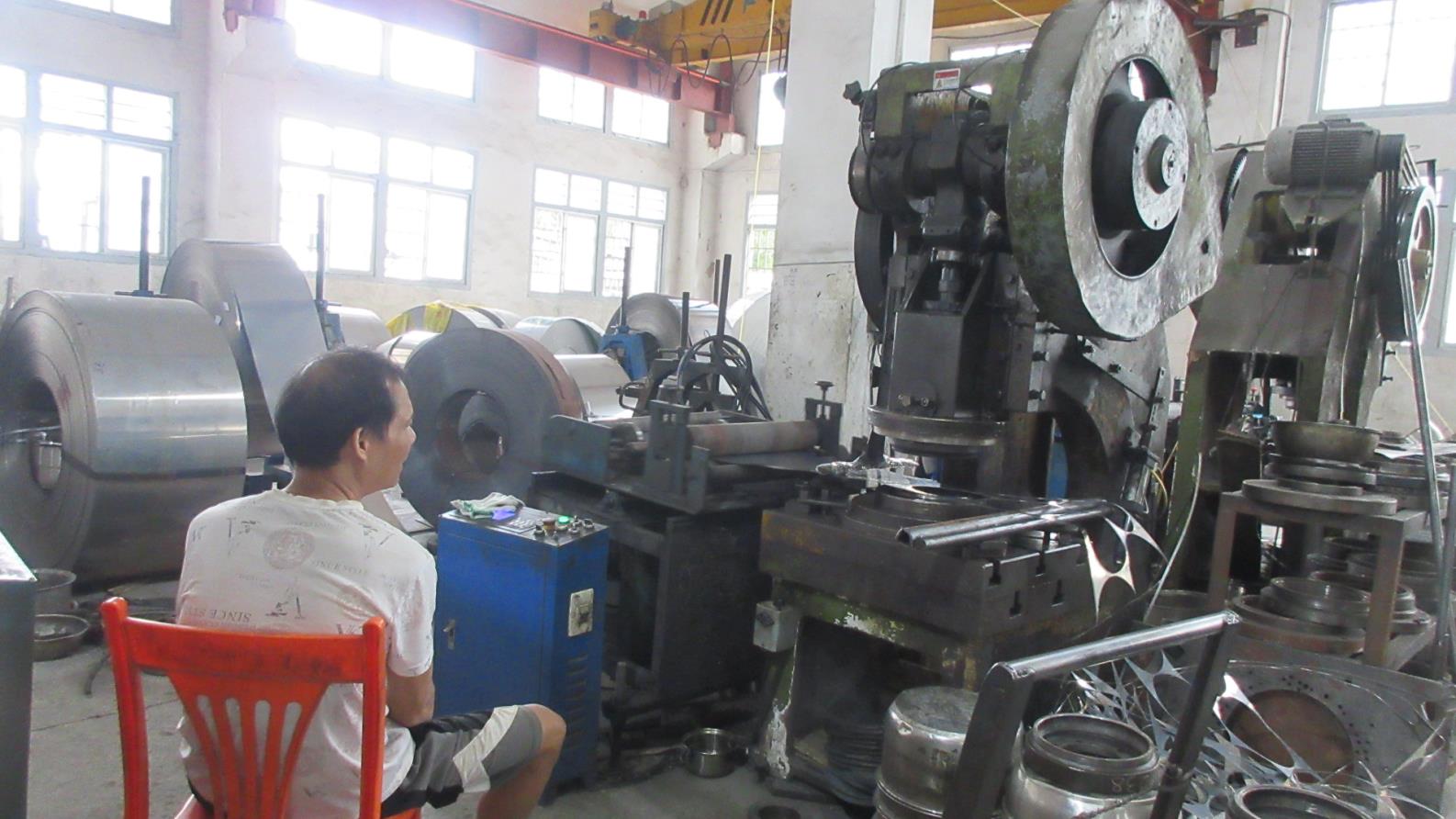
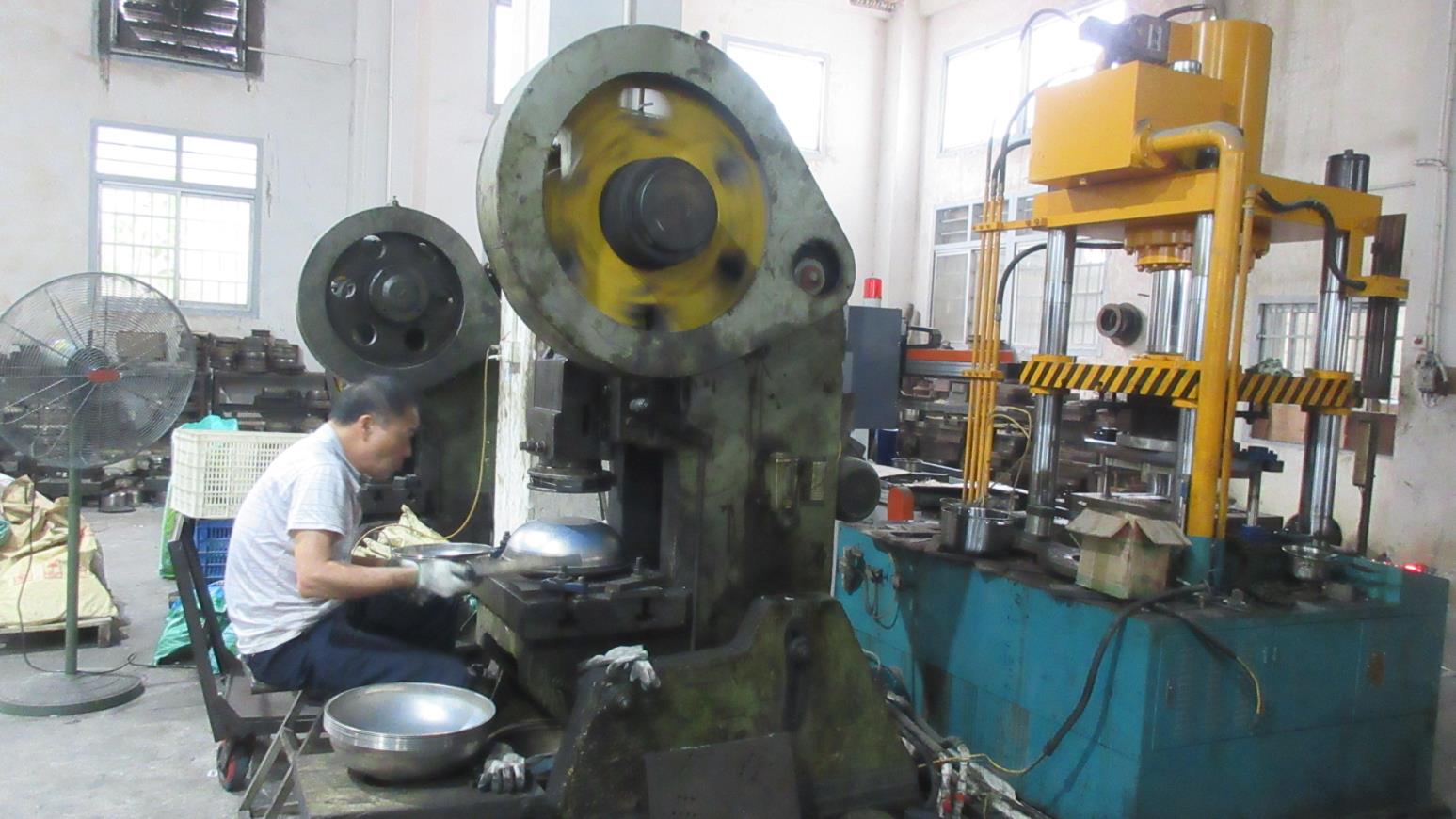
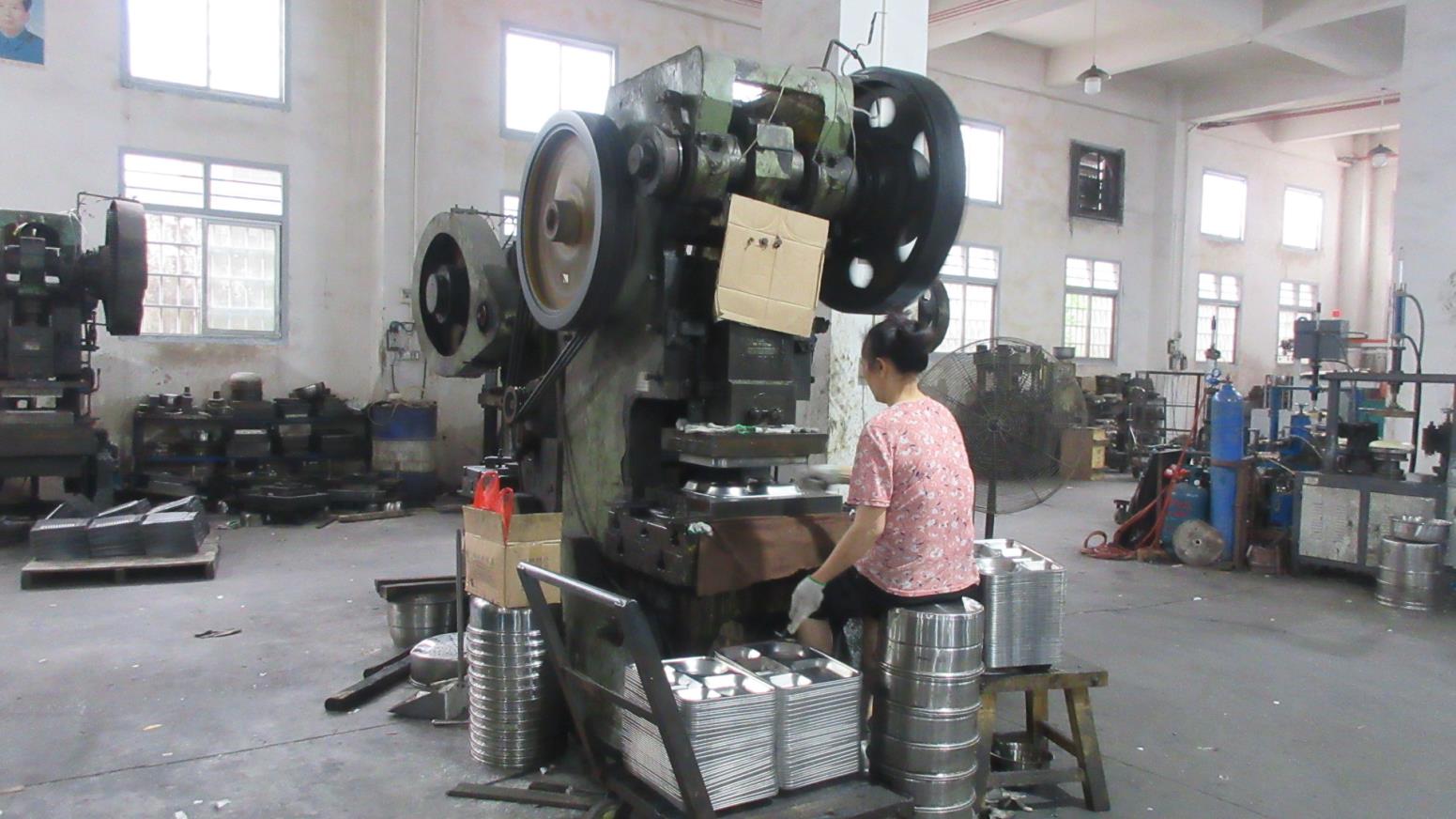
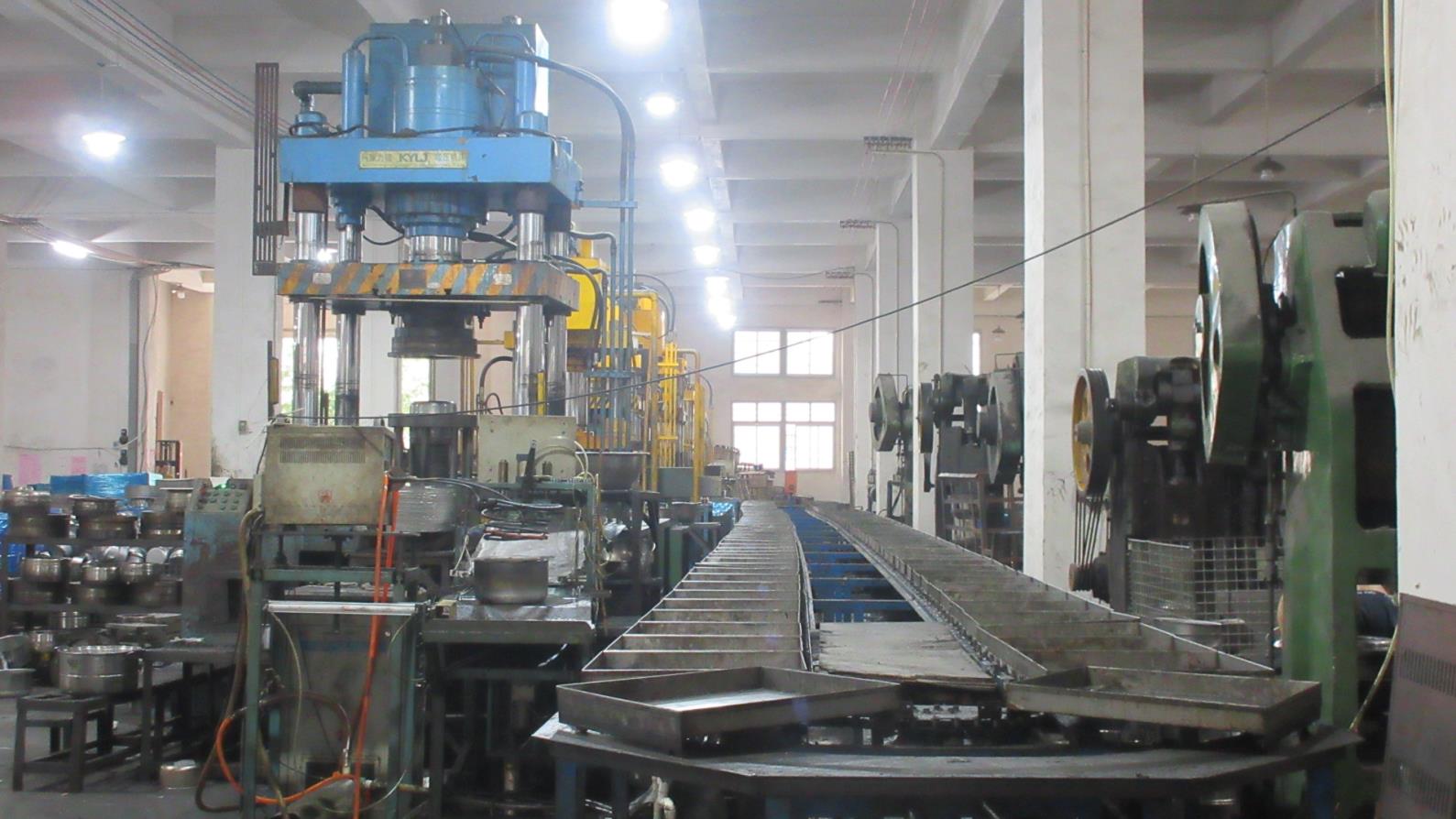
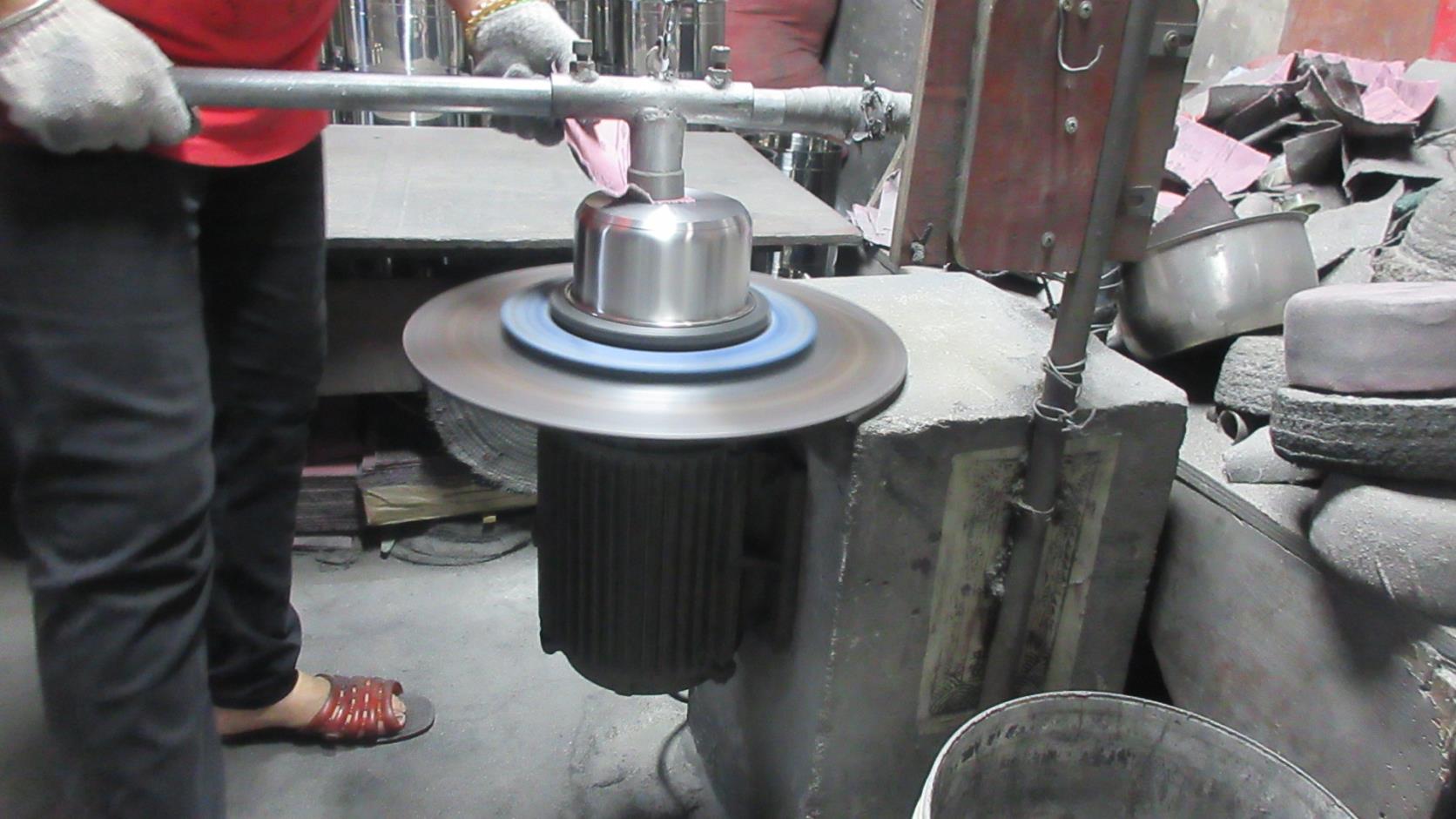
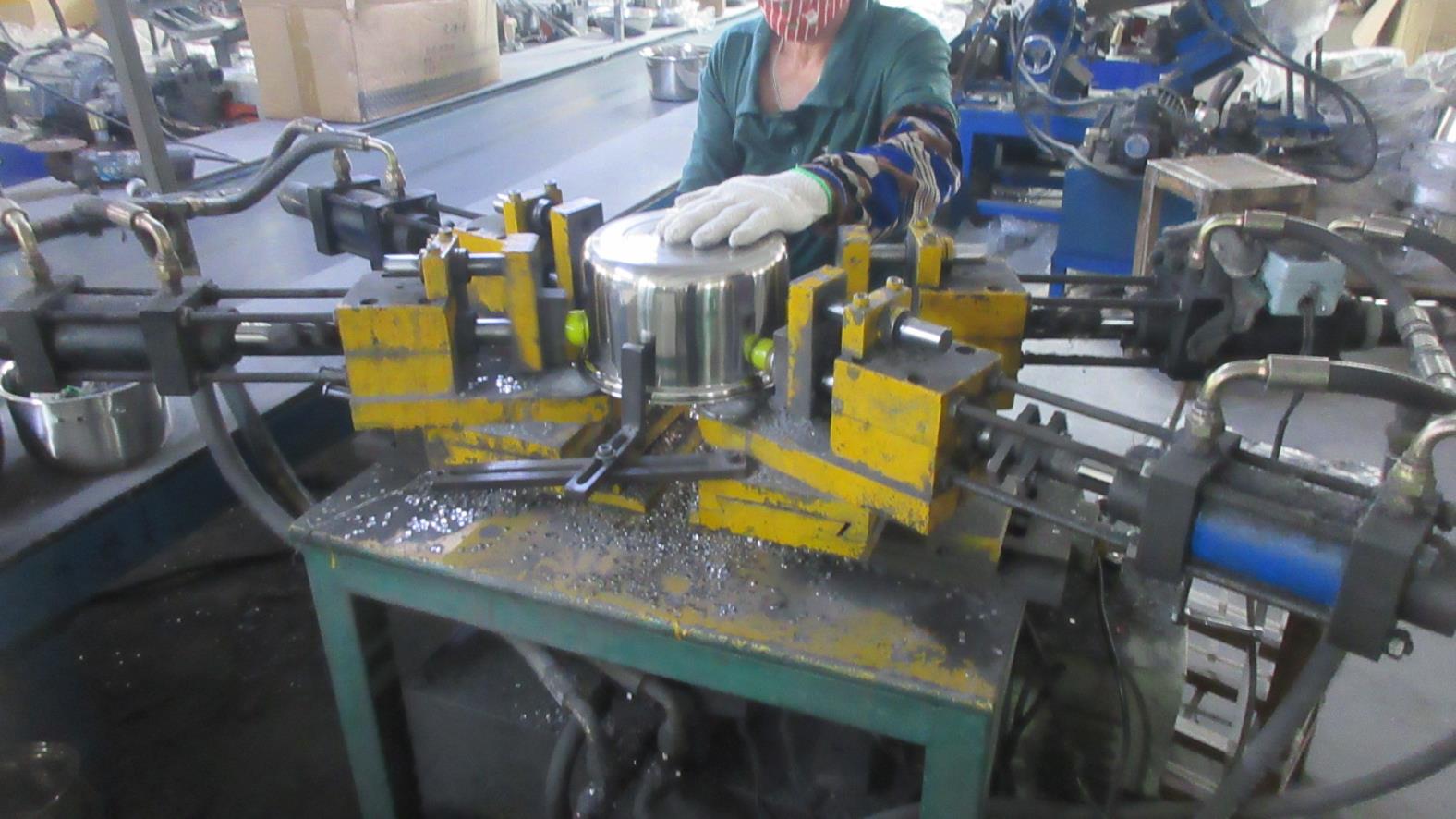
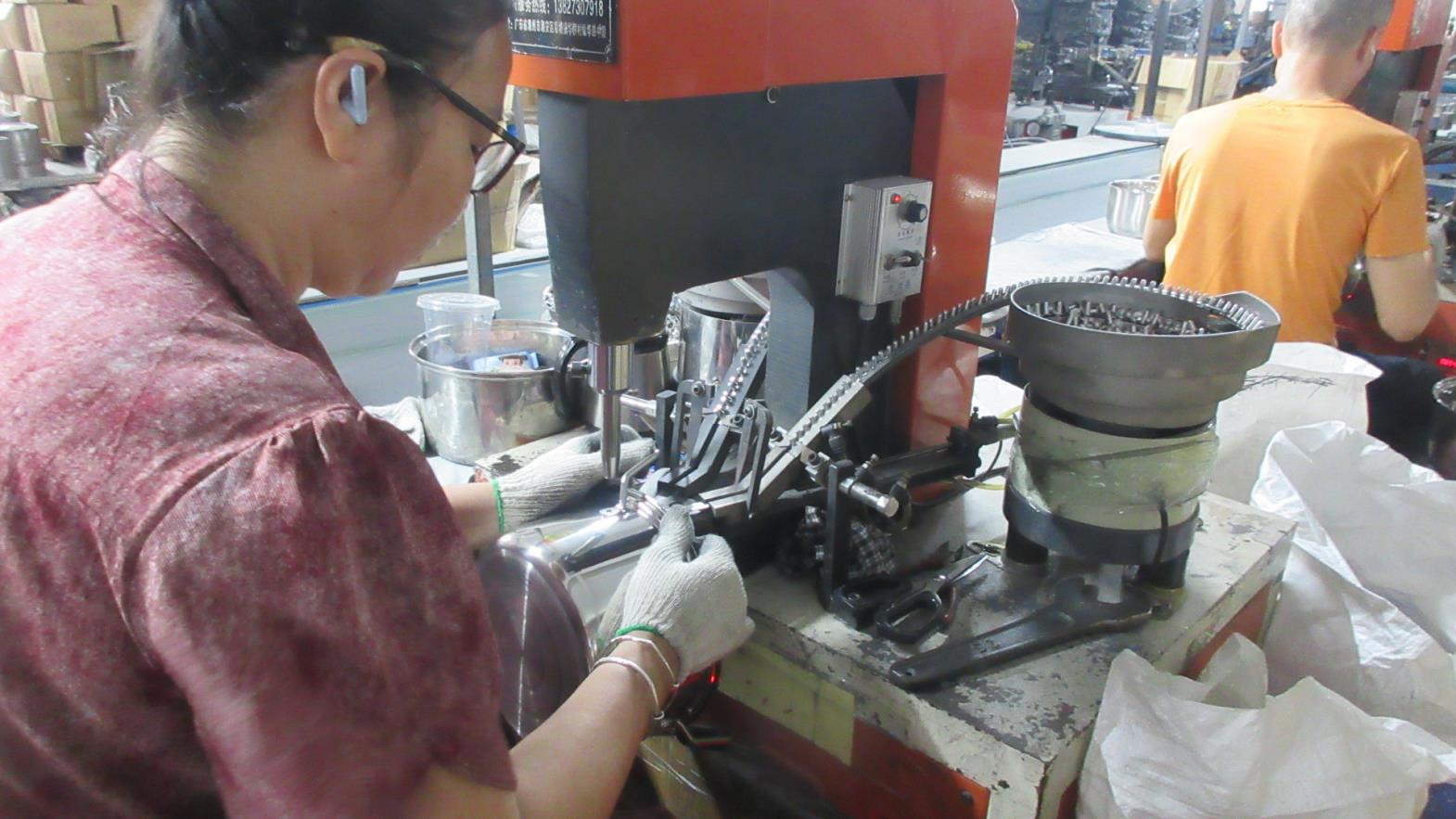
Why sourcing from specialized Chinese manufacturing hubs like Chaoshan optimizes margins and accelerates time-to-market.
China's cookware manufacturing sector, particularly in regional hubs like Shantou and the broader Chaoshan plain, offers unique supply-chain integrations. Instead of relying on disparate suppliers, factories here are deeply connected within localized industrial networks. Raw material processing, mold creation, heat-treatment facilities, surface polishing, and logistics networks operate in close proximity. This geographic clustering minimizes shipping delays for raw steel, standardizes processing costs, and drastically reduces lead times for complex OEM/ODM projects.
For global sourcing managers, this localized infrastructure yields significant economic and qualitative benefits:
As the market evolves, three major trends are shaping the future of industrial cookware production:
1. Multi-Ply Clad Construction: Traditional single-ply pots with bonded disks are increasingly being replaced by full multi-ply construction (3-ply, 5-ply, and 7-ply configurations). This extends the heat-conducting aluminum core from the bottom all the way up the side walls, delivering highly uniform heating.
2. Ergonomics and Heat Isolation: Professional kitchens prioritize safety and speed. Advanced hollow handle structures or cast stainless steel configurations with engineered heat-dams ensure handles remain touchable even during extended boiling processes.
3. Advanced Surface Treatments: Innovative electrostatic coating, eco-friendly ceramic interiors, and precision satin exterior finishes help kitchens meet demanding sanitization protocols and speed up cleaning times.
Understanding how different regions and business models utilize custom stockpot configurations.
Typically requires large-capacity, heavy-gauge NSF-certified cookware. The preference leans toward 18/10 stainless steel with thick, secure aluminum impact-bonded bases to support fast-paced, high-volume dining environments.
Strong emphasis on compliance with LFGB and DGCCRF regulations. Products must feature sleek designs, satin polish finishes, and full compatibility with precision induction cooktops, supporting energy conservation initiatives.
Focuses on maximum durability and high-capacity units (e.g. 50-100 liters) with reinforced rims. These vessels must withstand continuous sanitization, heavy stirring machinery, and aggressive cleaning schedules without warping.
A professional roadmap for procurement directors executing direct-from-factory cookware supply chains.
In international B2B procurement, verifying factory claims is essential for risk mitigation. When auditing a potential OEM/ODM stainless steel stockpot manufacturer, purchasing directors should prioritize the following compliance metrics:
1. Material Certification Verification: Request mill test certificates (MTC) to verify chemical compositions. AISI 304 must contain a minimum of 18% Chromium and 8% Nickel. Lower levels can lead to rust and degradation in humid, commercial kitchen settings.
2. Bottom Bonding Integrity: The bond between the base disk and the pot body must be free of internal air gaps. Air voids can cause the bottom to separate during high-heat operation. Factories should employ ultrasonic testing (UT) or regular thermal cycling destructive tests to guarantee bonding reliability.
3. Heavy-Metal Extraction Standards: Ensure products meet requirements for lead, cadmium, and nickel migration. European markets require compliance with food-contact regulation (EC) 1935/2004, while North American buyers must verify FDA GRAS compliance.
4. Factory Auditing: Ensure the manufacturer maintains active certifications like ISO9001 and ISO14001, and undergoes social compliance checks (such as BSCI or SMETA audits) to support global supply chain transparency.
Technical and logistical insights from our manufacturing specialists.
304 stainless steel contains 18% chromium and 8% nickel, providing strong resistance to rusting and corrosion for general cooking. 316 stainless steel adds 2% molybdenum, giving it superior resistance to chlorides and acids, making it ideal for preparing highly acidic sauces, heavy brines, or marinades.
Impact bonding uses high friction pressure (2,500+ tons) to instantly bond the aluminum core between the steel layers without brazing agents. This creates a solid, unified base that is highly resistant to warping, thermal shock, and separation over long-term use.
We offer custom sizing and capacities, custom metal wall thicknesses, unique lid configurations (including tempered glass or stainless steel), custom handle shapes, and private labeling services (such as laser marking, embossing, and custom packaging design).
To make 304 or 316 stainless steel stockpots compatible with induction cooktops, we apply an outer layer of magnetic stainless steel (like AISI 430) during the forming and base bonding processes. This allows magnetic induction cooktops to heat the cookware efficiently.
Guangdong Kaus Kitchen Co., Ltd. is certified under ISO9001 for Quality Management and ISO14001 for Environmental Management. Our products can be manufactured to comply with national CCC, FDA, and European LFGB standards.
Standard production lead time typically ranges from 30 to 45 days after the approval of pre-production samples and receipt of the deposit. Custom mold creation may add an additional 15 to 20 days during the early stages of development.
We perform strict quality control at every phase, including raw material inspection, dimensional checking during pressing and forming, surface polish testing, bottom bonding inspection, and final quality control (FQC) packaging audits.
MOQ requirements vary based on the level of customization. Typically, our standard B2B production run requires an MOQ of 500 units per size or set. We also offer flexible solutions for initial trial runs under certain conditions.
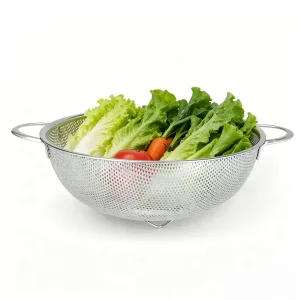
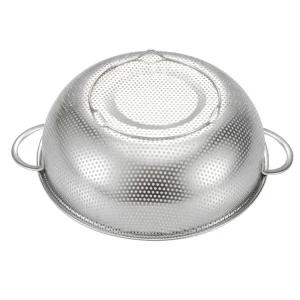
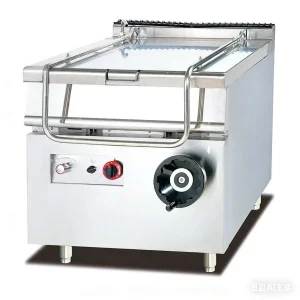
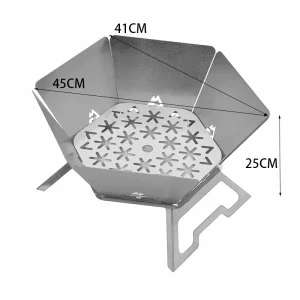
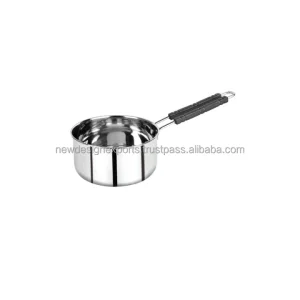
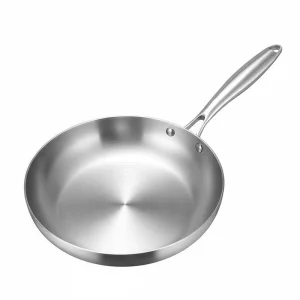
Browse our additional commercial kitchenware and outdoor equipment options built for demanding environments.
 Kaus Kitchen