Explore our primary commercial products engineered for high-performance operations, utilizing advanced metallurgy and strict compliance standards.
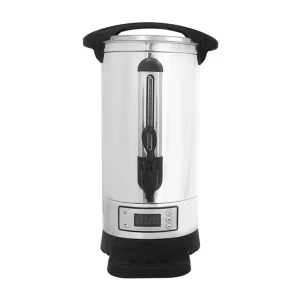
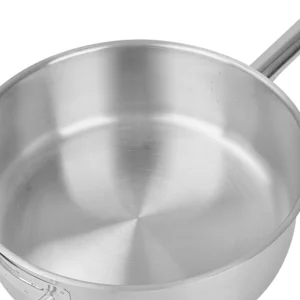
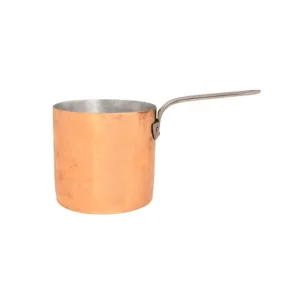

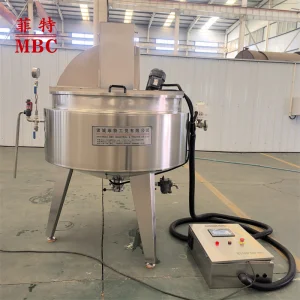
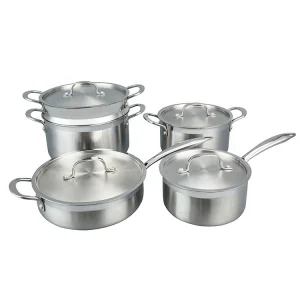
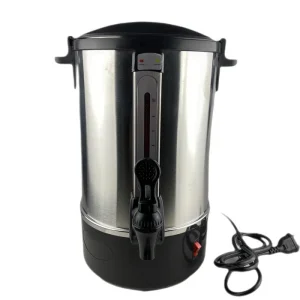
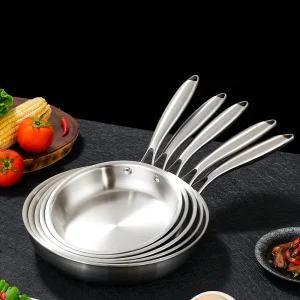
In the global food service and commercial culinary sectors, the choice of preparation tools is not merely a matter of convenience—it is a critical parameter of sanitation, thermal reliability, and operational durability. As an essential component of professional kitchens, the global market for stainless steel cooking utensils (including cooking spoons, ladles, spatulas, and skimmers) is experiencing significant growth. According to recent industrial data, the demand is driven by the rapid expansion of the hospitality, restaurant, and catering (HORECA) industries, combined with increasingly stringent global hygiene standards (such as NSF, FDA, LFGB, and EC 1935/2004 regulations).
Modern cooking spoons must withstand extreme temperature dynamics, corrosive chemical environments (including acidic foods and sanitizers), and high mechanical stress. To achieve this, leading manufacturers leverage austenitic stainless steel alloys—predominantly AISI 304 (18/8) and AISI 316 (18/10)—which provide an optimal combination of chromium and nickel to resist pitting and crevice corrosion. Additionally, the integration of advanced ergonomics and structural reinforcement has transformed simple tools into high-precision culinary instruments.
| Alloy Grade | Composition (Cr/Ni) | Corrosion Resistance | Primary Industrial Use Case |
|---|---|---|---|
| AISI 304 (18/8) | 18% Chromium, 8% Nickel | Excellent (Standard Commercial) | General food prep spoons, skimmers, stock pots, and intermediate food handling tools. |
| AISI 316 (18/10) | 18% Chromium, 10% Nickel, 2% Mo | Superior (Marine & Acidic) | Heavy-duty catering in high-salinity or acidic environments, industrial boiling vessels. |
| AISI 430 (Ferritic) | 16-18% Chromium, <0.75% Nickel | Moderate (Magnetic) | Induction-compatible base cladding, budget-oriented domestic cutlery. |
Guangdong Kaus Kitchen Co., Ltd. is located in the vibrant and economically dynamic region of the Chaoshan plain in Shantou, Guangdong Province, an area renowned for its strong manufacturing foundation and rich tradition in stainless steel and kitchenware production.
As a modern, comprehensive enterprise integrating research and development, manufacturing, sales, and service, Kaus Kitchen specializes in high-quality stainless steel kitchenware, hotel supplies, and household tableware products. Guided by the core business philosophy of “quality first, customer foremost,” Kaus Kitchen is committed to delivering durable, safe, and innovative kitchen solutions to global customers.
The company has obtained ISO9001 International Quality Management System certification and ISO14001 Environmental Management System certification, ensuring strict standards in product quality control and sustainable production practices. In addition, several of its products have passed national safety and compliance certifications, including CCC certification for applicable electrical or regulated items.
"Through continuous innovation and technological investment, Guangdong Kaus Kitchen Co., Ltd. has been awarded multiple honors such as 'Guangdong Famous Brand Product' and 'Guangdong Contract and Credit Enterprise', reflecting its strong reputation in both domestic and international markets."
Operating within a modern garden-style industrial park covering approximately 30,000 square meters, a dedicated workforce of over 100 skilled employees ensures stable production capacity and consistent product quality.
To achieve high strength, micro-smooth sanitary surfaces, and defect-free structures, Kaus Kitchen adheres to an advanced fourteen-step industrial sequence. Below is the technical breakdown of our complete processing line.
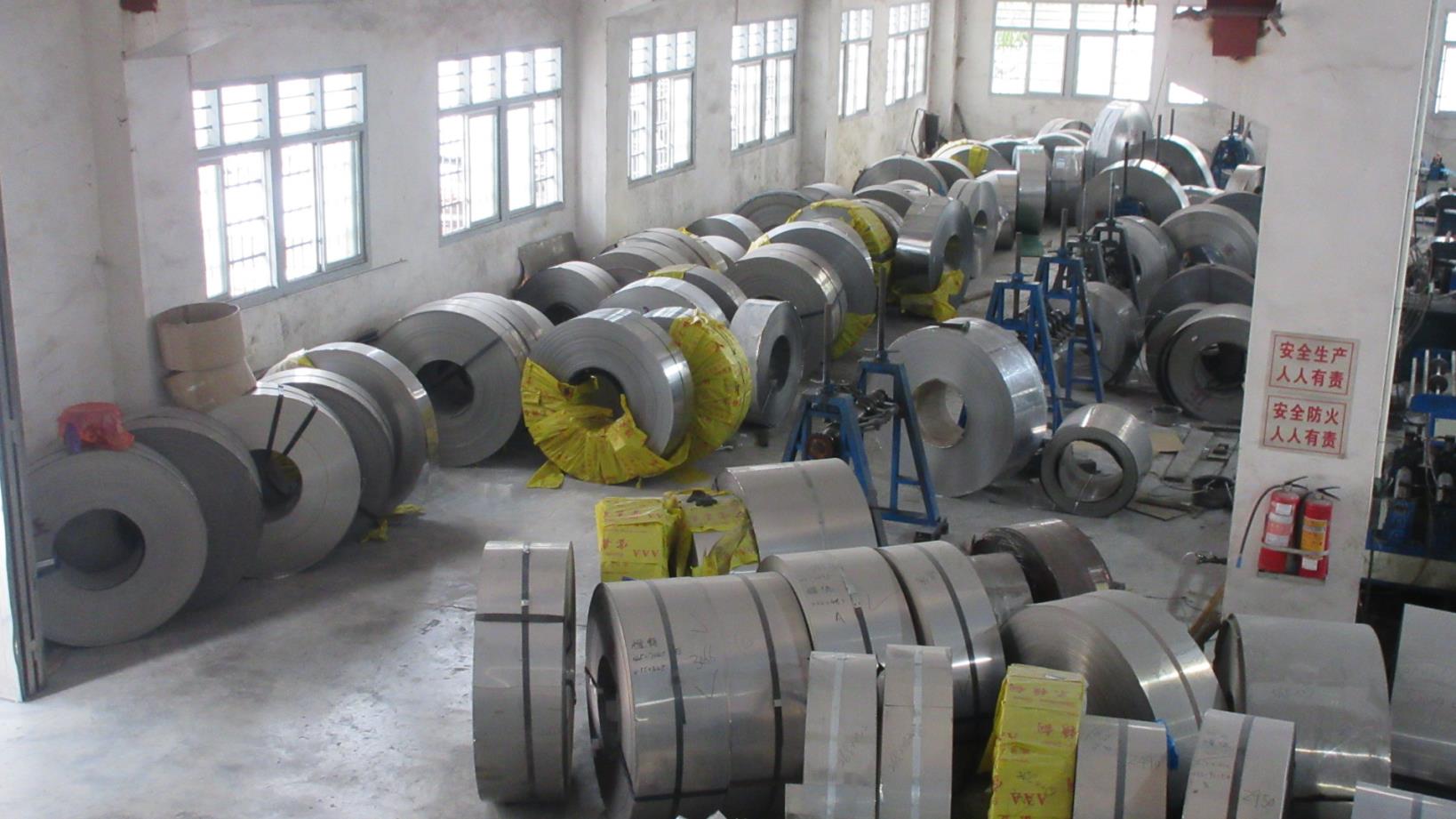
Spectral testing of incoming stainless steel coils for alloy composition verification.
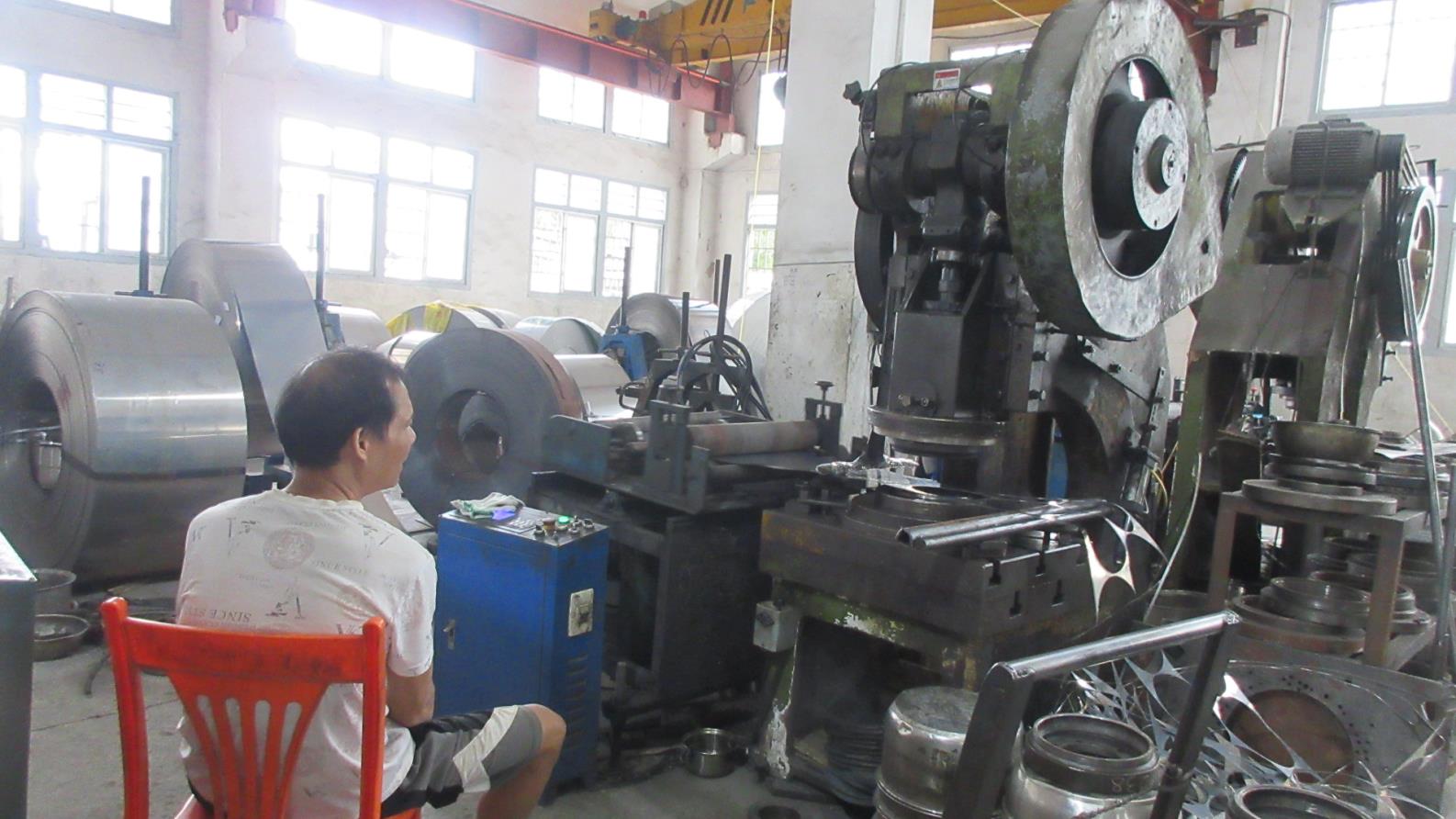
Slicing materials into optimized dimensional blanks to minimize scrap rates.
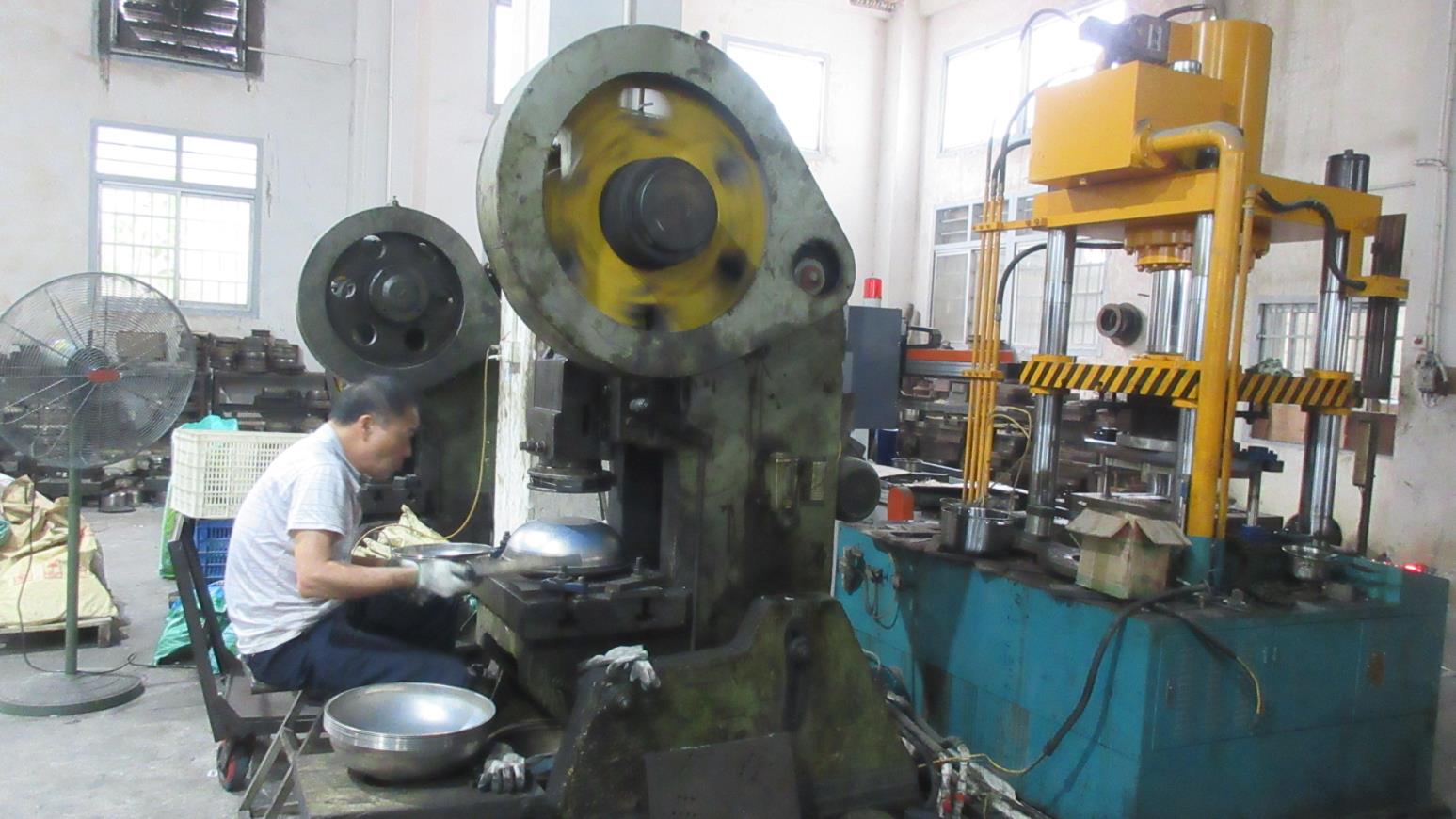
Heavy hydraulic machinery forms the fundamental profile curves under high tonnage.
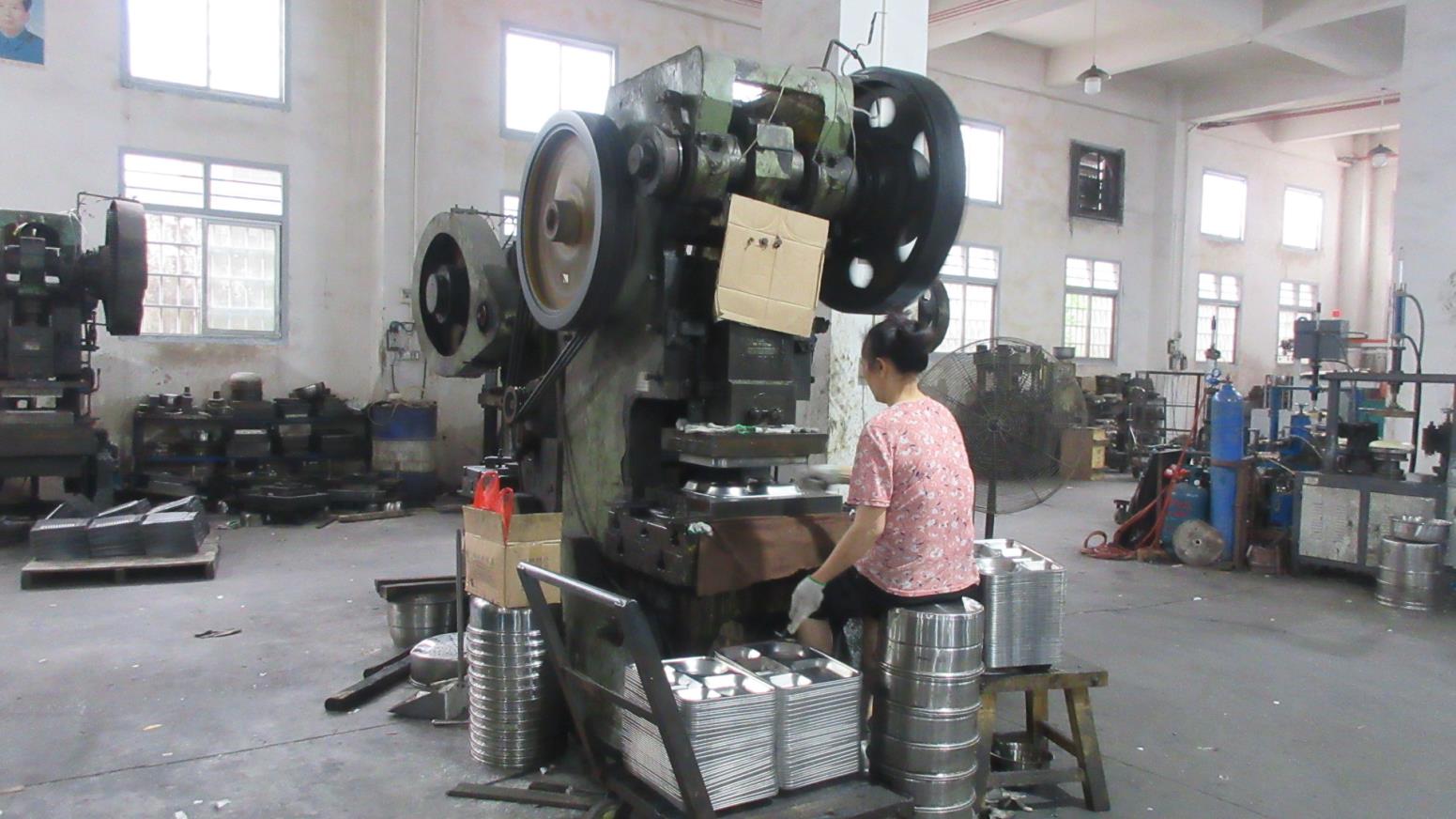
Precision molding and casting of thick hardware connectors and ergonomic handles.
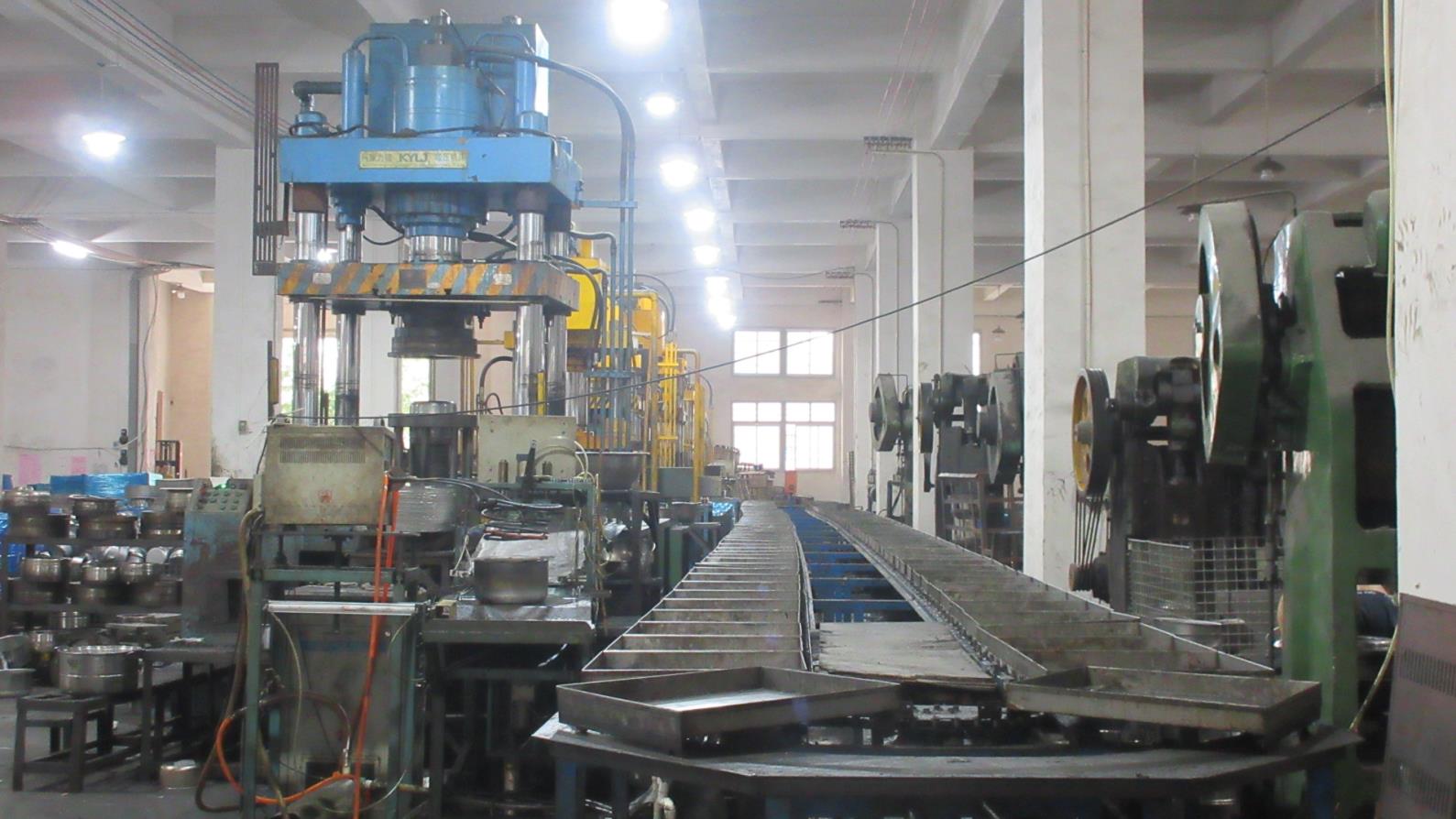
Final geometry configuration to ensure structural rigidity and balance.
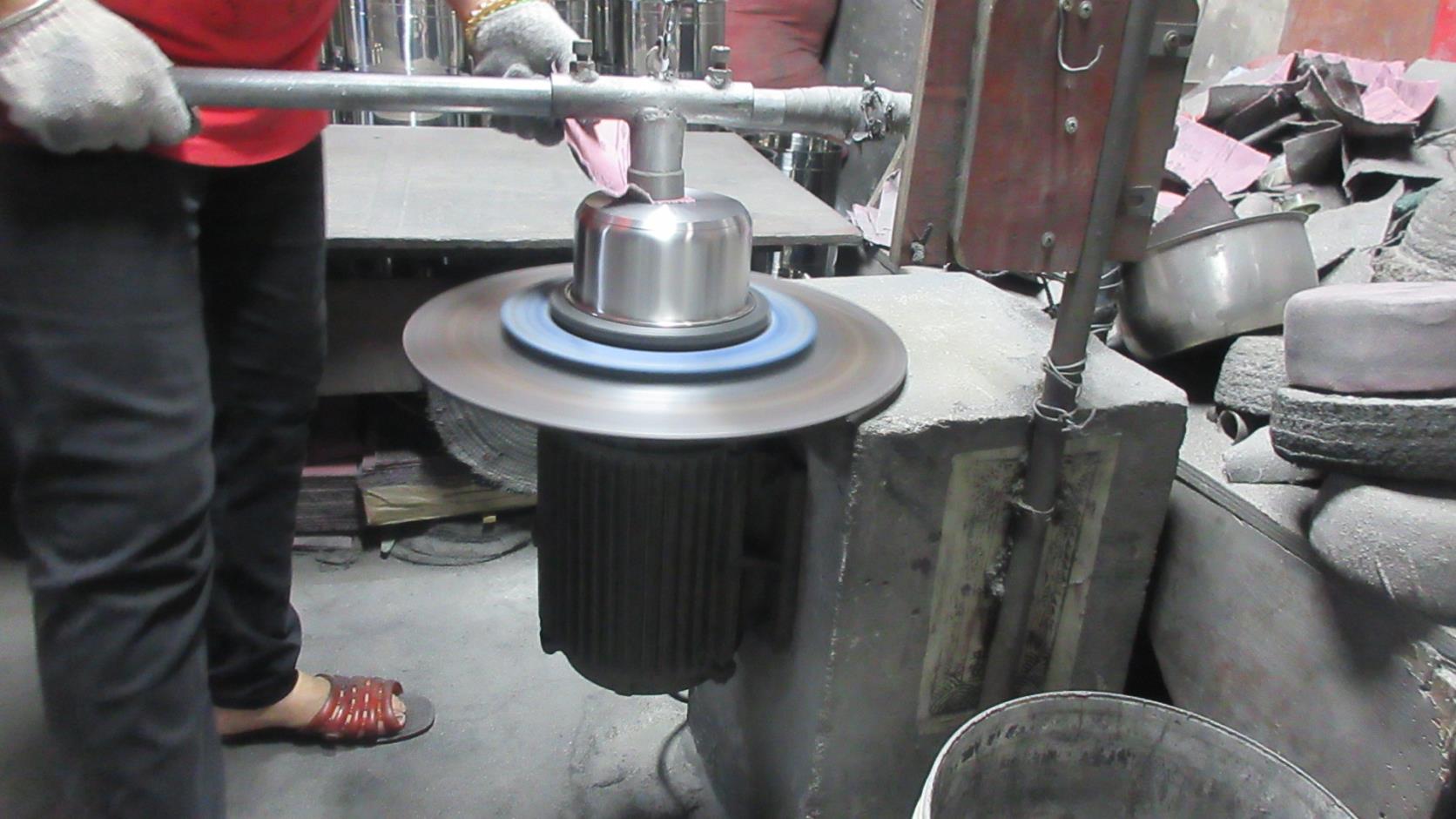
Multi-step polishing achieves mirror/satin finish, eliminating micro-grooves.
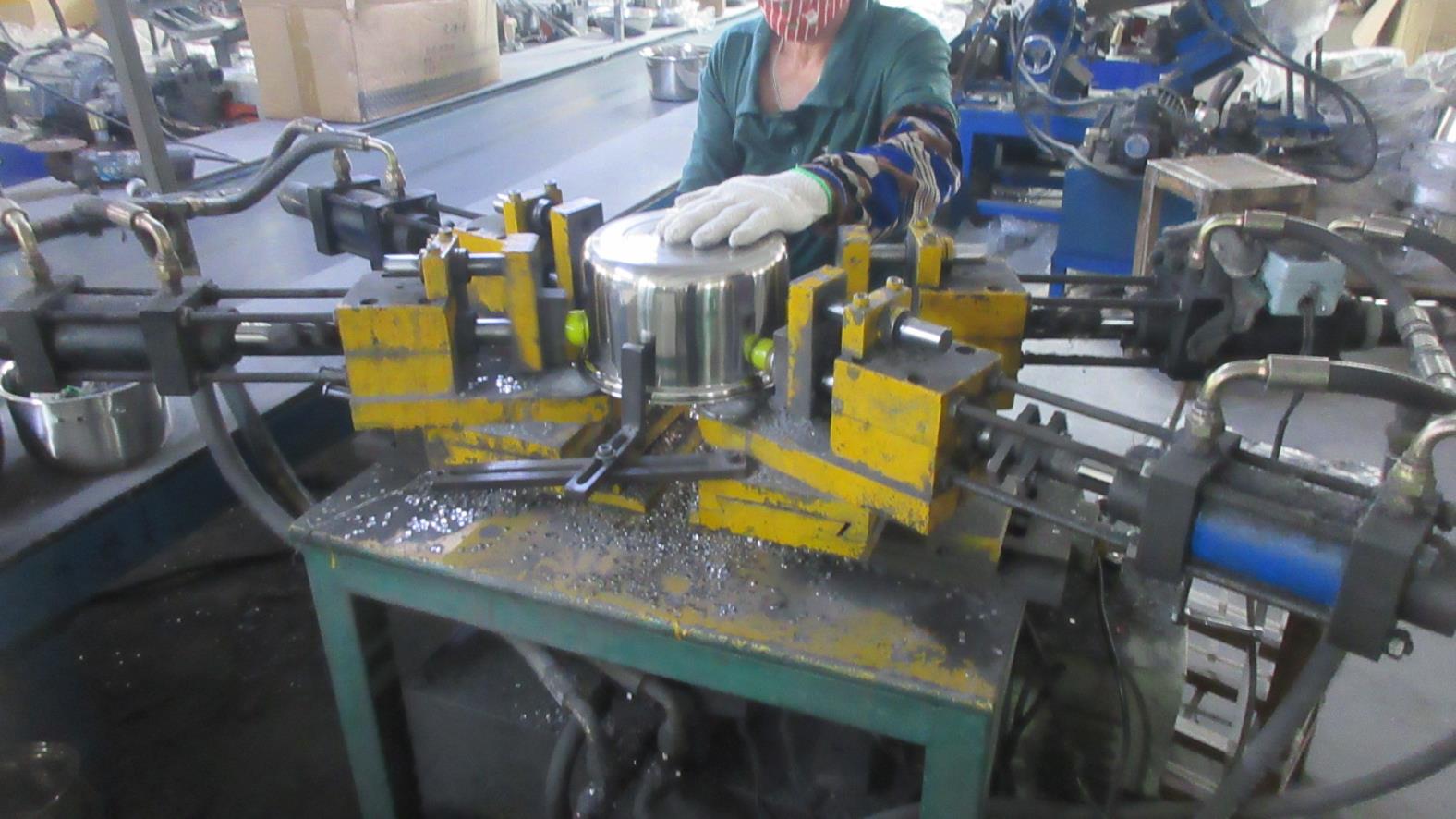
Forming precise mounting holes and decorative designs without edge tearing.
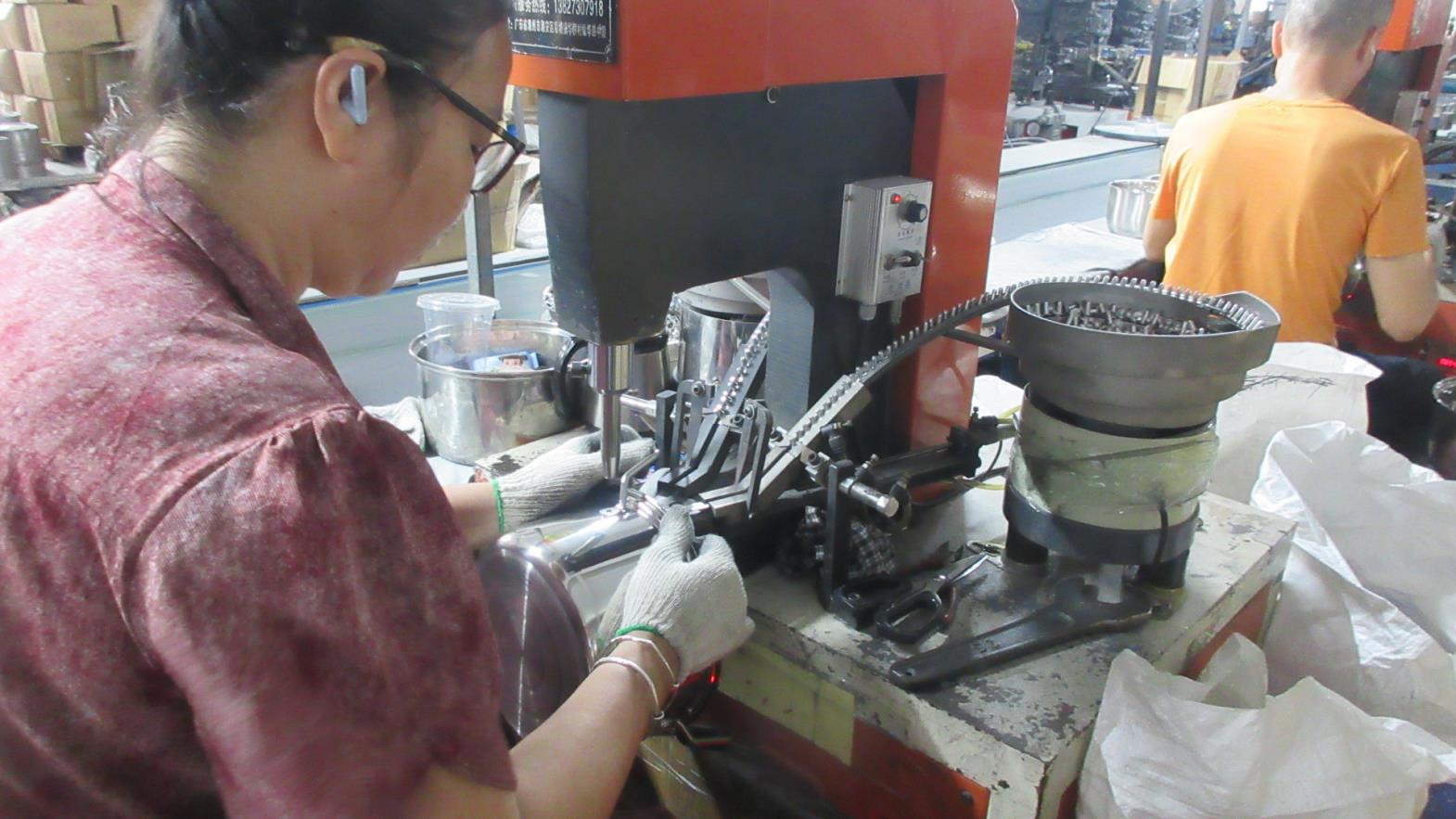
Securing high-stress junction points via high-tonnage pneumatic cold riveting.
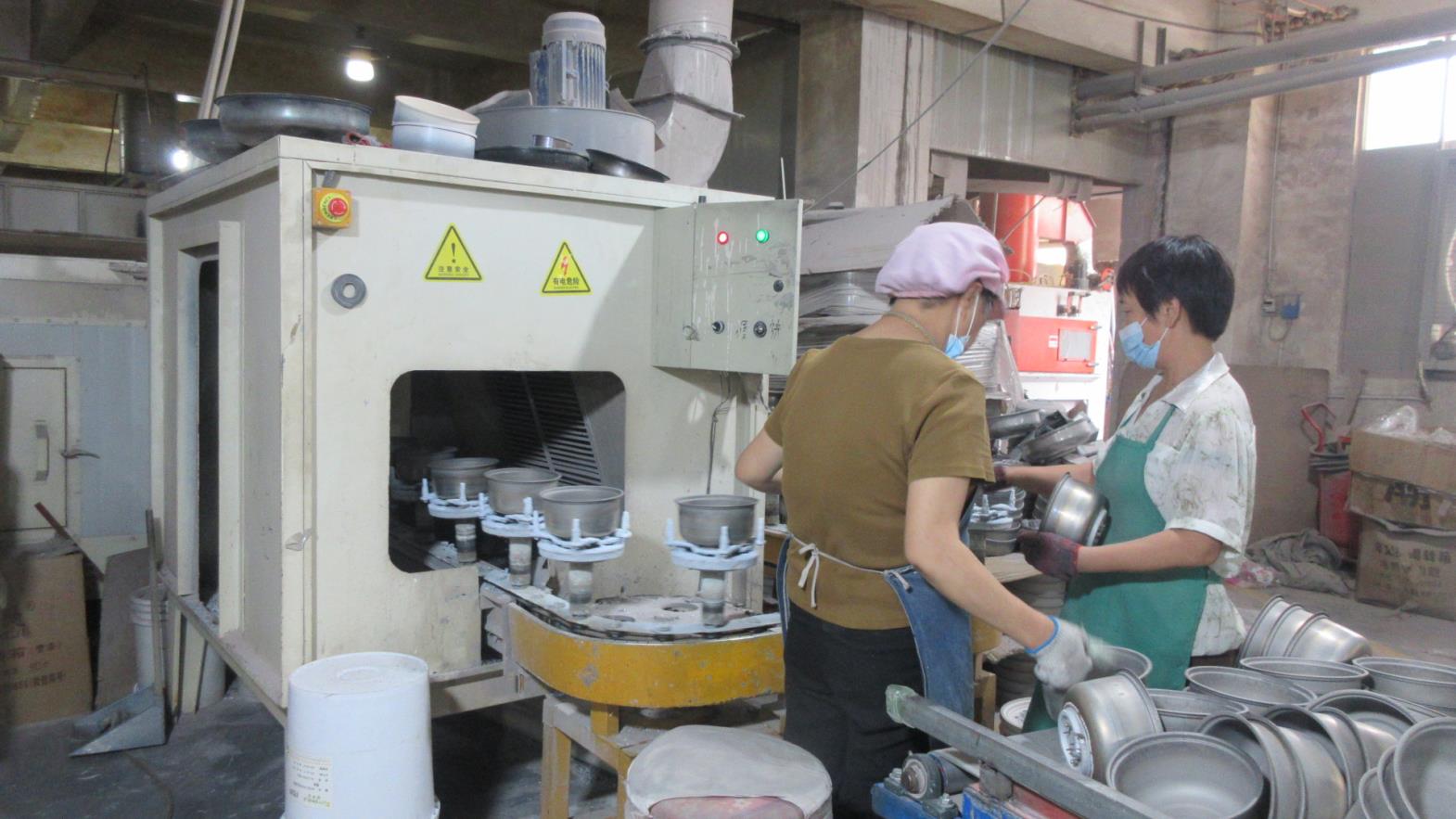
Applying heat-resistant and non-stick coatings where specified (e.g. pan handles).
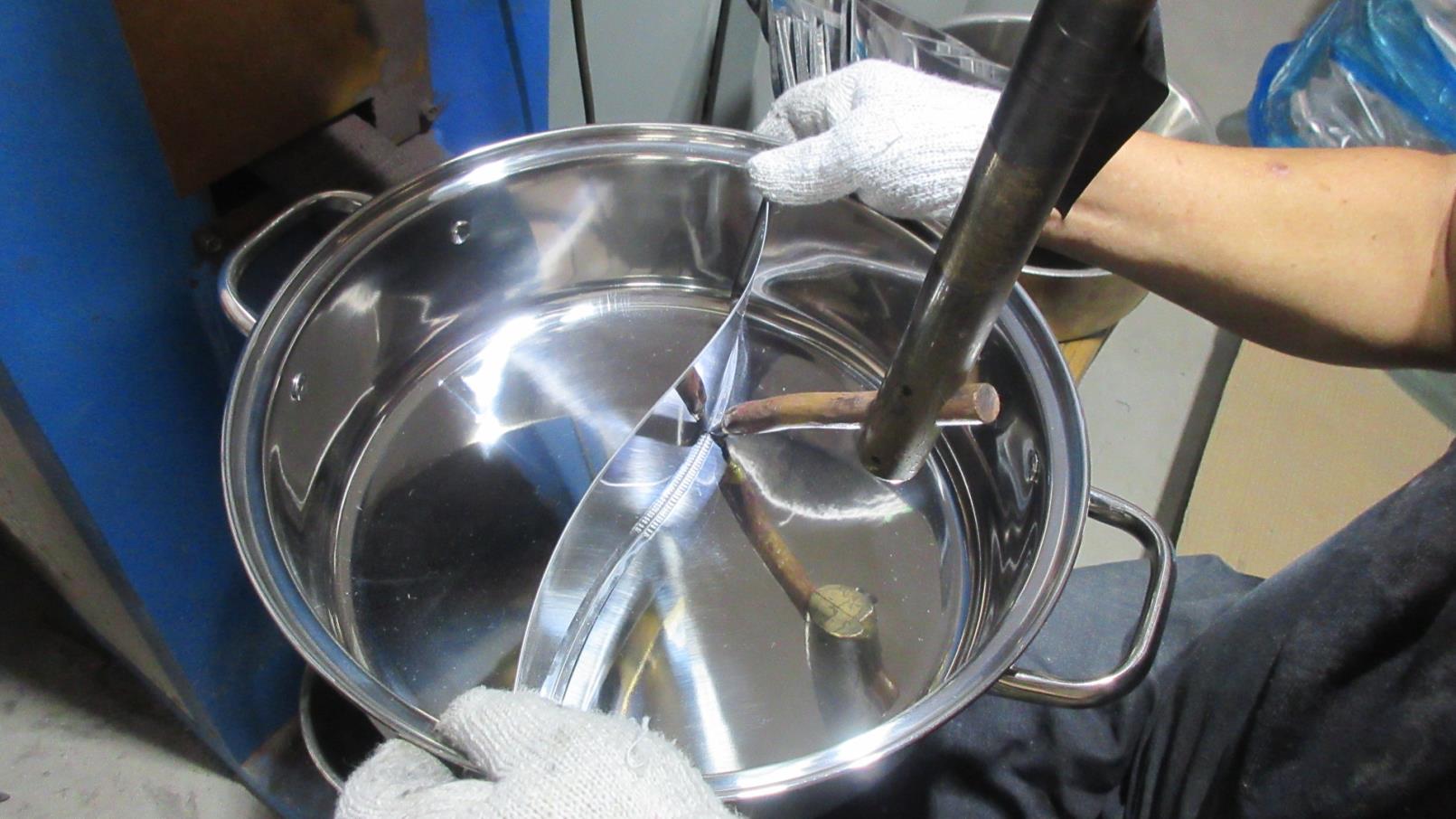
Seamless junction welding using inert gas shields to avoid oxidation.
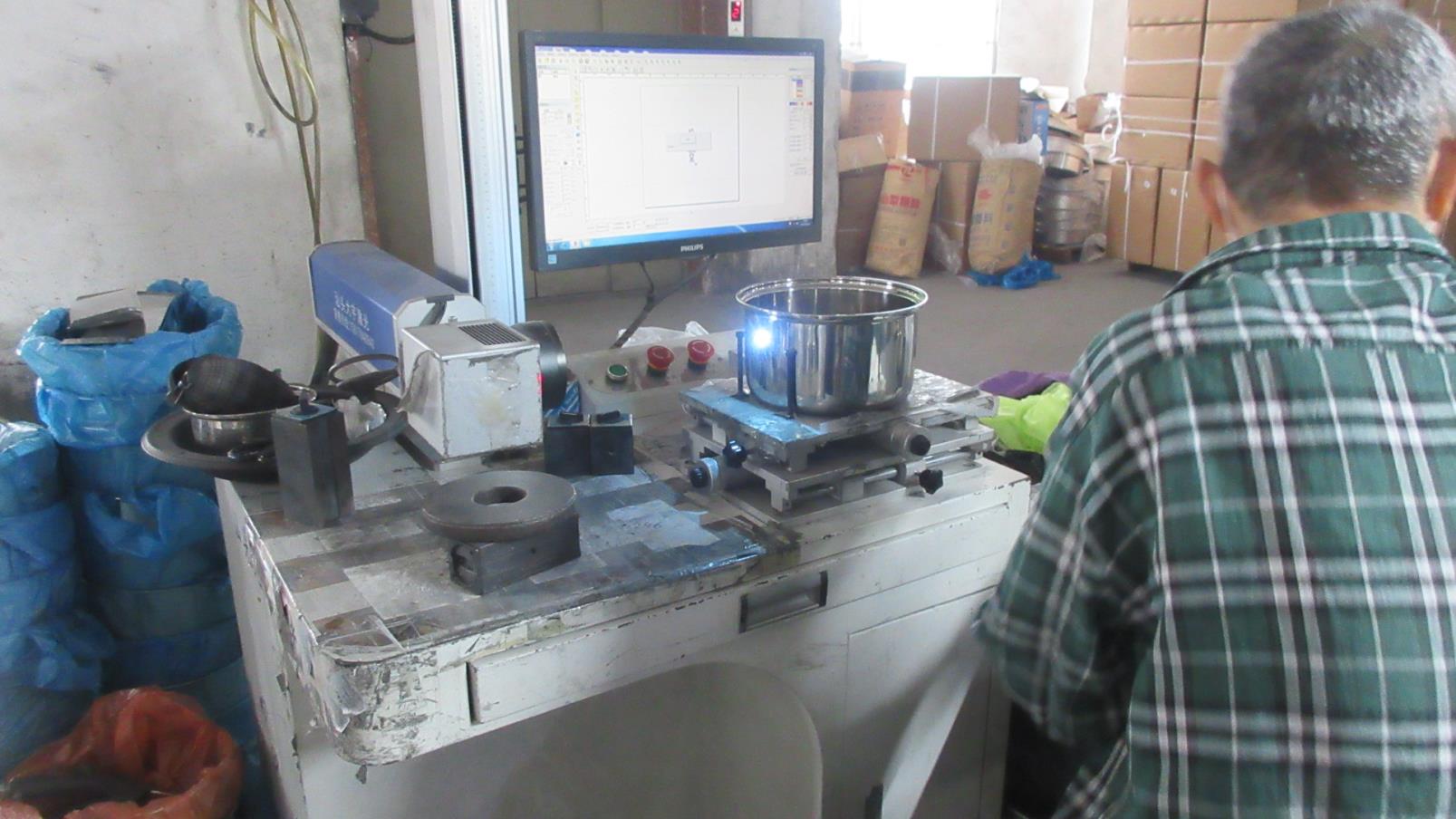
Permanent etching of volume scales, batch codes, and OEM branding logos.
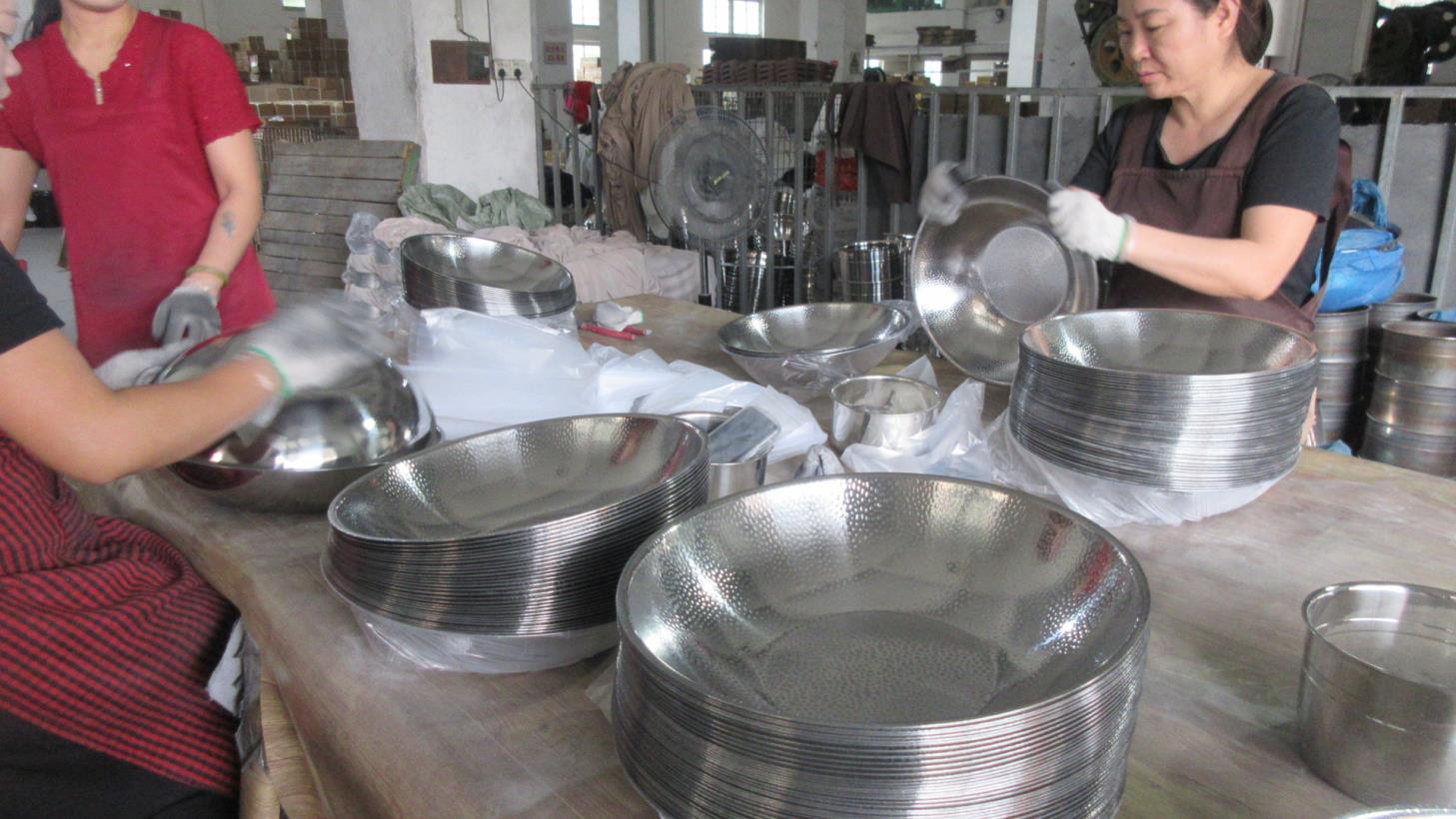
100% manual and sensor-based checking for mechanical integrity and micro-finish compliance.
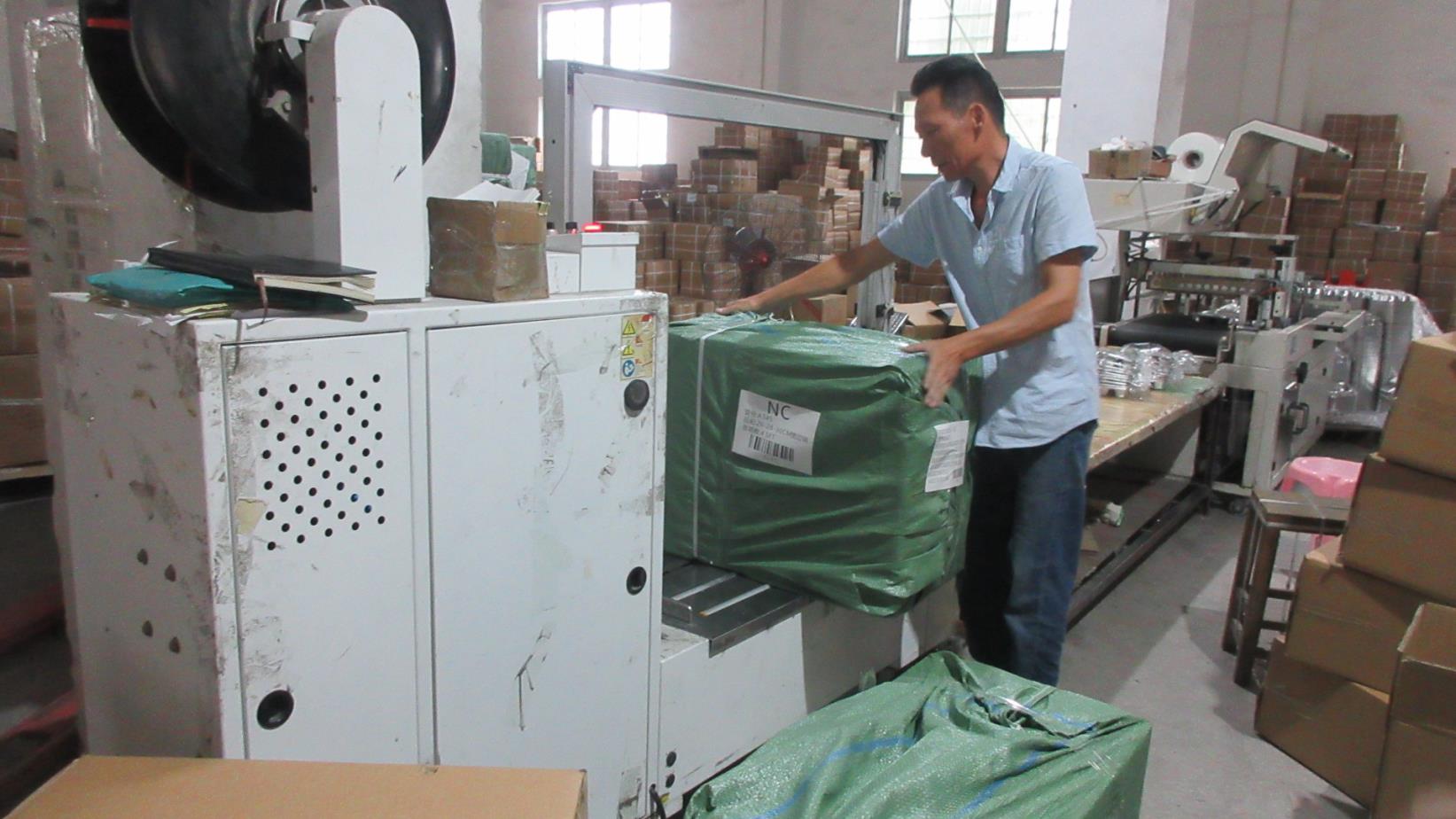
Moisture-resistant polybags and heavy-duty carton packing to secure products in transit.
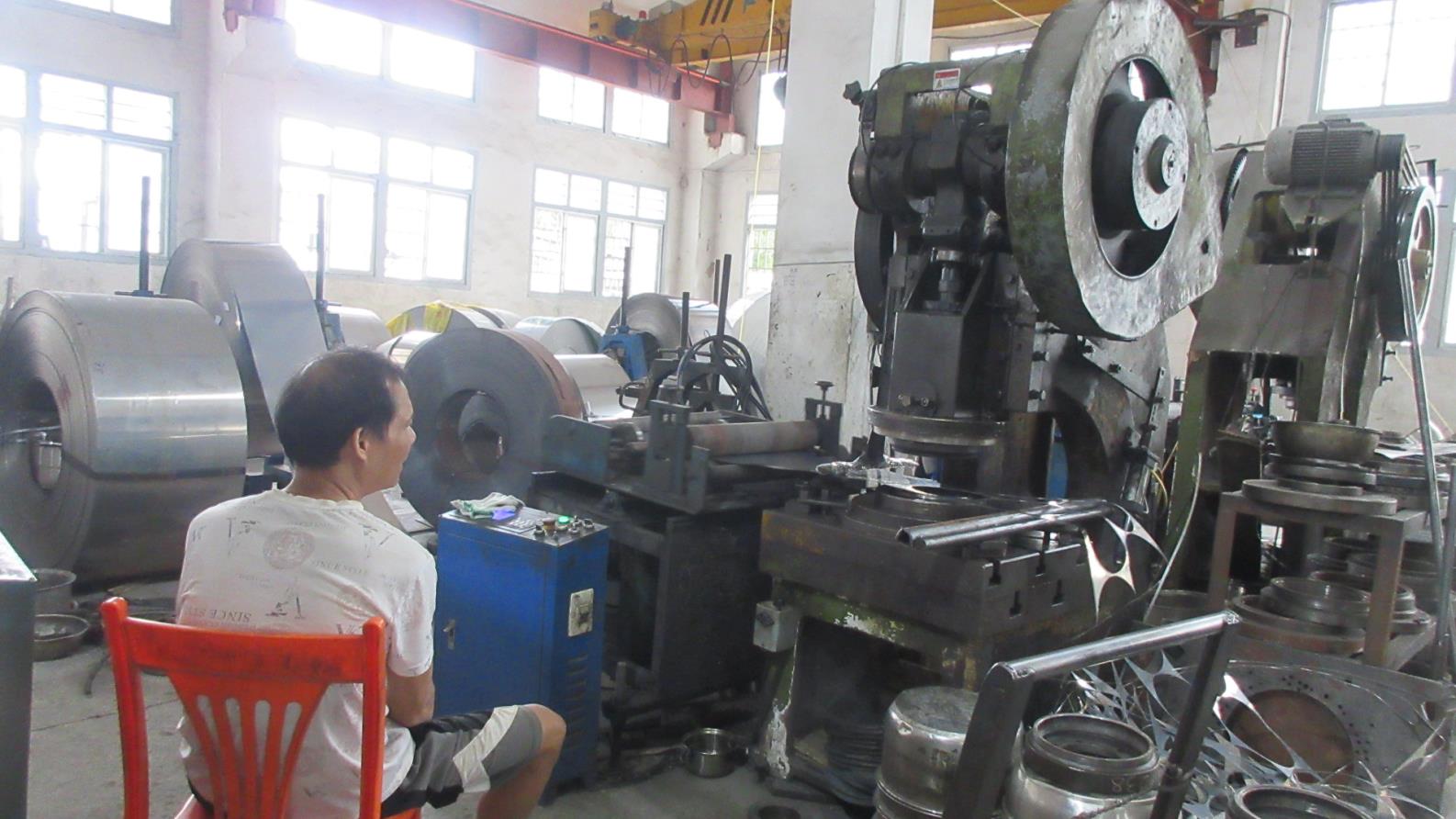
Continuous optimization of trimming lines using state-of-the-art cutting machines.
As culinary operations scale up globally, the criteria for selecting procurement partners shift from pure price optimization to life-cycle value, ecological accountability, and technological innovation. Below are the prominent macro trends influencing the high-end stainless steel spoon and kitchenware manufacturing space.
Manual forging is increasingly replaced by high-precision CNC multi-axis stamping machinery. This switch guarantees micro-level thickness consistency, meaning that every cooking spoon in a batch of 50,000 shares identical center-of-gravity dynamics, weight, and joint integrity.
In response to carbon-neutral production guidelines, Kaus Kitchen implements advanced closed-loop water recirculation systems during the grinding and polishing stages. We minimize metal scrap generation via nested layout programming during the raw material cutting phase.
Future-oriented catering operations require surfaces that actively resist bacterial colonization. Innovations in electropolishing coupled with titanium physical vapor deposition (PVD) enhance surface density, rendering the metal hydrophobic and preventing protein adhesion.
Kitchen tools must adapt to the operational profiles of their specific environments. Here is how Kaus Kitchen matches product engineering to diverse real-world culinary spaces:
In commercial hotels and restaurant kitchens, kitchenware undergoes continuous thermal transitions and high-frequency washing cycles. Spoons and pans in these settings require integrated single-piece handles or heavy-duty rivets to eliminate gaps where food particles could accumulate and lead to bacterial growth.
Large-scale catering operations require extra-long handles and deep ladle bowls to handle substantial volume outputs safely. The focus here is on lightweight design combined with high tensile strength to prevent operator fatigue during extended service shifts.
For retail markets, visual appeal and retail packaging are crucial. Kaus Kitchen provides high-grade mirror polishing, precise laser-marked logos, custom retail packaging options, and compliance certification documents to facilitate rapid brand integration for distributors.
Review technical details regarding chemical specifications, lead times, custom design processes, and food-safety compliances.
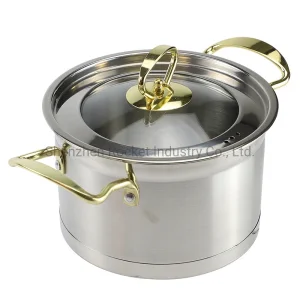
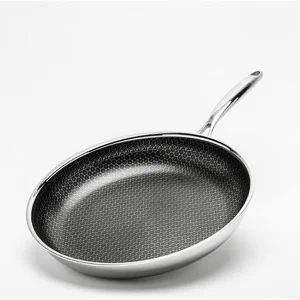
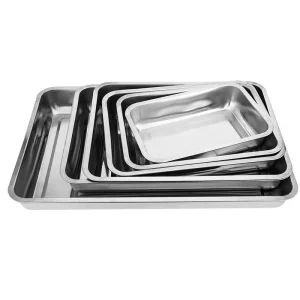
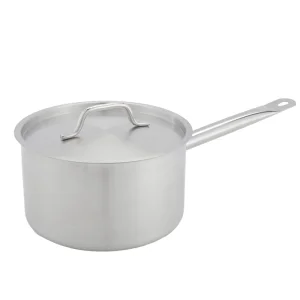
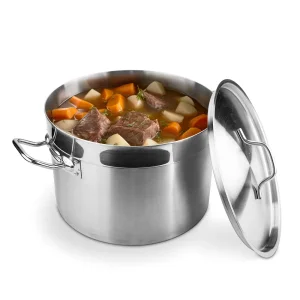
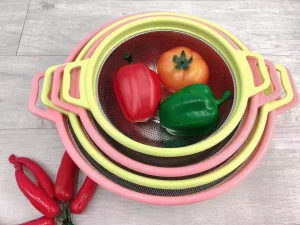
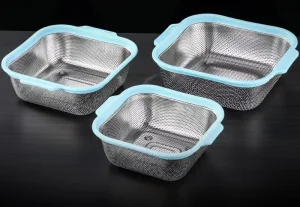
Browse our extended product portfolio featuring premium stock pots, pans, colanders, and heavy-duty cooking equipment.
 Kaus Kitchen