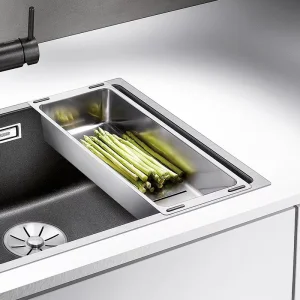
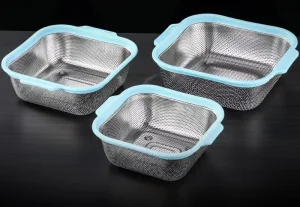
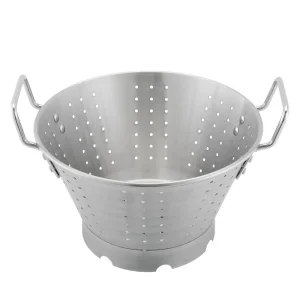
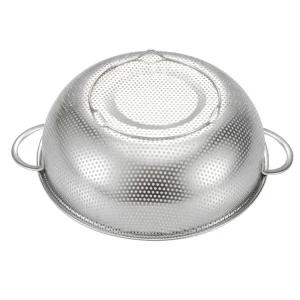
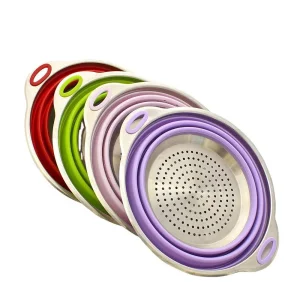
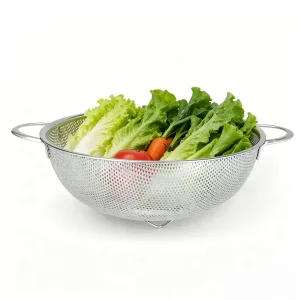
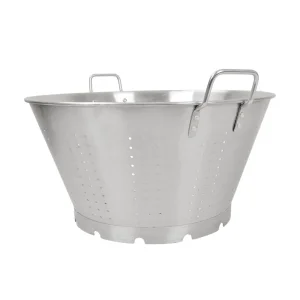
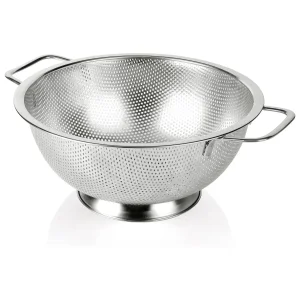
Corrosion-resistant commercial drainers optimized for high-temperature and coastal humidity conditions of West & Central Africa.
Guangdong Kaus Kitchen Co., Ltd. is located in the vibrant and economically dynamic region of the Chaoshan plain in Shantou, Guangdong Province, an area renowned for its strong manufacturing foundation and rich tradition in stainless steel and kitchenware production. The company is a modern, comprehensive enterprise integrating research and development, manufacturing, sales, and service, specializing in high-quality stainless steel kitchenware, hotel supplies, and household tableware products.
Guided by the core business philosophy of “quality first, customer foremost,” Kaus Kitchen is committed to delivering durable, safe, and innovative kitchen solutions to global customers. Our deep technical expertise allows us to cater effectively to specialized international markets, particularly the rapidly expanding Cameroonian commercial catering and import sectors.
"By integrating rigorous quality management system protocols (ISO9001:2015) and environmental impact oversight (ISO14001:2015), Kaus Kitchen outputs products certified to meet direct food contact compliance requirements globally, establishing trust and reliable long-term supply paths for West-Central African bulk distributors."
An executive overview of industrial kitchen demands, metal grade selection, and environmental challenges in Cameroon's urban zones.
Cameroon is currently witnessing a rapid process of urbanization, with major hubs like Douala, Yaoundé, Bafoussam, and Garoua leading the trend. According to structural developmental data, this urbanization has fueled the expansion of the hospitality, catering, and food services sectors—often categorized under the CHR (Café, Hôtel, Restaurant) segment. Parallel to this is the processing of staple agricultural commodities, such as cassava, plantains, maize, and regional leafy vegetables (like Ndolé).
Historically, plastic food strainers and basic low-grade steel mesh models dominated the wholesale markets of Douala and Yaoundé. However, the commercial and industrial food preparation landscapes are undergoing a significant shift. Driven by stricter municipal public health directives and a growing consumer awareness of food-safety standards, there is an escalating demand for commercial-grade stainless steel colanders. This transition is characterized by:
One of the biggest pain points for Cameroonian importers and kitchenware merchants is premature oxidation (rust). In coastal regions like Douala, Kribi, and Limbe, the ambient humidity exceeds 80% year-round, saturated with marine chloride aerosols. Under these high-salinity conditions, substandard metals undergo rapid galvanic and pitting corrosion.
Guangdong Kaus Kitchen Co., Ltd. addresses this issue directly by supplying stainless steel colanders engineered from Austenitic Stainless Steel Grades (SUS304 and SUS201). SUS304 (18/8 Chromium-Nickel alloy) contains a minimum of 18% Chromium and 8% Nickel. This configuration creates a self-healing passivation layer of chromium oxide ($Cr_2O_3$) on the surface, preventing deep oxygen diffusion. For cost-sensitive markets, our high-manganese SUS201 alloys are reinforced with surface electro-polishing treatments to maximize rust-resistance, ensuring durability in humid storage depots and high-volume commercial kitchens.
Technical Insight: Pitting resistance equivalent number (PREN) calculations show that genuine SUS304 offers superior protection in seaside environments. For industrial food processing clients in Douala, Kaus Kitchen recommends SS304 to assure long-term regulatory compliance and component reliability.
A trace design of our 30,000 square meter factory layout, illustrating the precision steps that guarantee global food safety standards.
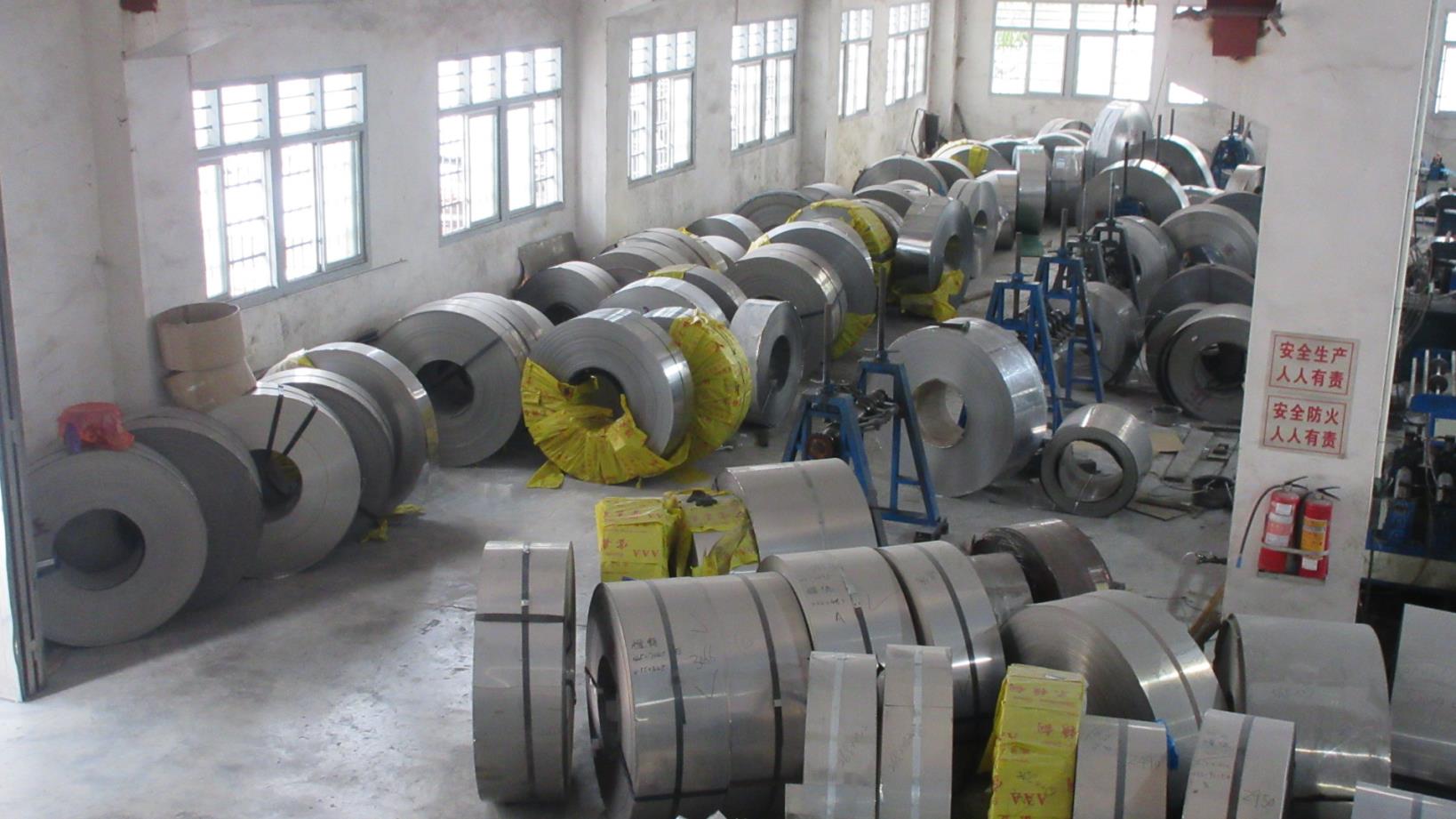
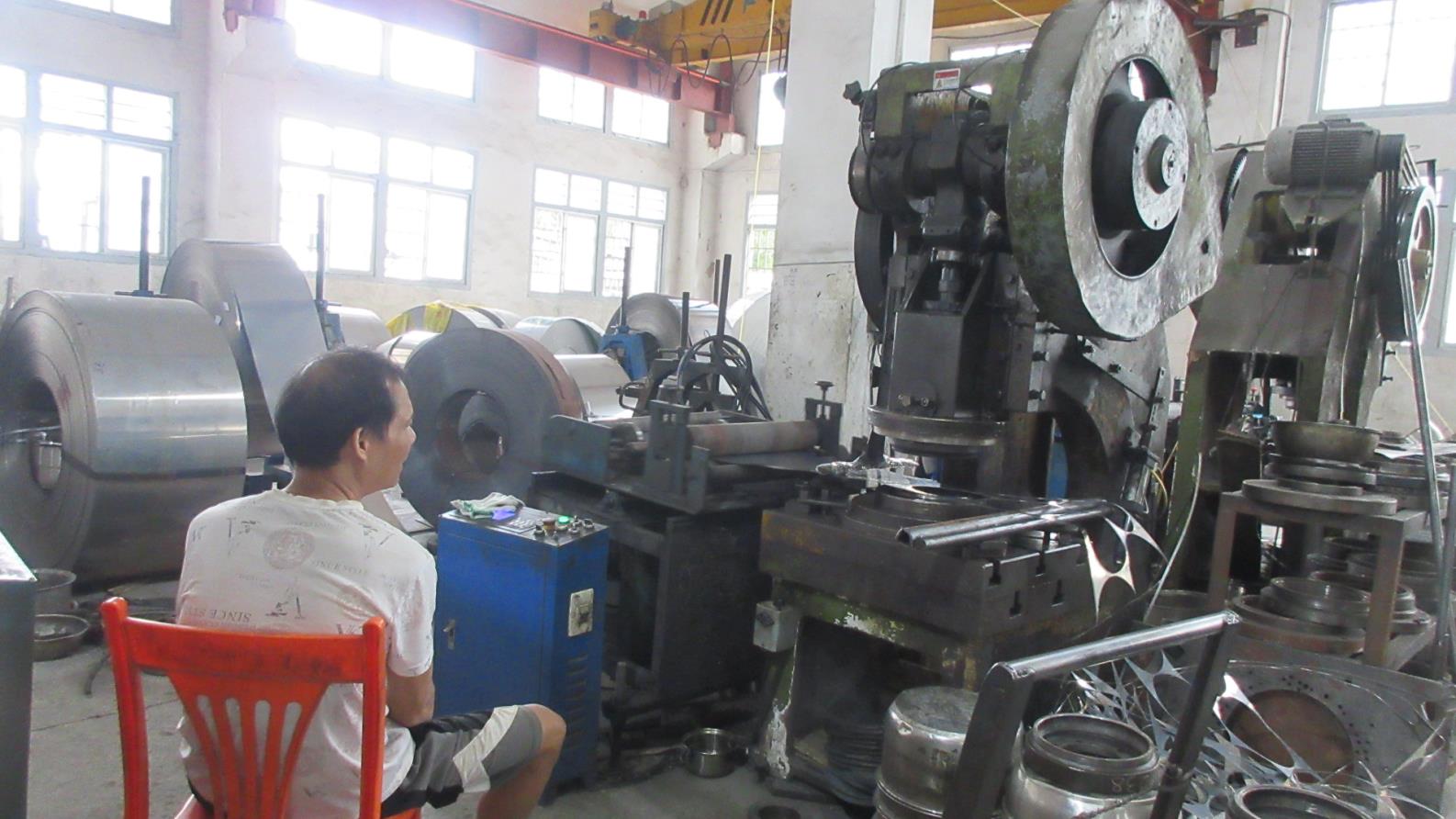
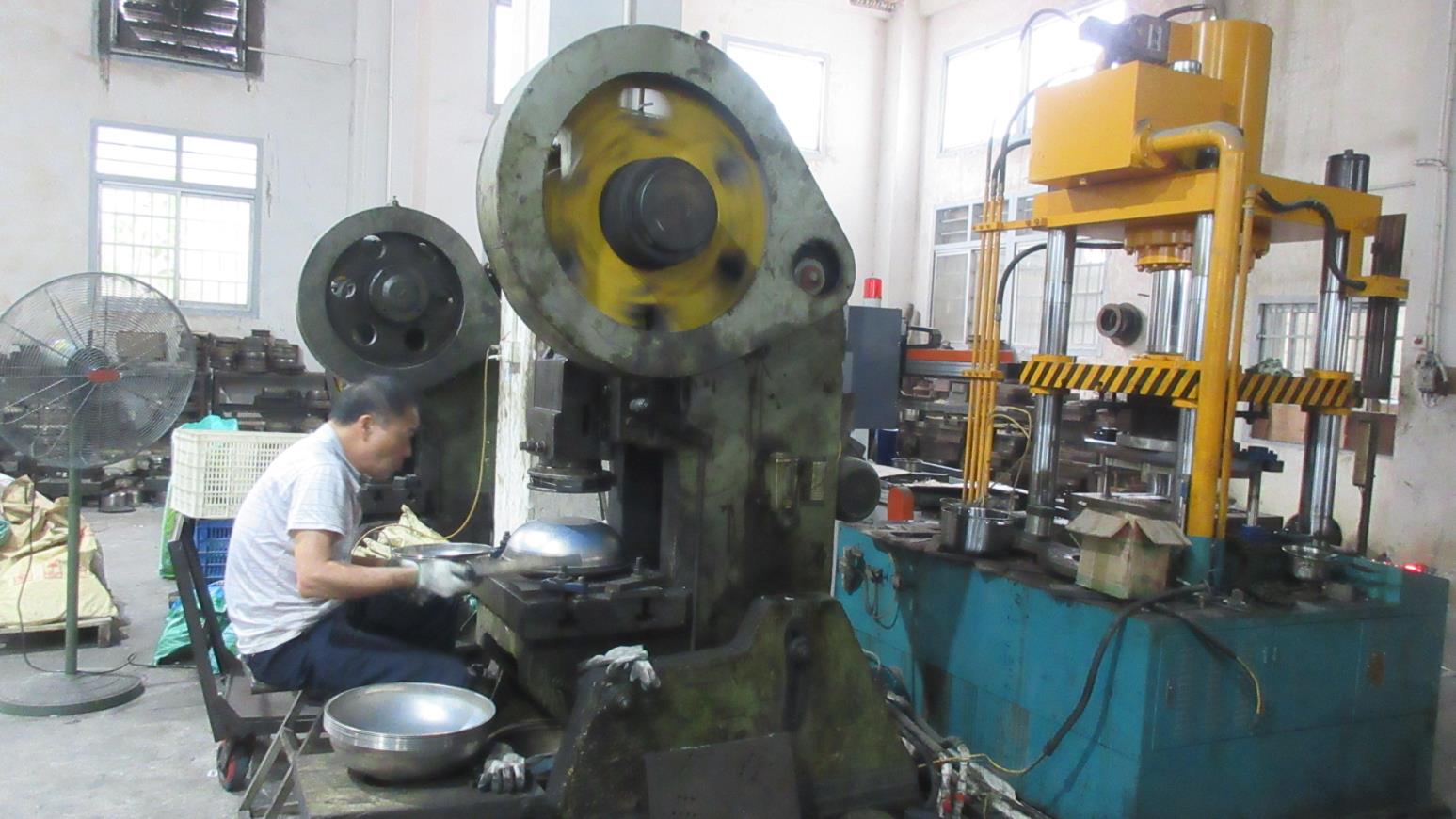
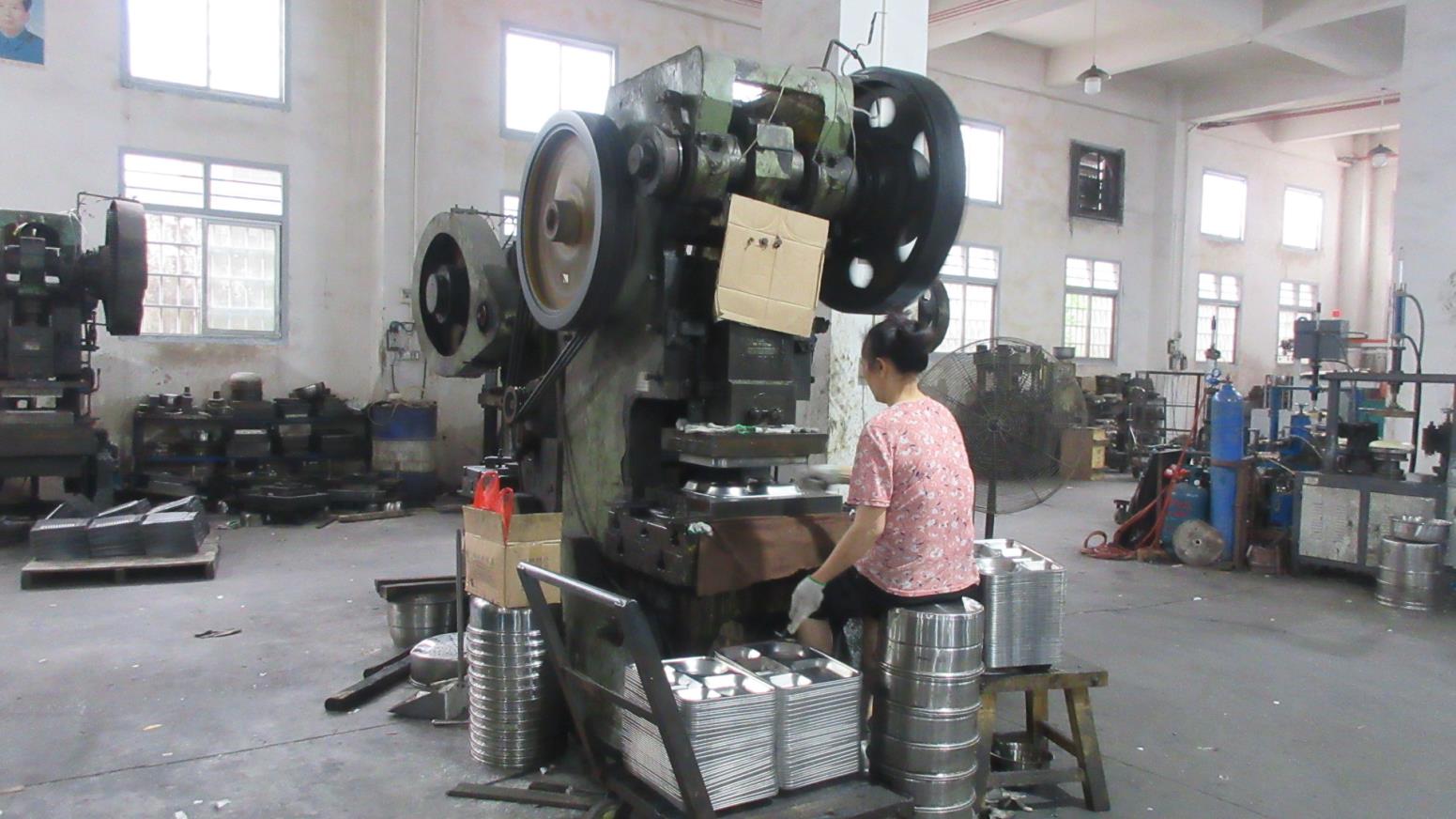
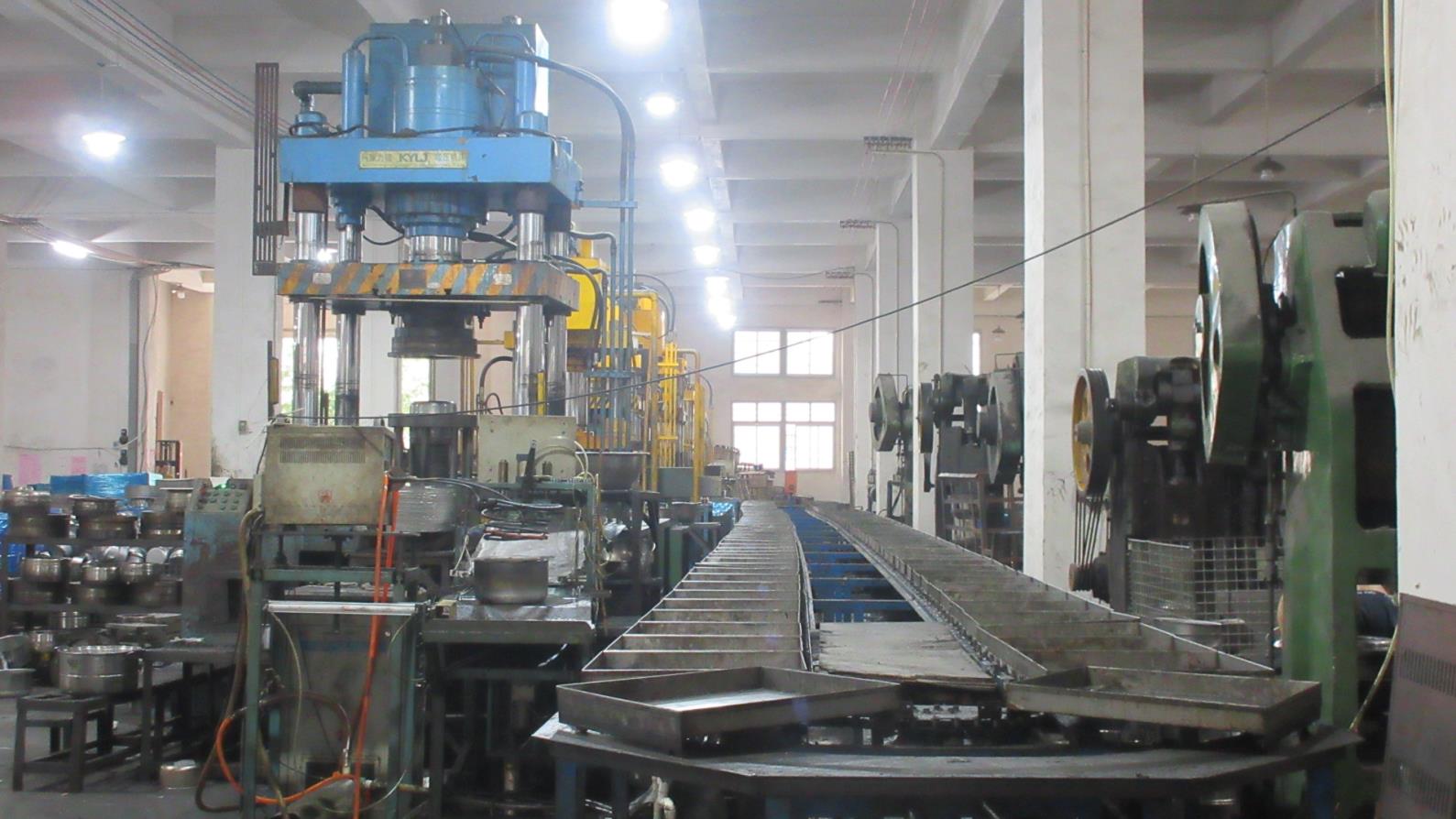
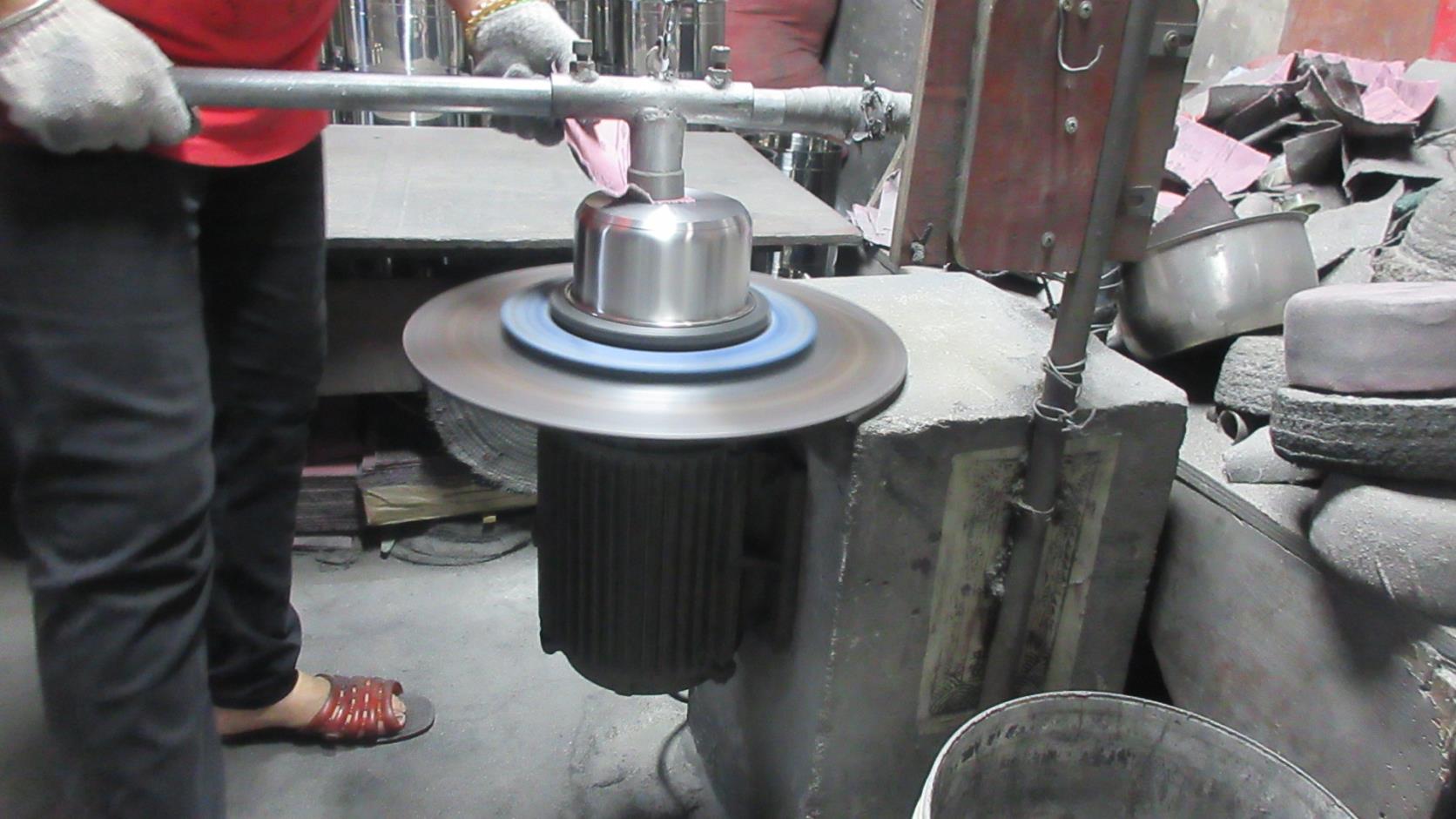
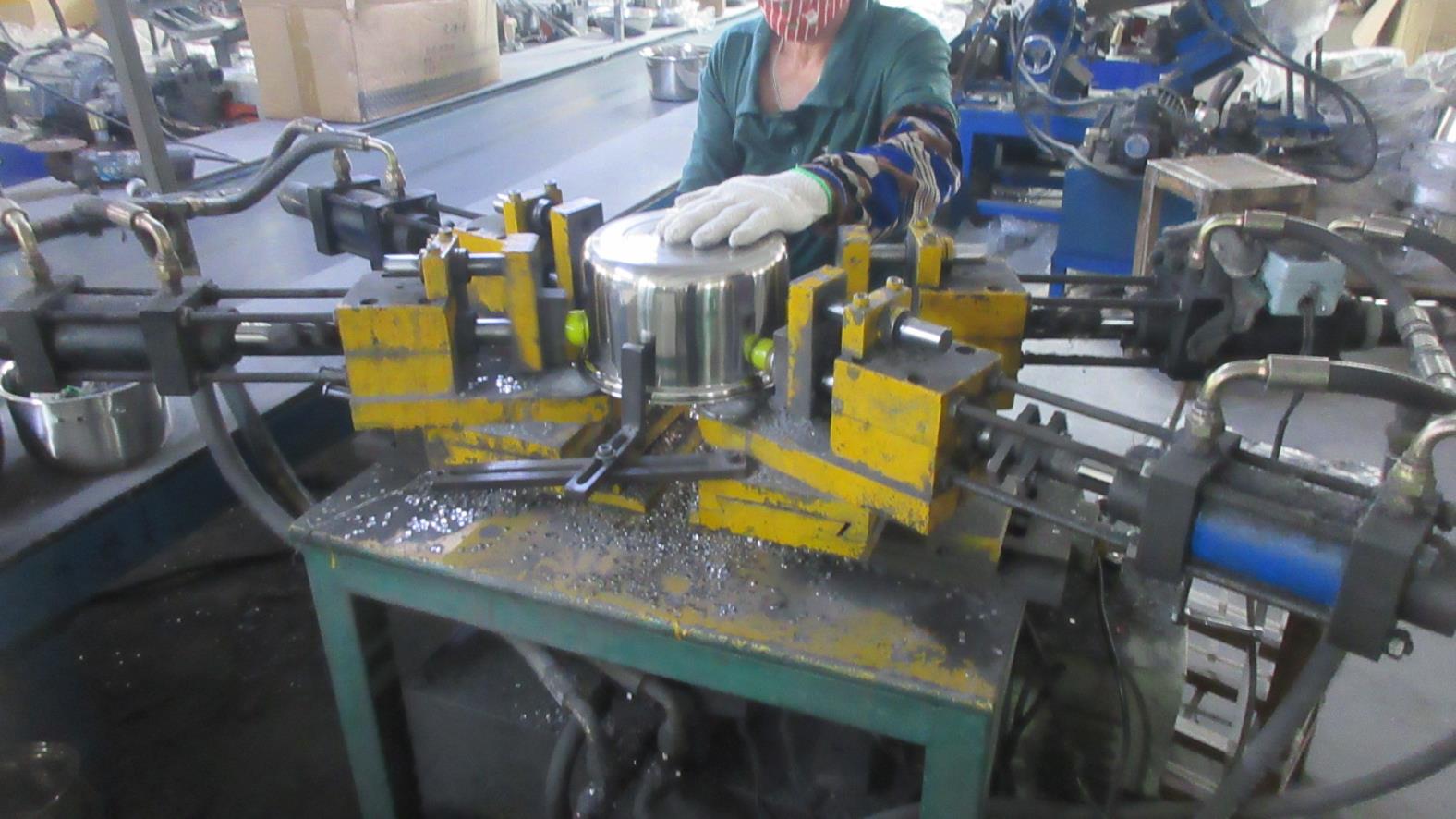
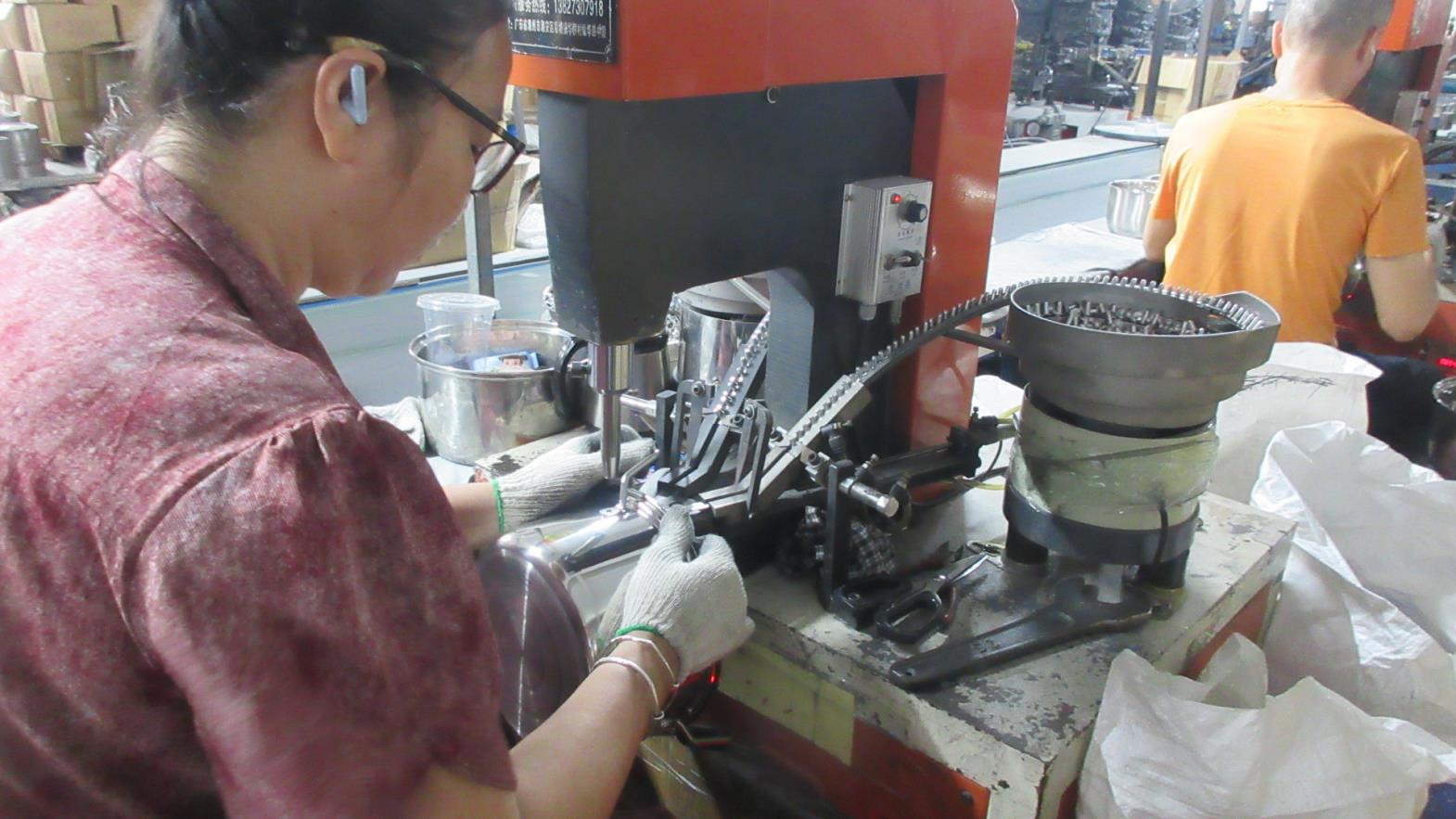
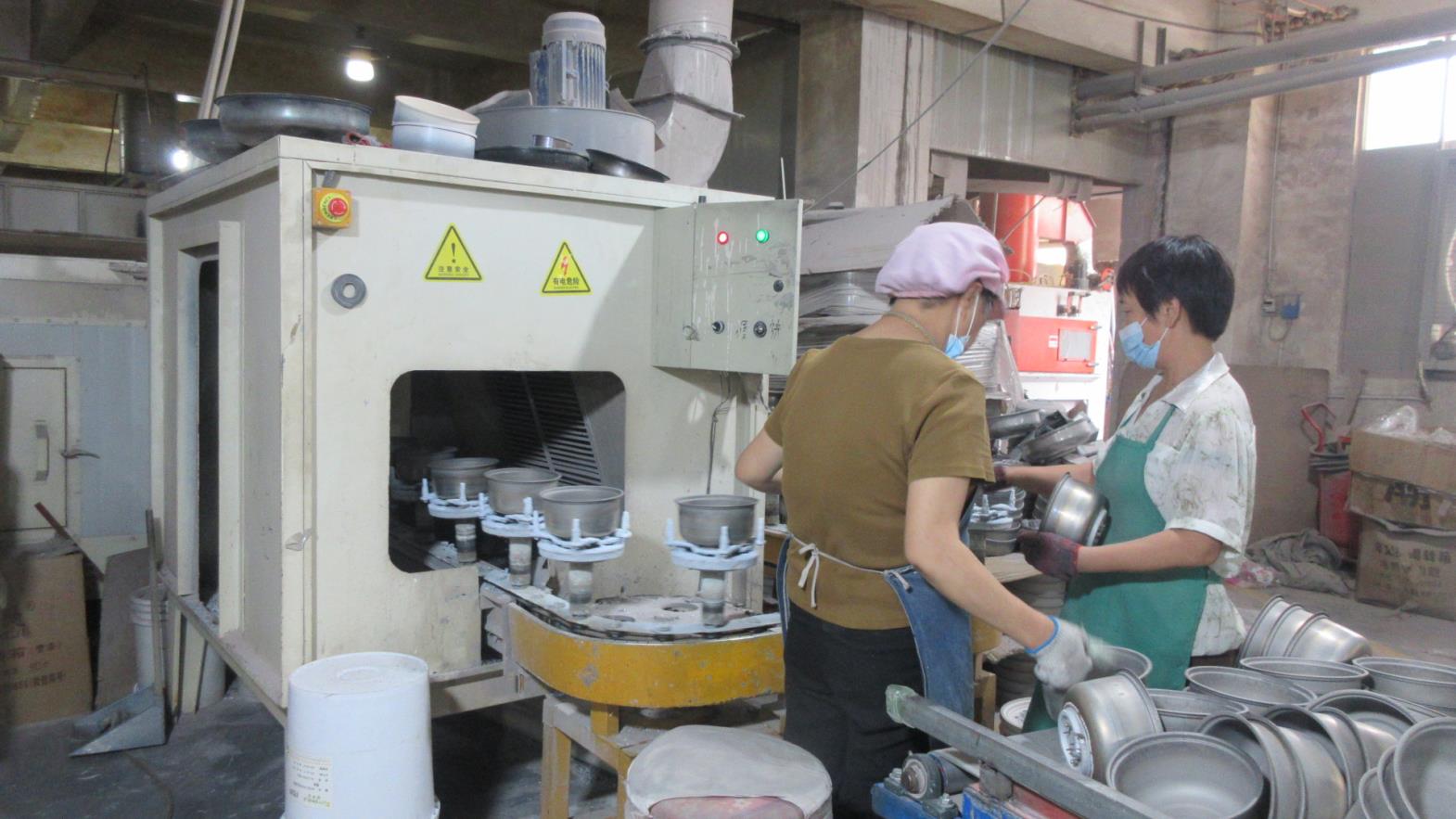
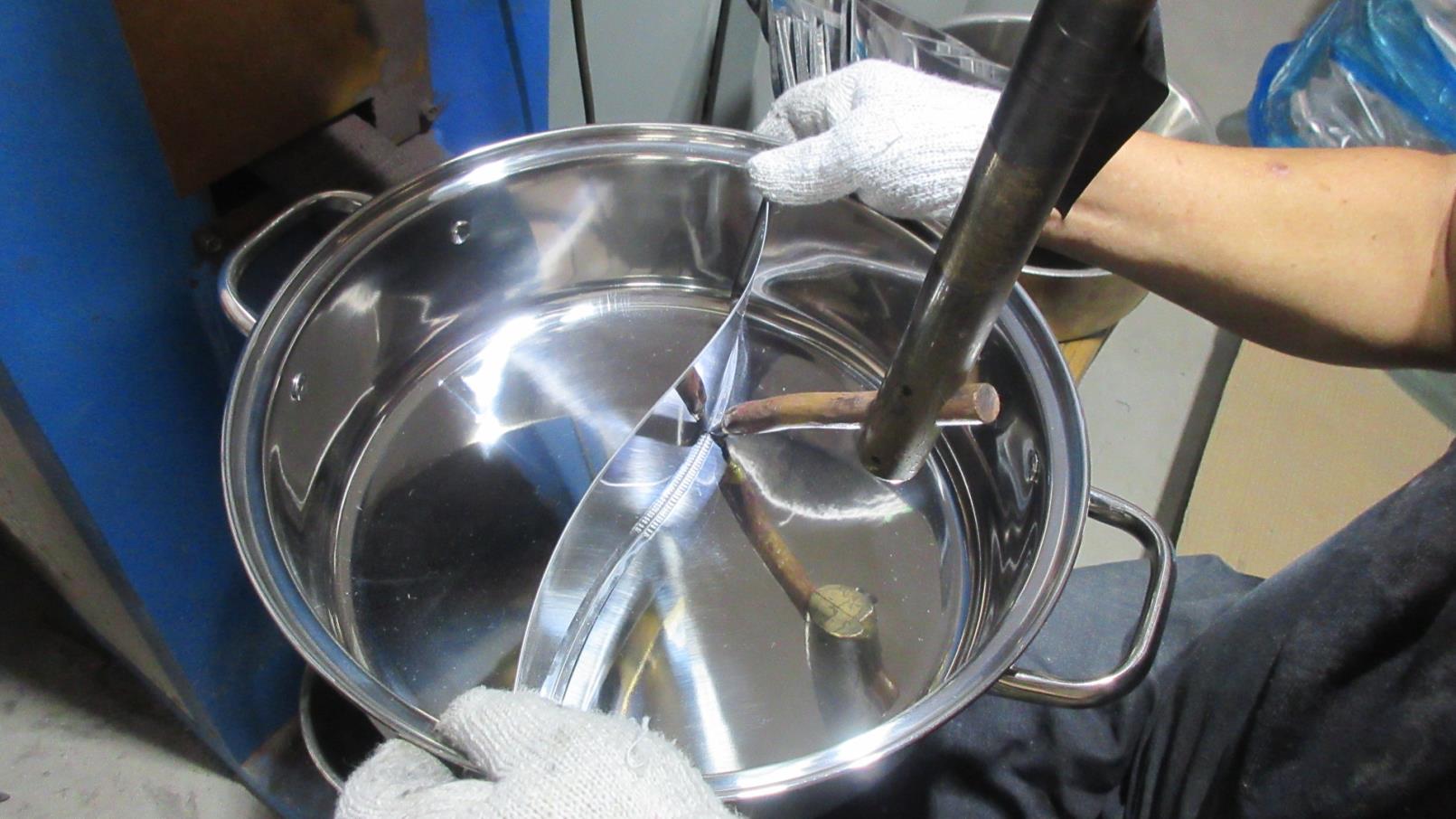
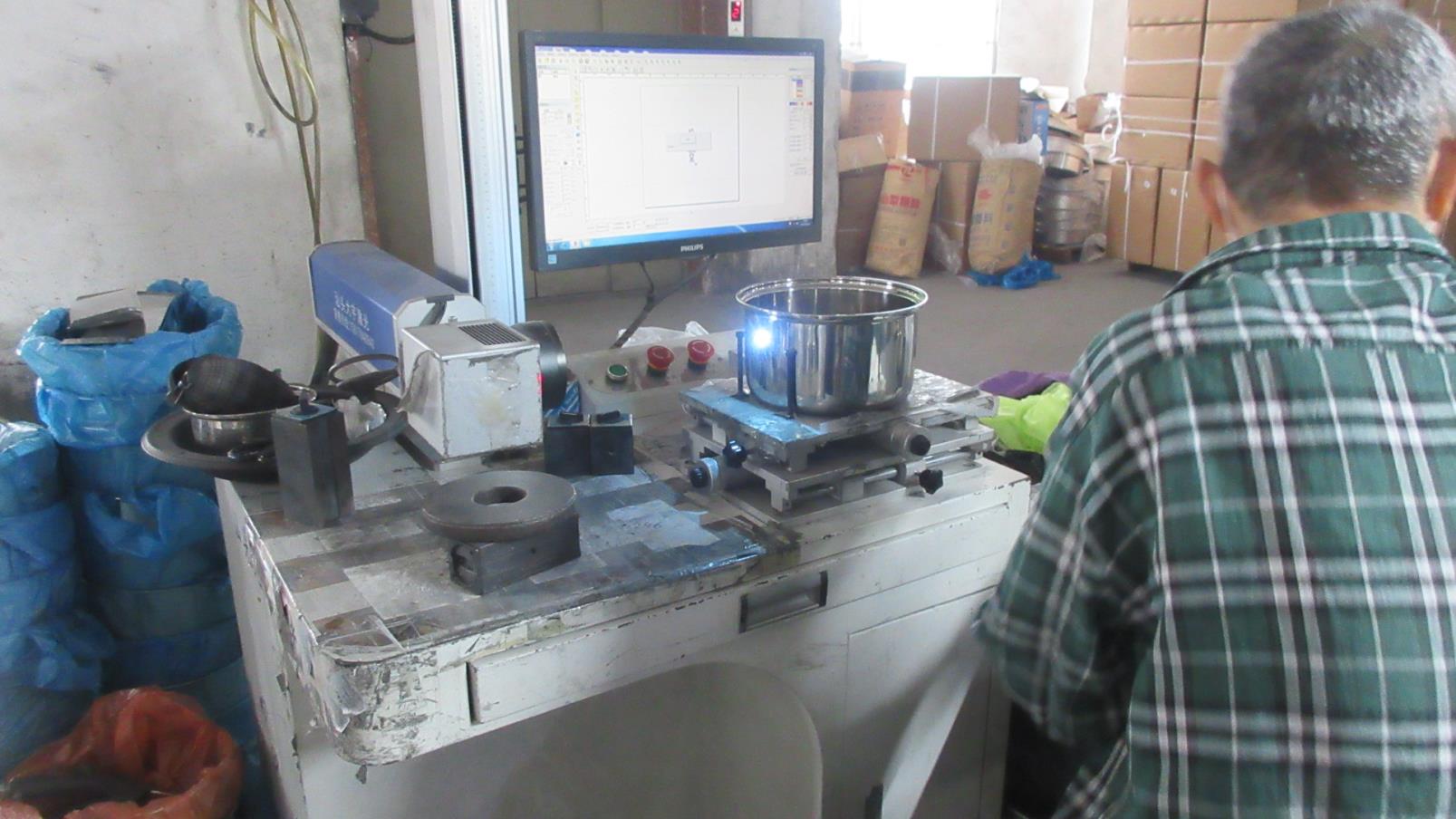
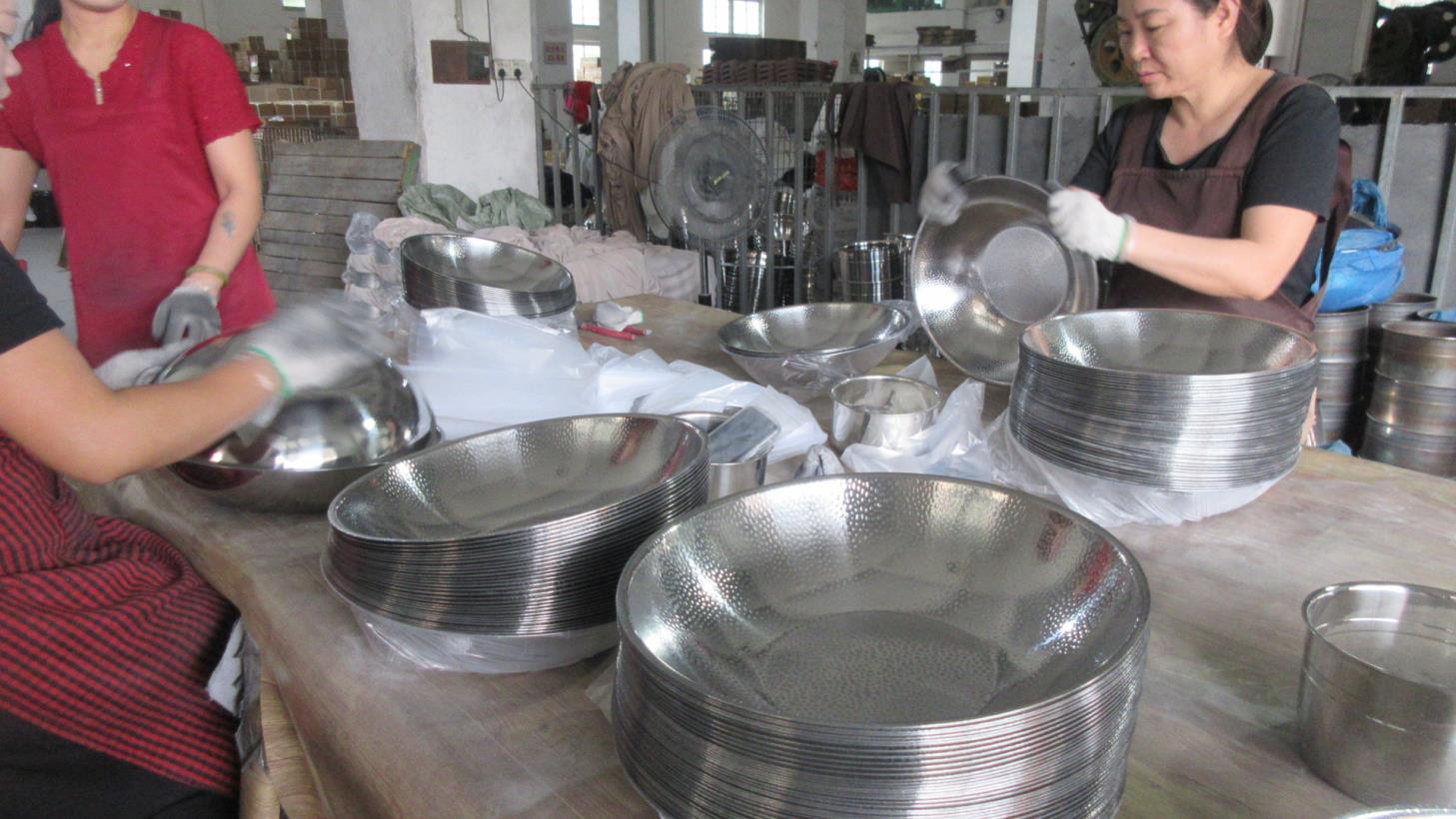
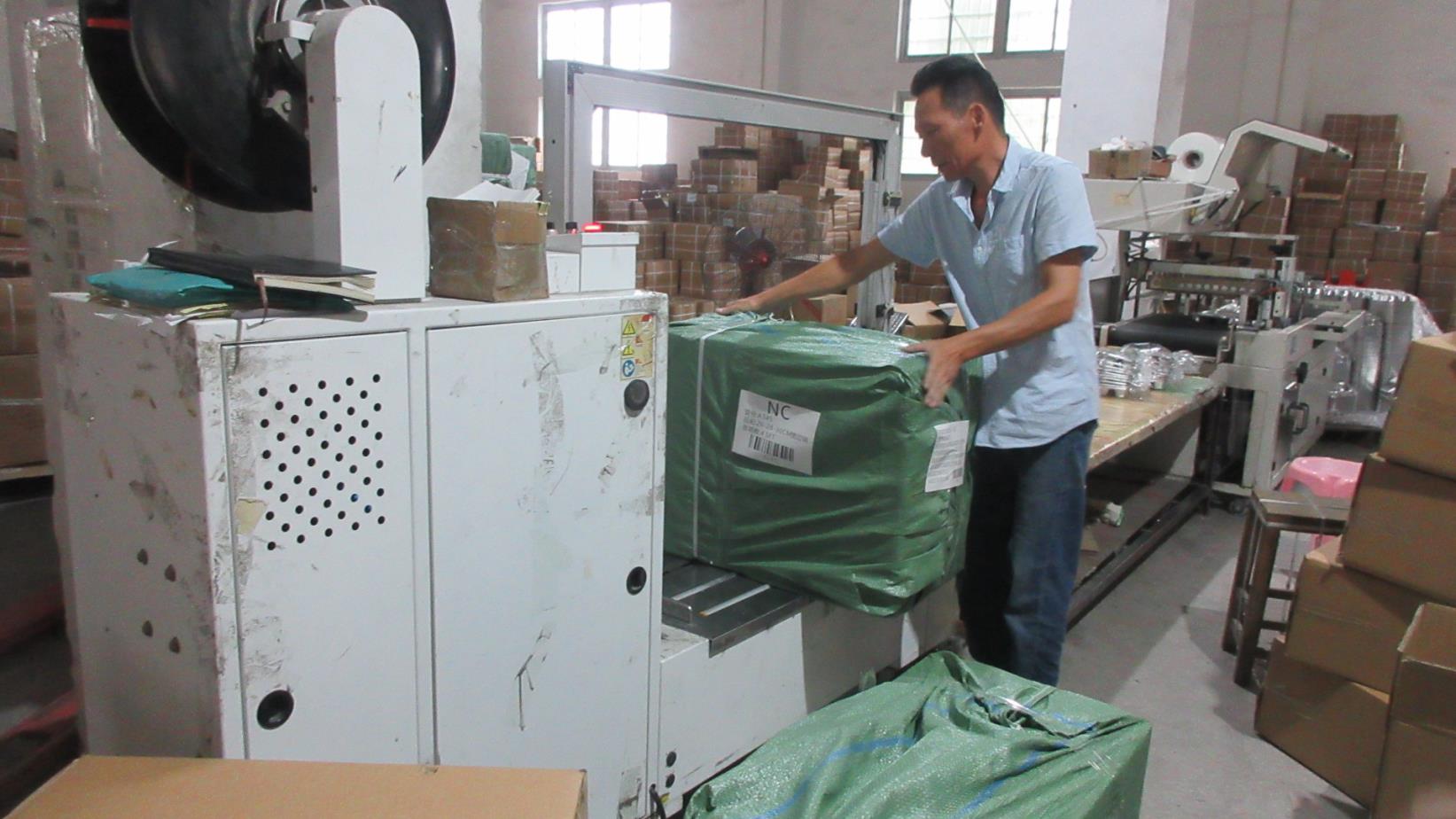
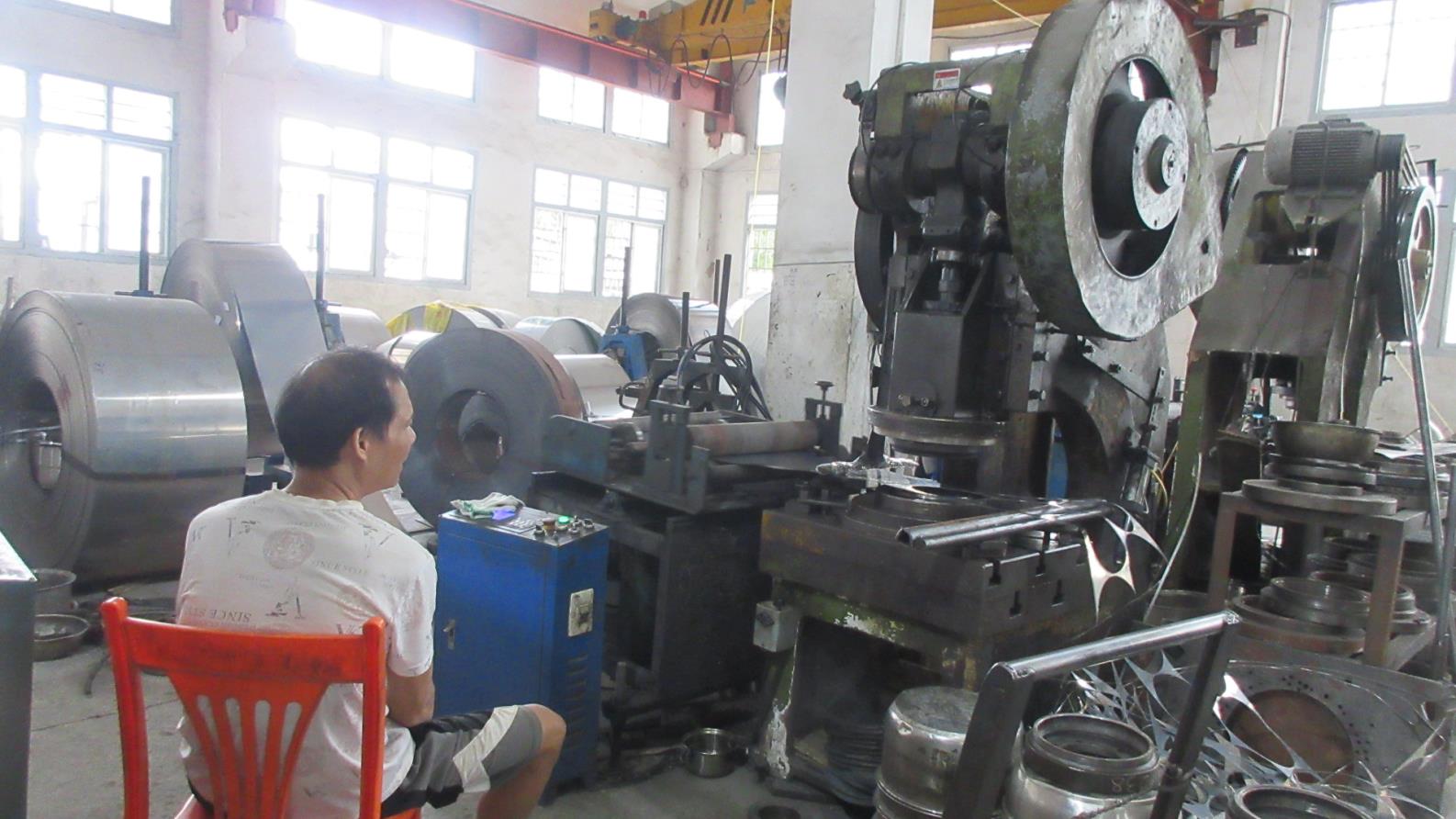
Designing a colander for commercial operations involves optimizing structural physics alongside hygiene parameters. A key focus is the Perforation Diameter to Metal Thickness Ratio. If the holes are punched too closely, the metal bridge structure weakens, leading to collapses under heavy loads. If the holes are too small or sparsely populated, water retention increases, which delays commercial prep times.
Our technical engineering team utilizes finite element analysis (FEA) to define the ideal distribution pattern for our stainless steel colanders:
As a global exporter, Guangdong Kaus Kitchen Co., Ltd. has developed streamlined shipping protocols for African logistics. Goods shipped from our production facility in Shantou are routed through the Port of Shenzhen or Port of Guangzhou, utilizing tier-one maritime carriers.
For Cameroonian buyers, our standard destination is the Autonomous Port of Douala (PAD). To optimize costs and prevent shipping damage:
Flexible procurement options. Available in multiple diameter specifications, handle lengths, and custom packaging designs.
Simplifying high-volume B2B supply lines from Chinese manufacturing centers directly to African trade hubs.
Guangdong Kaus Kitchen Co., Ltd. serves as an industrial partner for major distributors across Central Africa. Understanding the market economics of Cameroon, where profit margins rely heavily on durability and competitive landed costs, we offer dedicated services:
Direct, technical answers regarding product specifications, certifications, bulk orders, and African shipping processes.
Work directly with Guangdong Kaus Kitchen Co., Ltd. to secure premium, food-safe stainless steel kitchenware. Request a detailed brochure and custom quotation today.
 Kaus Kitchen