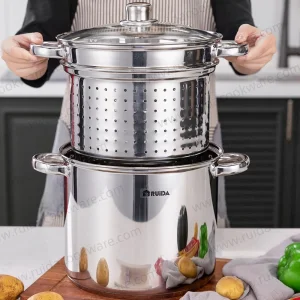
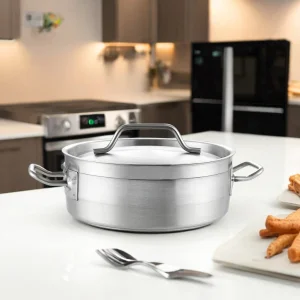
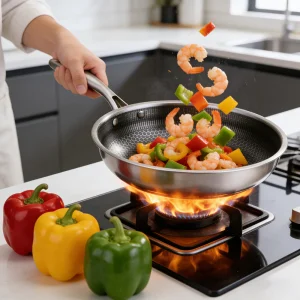
Discover our leading selection of premium food-grade stainless steel products designed for restaurants, caterers, and global distributors.
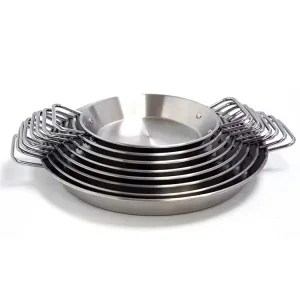
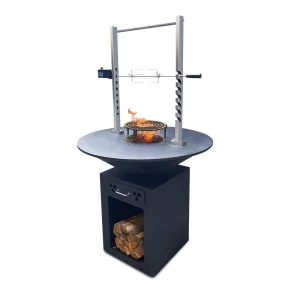
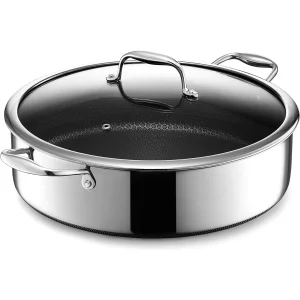
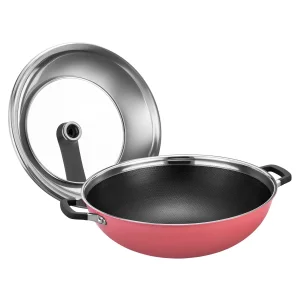
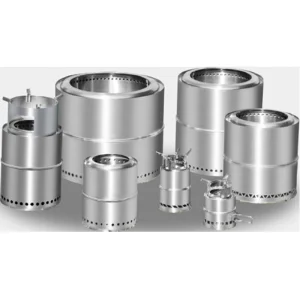
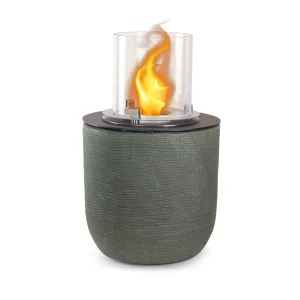
Guangdong Kaus Kitchen Co., Ltd. is strategically situated in the vibrant and economically dynamic region of the Chaoshan plain in Shantou, Guangdong Province. This geographic location is globally recognized for its deep industrial roots, offering an unmatched manufacturing infrastructure and a rich, generations-long tradition in high-grade stainless steel fabrication and professional kitchenware engineering.
As a modern, comprehensive enterprise, Kaus Kitchen seamlessly integrates Research and Development (R&D), Precision Manufacturing, Global Sales, and After-Sales Support. We specialize in producing premium-grade stainless steel kitchenware, commercial hotel supplies, and heavy-duty household tableware. Our operations are guided by the strict business philosophy of "Quality First, Customer Foremost". We dedicate our engineering capabilities to delivering durable, food-safe, and innovatively structured baking and cooking solutions to distributors, brands, and commercial entities worldwide.
Demonstrating our commitment to compliance, quality assurance, and sustainable environmental practices, Kaus Kitchen has successfully obtained the ISO9001 International Quality Management System certification and the ISO14001 Environmental Management System certification. These frameworks govern every operational process within our factory—from initial material verification to clean-room packing. Additionally, our key products comply with major international health standards, bearing certifications including the compulsory national CCC certification for electrical units and food-grade compliance documentation suited for North American and European regulatory markets.
Through persistent technical iteration and continuous capital investment in mechanical modernization, Guangdong Kaus Kitchen Co., Ltd. has earned prestigious municipal and provincial recognitions, including the title of "Guangdong Famous Brand Product" and "Guangdong Contract and Credit Enterprise". These accolades reflect our strong reputational equity and commercial trustworthiness across global markets. Furthermore, our engineering team holds an array of proprietary design and utility patents, highlighting our capacity to assist clients in overcoming local market competition through technical product differentiation.
In modern industrial food processing, commercial bakeries, and high-volume food service sectors, the selection of bakeware is not merely a question of operational utility; it is a critical variable that directly impacts thermal efficiency, food safety compliance, and long-term capital expenditure amortization. High-quality stainless steel baking trays represent the gold standard in terms of structural durability and chemical inertness under extreme thermal stress.
Globally, commercial operations are transitioning away from aluminum and carbon steel variants in high-demand environments. This shift is driven by strict sanitation requirements (such as HACCP, FDA, and LFGB protocols) and the search for materials resistant to corrosion when exposed to acidic doughs, sanitizing chemicals, and high-humidity proofing cabinets. Stainless steel, particularly Austenitic alloys like Grade 304 and Grade 316, provides superior resistance against pitting and oxidation. Unlike aluminum, it does not react with foods or degrade under mechanical cleaning, eliminating the risk of metallic contamination in high-volume food production lines.
Understanding the molecular configuration of different alloy options is crucial for procurement managers. Below, we compare the key performance vectors of materials commonly utilized in baking tray production:
| Material Grade | Composition (Cr / Ni) | Corrosion Resistance | Thermal Stability | Tensile Strength | Sanitary Suitability |
|---|---|---|---|---|---|
| SUS 304 (18/8) | 18% Cr, 8% Ni | Excellent | Very High (up to 800°C) | High (505 MPa) | Optimal (Industry Standard) |
| SUS 316 | 16% Cr, 10% Ni, 2% Mo | Outstanding (Acid/Salt Resistant) | Extremely High | High (515 MPa) | Medical & High-Acid Food Grade |
| SUS 430 (Ferritic) | 16-18% Cr, <0.75% Ni | Moderate | Good | Medium (450 MPa) | Basic Commercial Use (Magnetic) |
| Commercial Aluminum | No Cr/Ni (Al Alloy) | Poor (Acidic degradation) | Low (Deforms easily) | Low (110-310 MPa) | Requires regular replacement |
As detailed above, Austenitic stainless steels (specifically SUS 304) integrate high levels of Chromium and Nickel. The Chromium content forms an invisible, self-healing passive chromium-oxide barrier that prevents atmospheric oxidation. Nickel enhances the crystal lattice structure, providing impact resistance, tensile strength, and maintaining dimensional stability under thermal cycling (rapid shifting between oven temperatures and blast chillers) without warping.
From raw metal selection to high-precision laser marking, explore how our Shantou facility engineers commercial-grade durability.
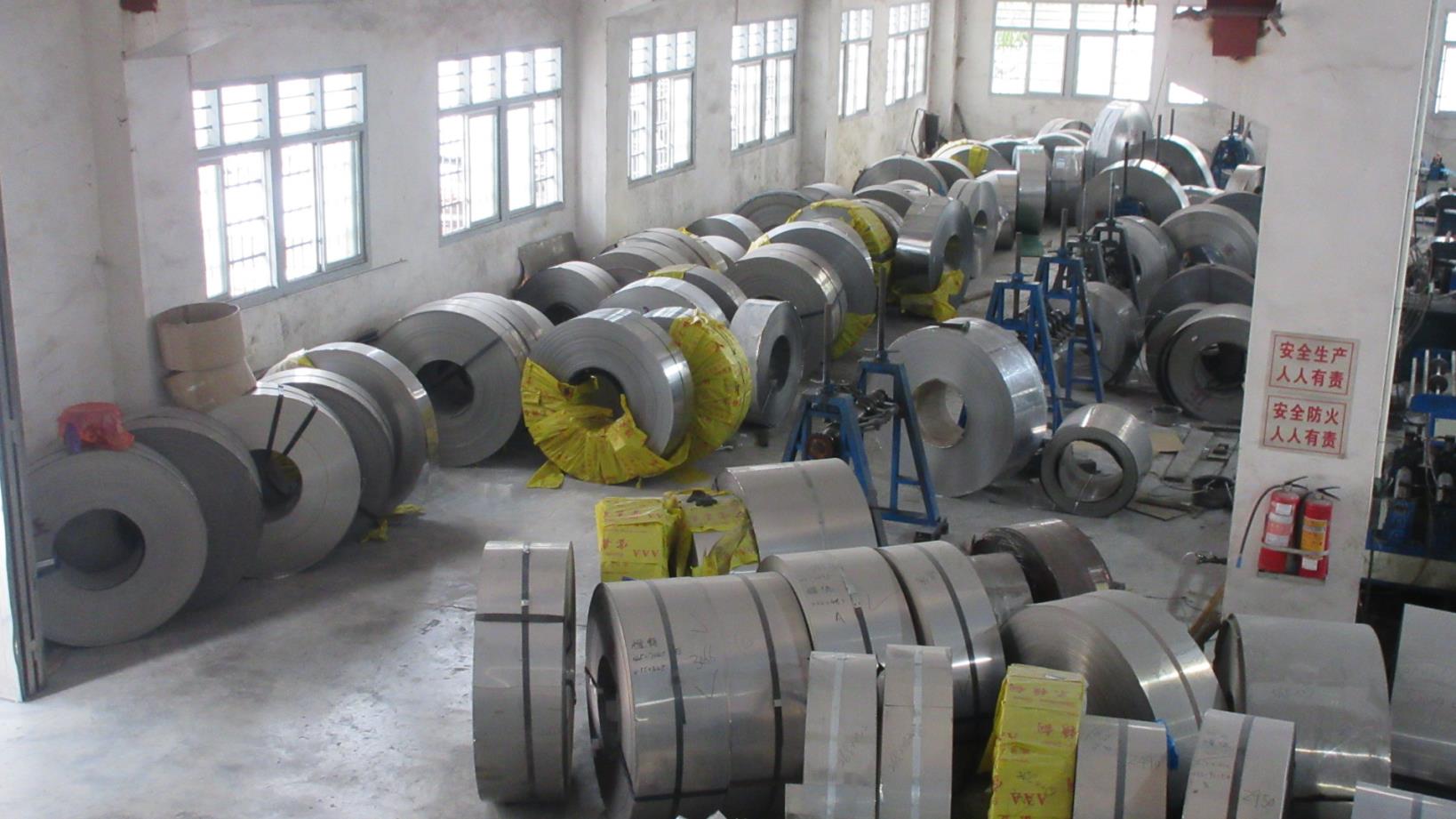
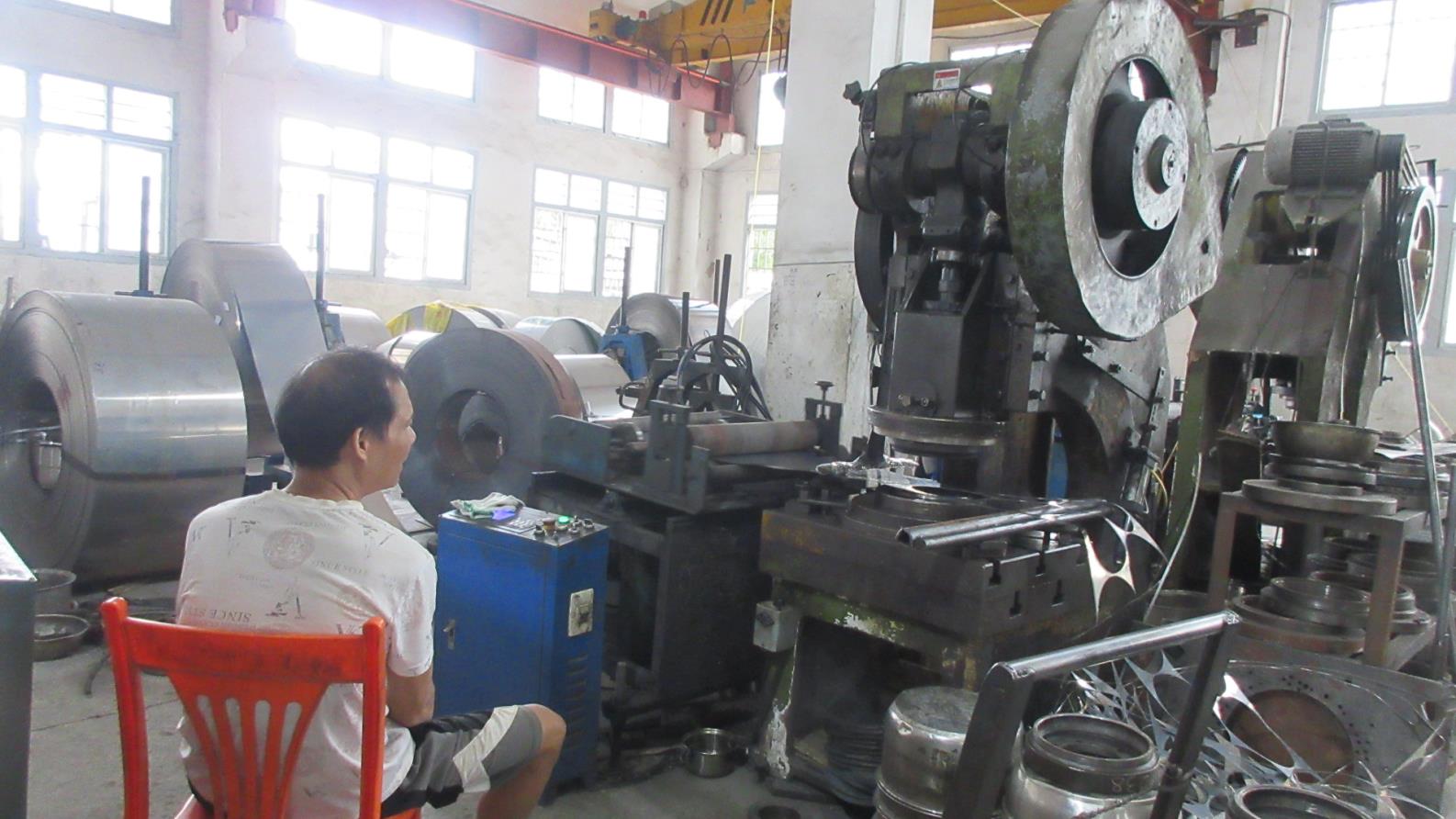
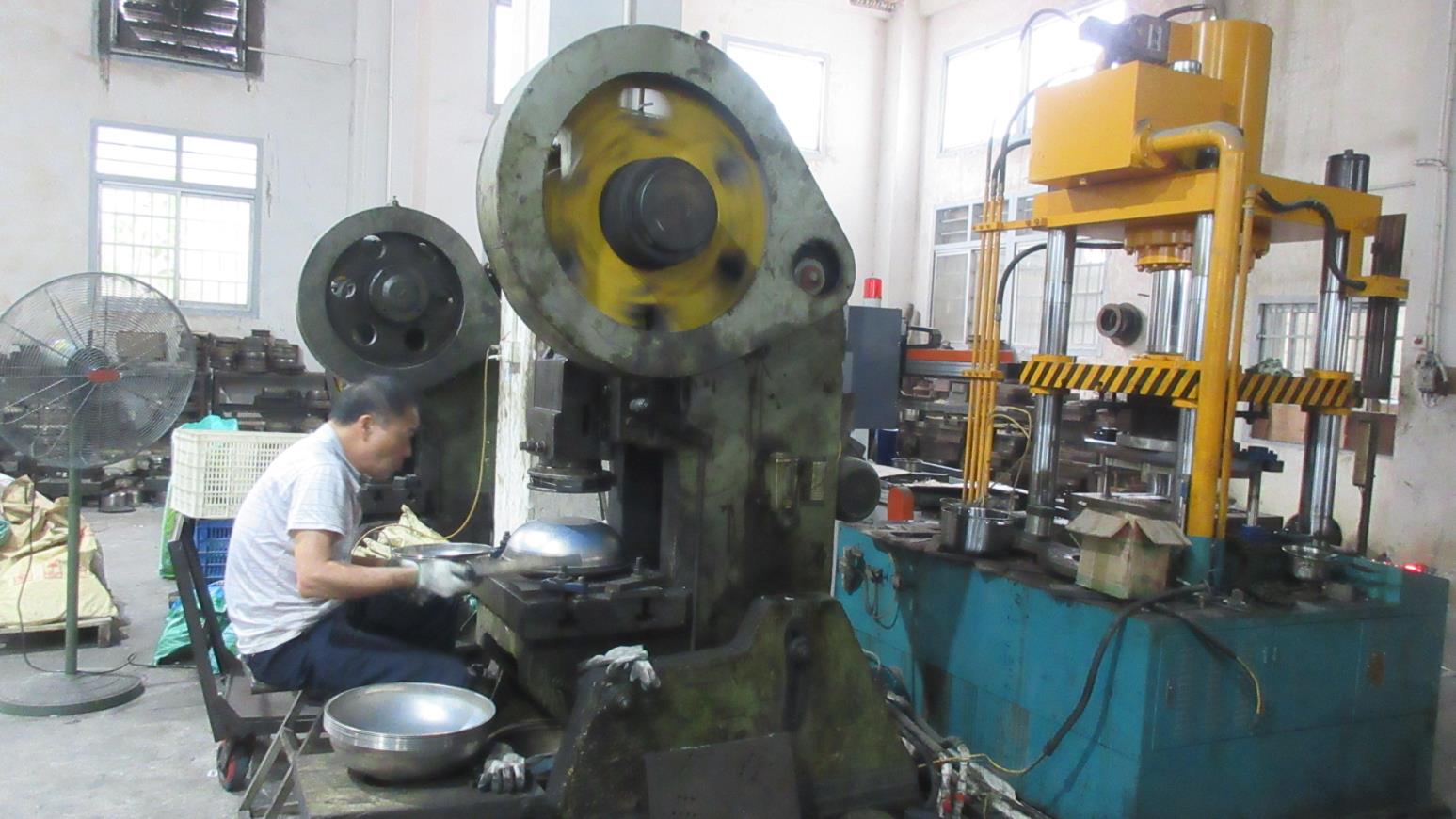
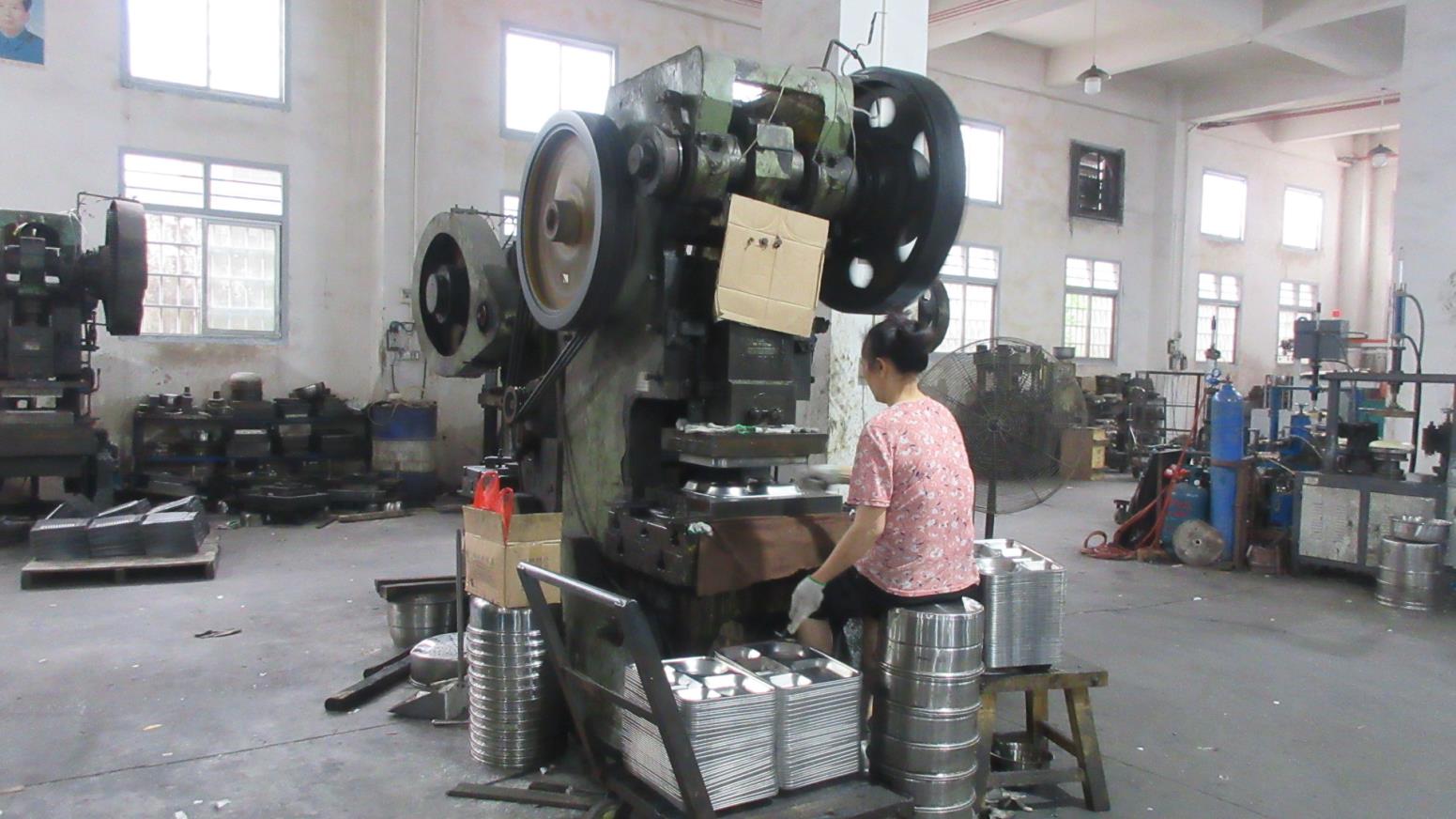
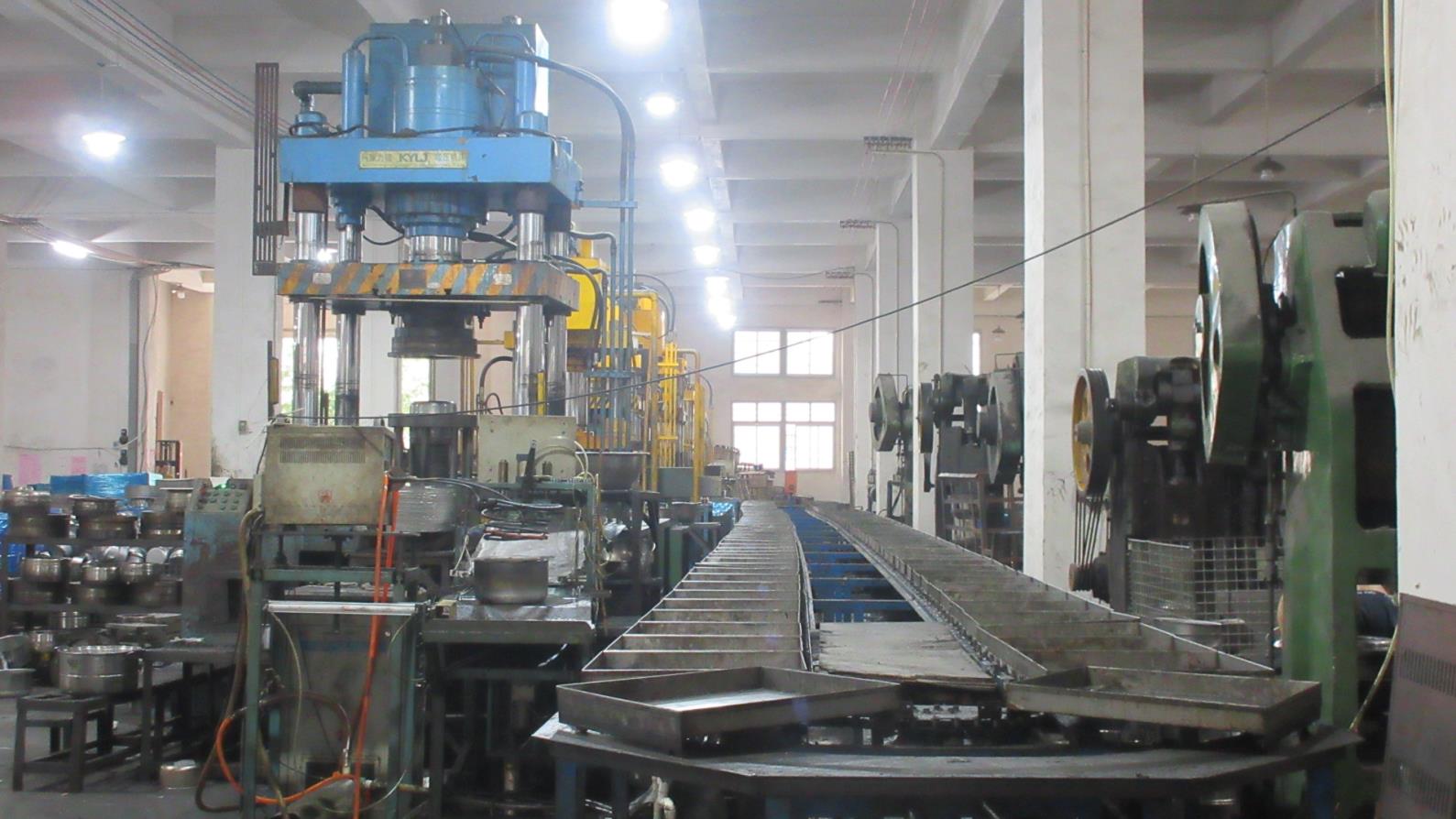
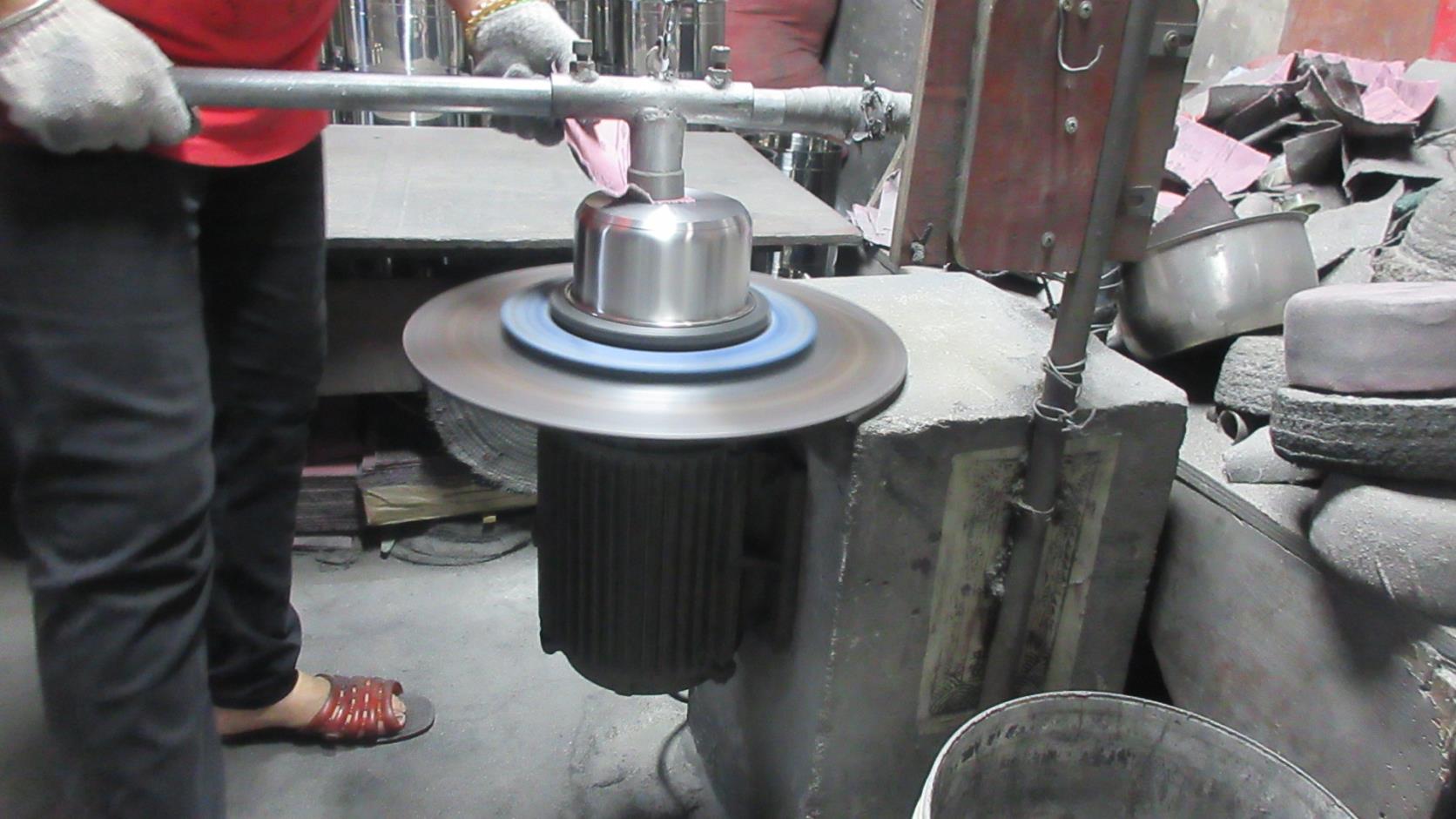
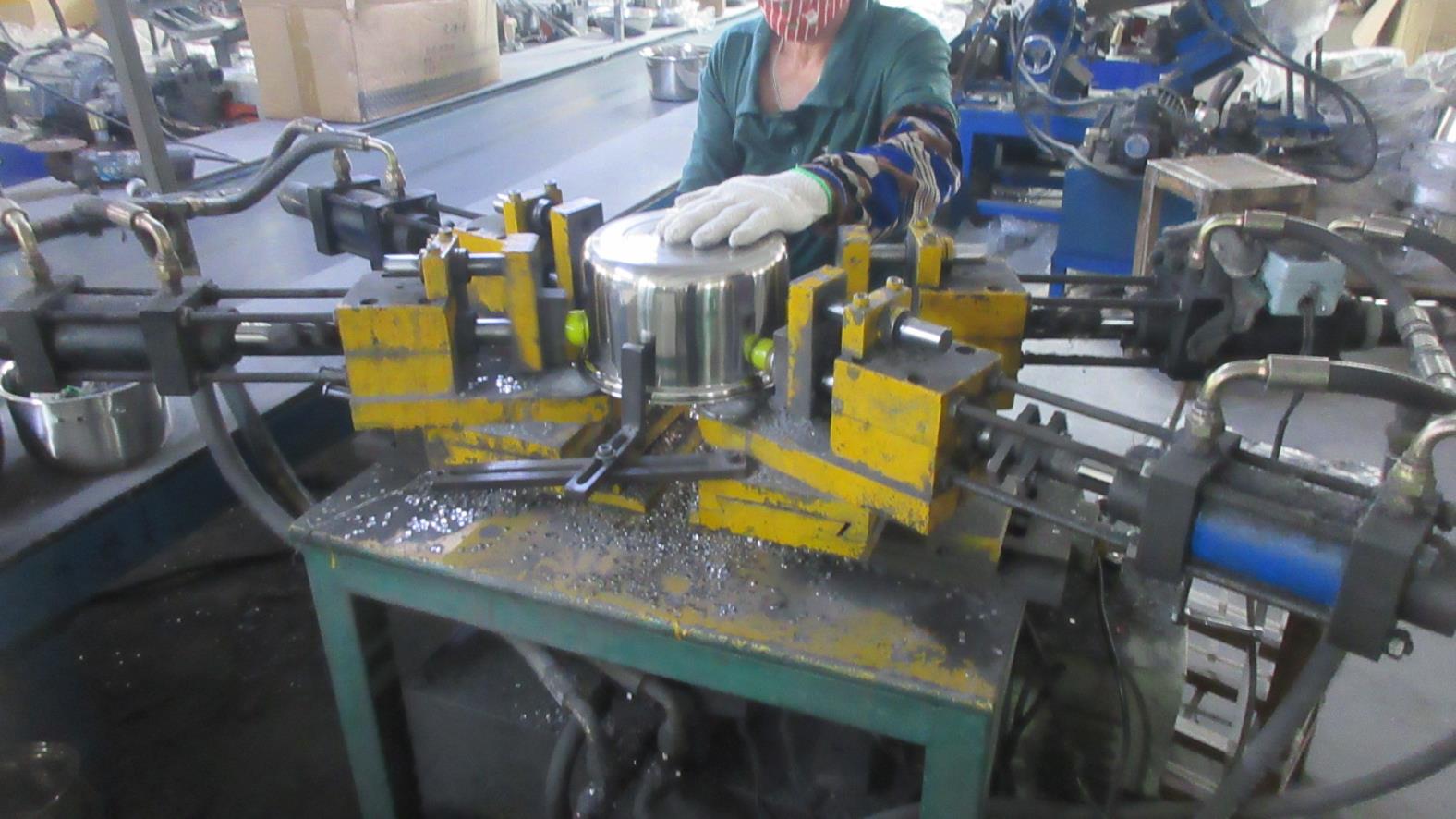
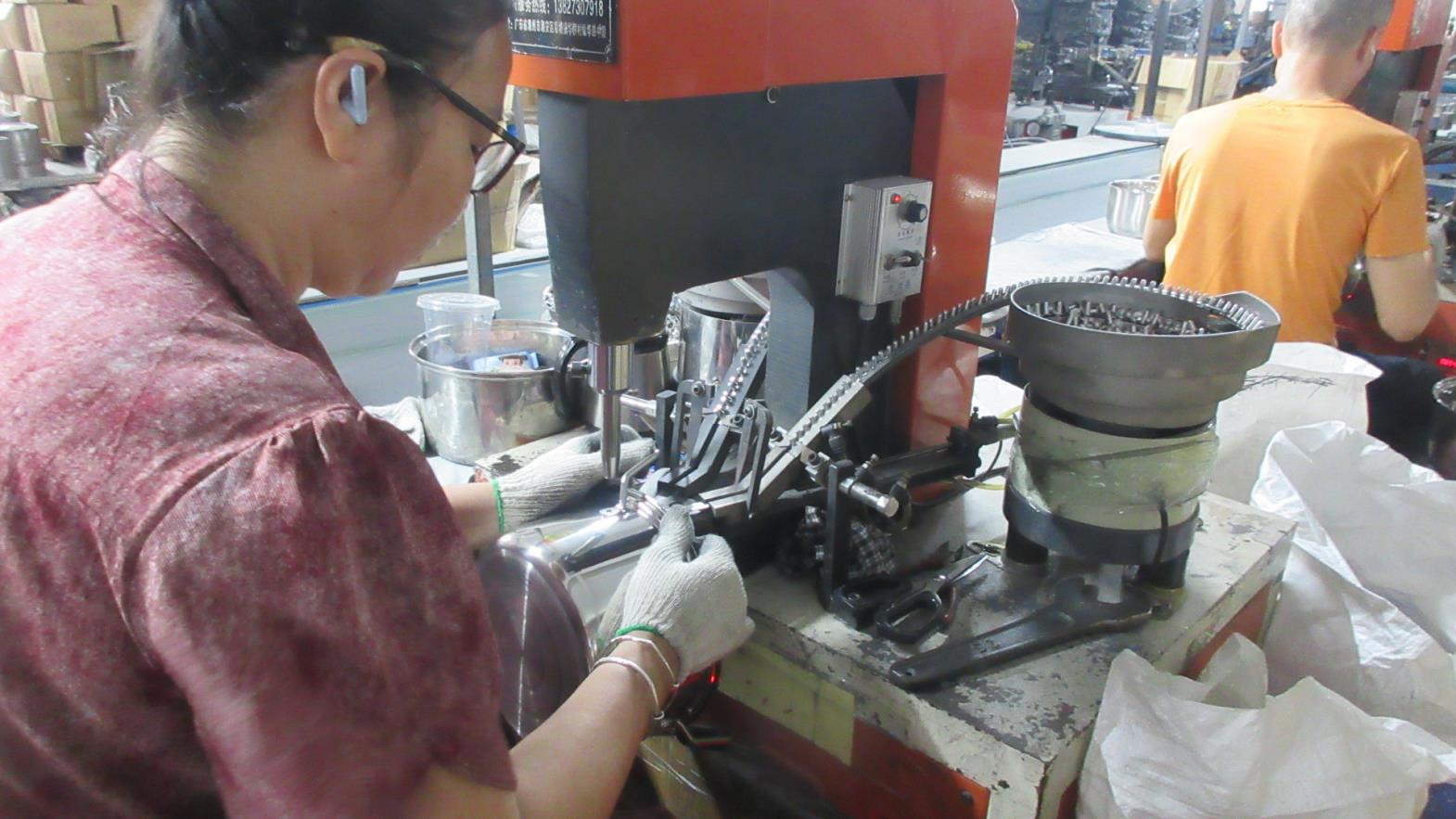
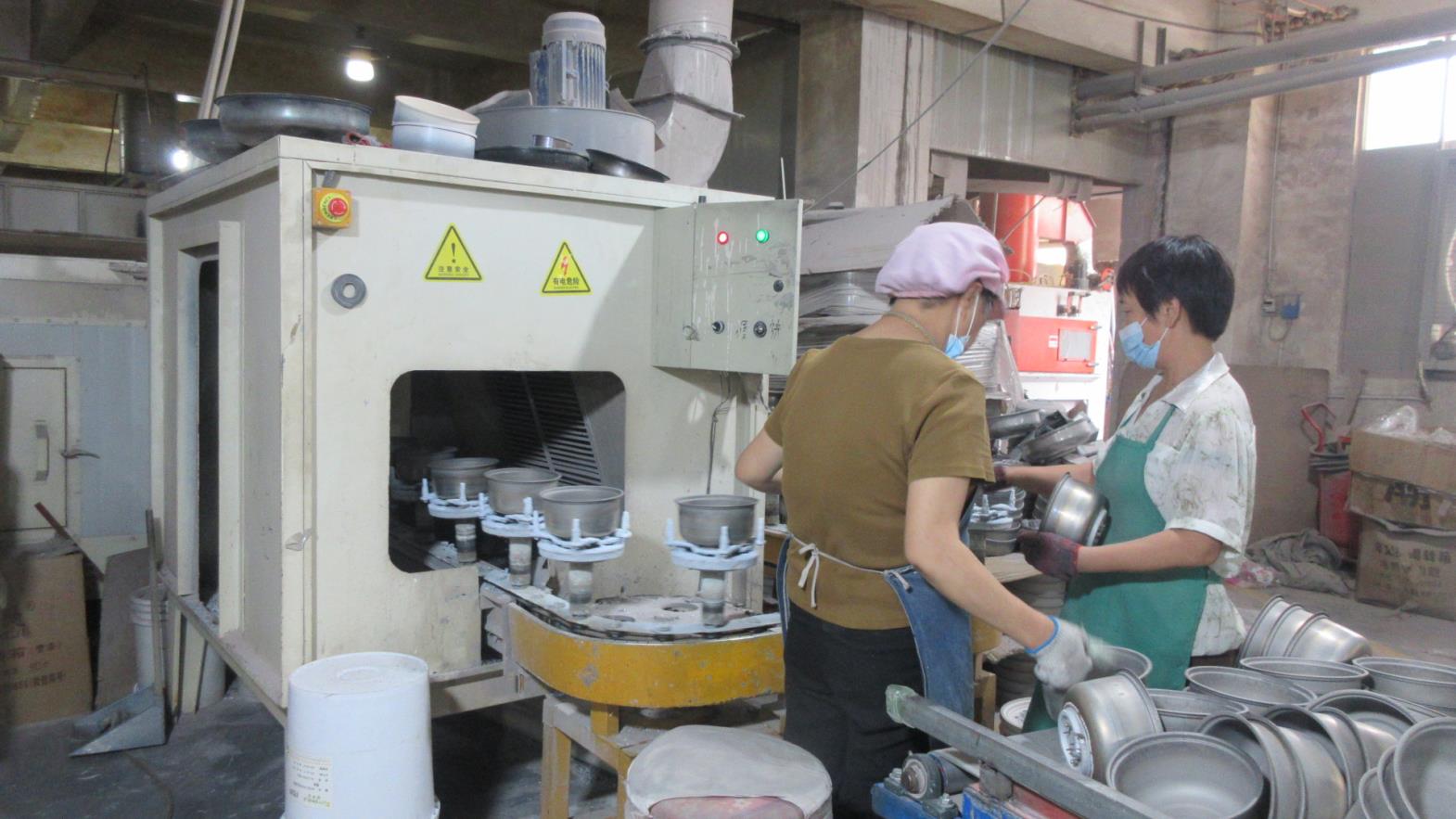
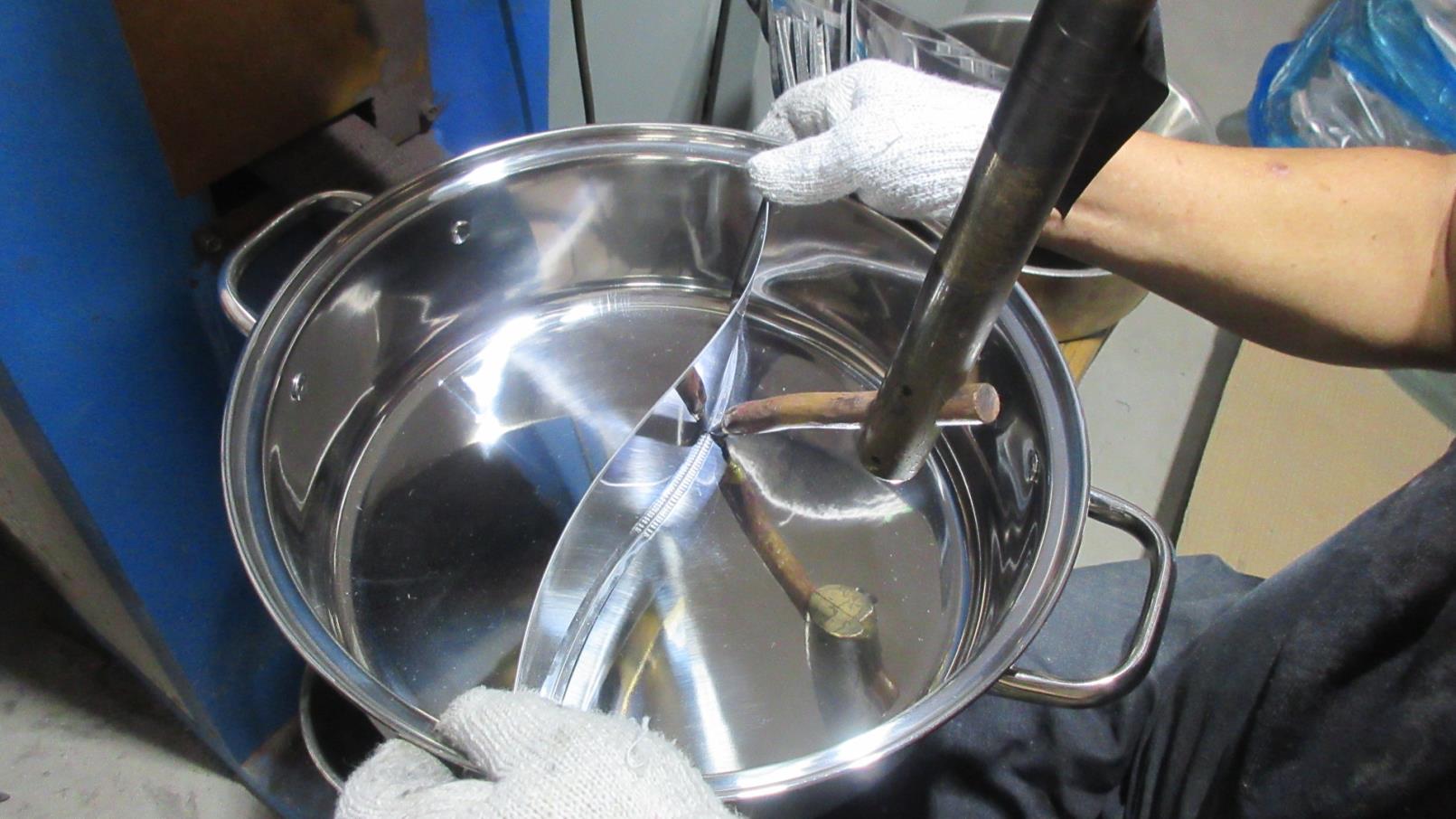
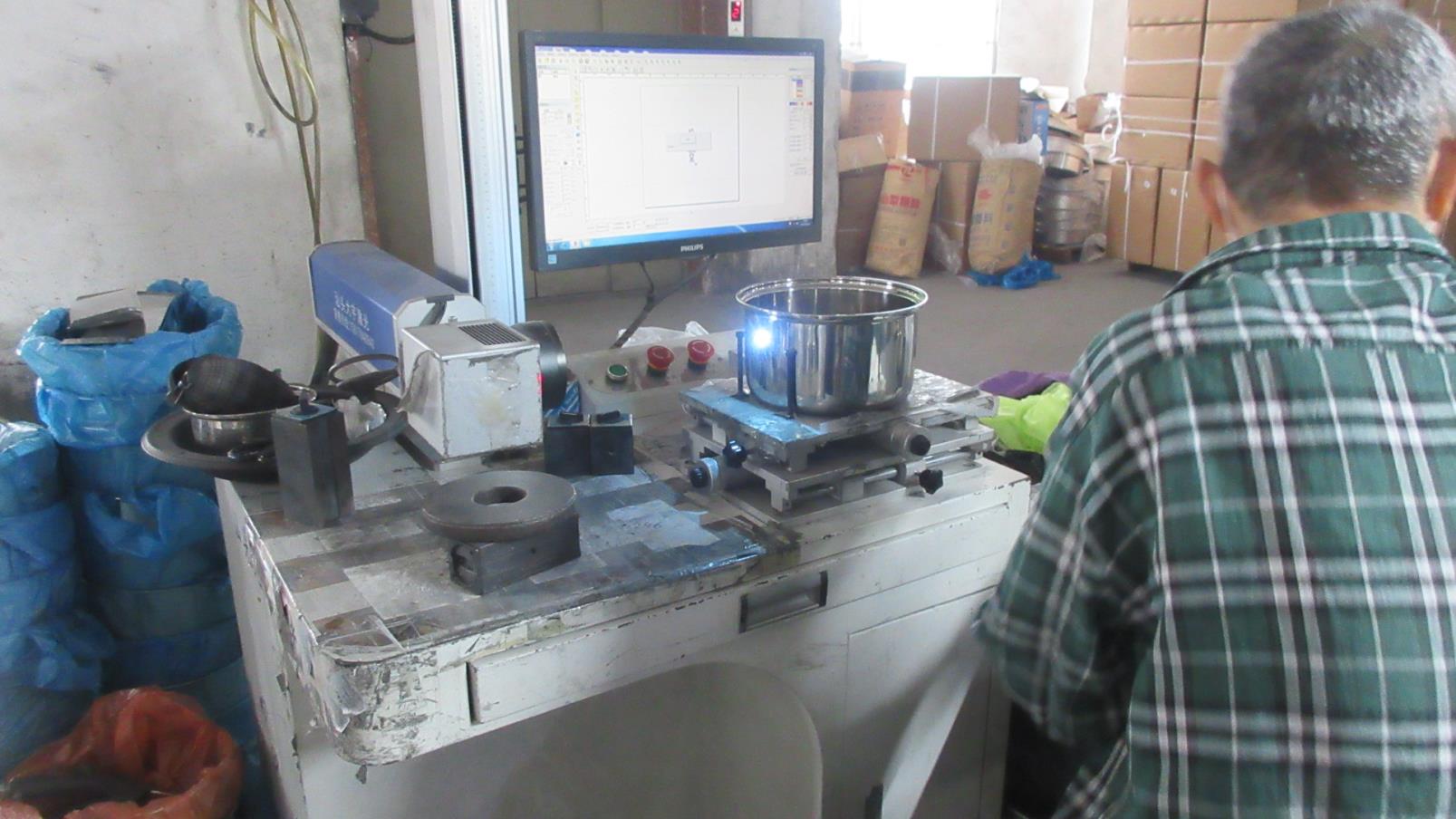
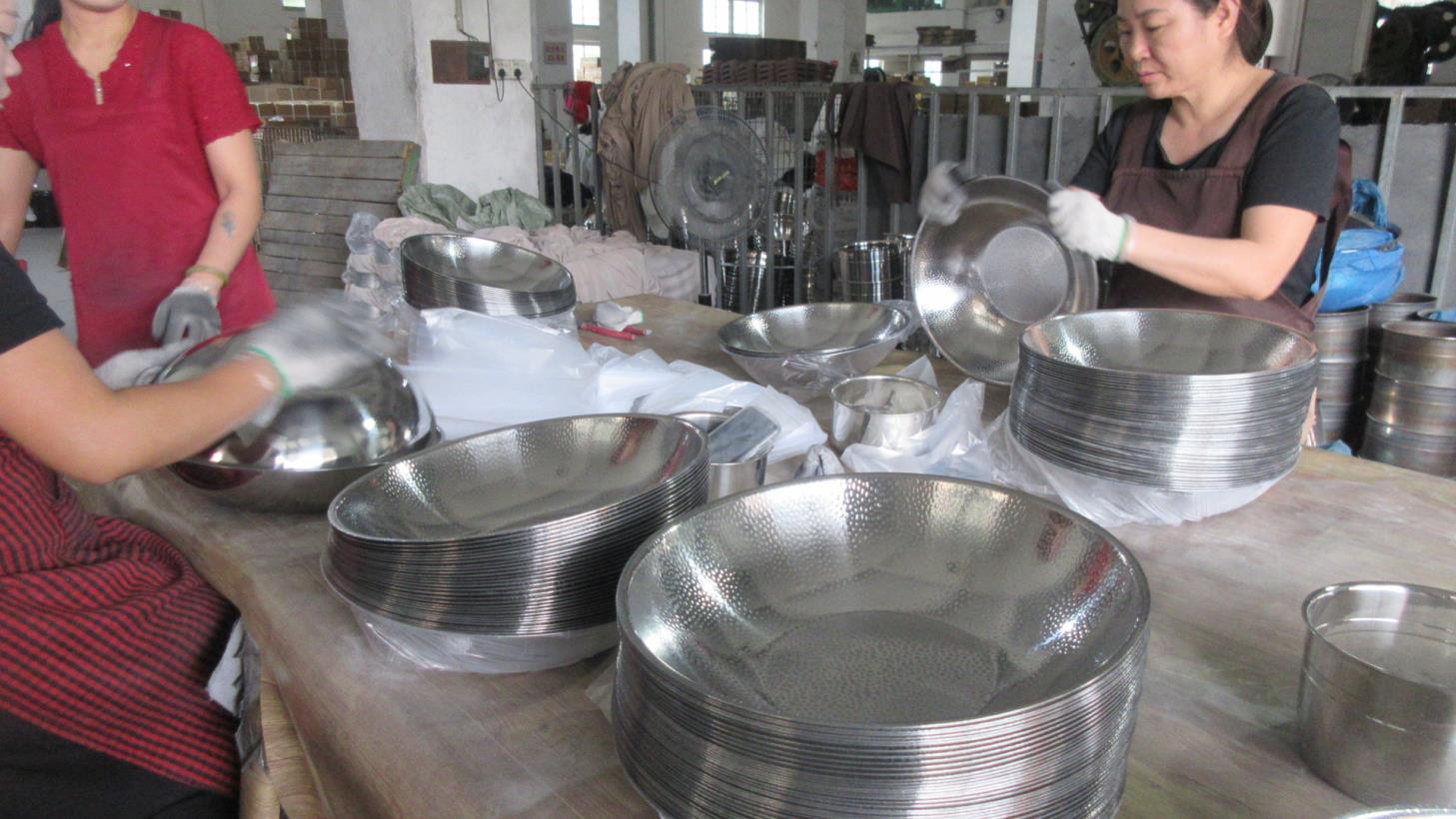
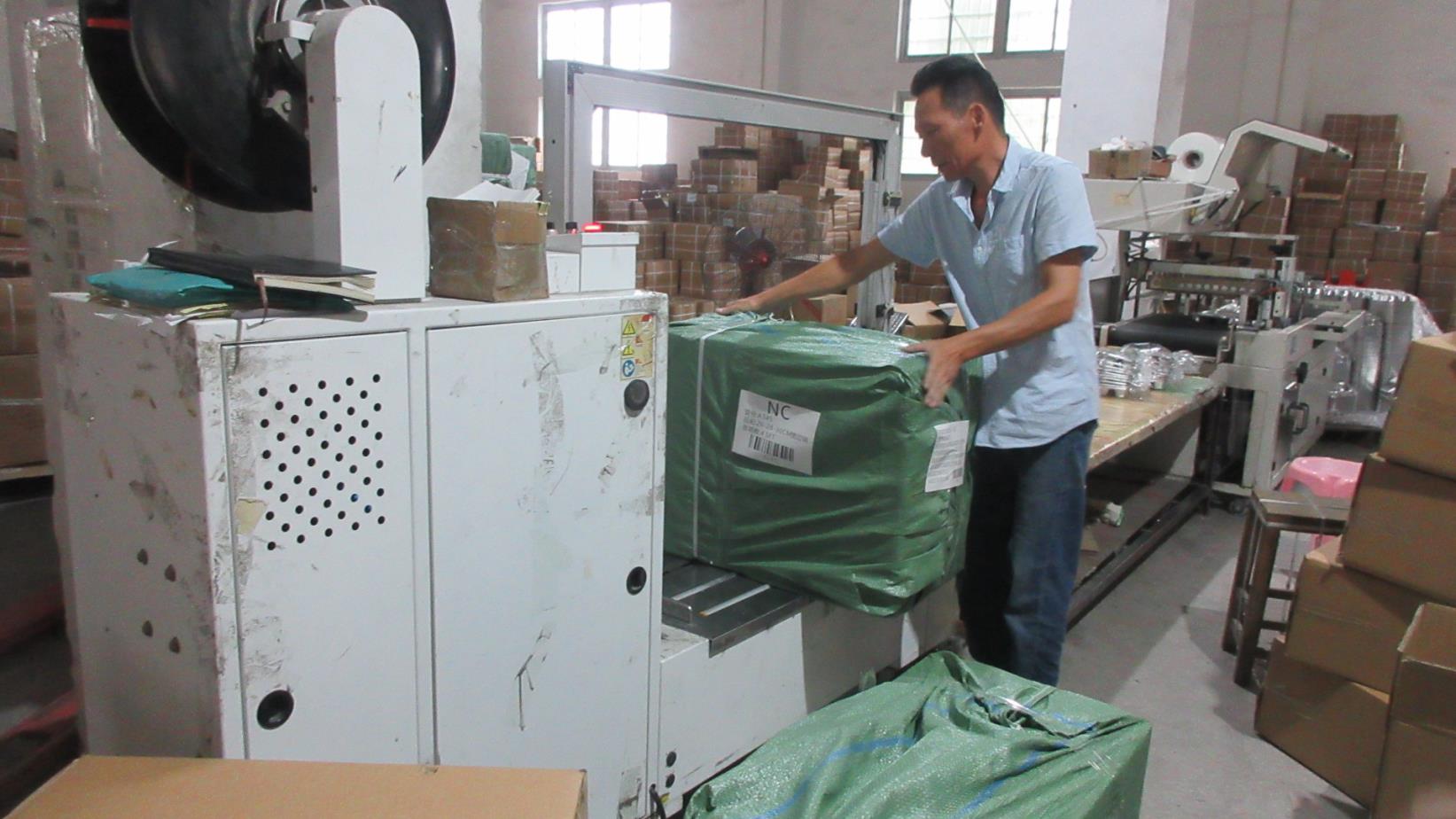
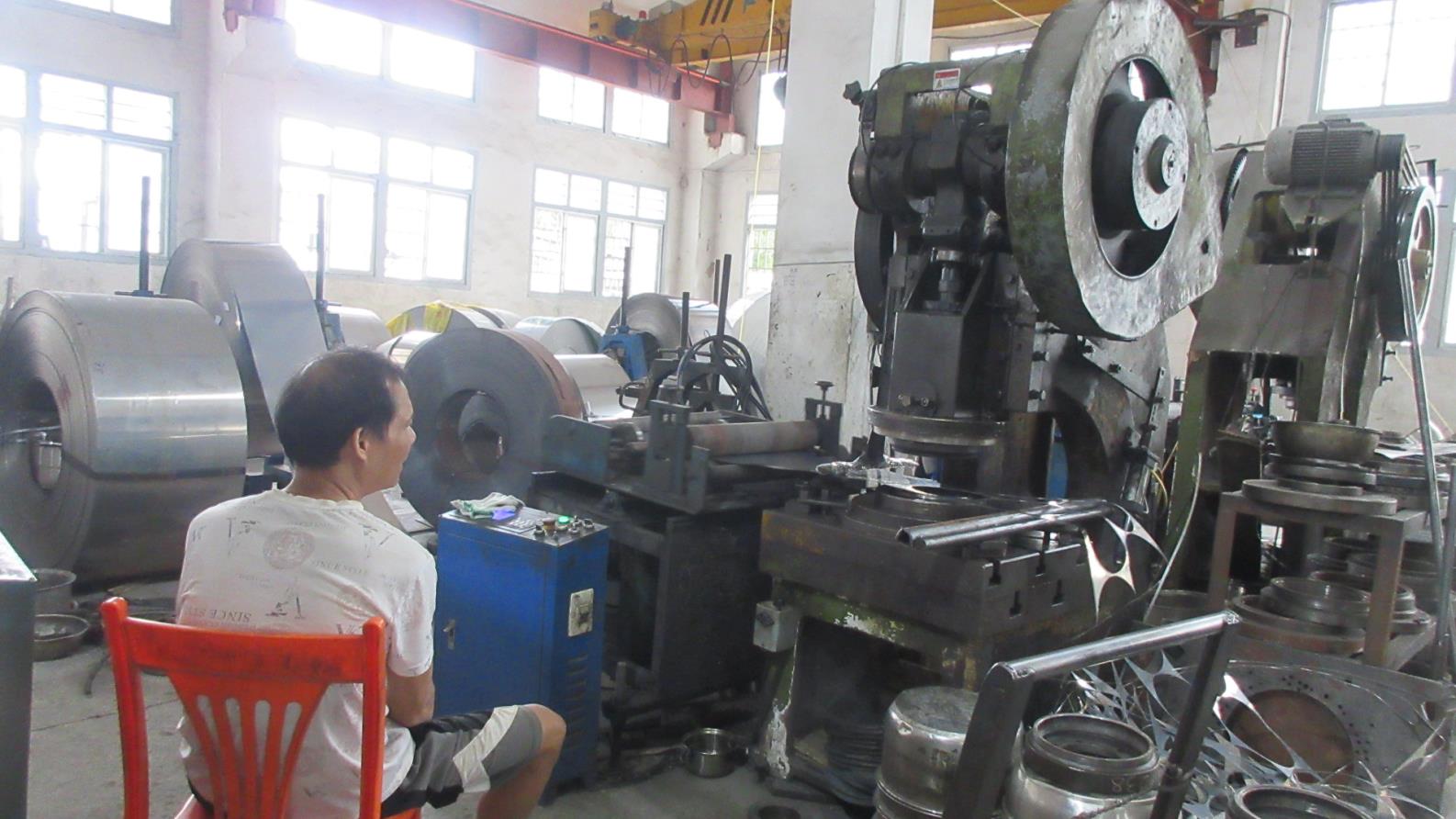
Global procurement specialists realize that buying from China is no longer just about low labor costs. The true competitive advantage lies in supply chain clustering, infrastructure vertical integration, and advanced automation. The Chaoshan plain in Shantou, Guangdong, represents a specialized industrial cluster where every link of the stainless steel supply chain exists within a 50-kilometer radius.
At Guangdong Kaus Kitchen Co., Ltd., our 30,000 square meter facility capitalizes on this unique geographic centralization. We manage the production workflow internally, starting from raw hot-rolled or cold-rolled coils directly to final product packaging. Our integrated facility features high-efficiency hydraulic pressing blocks, progressive stamping lines, robotized spot-welding networks, and specialized surface polishing machines. This level of vertical integration results in several direct advantages for international buyers:
As a global exporter, Kaus Kitchen understands that different international markets require specific product dimensions, designs, and metal alloy criteria:
In North America, standard commercial bakeries operate on sheet pan sizing measurements. The standard full-size sheet pan measures 18" x 26" (460 x 660 mm), while half-size sheets measure 13" x 18" (330 x 460 mm). We manufacture these pans with a reinforced galvanized wire rim. This design prevents warping in high-temperature commercial environments, particularly under thermal shock when transferring pans from hot ovens directly to cooling racks.
European professional kitchens utilize the Gastronorm system (EN 631). We supply Gastronorm pans (such as GN 1/1, GN 2/1, and GN 1/2) in grades of SUS 304 and SUS 316. Our European clients often request custom perforation layouts. Perforated pans optimize airflow, facilitating moisture reduction during convection baking for items like baguettes and pastries.
For large-scale, automated food production facilities, we supply heavy-duty trays with custom configurations. These include open-rim designs (without internal wire beads) to prevent water entrapment during high-pressure CIP (clean-in-place) sanitation cycles. We also manufacture custom nesting indentations that interface with robotic grabbers and automated conveyor rack systems.
The bakeware industry is evolving rapidly, driven by sustainability targets, energy-efficiency requirements, and advanced coating technologies. Here are the three primary trends shaping the future of commercial baking surfaces:
Regulatory bodies in the EU and North America are tightening restrictions on PFAS (per- and polyfluoroalkyl substances). Food brands now require PFOA-free coatings. Kaus Kitchen remains ahead of these regulations by offering advanced, high-temperature ceramic coatings and specialized physical textures, such as honeycomb micro-embossing. These surfaces provide excellent food release properties without chemical degradation.
Rising commercial energy costs have driven the demand for thinner, lighter baking pans that retain high structural integrity. By selecting high-tensile SUS 304 steel, we manufacture baking sheets that feature reduced mass for faster preheating and bake times. This efficiency helps commercial bakeries lower their natural gas and electrical power consumption.
Large corporations prioritize supply chain carbon tracking. Our stainless steel is 100% recyclable, and our production processes focus on reducing carbon outputs. By operating under the ISO14001 framework, we implement scrap recycling programs and waste-heat recovery systems in our facility, helping our global B2B clients meet their scope 3 emissions reductions.
Procuring commercial kitchenware at scale requires careful risk management. When evaluating a potential manufacturing partner, procurement departments should verify the following five key criteria to ensure product quality and supply chain reliability:
Answers to technical and commercial inquiries from procurement directors and culinary engineering specialists.
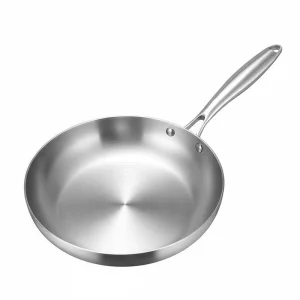
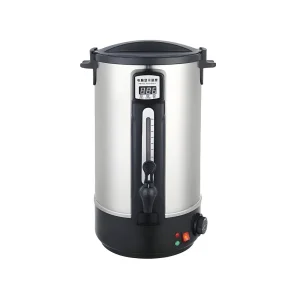
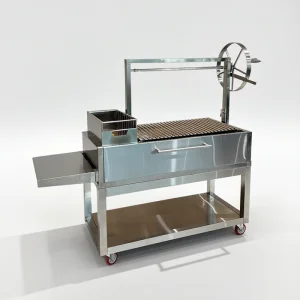
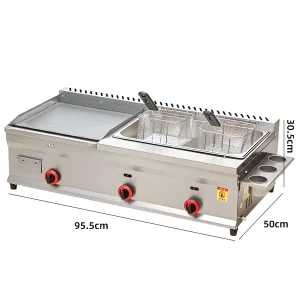
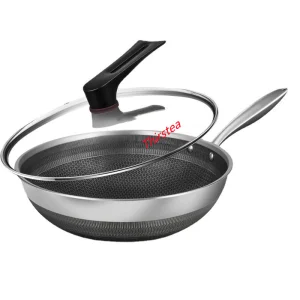
Explore our expanded catalog of stainless steel woks, stockpots, commercial griddles, and custom dining equipment.
 Kaus Kitchen