7 Tips Why Is My Stainless Steel Kettle Rusting Inside?

Time:2026-09-21 Author:Madeline
0%

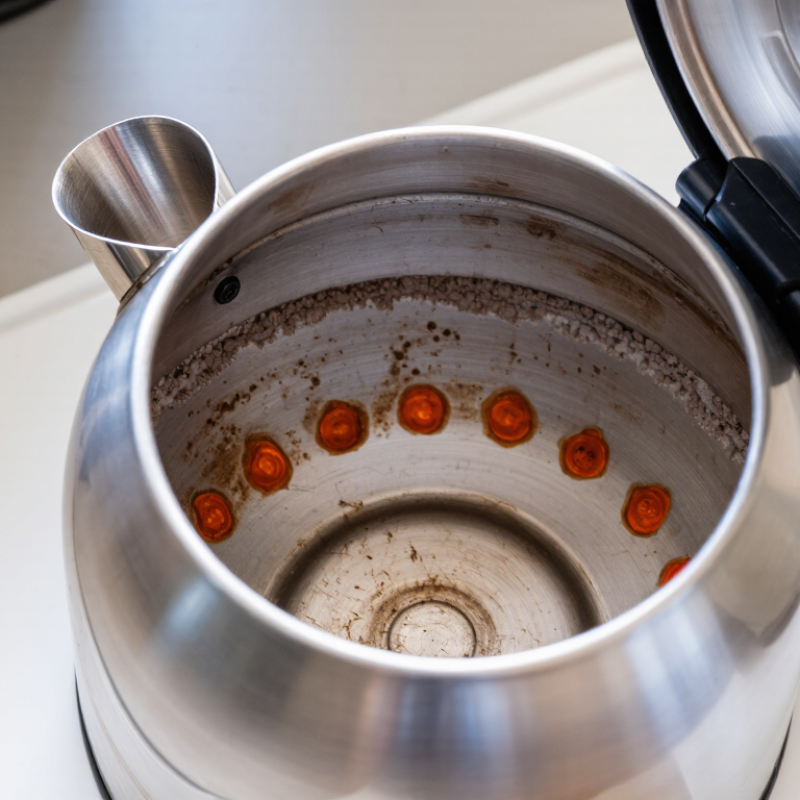
Why is my stainless steel kettle rusting inside? It is a practical question with several possible answers. Stainless steel does not mean rust-proof. Its protection comes from a thin passive layer that can weaken when exposed to salt, minerals, scratches, or trapped moisture.

Dr. Gerald S. Frankel, a respected corrosion scientist, explains the principle clearly: “Corrosion resistance is not corrosion immunity.” That distinction matters when orange spots appear around the heating plate, seams, or waterline. Hard-water minerals may leave brown deposits that resemble rust. Chloride-rich tap water can also attack damaged areas. Small scratches from abrasive sponges create another entry point. Sometimes, the kettle itself contains lower-quality steel or contamination from manufacturing.

The details can be surprisingly visible. A kettle left full overnight may develop a dull ring near the waterline. A rough patch may catch a cotton swab. A metallic smell can raise concern, although smell alone proves little. The easy mistake is treating every brown mark as harmless scale. Another mistake is assuming every spot means the kettle is unsafe. Both conclusions need checking.

This introduction examines seven practical reasons behind the problem. It considers water chemistry, cleaning habits, surface damage, material quality, and hidden residue. It also separates removable staining from true pitting corrosion. That distinction is important. If the interior feels rough, flakes, or shows deep pinholes, continued use deserves serious reconsideration. A careful inspection often reveals more than a quick rinse.
7 Tips Why Is My Stainless Steel Kettle Rusting Inside?

What Causes Rust to Form Inside a Stainless Steel Kettle

7 Tips Why Is My Stainless Steel Kettle Rusting Inside?

Stainless steel should resist rust, but it is not rust-proof. EN 10088-1 defines stainless steel as containing at least 10.5% chromium. This chromium forms a thin protective film on the surface. Scratches, heat, and chemicals can damage that film. I have seen orange spots appear after repeated boiling and wiping. It happens.

Hard water is another common cause. The United States Geological Survey classifies water above 120 mg/L as hard, measured as calcium carbonate. Hard water leaves white mineral scale inside the kettle. That scale can trap chlorides, soap residue, and moisture against the steel. Small pits may develop beneath it. Chloride-rich tap water is especially aggressive when the kettle is heated. A kettle boiled nearly dry can show damage faster, because concentrated minerals remain behind.

Some “rust” may not come from the kettle itself. Metal particles from steel scrubbers, knives, or nearby cookware can stick to the surface and corrode. The British Stainless Steel Association warns that contamination from ordinary carbon steel can create misleading rust marks. Clean gently with diluted citric acid, rinse thoroughly, and dry the interior. Avoid bleach and abrasive pads. If flakes return after descaling, or pits feel rough under a fingertip, the corrosion may be deeper. The World Health Organization reports that iron above 0.3 mg/L can affect water taste and appearance, although visible rust still deserves inspection. My own assumption was simple: stainless steel never rusts. That was too neat.

How to Identify the Difference Between Rust and Mineral Scale

7 Tips Why Is My Stainless Steel Kettle Rusting Inside?

A brown mark does not always mean rust. Rust usually appears as orange-brown spots, thin streaks, or rough patches near the waterline and lid. Mineral scale is usually white, gray, or pale yellow. It feels chalky and forms a hard ring around the heating area. My first impression can be wrong, especially when tea, coffee, or sediment darkens the surface.

Water hardness offers a useful clue. The U.S. Geological Survey classifies water above 120 milligrams per liter as hard, measured as calcium carbonate. Above 180 milligrams per liter is very hard. Such water can leave calcium carbonate deposits after repeated boiling. The World Health Organization reports no health-based limit for hardness, but mineral buildup can still reduce heating efficiency and create rough surfaces where corrosion may begin.

Try a small, cautious test. Mineral scale often softens with diluted white vinegar or citric acid after a short soak. Rust may remain orange and uneven. Never scrub aggressively with steel wool; embedded metal particles can create new stains. A soft nylon pad is safer. This test is not perfect. Acid may dull damaged surfaces, and some mineral deposits contain iron, making them look rusty. Check the kettle when it is cool, dry, and brightly lit. If the stain returns quickly, inspect your water source and consider a hardness test rather than guessing.

How to Clean Rust Safely Without Damaging the Steel

Rust inside a stainless steel kettle is unpleasant, but light surface rust can often be removed safely. Unplug the kettle, let it cool completely, and empty it before cleaning. Check the rust closely. Orange specks may come from hard-water minerals or metal particles, while deep pits suggest corrosion.

Use these seven practical tips. First, rinse away loose residue with warm water. Second, add equal parts white vinegar and water, then leave the mixture for 20 to 30 minutes. Do not boil it unless the kettle instructions allow it. Third, use a soft nylon brush or non-scratch sponge. Never use steel wool. It can leave tiny iron particles behind. Fourth, for stubborn marks, try a small amount of citric acid dissolved in water. Fifth, rinse the kettle several times until no acidic smell remains. Sixth, boil fresh water once, then discard it. Seventh, dry the interior with a clean towel and leave the lid open.

Avoid chlorine bleach, abrasive powders, and sharp tools. They may damage the protective chromium oxide layer. I once scrubbed too aggressively and created dull scratches that trapped more residue. That was a useful mistake. If rust returns quickly, or the metal feels rough and deeply pitted, stop using the kettle and seek professional advice. Hard water may also require more frequent descaling.

Seven Practical Ways to Prevent Rust from Returning

A stainless steel kettle can rust when its protective surface is scratched, stained, or exposed to mineral-rich water.

I have seen tiny orange spots appear around the lid seam and heating plate. The metal is not always defective. Salt, trapped moisture, and harsh cleaners can weaken its protective layer.

Seven practical habits help prevent rust from returning.

Empty the kettle after every use, then leave the lid open until the interior dries.

Rinse away tea, coffee, and mineral residue instead of letting them sit overnight.

Descale regularly with diluted citric acid, following the kettle’s care instructions. Rinse thoroughly afterward.

Avoid chlorine bleach, abrasive powders, and steel wool. They can leave scratches that collect moisture.

Use a soft sponge and a clean cloth.

Never add salt directly to boiling water.

Check the inside each week, especially near seams and the base. If you find a light surface mark, gently wipe it with diluted vinegar or citric acid, then rinse and dry completely.

Do not scrape aggressively. I once polished a small spot too hard and made the surface rougher. That was a mistake.

Reduce exposure to hard water by using filtered water when practical. Keep the kettle away from damp sinks during storage. If rust returns quickly, or deep pits remain after cleaning, stop using the kettle and seek qualified product advice.

When a Rusting Kettle Should Be Repaired or Replaced

7 Tips Why Is My Stainless Steel Kettle Rusting Inside?

A rusting kettle is not always ready for the bin. In my experience, orange stains often begin around the heating plate, seams, or trapped mineral deposits. Stainless steel resists corrosion, but it is not corrosion-proof. Hard water, chloride, scratched surfaces, and leaving water overnight can damage its protective layer. The U.S. Environmental Protection Agency lists 0.3 mg/L as the secondary standard for iron and 250 mg/L for chloride in drinking water. These limits are mainly aesthetic, yet they show how water chemistry affects metal surfaces.

Clean light staining with diluted citric acid or white vinegar, then rinse thoroughly and dry the kettle. Avoid bleach, abrasive powders, and steel wool. They can create deeper scratches. If the surface becomes smooth again, the kettle may remain usable, but inspect it weekly. I would not rely on appearance alone. Small pits can hide beneath a clean-looking surface.

Replace the kettle when rust returns quickly, flakes fall into water, or deep pits feel rough under a fingertip. A leak near the base is a clear replacement signal. Electrical faults require replacement, not home repair. The NACE IMPACT study estimated global corrosion costs at about $2.5 trillion annually, equal to 3.4% of global GDP. That figure concerns all industries, not kettles, but it supports a practical lesson: preventing corrosion is cheaper than ignoring it. I may keep a stained kettle after careful cleaning, but I would replace one with spreading pitting. Safety matters more than saving a small appliance.

7 Tips: Why Is My Stainless Steel Kettle Rusting Inside? When a Rusting Kettle Should Be Repaired or Replaced
Tip Likely Cause What You May Notice Recommended Action Repair or Replace?
1 Iron deposits or mineral-rich tap water have dried on the interior surface. Small orange or brown specks, especially around the waterline or base. Empty the kettle, then soak the affected area with diluted white vinegar or citric-acid solution. Rinse thoroughly and boil fresh water once or twice before use. Usually cleanable
2 Salt, chloride, or harsh cleaning chemicals have damaged the protective chromium-oxide layer of stainless steel. Pitting, tiny pinholes, or several dark-orange spots that return after cleaning. Avoid chlorine bleach, abrasive scouring pads, and salty water. Clean gently and keep the kettle dry between uses. Repair only if corrosion is superficial; replace if pitting is present
3 The kettle has been left wet for long periods, allowing surface contamination to oxidize. A rusty ring or stains remain after water has evaporated. After each use, empty unused water, rinse if needed, and leave the lid open so the interior can dry completely. Usually preventable and cleanable
4 Metal particles from steel wool, wire brushes, or other iron-containing utensils have transferred onto the surface. Localized rust marks without widespread damage to the kettle wall. Use a soft sponge and a non-abrasive descaling solution. Do not scrub with steel wool or metal brushes. Usually cleanable
5 Repeated overheating or boiling the kettle dry has caused heat damage and may have accelerated corrosion. Discolored metal, burnt residue, a distorted base, or a persistent burnt smell. Unplug the kettle and inspect it only after it has cooled. Do not continue using it if the base, heating element, or interior coating is damaged. Replace if overheating caused structural or electrical damage
6 The apparent rust may actually be limescale or iron-rich scale rather than corrosion of the stainless steel itself. Chalky white, yellow, or orange-brown buildup that flakes or dissolves in an acidic descaling solution. Descale periodically according to the appliance instructions. Rinse well and never mix acidic cleaners with bleach. Clean and monitor
7 The stainless-steel surface has developed deep pits, cracks, flaking, or a leak. Rust returns quickly, rough holes can be felt, flakes enter the water, or water escapes from the body. Stop using the kettle. Corrosion that compromises the metal cannot be safely restored with household cleaning. Replace the kettle

FAQS

How can I tell rust from mineral scale inside a kettle?

Rust often looks orange-brown, streaky, or rough. Mineral scale usually looks white, gray, or pale yellow. It feels chalky.

Where does rust commonly appear?

Check the waterline, lid, seams, and heating area. Rust may begin beside trapped deposits or scratched surfaces.

Can hard water cause mineral buildup?

Yes. Water above 120 milligrams of hardness per liter is considered hard. Repeated boiling can leave a hard calcium ring.

Does a brown stain always mean rust?

No. Tea, coffee, sediment, or iron-rich scale can darken the surface. My first impression may be wrong.

How can I test a suspicious stain safely?

Let the kettle cool and dry first. Soak the mark briefly with diluted vinegar or citric acid. Use a soft nylon pad.

What cleaning methods should I avoid?

Avoid bleach, abrasive powders, and steel wool. Steel particles can cause new stains. Scrubbing harder is not always better.

When can I continue using a stained kettle?

You may continue if light staining disappears, the surface feels smooth, and no flakes enter the water. Inspect it weekly.

When should I replace the kettle?

Replace it if rust returns quickly, deep pits feel rough, flakes fall inside, or water leaks near the base. Electrical faults need replacement.

How can I reduce future corrosion?

Empty the kettle after use, rinse it, and dry it with the lid open. Test water hardness if deposits return quickly. It is easy to overlook.

Conclusion

If you are wondering, “why is my stainless steel kettle rusting inside,” the cause may be trapped moisture, mineral deposits, scratches, poor-quality steel, or prolonged contact with salty or acidic water. Not every brown or white mark is rust: reddish-brown spots may indicate corrosion, while chalky white buildup is usually mineral scale. Identifying the difference helps you choose the right cleaning method and avoid damaging the kettle’s protective surface.

Rust can often be removed safely by soaking the interior with a mild acidic solution, gently wiping with a soft sponge, and rinsing thoroughly. Avoid abrasive pads, harsh chemicals, and metal tools that can create new scratches. To prevent rust from returning, empty the kettle after use, dry it with the lid open, descale it regularly, use clean water, and inspect the interior for damage. If rust is widespread, the surface is pitted, or flakes enter the water, repairing or replacing the kettle may be safer than continued use.

Madeline

Madeline

Madeline is a dedicated marketing professional with a wealth of expertise in our company's core offerings. With a keen understanding of the industry, she brings a unique perspective to her role, consistently delivering high-quality content that highlights the superior aspects of our products. As......