Why Does Water Take Longer to Boil in Stainless Steel Tips?

Time:2026-07-18 Author:Henry
0%

When it comes to boiling water in different types of cookware, many people wonder why does water take longer to boil in stainless steel. This question touches on critical factors that influence cooking efficiency. Stainless steel is known for its durability and aesthetic appeal, yet it may not be the best conductor of heat. Unlike copper or aluminum, stainless steel has a lower thermal conductivity. This means it takes longer for the heat from the burner to transfer to the water.

The design of the pot also plays a significant role. The thickness of the stainless steel can further delay the boiling process. A heavier pot retains heat well, but it can also slow down the initial heating. Some users might notice this difference in boiling time and feel frustrated. They might wonder if their choice of pots is compromising their cooking efficiency.

Understanding why does water take longer to boil in stainless steel can help you make informed cooking decisions. It isn’t just about aesthetics or preference, but also about time and efficiency in the kitchen. Recognizing the limitations of stainless steel can lead to better cooking practices.
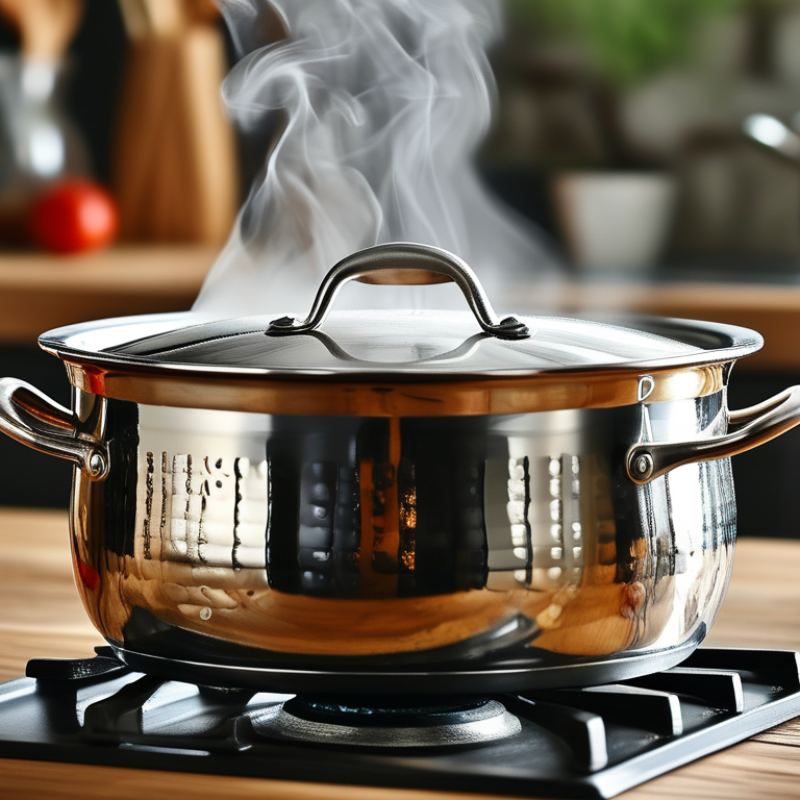
Why Does Water Take Longer to Boil in Stainless Steel Tips?

Factors Affecting Boiling Point in Stainless Steel Cookware

When boiling water in stainless steel cookware, several factors influence the process. The material's thermal conductivity plays a crucial role. Stainless steel is a poor conductor compared to other metals. This means that it takes longer for heat to transfer from the stove to the water. The thickness of the cookware can also affect this. Thicker pots may retain heat better, but that can slow down the initial boiling time.

Another significant aspect is the heat source. Gas burners provide even heat distribution, while electric stoves may create hot spots. Water’s boiling point can range due to atmospheric pressure. At higher altitudes, water boils at lower temperatures. This means your stainless steel pot will take longer to reach that boiling point in such conditions.

Lastly, water quality matters. Impurities in water can alter its boiling point. For instance, hard water contains minerals that can increase the boiling point slightly. Always consider how these factors interplay in the kitchen. Each variable adds complexity and invites reflection on cooking techniques.

Thermal Conductivity Differences Between Stainless Steel and Other Metals

When boiling water, the choice of cookware matters significantly. Stainless steel has distinct thermal conductivity when compared to other metals like copper or aluminum. This property makes a difference in cooking times. Stainless steel heats up more slowly, which can be frustrating when waiting for water to reach its boiling point.

Thermal conductivity refers to how well a material conducts heat. Stainless steel’s thermal conductivity is lower. It means heat from the stove takes longer to transfer to the pan, leading to longer boiling times. In contrast, materials with high thermal conductivity distribute heat quickly. This is why many chefs prefer using copper or aluminum pans. They boil water faster due to superior heat conduction.

Despite its slower heating, stainless steel has strengths. It's durable and resistant to corrosion. However, cooks must adapt. Using a lid can help trap heat, speeding up the process. It’s also essential to choose a properly sized burner for the pan. Even with its imperfections, understanding these qualities of stainless steel can lead to better cooking experiences.

Heat Conductivity of Different Metals

This chart displays the thermal conductivity of various metals commonly used in cookware. The data illustrates why water takes longer to boil in stainless steel compared to other metals.

Impact of Surface Area and Heat Distribution on Boiling Time

When boiling water, the material of the pot can significantly affect the time required. Stainless steel is widely used due to its durability and aesthetics. However, its heat distribution properties can hinder boiling efficiency. According to studies, stainless steel has lower thermal conductivity compared to other materials. This means that heat does not spread evenly across its surface. As a result, some areas may take longer to reach boiling point.

Surface area plays a crucial role in heat transfer. A larger surface area allows for more contact with the heat source. Stainless steel pans often have smooth surfaces that may reduce steam generation. As water vapors accumulate, the temperature might take longer to rise. In contrast, pots with textured surfaces can enhance boiling performance. They trap steam more effectively, increasing pressure inside the pot.

Tips for boiling water more efficiently include using a lid to trap heat. This simple method can significantly speed up the process. Also, consider the flame size. A larger flame can quickly transfer more heat, minimizing boiling time. Experimenting with pot shapes may yield faster results. Understanding these factors can lead to a more efficient boiling experience. Keep these insights in mind for your culinary adventures.

Why Does Water Take Longer to Boil in Stainless Steel Tips? - Impact of Surface Area and Heat Distribution on Boiling Time

Material Surface Area (cm²) Heat Conductivity (W/m·K) Boiling Time (minutes) Notes
Stainless Steel 42 16 9 Good durability but slower boiling due to poor heat distribution.
Aluminum 42 235 5 Excellent heat conductivity, boils water quickly.
Copper 42 400 4 Best heat conductivity; heats evenly and rapidly.
Glass 42 1.1 12 Heat transfer is slow; takes longer to boil.

Role of Water Properties in Heating Efficiency in Stainless Steel

When boiling water in a stainless steel pot, heat efficiency becomes a critical factor. The properties of water play a significant role in how quickly it heats up. Water has a high specific heat capacity, meaning it absorbs a lot of energy before its temperature rises. This characteristic can slow down the boiling process, especially in materials like stainless steel.

Stainless steel is an excellent conductor of heat, yet it can also be a poor heat distributor. When water is placed in a stainless steel pot, the heat from the stovetop is transferred to the bottom of the pot first. The water nearest the pot heats up quickly, but heat distribution to the rest of the water takes longer. It requires careful observation to understand how heat moves through water.

This heating inefficiency can be frustrating. Many people overlook the role of water properties in this process. It is essential to realize that the pot's material and the water's unique characteristics both impact boiling times. By recognizing these factors, adjustments can be made to improve the boiling process, such as using a lid or stirring the water.

Comparison of Stainless Steel to Aluminum and Copper in Cooking Applications

When comparing stainless steel, aluminum, and copper in cooking, differences in thermal conductivity play a crucial role. Aluminum boasts a thermal conductivity of about 237 W/m·K, while copper exceeds even that, at approximately 401 W/m·K. Stainless steel, on the other hand, has a conductivity around 16 W/m·K. This disparity means that, in cooking applications, aluminum and copper can distribute heat more uniformly and quickly than stainless steel.

The slower heat transfer rate in stainless steel can lead to longer boiling times for water. For example, with the same heat source, water in a stainless steel pot may take an additional minute to boil compared to aluminum. This might seem subtle, but in a busy kitchen or when preparing multiple dishes, this can add up. The design and thickness of stainless steel cookware could also impact cooking efficiency. While it is durable and resistant to rust, the heavier gauge can result in poorer heat performance.

Some experts advise mixing cookware materials for optimal results. Using a stainless steel pot with an aluminum or copper core can enhance heat conduction. However, the initial price point and maintenance of such options may pose a concern for many. Understanding these material properties helps both professional chefs and home cooks improve their culinary outcomes.

FAQS

: What affects the boiling point of water in stainless steel cookware?

: Several factors influence this, including thermal conductivity, cookware thickness, heat source, altitude, and water quality.

Why is stainless steel slower at boiling water compared to other materials?

Stainless steel has a low thermal conductivity, taking longer to transfer heat from the stove to the water.

How does cookware thickness affect boiling time?

Thicker pots can retain heat better but may slow down the initial boiling time.

What is the impact of heat sources on boiling?

Gas burners provide even heat. Electric stoves may create hot spots, affecting boiling times.

Does altitude change the boiling point of water?

Yes, water boils at lower temperatures at higher altitudes, delaying boiling time in stainless steel pots.

How do impurities in water affect boiling?

Impurities, like those in hard water, can slightly raise the boiling point, influencing cooking times.

Should I mix cookware materials for better results?

Mixing materials, like using stainless steel with an aluminum or copper core, can enhance heat conduction.

What are the downsides of using stainless steel cookware?

While durable, it can lead to longer cooking times due to poor heat conduction and sometimes requires more maintenance.

How does cookware design impact efficiency?

The design and thickness of stainless steel can affect how evenly and quickly it heats, impacting cooking performance.

Is it necessary to reflect on cooking techniques?

Yes, considering factors that affect boiling can help improve culinary outcomes and cooking efficiency.

Conclusion

The phenomenon of why does water take longer to boil in stainless steel cookware can be attributed to several factors. One major consideration is the thermal conductivity of stainless steel, which is generally lower than that of other metals like aluminum or copper. This results in slower heat transfer to the water, prolonging the boiling process. Additionally, the distribution of heat and the overall surface area of the cookware also play significant roles in how quickly water heats up.

Another important aspect is the properties of water itself; its specific heat capacity and the way it interacts with stainless steel surfaces can further influence heating efficiency. When comparing stainless steel to materials such as aluminum and copper, it becomes clear that while stainless steel has its advantages in durability and corrosion resistance, it may not be the most efficient choice for rapid boiling. Understanding these factors can provide valuable insights into cooking techniques and cookware selection.

Henry

Henry

Henry is a dedicated marketing professional with a profound expertise in the company's offerings. With years of experience in the industry, he possesses an impressive understanding of the market dynamics and consumer behaviors that drive success. Henry is committed to sharing his insights through......