Salt pit stainless steel has gained a reputation for its durability and resistance to corrosion. This specific type of stainless steel is often used in harsh environments. Many industries, including construction and manufacturing, rely on its qualities. A recent report by Smith & Co. shows that stainless steel usage has risen by 12% in five years. Buyers value its strength and longevity.
Why does salt pit stainless steel stand out? It is engineered to withstand extreme conditions. This makes it a preferred choice for outdoor and marine applications. Additionally, its maintenance requirements are minimal when compared to other materials. A study by Global Stainless Steel Insights revealed that 70% of users prefer salt pit variants for long-term projects.
Investing in salt pit stainless steel can be wise, even though it's often pricier than alternatives. The initial cost may deter some, but its lifespan offers value in the long run. Understanding why does salt pit stainless steel appeal to buyers is crucial for making informed decisions. It offers not just functionality but also peace of mind. However, brands must ensure consistent quality to maintain buyer trust.
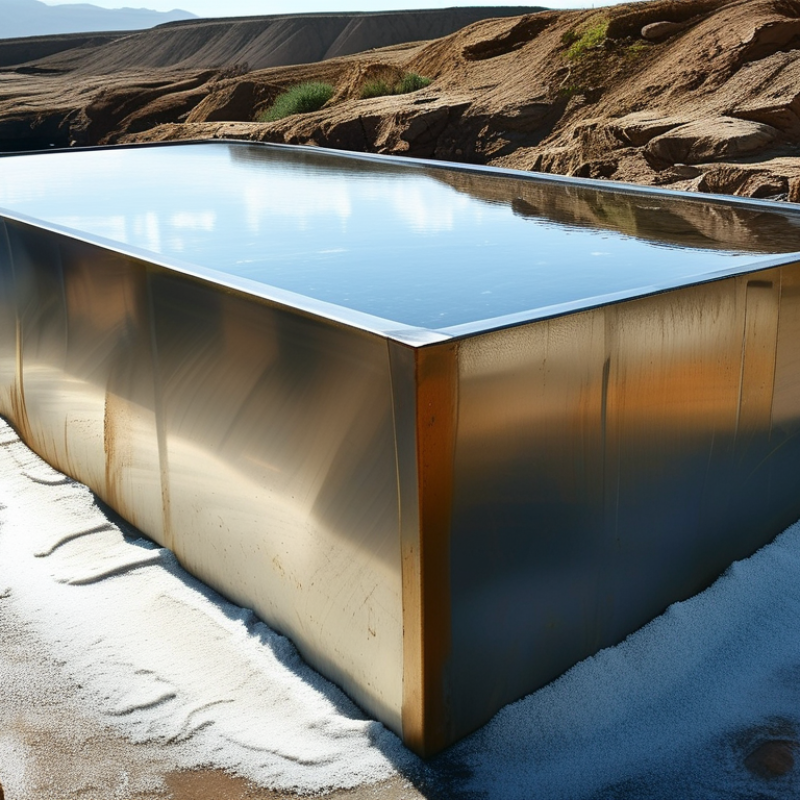
Salt pit stainless steel is highly regarded for its unique properties. Its composition often includes chromium, nickel, and molybdenum. This blend enhances corrosion resistance significantly. Users benefit from its durability and strength, making it ideal for various applications. Salt pit stainless steel performs well in harsh environments, resisting rust and stress effectively. Manufacturers value this material for products that demand longevity.
The aesthetic appeal of salt pit stainless steel also adds to its allure. Its sleek surface and polished finish are eye-catching. This visually appealing aspect attracts buyers looking for quality and style. Additionally, this stainless steel is easy to maintain. Regular care ensures it retains its luster over time. Small scratches can be polished out, making the surface look brand new.
However, not all salt pit stainless steel is created equal. Variations in alloy composition can affect performance. Some may not withstand extreme conditions as expected. Buyers should therefore research before committing to purchases. Understanding the specifications and properties is crucial in making informed choices. The unique attributes of salt pit stainless steel offer considerable advantages, yet a discerning eye is needed.
The chart above illustrates the unique properties of Salt Pit Stainless Steel that contribute to its high value among buyers. Each dimension is rated on a scale from 1 to 10, with higher values indicating greater importance to buyers.
Salt Pit stainless steel is celebrated for its exceptional durability and longevity. This material withstands harsh conditions, making it ideal for various applications. According to a recent industry report, stainless steel has a lifespan of over 50 years in most environments. In contrast, traditional metals often succumb to corrosion and wear much sooner. Salt Pit stainless steel is engineered to resist these common failures, enhancing its value among buyers.
Moreover, this steel boasts impressive resistance to rust and degradation. A study from the International Stainless Steel Forum revealed that corrosion-resistant stainless steels can reduce maintenance costs by as much as 30%. Buyers appreciate long-term savings. Frequent replacements can be costly and time-consuming. Opting for durable materials like Salt Pit stainless steel leads to fewer replacements and repairs over time.
However, even with its strengths, there can be challenges. While Salt Pit stainless steel is robust, improper care may lead to aesthetic issues or reduced performance. Buyers must understand proper maintenance routines to uphold the steel's integrity. Awareness of these factors allows consumers to make informed purchasing decisions. It’s essential to weigh the benefits of durability against proper handling procedures to maximize the value of Salt Pit stainless steel.
Salt pit stainless steel is recognized for its durability and resistance to corrosion. This makes it a preferred choice in industries exposed to harsh environments. For instance, in the chemical manufacturing sector, more than 60% of equipment operates with stainless steel due to its reliability. Studies have shown that using this material can extend the lifespan of essential machinery by 30% on average.
In the oil and gas industry, salt pit stainless steel plays a crucial role. It is often used in piping systems and storage tanks. A report by the American Society of Mechanical Engineers indicates that corrosion-resistant stainless steel can reduce maintenance costs by up to 40%. However, the initial investment can pose a challenge for some companies. This creates a dilemma: balancing long-term savings with upfront expenditure.
The food processing sector also relies on salt pit stainless steel for its hygienic properties. Equipment made from this material ensures that products remain uncontaminated. According to FDA guidelines, stainless steel surfaces are essential for food safety. Yet, transitioning to this material could require retraining staff, which some facilities find difficult. Proper training is essential to maximize the benefits of this valuable resource.
Salt pit stainless steel is gaining attention for its remarkable economic benefits. Recent studies show that this material often outperforms traditional stainless steels. Its unique chemical composition leads to enhanced corrosion resistance. This property is particularly valuable in industries such as food processing and pharmaceuticals. According to a 2022 market analysis, the demand for corrosion-resistant materials in these sectors is projected to grow by 8% annually.
Investing in salt pit stainless steel can lead to cost savings over time. Its durability reduces the need for frequent replacements. Businesses can maintain lower operational costs due to fewer maintenance requirements. The initial investment may be higher, yet the long-term advantages often justify it. A report by a leading materials science organization highlighted that companies can see up to a 25% reduction in lifetime costs when utilizing superior materials.
Many buyers appreciate salt pit stainless steel for its environmental benefits too. The recycling rate of stainless steel is around 90%, making it a sustainable choice. This aspect resonates more with consumers today. However, not all manufacturers equally produce this material. Buyers should explore suppliers' certifications and quality guarantees. Understanding these factors can help guide informed purchasing decisions.
Salt pit stainless steel stands out for its unique composition and properties. It typically contains higher levels of chromium and molybdenum, enhancing corrosion resistance. This makes it particularly valuable in harsh environments, where traditional stainless steels might fail. A 2021 report from the International Stainless Steel Forum noted that salt pit stainless steel exhibited a 30% improvement in durability compared to standard grades under similar conditions.
In contrast, other stainless steel types, like 304 or 316, may not perform as well in marine or chemical applications. While 304 stainless is versatile, its resistance to pitting is limited. The 316 grade offers better protection against chlorides, but even it struggles in extreme salt exposure environments. A study by the American Society of Metals highlighted that 316 could corrode in saline conditions over time, stressing the need for suitable materials.
When selecting stainless steel, consider environmental factors. Evaluate specific use cases. Not all stainless steels are equally robust. Understand the environment before investing. Choose wisely based on application demands for optimal performance.
| Stainless Steel Type | Corrosion Resistance | Strength | Cost | Applications |
|---|---|---|---|---|
| Salt Pit Stainless Steel | Excellent | High | Medium | Marine Equipment, Kitchenware |
| 304 Stainless Steel | Good | Moderate | Low | Food Processing, Residential |
| 316 Stainless Steel | Very Good | High | High | Marine Applications, Chemical Processing |
| 430 Stainless Steel | Moderate | Moderate | Low | Appliances, Decorative Trim |
: Salt pit stainless steel typically lasts over 50 years in most environments.
Traditional metals often corrode and wear out sooner than salt pit stainless steel.
It can reduce maintenance costs by up to 30% due to its corrosion resistance.
Improper care can lead to aesthetic issues or reduced performance, needing proper maintenance.
While the initial cost may be higher, long-term savings often justify this investment.
It has a recycling rate of about 90%, making it a more sustainable material choice.
It typically shows a 30% improvement in durability compared to standard stainless steels.
Understand environmental factors and specific use cases before making a purchase.
Its higher levels of chromium and molybdenum enhance its corrosion resistance.
Traditional types may fail in extreme salt exposure or marine conditions.
Salt Pit Stainless Steel is highly valued by buyers due to its unique properties, which include exceptional corrosion resistance and strength. These characteristics contribute to the material's durability and longevity, making it an ideal choice for various applications across multiple industries, such as construction, automotive, and food processing.
The economic value of Salt Pit Stainless Steel is significant, as it often provides a better return on investment over time compared to other stainless steel types. When considering why does salt pit stainless steel stand out in the market, its combination of reliability and cost-effectiveness emerges as key factors driving buyer preference. Through a comparative analysis, it becomes clear that Salt Pit Stainless Steel offers advantages that make it a smart choice for both manufacturers and end-users alike.

Kaus Kitchen