Using a stainless steel pressure cooker can be a game-changer in modern kitchens. These appliances are known for their efficiency. According to a report by the American Institute for Cancer Research, proper cooking methods like pressure cooking can preserve nutrients in food better than traditional methods. However, safety is paramount. Understanding how to use a stainless steel pressure cooker safely can prevent accidents and enhance your cooking experience.
Pressure cookers operate at higher temperatures and pressures than conventional pots. This means that following safety protocols is essential. The National Kitchen and Bath Association emphasizes that improper use can lead to burns or leaks. Regular maintenance, such as checking the rubber sealing ring and ensuring no vents are clogged, is vital for safe operation.
Many people might overlook these details, thinking they know how to use a stainless steel pressure cooker safely. While these cookers are user-friendly, mistakes can happen. It’s important to stay vigilant and double-check before each use. This not only ensures your safety but also improves the quality of your meals. Engaging with the process reflects a commitment to both culinary excellence and safety.
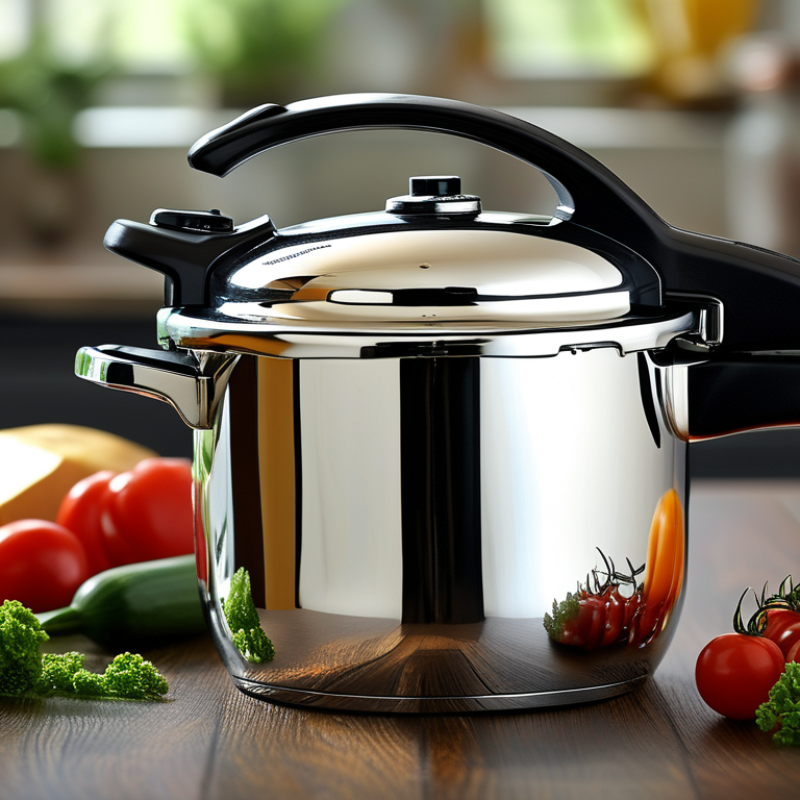
Selecting the right stainless steel pressure cooker involves several important factors for safety. Start by checking the manufacturer’s guidelines. Ensure the cooker is made from high-quality stainless steel. Look for a solid build that can withstand high pressure. A durable material reduces the risk of cracks or leaks.
Another key feature is the locking mechanism. Choose a model that has a reliable lid lock to prevent accidental openings during cooking. Safety valves are also essential. They release excess pressure and help prevent dangerous situations. Make sure the pressure cooker has an appropriate gauge. A clear, easy-to-read gauge lets you monitor the pressure effectively.
Don’t overlook the size. A cooker that is too small may not hold enough food. On the other hand, an oversized cooker can be unwieldy and tricky to manage. Consider your kitchen space and cooking needs. Lastly, familiarize yourself with the model you choose. Read the manual thoroughly. Practice using it with water before cooking with food. This allows you to understand its functions better.
Understanding how a stainless steel pressure cooker works is essential for safe cooking. These devices rely on steam pressure to cook food quickly. When heated, the liquid inside turns to steam, raising the pressure. This pressure increases the boiling point of water, enabling faster cooking. That's science in action.
Safety is crucial when using a pressure cooker. The buildup of pressure can be hazardous if not managed correctly. Improper sealing or overfilling can lead to accidents. It's vital to check the gasket and vent regularly. A worn gasket can compromise safety. Always ensure there's enough liquid inside. This step is key.
Even experienced cooks can overlook details. A moment of inattention can lead to spills or accidents. Remember to release the pressure safely before opening. Various methods exist, such as natural or quick release. Each has its purpose. Adjusting the method based on your dish is a skill learned over time. Cooking with pressure is rewarding, but it requires respect and attention.
When choosing a stainless steel pressure cooker, several key safety features should be prioritized. First, look for a robust locking mechanism. A secure lid prevents pressure from escaping during cooking. If the lid isn't locked properly, it can lead to dangerous situations. Many cookers have a visual indicator to confirm the lid is properly sealed.
Another important feature is a pressure release valve. This allows for quick steam release, reducing the risk of over-pressurization. Some models come with multiple safety valves. This redundancy adds an extra layer of protection. It's crucial to have these elements to prevent accidents while cooking.
Additionally, consider an automatic pressure control system. This feature regulates the internal pressure and temperature. It helps in achieving optimal cooking results while minimizing risks. Users often overlook maintenance. Regular checks of the rubber gasket and safety valves are necessary. Wear and tear can compromise safety. Always refer to the manual for proper maintenance guidelines. This ensures the cooker operates safely and effectively.
| Safety Feature | Description | Importance |
|---|---|---|
| Pressure Release Valve | Allows steam to escape safely when the pressure exceeds the recommended level. | Prevents potential explosions and ensures safe cooking. |
| Locking Mechanism | Secures the lid during cooking to prevent accidental opening. | Enhances user safety by preventing spills and burns. |
| Visual Pressure Indicator | Shows the current pressure level inside the cooker. | Helps users ensure the cooker is at a safe pressure level during cooking. |
| Safety Lock System | Prevents opening the lid until all pressure is released. | Reduces the risk of accidents caused by opening the lid prematurely. |
| Durable Construction | Made from high-quality stainless steel that can withstand high pressure. | Ensures the longevity and safety of the cooker during multiple uses. |
Using a stainless steel pressure cooker can greatly enhance your cooking experience. However, safety should always come first. Start by checking the gasket. It should be clean and free of cracks. Regularly inspect the valve to ensure it's functioning well. Keeping these parts in good shape can prevent accidents.
When cooking, always fill the pot within the recommended levels. Overfilling can lead to dangerous pressure builds. Avoid quick releases of pressure. Instead, let it dissipate naturally. This gives your food time to settle and prevents hot steam from escaping suddenly. When removing the lid, face it away from you. Protect your hands with oven mitts to avoid burns from steam.
Know your cooker’s specific instructions. Each model has unique features that require attention. If something feels off, like unusual noises or excessive steam, stop using it. Cooking in a pressure cooker should be careful and attentive. Mistakes can happen, even to seasoned cooks. Reflect on your practices and always prioritize safety in your kitchen endeavors.
Maintaining a stainless steel pressure cooker is crucial for safety and longevity. Regular inspection is essential. Check the rubber gasket for wear and tear. A compromised gasket can lead to pressure loss or leaks. According to industry reports, nearly 40% of pressure cooker accidents are due to faulty gaskets. Ensure the gasket fits snugly and replace it if it's cracked or hardened.
Cleaning is another vital aspect of maintenance. Food residues can accumulate and affect the performance. Use a mixture of vinegar and water to remove stubborn stains. Rinse thoroughly to prevent any chemical buildup. A clean cooker is not just about aesthetics; it helps in even cooking and enhances safety. Studies show that well-maintained cookers have a lower risk of malfunction, leading to a safer cooking experience.
Regularly check the pressure release valves, too. Blocked valves can create dangerous situations. They should be cleaned regularly to ensure they function correctly. Look out for unusual noises during operation; they may indicate an underlying issue. A proactive approach to these maintenance tips fosters a safe cooking environment.
: Start by checking the manufacturer's guidelines and ensuring the cooker is made from high-quality stainless steel.
A reliable lid lock is crucial. It prevents accidental openings during cooking and ensures safety.
Look for safety valves that relieve excess pressure and a clear gauge for monitoring pressure levels.
Consider your kitchen space and cooking needs. A small cooker may not hold enough food, while a large one can be unwieldy.
Familiarize yourself with the model by reading the manual and practicing with water first.
Regularly inspect the rubber gasket and safety valves. Wear and tear can compromise safety.
Stop using the cooker immediately. Safety is crucial, and unusual signs can indicate a problem.
Avoid quick releases. Let the pressure dissipate naturally to prevent sudden steam escapes.
Always face the lid away from you and use oven mitts to protect your hands from hot steam.
Yes, even experienced cooks make mistakes. Reflecting on safety practices is essential for kitchen success.
Using a stainless steel pressure cooker safely requires understanding its mechanics and selecting the right model with essential safety features. When choosing a pressure cooker, prioritize options that incorporate safety locks, pressure release valves, and sturdy construction to minimize risks. Familiarizing yourself with how pressure cookers work will help you appreciate the importance of following guidelines for safe operation.
To prevent accidents during cooking, adhere to step-by-step guidelines that ensure proper handling and maintenance. This includes regularly checking the cooker’s seals and ensuring it is clean before each use. By implementing these practices, you can confidently learn how to use a stainless steel pressure cooker safely, enhancing your cooking experience while keeping safety at the forefront.
Kaus Kitchen