Cleaning burnt stainless steel pans can be a frustrating task. However, understanding how to clean burnt stainless steel pan effectively can save both time and effort. According to recent industry reports, over 60% of households struggle with stubborn stains on cookware, leading to wasted cleaning products and time. Stainless steel is favored for its durability and resistance to rust, but once burnt, it can be challenging to restore.
The market for cookware maintenance products is expected to grow by 5% annually, highlighting the importance of effective cleaning methods. Many users resort to harsh chemicals, which can be harmful to both the environment and health. Instead, exploring natural cleaning solutions can yield excellent results.
This article will provide you with ten practical methods to tackle the issue. Each method draws on expertise from culinary professionals. With these insights, you can enjoy a clean pan without the hassles usually associated with burnt stains.
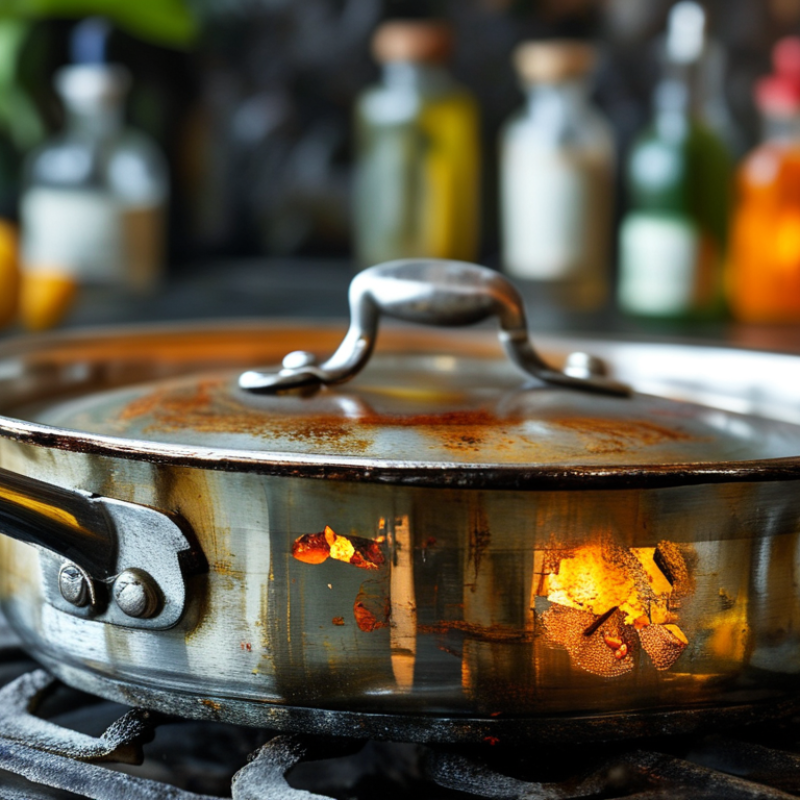
Understanding the Causes of Burnt Marks on Stainless Steel Pans
Burnt marks on stainless steel pans are often the result of overheating during cooking. High temperatures can cause food residues and oils to carbonize, leaving stubborn stains. This happens frequently when the pan is left unattended on a hot burner.
Another common issue is cooking acidic foods in a pan that has been excessively heated. These reactions can lead to discoloration and damage the pan's surface, making it appear burnt.
Another factor contributing to burnt marks is the use of inappropriate cookware. Some pans are not designed for high-heat cooking. Using these pans for tasks like searing or frying can lead to burnt surfaces. Even though stainless steel is durable, it requires proper care. Regular maintenance, such as seasoning or using the right utensils, can help minimize these problems. It's essential to pay attention to cooking habits. Experimenting with heat levels and techniques can often lead to better results.
Essential Cleaning Supplies for Restoring Burnt Stainless Steel Pans
Cleaning burnt stainless steel pans can seem daunting. However, having the right supplies makes the task manageable. Industry reports indicate that nearly 70% of households struggle with burnt cookware. Using the proper tools can significantly ease the burden.
Baking soda is a powerhouse in this area. This affordable abrasive can help lift burnt-on food. Combine it with water to create a paste and scrub the affected areas gently.
Vinegar is another essential supply. Mixing vinegar with baking soda creates a fizzing reaction that loosens stubborn stains. Data shows that these simple ingredients can clean effectively, reducing reliance on harsher chemicals.
Microfiber cloths are beneficial too. They trap dirt without scratching surfaces. Many users report that these cloths outperform traditional rags. It’s essential to have a gentle sponge, as scrubbing too hard can worsen damage. This meticulous approach requires patience and trial. Not every attempt will yield perfect results. Refinement and experimentation often lead to the best practices for cleaning burnt stainless steel pans.
Step-by-Step Method: Baking Soda and Water Paste for Stubborn Burns
Cleaning a burnt stainless steel pan can feel overwhelming. But with the right technique, stubborn burns can vanish. One effective method is using a baking soda and water paste. This simple solution is typically found in most kitchens, making it accessible to many.
Start by mixing three parts baking soda with one part water to form a thick paste. Apply this mixture generously onto the burnt areas of the pan. Allow it to sit for at least 15 to 20 minutes. This waiting period helps the baking soda work on breaking down the burnt residue. The coarse texture of baking soda acts as a gentle abrasive, removing the burn marks without scratching the surface.
After the paste has set, scrub the pot with a non-abrasive sponge. You should notice significant improvement. Sometimes, stubborn spots may need an additional application of the paste. It's essential to rinse the pan thoroughly with warm water afterward. This process highlights that cleaning can take time and may require multiple attempts. The result is often worth the effort, restoring your pan to its original shine. Embrace the imperfections and learn from every cleaning venture.
Using Vinegar and Baking Soda for Effective Burnt Pan Cleanup
Cleaning a burnt stainless steel pan can be a frustrating task. However, using vinegar and baking soda offers a reliable method to restore its shine. Start by letting the burnt pan cool. Pour enough vinegar to cover the bottom of the pan. This acidic solution helps dissolve stubborn residues. Afterward, sprinkle a generous amount of baking soda over the vinegar. The combination will create a fizzy reaction that loosens burnt bits.
After letting the mixture sit for a few minutes, use a non-abrasive scrubber. Gently scrub the surface in circular motions. For those stubborn spots, a little extra baking soda can be sprinkled on. Rinse thoroughly with warm water. If any residue remains, repeat the process. It can take a few tries to achieve complete cleanliness. Always remember to test a small area first, ensuring that your pan won’t get scratched.
This method relies heavily on the natural powers of vinegar and baking soda. Yet, results may vary based on the pan's burn level. Sometimes, a bit of elbow grease is required. It’s a trial-and-error approach, and patience is vital. Embrace the challenge of cleaning, understanding that every attempt brings you closer to a pristine pan.
Preventative Measures to Avoid Future Burnt Marks on Stainless Steel Pans
Cleaning burnt marks from stainless steel pans can be frustrating. The best approach is to prevent these marks from appearing in the first place. Here are helpful tips to keep your pans in pristine condition.
Always preheat the pan correctly. This step is crucial for even cooking. Avoid high heat settings. Use medium to low heat instead. This not only protects the surface but also enhances the flavor of your food. Remember to add oil or water before introducing food. It creates a barrier, ensuring food does not stick or burn to the surface.
Another essential tip is proper utensil use. Opt for wooden or silicone utensils. Metal tools can scratch the stainless steel, making it more prone to burning. After cooking, let the pan cool down slowly. Rapid temperature changes can warp the metal. Lastly, cleaning promptly after use minimizes residue that may otherwise burn onto the pan’s surface.
Taking these measures makes maintaining your stainless steel pans easier. It's about being mindful while cooking. A little attention goes a long way in preserving your cookware.
FAQS
: Mix three parts baking soda with one part water to create a thick paste.
Allow the paste to rest for at least 15 to 20 minutes for effective cleaning.
Use a non-abrasive sponge to avoid scratching the pan’s surface while scrubbing.
You may need to apply the paste again on tough spots for better results.
Yes, rinse the pan thoroughly with warm water after cleaning to remove residue.
Preheat the pan correctly and use medium to low heat for cooking.
Opt for wooden or silicone utensils to protect your stainless steel cookware.
Cleaning right after use helps prevent residue from burning onto the pan’s surface.
Rapid cooling can warp the metal, compromising the pan’s integrity.
Yes, it's normal to encounter stubborn burns, but patience often leads to better outcomes.
Conclusion
Cleaning a burnt stainless steel pan can be a challenging task, but understanding the causes of burnt marks is the first step toward restoring your cookware. Common causes include high heat and cooking with oils that can leave residue. Essential cleaning supplies, such as baking soda, vinegar, and water, will be key in your efforts.
To effectively learn how to clean burnt stainless steel pan, you can start by creating a baking soda and water paste for stubborn burns, or use a combination of vinegar and baking soda for a more vigorous cleanup. Finally, incorporating preventative measures, like adjusting cooking temperatures and monitoring food closely, can help avoid future burnt marks on your stainless steel pans. By following these steps, you can maintain the integrity and appearance of your cookware.

 Kaus Kitchen