When cooking with stainless steel, many home chefs face the frustrating issue of food sticking. Understanding why does food stick to stainless steel is crucial for improving your culinary skills. Renowned culinary expert Dr. Emily Roberts emphasizes, "The interaction between food proteins and the pan surface plays a significant role in sticking."
The physical properties of stainless steel create a unique cooking surface. When heat is applied, pan materials expand and interact with proteins in the food. This can cause sticking if the pan isn't properly preheated or if too little oil is used.
Many cooks may wonder, is there a perfect method to achieve a non-stick effect? The reality is that even with experience, some dishes may stick regardless of technique. Reflecting on our cooking habits and adjusting accordingly can lead to more successful outcomes.
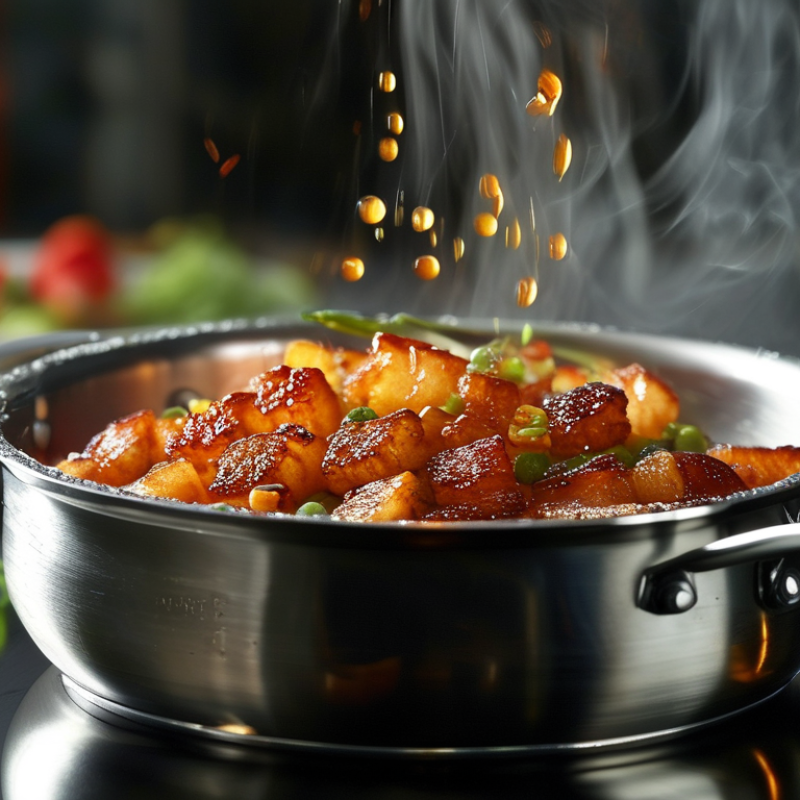
Cooking with stainless steel brings a unique set of challenges. One major issue is food sticking to the surface. The design and material composition play a significant role. Stainless steel is non-porous, which means it doesn't absorb oils like other materials. This can lead to food adhering tightly during cooking.
Temperature is another key factor. When the pan is too hot or not hot enough, food can stick. For example, proteins like chicken and fish can cling to the pan if the correct temperature is not achieved. This can be frustrating for home cooks. Additionally, the cooking technique matters. Improper use of fats or oils may contribute to food adhesion. A thin layer of oil can make a difference in achieving a non-stick effect.
Surface imperfections are also a consideration. A well-used, scratched pan may coax food to stick more than a brand-new one. Maintaining the cooking surface is vital for optimal performance. Understanding these factors can help improve your cooking experience with stainless steel cookware. Recognizing what causes sticking can lead to better techniques and a more enjoyable cooking process.
| Reason | Description | Impact Level |
|---|---|---|
| Surface Roughness | Rough surfaces can create more friction, leading to food sticking. | High |
| Heat Distribution | Uneven heating can cause certain areas of food to cook faster, increasing adhesion. | Medium |
| Cooking Temperature | High temperatures can cause food to caramelize and stick to the surface. | High |
| Oil or Fat | Insufficient oil can decrease the non-stick properties of stainless steel. | High |
| Food Type | Certain foods, like eggs, have a higher tendency to stick due to their protein structure. | Medium |
| Moisture Content | High moisture can lead to more steam, which affects adhesion during cooking. | Low |
| Cooking Technique | Techniques like flipping too soon can cause food to stick. | Medium |
| Surface Treatment | Different finishes can alter how food interacts with the surface. | Low |
| Utensil Material | Using metal utensils can scratch the surface, increasing stickiness. | Medium |
| Cleaning Methods | Residual oils or food particles from poor cleaning can affect performance. | Low |
: Even heat distribution helps achieve a nice sear on meats. It's essential for effective cooking.
Food can stick if the pan is overheated. It’s crucial to monitor the temperature while cooking.
Preheating allows the entire surface to warm up, but adding food too early can create steam and affect searing.
Proteins can bond with the metal surface, making it challenging to flip or stir. Temperature and technique matter.
Oil can create a barrier to prevent sticking but using too much or too little can lead to problems.
Allowing food to develop a sear is vital. If it sticks, don’t rush; give it more time to release naturally.
Experiment with different cooking techniques. Learn from mistakes to find what works best for you.
Sprinkle water on the pan. If the droplets dance, the pan is at the right temperature for cooking.
Overloading the pan can lower the temperature, increasing the likelihood of sticking and uneven cooking.
Each cooking error offers a chance to learn. Assess your methods and adjust to improve your cooking skills.
The article "China Top 10 Reasons Why Food Sticks to Stainless Steel" explores various factors that contribute to why does food stick to stainless steel surfaces. One key element is surface roughness, which can create micro-textures that trap food particles. Additionally, heat distribution during cooking plays a significant role, as uneven heating can lead to food adhering to the surface more than necessary.
Moreover, chemical reactions between certain foods and stainless steel can also facilitate sticking. To minimize food adhesion, employing proper cooking techniques, such as preheating the pan and using sufficient oil, can greatly enhance the cooking experience and reduce the frustration of food sticking. Understanding these factors is crucial for anyone looking to improve their cooking skills on stainless steel cookware.

 Kaus Kitchen