When considering the versatility of kitchen tools, a common question arises: can stainless steel cookware go in the oven? Many home cooks and chefs alike appreciate the durability and functionality of stainless steel. Its ability to withstand high temperatures makes it a popular choice for stovetop cooking. However, its suitability for oven use prompts further exploration.
Stainless steel cookware offers numerous benefits. It heats evenly and is resistant to rust and corrosion. These qualities make it ideal for a variety of cooking tasks. Yet, not all stainless steel pieces are created equal. Some may have plastic handles or other components that aren't oven-safe. Understanding your cookware’s specifications is crucial to ensuring safe and effective use.
Using stainless steel in the oven can yield excellent results, especially for roasting and baking. Still, it is essential to keep in mind the potential for heat retention. This aspect may lead to overcooking if not monitored closely. Users should always refer to manufacturer guidelines. With the right knowledge, cooks can confidently integrate stainless steel into their baking repertoire.
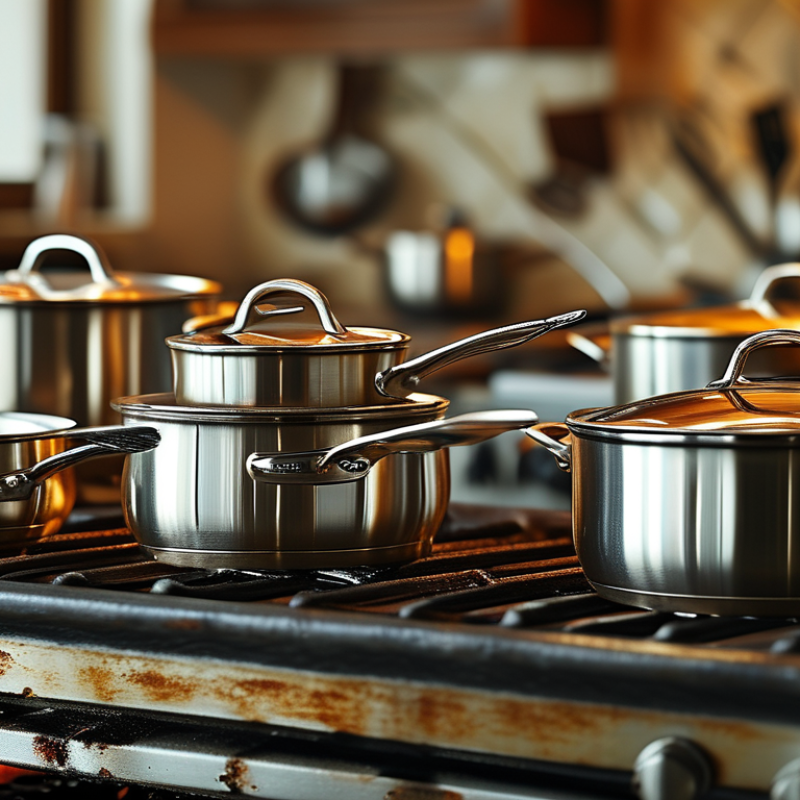
Stainless steel cookware has gained popularity in many kitchens around the world. This type of cookware is made from steel alloyed with chromium. The chromium gives stainless steel its shiny appearance and corrosion resistance. Cookware crafted from this material is often durable and can withstand high temperatures. It heats evenly, making it a preferred choice by many chefs.
Stainless steel cookware is versatile, suitable for various cooking methods, including sautéing, boiling, and frying. Many people appreciate its sleek design and ease of cleaning. However, some users may find that it can sometimes cause food to stick, especially at high temperatures. It requires a bit of practice to master cooking techniques.
The advantages of stainless steel cookware are compelling, yet it’s important to understand the cookware's limitations. Not all stainless steel products are compatible with ovens. You must check the handles and materials used. Improper use may lead to damage. Careful consideration is essential when choosing cookware for different cooking methods. This thoughtful approach ensures you get the most out of your kitchen tools.
Stainless steel cookware is known for its durability and versatility. It can withstand high temperatures, making it suitable for oven use. Many professionals trust its non-reactive surface. This ensures that food flavors remain intact during cooking. Data from the American Cookware Association shows that more than 70% of chefs prefer stainless steel for its heat conductivity.
When using stainless steel in the oven, it’s essential to consider its heat tolerance. Most stainless steel cookware is safe up to 500°F (260°C). However, be cautious with handles. Some may not be oven-safe beyond certain temperatures. A survey by Cookware Insights indicates that 40% of home cooks have experienced handle failures when exposed to high heat.
Although stainless steel is robust, it can be prone to warping if heated rapidly. This can impact the cooking performance. Choosing high-quality stainless steel can minimize this risk. However, not all stainless steel products are created equal. Reliable manufacturers often provide specific temperature guidelines and safety recommendations. It’s important for cooks to research and choose wisely, ensuring safe and effective cooking.
This chart illustrates the user responses regarding the oven safety of stainless steel cookware. The majority of users (70%) believe that stainless steel cookware is safe to use in the oven, while 20% are uncertain and 10% think it is not safe.
When considering stainless steel cookware for oven use, it’s essential to know which types are suitable. Many stainless steel pots and pans can withstand high temperatures. Look for cookware with a heavy base. This construction helps with even heat distribution. An even base can prevent warping over time.
Oven-safe stainless steel cookware usually comes with metal handles. Silicone or plastic handles may melt under high heat. Check the manufacturer's guidelines for specific temperature limits. Cookware with a snug-fitting lid is also a plus. It helps maintain moisture during baking. A well-fitting lid can make a significant difference in cooking results.
Keep in mind that not all stainless steel is oven-friendly. Some may not perform well at extreme temperatures. Reflect on how you plan to use your cookware. For example, if you often roast or bake, opt for high-quality stainless steel. It can enhance your oven cooking experience. Always prioritize functionality over aesthetics when making your choice.
When using stainless steel cookware in the oven, there are best practices to ensure safety and performance. Stainless steel is excellent for oven use due to its heat tolerance. However, it is essential to check the specific cookware's specifications. Cookware designed for the oven usually withstands temperatures up to 500°F. A report from the American Society for Testing and Materials shows that cookware materials can significantly affect their performance under high heat.
To maximize the utility of stainless steel, avoid drastic temperature changes. For example, placing a hot pan directly into cold water can lead to warping. Utilizing it for roasting vegetables or baking dishes can enhance flavor and texture, thanks to its excellent heat conduction. Remember to use oven mitts while handling hot cookware to avoid burns.
Keep an eye on some details. Sometimes the handles may not be oven-safe, which could lead to accidents. Always ensure that the entire piece is labeled as oven-safe. A checklist for inspecting your cookware can avoid unwanted surprises. While stainless steel is very dependable, always consider small discrepancies in design or wear that may affect performance.
| Features | Details |
|---|---|
| Oven Safety | Stainless steel cookware is generally safe for oven use up to 500°F (260°C), but check for specific handling guides. |
| Handle Material | Ensure handles are heat resistant; silicone or stainless steel handles are preferable, while plastic handles may not be oven-safe. |
| Lid Compatibility | Lids should also be oven-safe; glass or stainless steel lids are typically suitable, while plastic lids are not. |
| Cleaning Instructions | Most stainless steel cookware is dishwasher safe; however, hand washing is recommended to maintain shine. |
| Cooking Techniques | Great for roasting, baking, and broiling; avoid using high sugar formulas that could cause sticking. |
| Preheating | Preheat the oven if using for baking to achieve better cooking results and avoid temperature shock. |
Many people think stainless steel cookware is not oven-safe. This misconception stems from unfamiliarity with the material's properties. Stainless steel is actually designed to withstand high temperatures. Most stainless steel cookware can safely endure oven temperatures up to 500°F (260°C). Reports indicate that cookware made from this material distributes heat evenly, enhancing cooking efficiency.
Another belief is that only specific types of stainless steel are oven-safe. In reality, the type of stainless steel used is usually 18/10, which consists of 18% chromium and 10% nickel. This composition provides excellent resistance to rust and warping at high temperatures. A study from the American Society for Testing and Materials emphasizes that well-manufactured stainless steel can handle extreme oven environments without compromising quality.
It's important to care for your stainless steel cookware properly. The use of rubber or wooden utensils is advisable to avoid scratches. Some pans may have non-stick coatings and can degrade under high heat. Not every piece is guaranteed safe for the oven. Checking manufacturer guidelines is crucial. By doing this, you can avoid tragic cooking mishaps and maximize the longevity of your cookware.
: Yes, most stainless steel cookware can safely withstand oven temperatures up to 500°F (260°C).
Always check the specific cookware's specifications to confirm it is oven-safe.
Yes, placing a hot pan directly into cold water can cause warping.
No, quality varies. Reliable manufacturers provide safety guidelines for their products.
Yes, some handles may fail under high heat, so check for oven safety labels.
Avoid using metal utensils that can scratch or damage surfaces.
Yes, care involves properly using utensils and following manufacturer guidelines.
Some believe stainless steel isn't oven-safe, but it is designed for high temperatures.
Using it for roasting or baking can enhance food's flavor and texture.
It may warp or fail under high heat, affecting cooking performance.
Stainless steel cookware is a popular choice for many home cooks, known for its durability and resistance to corrosion. When considering whether can stainless steel cookware go in the oven, it is important to understand the properties of stainless steel that ensure its safety and effectiveness in high heat. Most types of stainless steel cookware, particularly those designed without plastic or rubber components, are suitable for oven use, providing versatility for various cooking techniques.
To maximize the performance of stainless steel cookware in the oven, best practices include preheating the cookware and avoiding sudden temperature changes. Additionally, there are common misconceptions about oven use with stainless steel that should be addressed, such as the belief that all stainless steel is oven-safe or that they cannot handle high temperatures. By understanding these factors, cooks can confidently use stainless steel cookware in the oven to create a variety of delicious dishes.

Kaus Kitchen