In 2026, the debate over cookware preferences has intensified. Many consumers are asking, "why is stainless steel cookware better than nonstick?" The answer lies in both durability and health considerations. A recent report by the American Institute for Cancer Research highlighted that nonstick coatings can release harmful chemicals when overheated. This poses a risk to our health, especially for families who cook daily.
Moreover, stainless steel cookware offers superior heat distribution. According to the Culinary Institute of America, professional chefs favor stainless steel for its ability to withstand high temperatures without warping or degrading. In contrast, nonstick materials can degrade over time, often requiring replacement every few years, leading to more waste. Stainless steel, on the other hand, can last a lifetime with proper care.
However, many find stainless steel less forgiving for novice cooks, which can be frustrating. It requires learning proper techniques to prevent sticking. This learning curve must be acknowledged. Sustainable choices like stainless steel are essential, yet the shift in consumer behavior shows mixed results. Acknowledging both the advantages and challenges of stainless steel cookware is critical in understanding why it could be the better option moving forward.
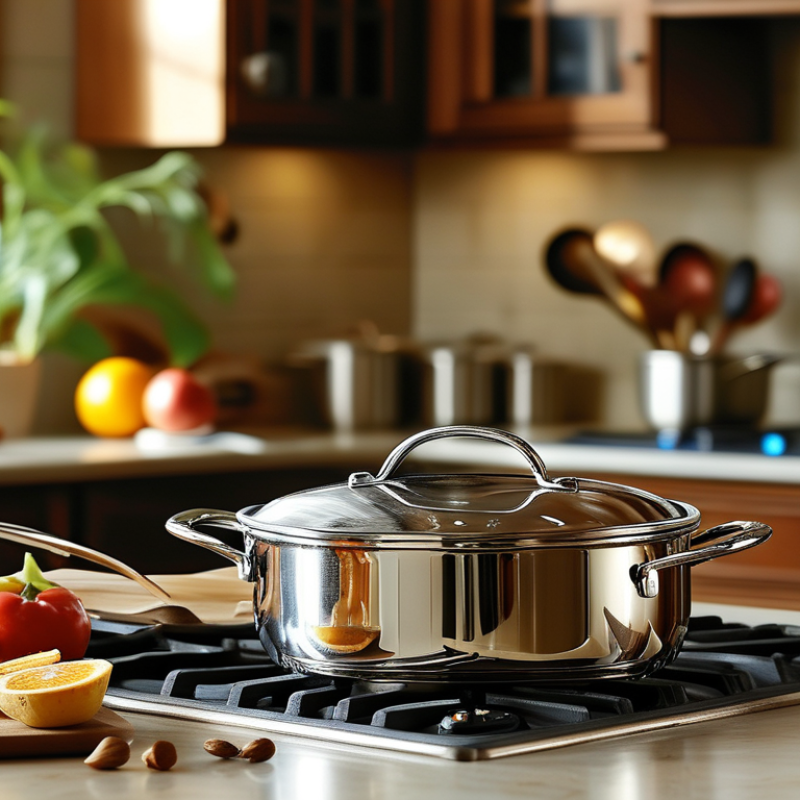
Advantages of Stainless Steel Cookware Over Nonstick in 2026
Stainless steel cookware has distinct advantages over nonstick varieties in 2026. It is renowned for its durability, which means it can last for years without degrading. Unlike nonstick pans, stainless steel does not chip or scratch easily. This resilient material can withstand high temperatures, making it versatile for various cooking methods.
However, many home cooks experience a learning curve. Food can stick to stainless steel if not used properly. To avoid this, ensure the pan is preheated before adding oil. Once the oil is shimmering, add your ingredients. This simple tip minimizes sticking and enhances your cooking experience.
Another advantage of stainless steel is its safety. It does not emit harmful chemicals when heated, unlike some nonstick coatings. This makes it a safer option for both you and your family. When cleaning, use gentle sponges and avoid abrasive cleaners to maintain your cookware’s shine and integrity. Remember, stainless steel requires care, but the benefits are worth it in the long run.
Health and Safety Considerations of Using Stainless Steel Cookware
When considering cookware, health and safety are paramount. Stainless steel has emerged as a leading choice. Unlike nonstick pans, which often contain harmful chemicals like PFOA, stainless steel cookware does not leach toxins. A report from the European Food Safety Authority highlights that nonstick coatings can degrade over time, posing potential health risks.
Research indicates that cooking with stainless steel at high temperatures does not produce toxic fumes. In contrast, some nonstick coatings can release harmful substances when overheated. According to a study published in the Journal of Environmental Health, prolonged exposure to nonstick surfaces can have long-term health implications. Stainless steel provides a safer alternative for those who prioritize wellness.
Durability also plays a crucial role in safety. Stainless steel is resistant to scratches and wear, while nonstick surfaces can deteriorate quickly. This durability means a lower chance of contaminating food with particles from damaged coatings. Although stainless steel cookware may require more maintenance and a specific cooking technique, it ultimately ensures a safer and healthier cooking experience.
Durability and Longevity of Stainless Steel Compared to Nonstick Options
Stainless steel cookware stands out for its exceptional durability and longevity compared to nonstick options. Unlike nonstick pans, which can scratch and wear over time, stainless steel withstands high heat and heavy use. This means fewer replacements and more savings in the long run. Stainless steel also resists staining and rusting, making it a reliable choice for any kitchen.
Tip: To maintain your stainless steel cookware, avoid using metal utensils that can cause scratches. Instead, opt for wooden or silicone tools.
Many users appreciate the versatility of stainless steel. It can go from stovetop to oven, making it ideal for various cooking methods. However, some may find that food can stick if not used properly. This aspect requires practice to master. Using the right amount of oil or preheating the pan can make a significant difference.
Tip: Ensure your pan is hot enough before adding food; this helps prevent sticking and enhances flavor.
Versatility of Stainless Steel Cookware for Various Cooking Methods
Stainless steel cookware stands out for its exceptional versatility in various cooking methods. Unlike nonstick options, stainless steel can withstand high heat, making it ideal for searing meats and creating a perfect crust. The ability to go from stovetop to oven is a game-changer. You can start a dish on the burner and finish it in the oven without switching pans. This contributes to the flavors, allowing for better depth and complexity in meals.
Moreover, stainless steel cookware excels in browning and deglazing. When developing sauces, the fond left in the pan enhances taste. In contrast, nonstick surfaces can hinder this process. The variety of cooking techniques, from sautéing to braising, showcases stainless steel's adaptability. Unlike nonstick cookware, it won't chip or flake, ensuring a durable cooking experience. This longevity makes it a more reliable choice for passionate cooks.
However, it’s important to consider that mastering stainless steel requires some skill. Temperature control is crucial; food can stick if not heated correctly. Users often need to adjust their techniques, which can be frustrating initially. Embracing these challenges can lead to better cooking. A little practice goes a long way, making the investment in stainless steel cookware worthwhile.
Why is Stainless Steel Cookware Better Than Nonstick in 2026?
| Feature |
Stainless Steel Cookware |
Nonstick Cookware |
| Durability |
High resistance to scratching and denting |
Can easily scratch and wear over time |
| Heat Resistance |
Can withstand high temperatures |
Not suitable for high heat; coating may degrade |
| Cooking Versatility |
Suitable for searing, browning, and deglazing |
Best for low to medium heat cooking |
| Maintenance |
Can be cleaned with abrasive materials |
Requires gentle cleaning to protect coating |
| Food Reaction |
Not reactive; safe for all foods |
Can react with acidic foods |
| Long-term Value |
Generally lasts a lifetime |
Shorter lifespan due to coating wear |
Environmental Impact of Production and Disposal of Cookware Materials
The environmental impact of cookware materials is increasingly scrutinized. Stainless steel stands out for its long lifespan and recyclability. In contrast, nonstick cookware often contains polytetrafluoroethylene (PTFE). This material can release harmful chemicals when heated, leading to potential environmental hazards. Research indicates that nearly 30% of nonstick products end up in landfills, contributing to pollution.
Processing stainless steel generates fewer emissions compared to the production of nonstick alternatives. A 2020 report from the Environmental Protection Agency (EPA) showed that stainless steel has a 50% lower impact on global warming potential during its lifecycle. However, not all stainless steel is created equal. Some lower-quality options may be mixed with alloys that impair their recyclability.
Tips for Choosing Cookware:
- Look for high-quality stainless steel marked as 100% recyclable.
- Avoid nonstick options unless they meet strict safety standards.
- Check the production methods of any cookware to ensure sustainability.
Being mindful of cookware choices can help reduce environmental impact. It's essential to weigh benefits against potential downsides. Everyone's choices can make a difference, influencing the future of our planet.
FAQS
: Stainless steel cookware is durable, heat-resistant, and does not chip or scratch easily. It lasts longer than nonstick options.
Preheat the pan and add oil when it’s hot. This helps reduce sticking and improves cooking results.
Yes, stainless steel does not emit harmful chemicals when heated, making it a safe choice for cooking.
Use gentle sponges and avoid abrasive cleaners to maintain its shine and integrity for years.
Absolutely! Stainless steel is versatile and can seamlessly transition from stovetop to oven for various cooking techniques.
Mastering stainless steel requires practice, especially with temperature control to prevent sticking. Adjusting your approach can be essential.
It lasts longer than nonstick cookware, reducing replacement needs. This durability can lead to significant savings over time.
Avoid metal utensils as they can scratch. Wooden or silicone tools are better options to protect your cookware.
Yes, it is excellent for high-heat cooking methods like searing and browning, enhancing flavors in your dishes.
You may experience a learning curve and food sticking initially, but practice can improve your cooking skills significantly.
Conclusion
In 2026, the question of "why is stainless steel cookware better than nonstick" becomes increasingly relevant as consumers prioritize health, safety, and environmental sustainability. Stainless steel cookware offers numerous advantages, including its non-reactive nature, which makes it a safer option for cooking a variety of foods without the risk of chemical leaching. In terms of durability and longevity, stainless steel outperforms nonstick alternatives, which often degrade over time, leading to a need for frequent replacements.
Moreover, the versatility of stainless steel cookware allows it to be used across various cooking methods, from stovetop to oven, ensuring consistent results. Environmental considerations also play a significant role, as stainless steel is recyclable and has a less harmful impact on the planet when produced and disposed of compared to nonstick materials. Overall, these factors underscore the growing preference for stainless steel cookware among health-conscious and environmentally aware consumers.

 Kaus Kitchen