Old stainless steel cookware often looks beyond repair. Brown heat rings, cloudy mineral film, and tiny rainbow stains can make a favorite pan feel permanently damaged. Yet most dull surfaces need careful cleaning, not replacement. This guide explains how to restore shine to old stainless steel cookware with practical methods suited to real kitchens.
Cleaning expert Mary Gagliardi offers a useful warning: “Stainless steel is stainless, not stain-proof.” Her point matters. Stainless steel resists corrosion, but it still collects oil, burnt food, hard-water deposits, and discoloration. The safest approach begins with a completely cool pan, warm water, and a few drops of mild dish soap. For heavier marks, a soft paste of baking soda and water can loosen residue without aggressive scrubbing. Work with the grain. Rinse thoroughly. Dry immediately with a clean microfiber cloth.
Some advice sounds simple. It is not always easy.
Avoid steel wool, chlorine bleach, and harsh abrasive powders. They may remove stains quickly, but they can leave scratches or dull patches that reflect light unevenly. White vinegar can help dissolve mineral film, although prolonged contact may damage finishes or nearby materials. Test any method on a small area first. No restoration process guarantees a factory-new appearance, especially when deep scratches or pitting are present. That limitation deserves honesty. Still, patient cleaning often brings back a clearer reflection, a brighter rim, and the familiar confidence of a well-used pan.
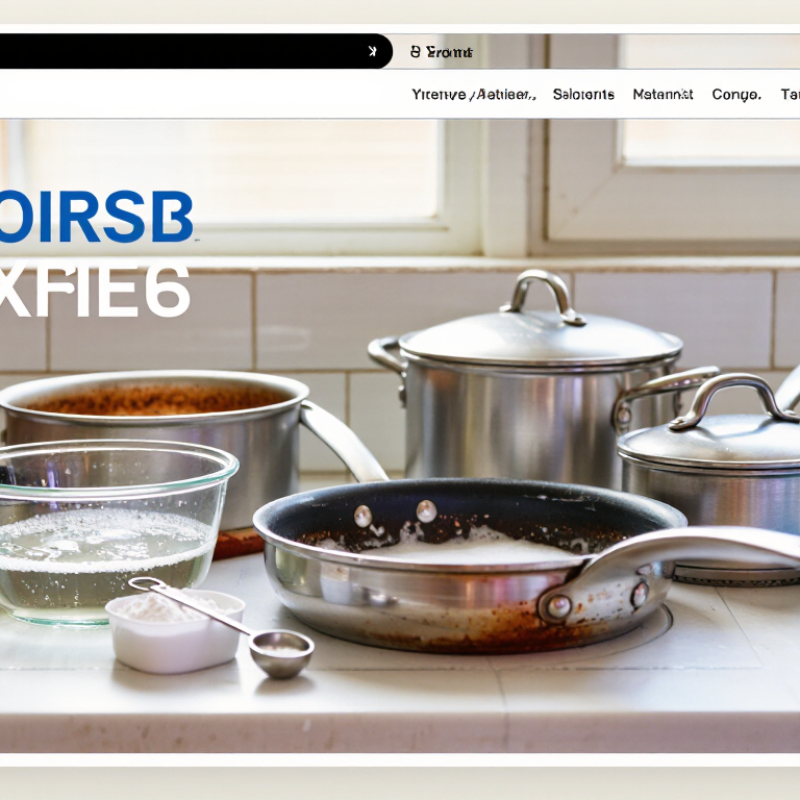
How to Restore Shine to Old Stainless Steel Cookware?
Assess the surface before cleaning. Stainless steel is durable, but its appearance can reveal different problems. The World Stainless Association reported 58.4 million tonnes of crude stainless steel production in 2023. That scale reflects widespread use, not immunity from staining. A dull gray film may be mineral scale, while blue, purple, or brown marks often indicate heat tint. Orange spots suggest surface rust or contamination from iron particles. Black, sticky patches usually mean burnt food residue.
Run your fingertips gently across the cooled pan. A smooth stain may respond to mild cleaning, but roughness can signal pitting. Pits are small cavities, not ordinary discoloration. Deep scratches also need caution because aggressive polishing can make them wider. I sometimes mistake heat tint for rust, especially under warm kitchen lighting. A second look near a window prevents unnecessary scrubbing. Avoid steel wool, which can leave embedded iron and create new orange spots. The British Stainless Steel Association advises using non-contaminating tools and cleaning methods suited to the steel surface.
Tips: Photograph the pan before cleaning. Test any method on a small area first. Use a soft nylon pad and a mild, non-chloride cleaner for unknown stains. For white scale, identify whether the deposit feels chalky. For brown marks, check whether they wipe away or leave pits. If discoloration remains after gentle cleaning, stop. Shiny does not always mean undamaged.
Typical pH values help distinguish acidic mineral deposits and food residue from mildly alkaline cleaning solutions. Values are approximate because concentration and water quality can change the result.
How to read the chart: Hard-water deposits are commonly treated with a mild acid such as vinegar or lemon juice, while baked-on organic residue can respond to a mildly alkaline baking-soda solution. Always test a small area first, avoid chlorine bleach, and do not use abrasive pads that can scratch the surface.
Before cleaning old stainless steel cookware, gather safe, simple materials. Keep warm water, mild dish soap, microfiber cloths, and a soft nylon brush nearby. A clean cloth prevents old grease from scratching the surface. For stuck food, add baking soda and enough water to form a loose paste. Avoid steel wool, harsh scouring powders, and chlorine-based cleaners. They can leave scratches or dull patches.
Test first. Wet the pan with warm water, then remove loose residue gently. Apply the baking soda paste with a soft cloth and rub in the direction of the steel’s grain. Let it sit for ten minutes, but do not allow it to dry completely. A nylon brush can reach around rivets and beneath handles. For cloudy mineral marks, diluted white vinegar may help. Rinse it away promptly. Never mix vinegar with other cleaners.
I once scrubbed too hard and created a dull circle that polishing could not fully remove. That mistake changed my routine. I now use light pressure and repeat the process instead of forcing one stubborn mark. Rinse every cleaner thoroughly, then dry the cookware immediately with a fresh towel. Check the care instructions before using any unusual material, especially on cookware with a coated exterior. Not every stain disappears. A clean, even surface is a realistic goal.
Old stainless steel cookware can regain its shine, but patience matters more than aggressive scrubbing. I usually let the pan cool completely before cleaning. Rinse away loose crumbs, then add warm water and a few drops of mild dish soap. For grease, cover the surface with a paste of baking soda and water. Leave it for 10 minutes. Wipe with a soft sponge, following the grain of the steel. Never use a metal scouring pad. It can leave scratches that collect future residue.
Burned food needs a slower approach. Fill the cookware until the stuck area is covered, then simmer the water for 10 to 15 minutes. Turn off the heat and wait until it is safe to touch. Lift softened residue with a wooden or silicone utensil. Repeat if needed.
I once scrubbed too early and spread a dark film across the base. That mistake taught me to soften deposits first. For rainbow discoloration, wipe diluted white vinegar over the surface, rinse promptly, and dry with a clean towel. Avoid chlorine bleach and harsh cleaners.
Tips: Use a dry microfiber cloth for the final polish. Tiny water spots disappear quickly. Test vinegar on a hidden area first, especially with coated surfaces. If the pan remains rough, stop scrubbing. Permanent damage may not be removable.
Restoring shine to old stainless steel cookware starts with a clean surface. I usually wash the pan with warm water and mild dish soap. This removes grease that can hide scratches and dull patches. Dry it completely with a soft towel. Water spots become harder to judge when the metal is still wet.
Apply a small amount of stainless steel polish to a microfiber cloth. A homemade paste of baking soda and water can also help with light marks. Rub gently in the direction of the steel’s grain. Circular scrubbing may create visible swirls. Work on one small area at a time, then wipe away residue with a fresh, damp cloth. Finish with a dry cloth until the surface feels smooth and reflects light evenly. Do not use steel wool, chlorine products, or rough scouring pads. They can scratch the finish or leave rust-prone particles behind.
For burned stains, soak the cookware before polishing. Never attack a hardened spot with excessive force. Heat and repeated gentle cleaning are safer than aggressive scraping. I once polished a pan too quickly and left a cloudy patch near the rim. It improved after several careful passes, but it never became perfect. That result was useful. Stainless steel can regain a strong shine, yet deep scratches and heat discoloration may remain visible. Inspect the surface under bright kitchen light before cooking with it again.
| Cleaning or Polishing Method | Best For | Typical Time | Recommended Mixture or Tool | How to Use | Expected Result | Important Precaution |
|---|---|---|---|---|---|---|
| Warm Water and Dish Soap | Loose grease, fingerprints, and everyday residue | 5–10 minutes | Warm water, mild dish soap, and a soft microfiber cloth | Wash the cookware, rinse thoroughly, and dry immediately with a clean cloth. | Removes surface film and improves the natural luster. | Avoid steel wool and abrasive scouring pads, which can leave scratches. |
| Baking Soda Paste | Dried food, light discoloration, and cloudy patches | 10–15 minutes | About 3 parts baking soda to 1 part water | Apply the paste to the damp surface and rub gently in the direction of the grain. Rinse and dry. | Lifts baked-on residue with mild abrasion and can reduce dull areas. | Use light pressure; excessive rubbing may create visible lines on polished surfaces. |
| Diluted White Vinegar | Mineral deposits, water spots, and rainbow heat tint | 5–10 minutes | Equal parts white vinegar and water | Wipe the solution over the cool surface, leave it briefly, then rinse well and dry. | Dissolves many mineral residues and helps restore an even appearance. | Do not leave acidic solution on the cookware for a long period; rinse thoroughly afterward. |
| Boiling Water and Baking Soda | Burnt food and stubborn residue inside the pan | 15–25 minutes | Enough water to cover the residue plus 1–2 tablespoons of baking soda | Simmer gently, allow the pan to cool, loosen residue with a wooden or silicone utensil, then wash normally. | Softens carbonized food before polishing and reduces the need for aggressive scrubbing. | Never heat an empty pan, and allow hot cookware to cool before rinsing. |
| Non-Abrasive Stainless Steel Polish | A final shine after cleaning and removing stains | 5–10 minutes | A cookware-safe, non-abrasive polishing product and a soft cloth | Apply a small amount, polish with the grain, and buff away all residue with a dry cloth. | Enhances reflectivity and leaves a smoother-looking finish. | Check the label for cookware suitability and wash the surface before cooking. |
| Soft Microfiber Buffing | Final streak removal and routine shine maintenance | 2–5 minutes | Clean, dry microfiber cloth | Buff the completely dry cookware using long strokes that follow the existing grain. | Removes water streaks and produces a clearer, more uniform shine. | Use a separate cloth for polishing so trapped grit does not scratch the surface. |
| Fine Scratch Prevention | Maintaining restored shine over time | Ongoing | Soft utensils, non-abrasive pads, and immediate drying | Clean after use, avoid dragging cookware across hard surfaces, and store pieces without metal-to-metal contact. | Helps preserve the polished appearance and reduces future dullness. | Do not use chlorine bleach or abrasive powders on stainless steel cookware. |
Best practice: Clean the cookware first, remove stains using the mildest suitable method, rinse completely, dry immediately, and polish with the grain rather than in circular motions.
Old stainless steel cookware can regain its brightness, but aggressive scrubbing often causes lasting scratches. The 2023 World Stainless statistical report recorded about 58.4 million tonnes of crude stainless steel production worldwide. That scale reflects the material’s durability, not unlimited resistance to abuse. Start with warm water, mild dish soap, and a soft microfiber cloth. Wipe in the direction of the visible grain. A soft nylon pad can loosen cooked-on residue without cutting deeply into the surface. Avoid steel wool, rough scouring powders, and chlorine-based cleaners. They can leave scratches, dull patches, or corrosion marks.
For stubborn stains, soak the pan first. Patience matters. A paste of baking soda and water may help with light discoloration. Apply gentle pressure, then rinse completely. The British Stainless Steel Association’s cleaning guidance recommends removing residues promptly and drying stainless surfaces after washing. Water spots are less dramatic, but they slowly make bright cookware look tired. Dry the pan with a clean towel, especially around the rim and handles. Do not drag metal utensils across the cooking surface. I sometimes over-polish old pans, thinking more effort means more shine. It does not. Test any cleaner on a hidden area first, because brushed and mirror finishes react differently. A little dullness may be safer than a permanent scratch.
Let the cookware cool completely. Rinse away loose crumbs. Mix baking soda with water into a soft paste. Cover greasy areas for 10 minutes. Wipe with a soft sponge, following the steel grain. Rinse and dry thoroughly.
Cover the stuck area with water. Simmer it for 10 to 15 minutes. Turn off the heat and let it cool. Lift softened residue with wood or silicone. Repeat gently if needed. Do not scrape too early.
Wipe diluted white vinegar over the discoloration. Rinse promptly with clean water. Dry with a clean towel. Test a hidden area first. Coated surfaces may react differently.
Avoid metal scouring pads, steel wool, and rough powders. They can create scratches and dull patches. Scratches collect residue later. Use a soft sponge or nylon pad instead.
No. Soak the pan before applying gentle pressure. More effort does not always create more shine. I once over-polished an old pan and worsened its finish. Stop if the surface feels rough.
Dry the cookware immediately after washing. Use a clean microfiber cloth around the rim and handles. Tiny spots disappear quickly with dry polishing. Leaving water behind makes bright steel look tired.
Yes. Follow the visible grain while wiping. This makes marks less noticeable. Random scrubbing can produce uneven patches. Look closely under a lamp.
No. Some scratches, dull areas, or corrosion marks may remain permanent. A little dullness is safer than deeper damage. Stop aggressive cleaning when improvement stops. The pan may be clean, but not perfect.
Learning how to restore shine to old stainless steel cookware begins with examining the surface carefully. Identify whether the dullness comes from grease, burned food, water spots, heat discoloration, or light scratches, since each problem may require a slightly different approach. Gather gentle, stainless-steel-safe materials such as warm water, mild dish soap, soft cloths, a non-abrasive sponge, and a suitable polishing paste. Avoid harsh scouring pads and strong chemicals that can damage the finish.
Clean the cookware step by step, allowing stubborn residue to soften before wiping it away. Rinse thoroughly and dry immediately to prevent new water marks. Once the surface is clean, polish it gently in the direction of the steel’s grain to bring back its natural luster. To keep the cookware bright longer, avoid metal scrapers, abrasive powders, and sudden temperature changes, and store each piece carefully to prevent scratches. With regular gentle cleaning and proper maintenance, old stainless steel cookware can look brighter and remain attractive for years.

Kaus Kitchen