Stainless steel cookware is a staple in many kitchens due to its durability and sleek appearance. However, one common issue is rust spots. According to a report by the National Kitchen and Bath Association, around 30% of consumers experience some form of rust on their cookware. These unsightly blemishes can stem from improper care or exposure to harsh environments.
John Smith, a leading expert in cookware maintenance, emphasizes the importance of regular cleaning. He states, "Knowing how to remove rust spots from stainless steel cookware can prolong its life and maintain its functionality." Addressing rust spots not only preserves the aesthetic appeal but also ensures food safety.
It's crucial to understand that rust spots can often indicate deeper issues. While many may think a simple scrub will suffice, improper techniques can worsen the problem. Identifying the right methods and tools is essential. This is an ongoing process of learning and reflection. By tackling rust issues head-on, you can enhance both the longevity and performance of your stainless steel cookware.
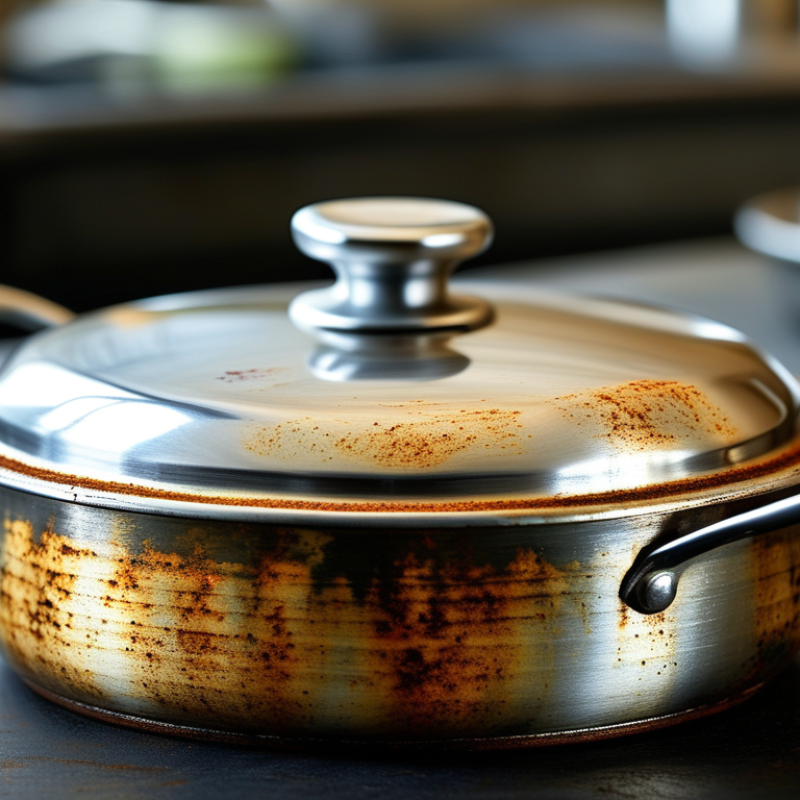
Understanding Rust Formation on Stainless Steel Cookware
Rust formation on stainless steel cookware might seem surprising. Stainless steel is designed to resist rust. However, certain conditions lead to corrosion. Factors such as moisture, salt exposure, and improper cleaning can accelerate rusting. According to a study published by the Journal of Materials Science, stainless steel can still oxidize under specific environmental conditions.
When stainless steel is exposed to water or air over extended periods, the protective chromium oxide layer can be compromised. This allows iron particles within the alloy to oxidize. An industry report from the American Society for Metals highlights that localized rust can occur in less than a year if cookware is left damp and uncleaned. Moreover, salt residues may exacerbate this issue, especially when cooking acidic foods.
Regular maintenance is essential. Routine cleaning and drying will hinder rust development. Using mild detergents and avoiding abrasive pads can preserve the protective layer. Awareness of environmental factors is crucial. While stainless steel is durable, neglecting care can lead to unwanted rust spots. Monitoring cookware conditions ensures longevity and maintains its appearance.
Common Causes of Rust on Stainless Steel Cookware
Rust on stainless steel cookware can be frustrating. It often appears unexpectedly, even on high-quality products. Understanding the common causes of rust can help you prevent damage and extend the life of your cookware.
One major cause of rust is exposure to moisture. If your cookware is left wet, it creates an environment for rust to develop. Improper drying contributes to this issue. Residue from food or cleaning products can also lead to rust if not thoroughly rinsed. Using steel wool or abrasive cleaners can scratch the surface, making it more susceptible to corrosion.
Another factor is the presence of chlorides. These substances are often found in table salt and certain cleaning agents. Prolonged contact with chlorides can result in pitting and rust formation. Even acidic foods can contribute to rusting if cookware is not cleaned immediately. Regular maintenance is essential to combat these challenges.
Common Causes of Rust on Stainless Steel Cookware
Effective Methods for Removing Rust from Stainless Steel
Rust spots on stainless steel cookware can be frustrating. However, removing them is achievable with some effective methods. One popular method involves using baking soda. Make a paste by mixing water and baking soda. Apply this paste to the rust spots and let it sit for a few minutes. Then, scrub gently with a soft cloth or sponge. Rinse and dry thoroughly to prevent future rust.
Another effective technique is vinegar treatment. White vinegar is a natural rust remover. Soak a cloth in vinegar and wrap it around the affected area. Leave it for a while, allowing the acidity to break down the rust. After removing the cloth, scrub the area gently. This approach is simple yet often overlooked.
Tips: Ensure you dry your cookware immediately after washing. Avoid leaving it to soak in water. Regularly inspect your cookware for early signs of rust, which can make removal easier later. Store your stainless steel in a dry place to prevent moisture buildup. Small steps can prevent significant issues, reinforcing the importance of maintenance in care for your cookware.
Preventive Measures to Avoid Rust on Stainless Steel Cookware
Stainless steel cookware is often praised for its durability and appeal, yet it can still be prone to rust. According to industry reports, nearly 30% of households experience some type of rust on their cookware. This is often due to improper maintenance or exposure to harsh conditions.
To prevent rust, the first step is proper cleaning. Regular scrubbing with mild detergent helps remove any residue that could lead to oxidation.
Another key factor is drying your cookware thoroughly after cleaning. Leaving water on the surface can promote rust formation. A study indicates that cookware left wet is twice as likely to develop rust spots. Also, avoid using abrasive tools that can scratch the surface. Scratches create tiny areas where moisture can accumulate, increasing rust risk.
Consider storing your stainless steel cookware in a dry environment. Humidity can significantly affect metal surfaces. Keeping your cookware away from moisture-prone areas, like near the sink, helps reduce rust chances. Lastly, occasionally applying a thin layer of food-safe mineral oil may serve as a protective barrier against moisture. This habit, while simple, can greatly extend the life of your cookware. It's important to find a routine that works for you, allowing for regular inspection and maintenance to keep rust at bay.
Best Cleaning Products for Maintaining Stainless Steel Cookware
Maintaining stainless steel cookware requires proper cleaning products. Mild dish soap is a solid choice. It removes grease without scratching the surface. For tough stains, consider baking soda. This natural abrasive helps lift stubborn grime effectively. Make a paste with water for easy application.
Vinegar is another versatile option. It is excellent for restoring shine. If you notice water spots, sprinkle some vinegar, let it sit, then wipe it away. This method is simple and quite effective. Ensure you rinse well after using any acidic cleaner.
When using any cleaning product, always test a small area first. This helps prevent damage. Sometimes, common household items can be surprisingly effective. But, every kitchen is different, so results may vary. Think critically about what works best for your cookware. Regular maintenance can help avoid tough rust spots in the future, making your cookware last longer.
How to Remove Rust Spots from Stainless Steel Cookware? - Best Cleaning Products for Maintaining Stainless Steel Cookware
| Cleaning Method |
Ingredients |
Application Process |
Suitable For |
| Baking Soda Paste |
Baking soda, water |
Mix baking soda with water to make a paste. Apply it to rust spots and scrub gently with a non-abrasive sponge. |
Mild rust removal |
| Vinegar and Baking Soda |
Vinegar, baking soda |
Pour vinegar on rust spots, sprinkle baking soda, allow it to fizz, then scrub with a sponge. |
General rust removal |
| Lemon Juice and Salt |
Lemon juice, salt |
Sprinkle salt on the rust spot, apply lemon juice and let it sit before scrubbing. |
Light rust removal |
| Commercial Rust Remover |
Rust remover product |
Follow the manufacturer’s instructions for application and safety. |
Severe rust problems |
| Olive Oil Maintenance |
Olive oil |
After cleaning, apply a small amount of olive oil to prevent future rust. |
Preventive maintenance |
Conclusion
Rust spots on stainless steel cookware can be a frustrating issue for many home cooks. This article explores how to remove rust spots from stainless steel cookware by first understanding the formation of rust, including its common causes such as exposure to moisture or harsh cleaning materials. Effective methods for rust removal include using natural abrasives or commercial cleaners specifically designed for stainless steel.
Additionally, the article highlights preventive measures to avoid rust, emphasizing proper cleaning and drying techniques after use. By maintaining stainless steel cookware with appropriate cleaning products, you can extend its lifespan and keep it looking pristine. Overall, knowing how to properly care for your stainless steel items will help prevent rust and maintain their functionality and appearance.

 Kaus Kitchen