When it comes to kitchen essentials, a stainless steel frying pan stands out. Many people may underestimate the importance of proper seasoning. However, knowing how to season a stainless steel frying pan can greatly enhance its performance. Proper seasoning creates a natural non-stick surface. This not only makes cooking easier but also improves the flavor of your dishes.
Seasoning a pan involves a few simple steps. Yet many home cooks make common mistakes. They may skip the cleaning step or apply too much oil. These errors can result in uneven seasoning or a sticky surface. Learning to avoid these pitfalls is crucial for achieving the best results.
Investing time in mastering how to season a stainless steel frying pan pays off. Doing so can elevate your cooking game. You will find that a well-seasoned frying pan can handle various cooking tasks. With the right approach, you can enjoy the full benefits of this versatile kitchen tool.
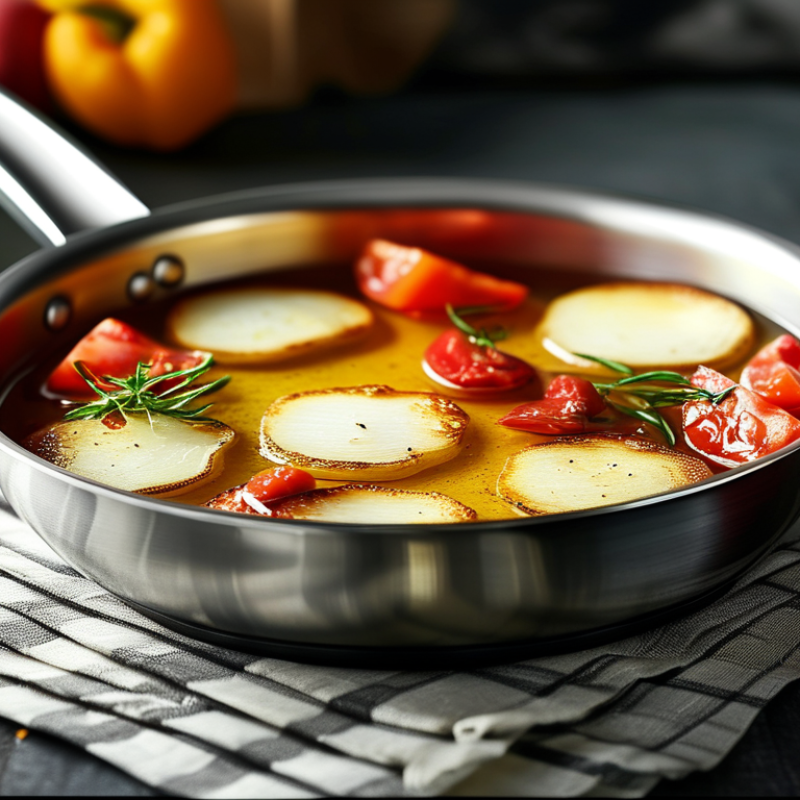
Seasoning a stainless steel frying pan is often overlooked. Many cooks assume that stainless steel doesn’t require seasoning. However, the process can enhance cooking performance and make cleanup easier. It creates a natural non-stick surface. This is especially valuable when cooking delicate foods, like eggs or fish.
The importance of seasoning lies in its ability to prevent food from sticking. A well-seasoned pan won’t just improve food release; it also can enhance flavors. When oil polymerizes on the surface, it forms a protective layer. This layer also helps resist rust and corrosion. It improves the overall longevity of your pan.
Another aspect to consider is the imperfect nature of seasoning. Not every attempt will yield the desired result. You might find some food still sticks, or the seasoning isn’t consistent. This is a common experience. Reflecting on this process can help you learn. Adjusting your technique or recipe can lead to better outcomes. Embrace the trial-and-error process as you refine your skills.
Choosing the right oil for seasoning your stainless steel frying pan is crucial. Not all oils are created equal. For optimal results, consider oils with high smoke points. These oils can withstand high heat without burning. Examples include avocado oil, grapeseed oil, and canola oil. Each of these options offers distinct flavors and properties.
When using oil, consider your cooking style. Some oils impart a stronger flavor. Others remain neutral. Remember that improper seasoning can lead to sticky surfaces. It is important to apply the oil evenly and sparingly. Watch for any smoke as you heat the pan. If it smokes too much, you might need to adjust the heat.
It can be tricky to achieve the right level of seasoning. Don’t rush the process. Sometimes, the pan may require multiple rounds of seasoning. It’s not always perfect on the first try. If you notice uneven patches, that’s a sign to try again. Take your time, learn from each attempt, and soon you will have a well-seasoned pan ready for any culinary challenge.
Cleaning your stainless steel frying pan before seasoning is crucial for optimal performance. A well-cleaned surface ensures that oil adheres properly, creating a non-stick layer. According to a recent survey, many cooks overlook the cleaning step, which can lead to uneven seasoning and a subpar cooking experience.
Start by washing your pan with warm water and mild dish soap. Use a non-abrasive sponge to remove food residues and grease, ensuring the surface is spotless. It's essential to dry the pan thoroughly afterward. Leaving moisture on the surface can lead to rust, common in stainless steel cookware. The Specialty Kitchenware Association reports that 45% of users experience rust issues simply due to inadequate drying techniques.
After cleaning, you can inspect the pan for scratches or discolorations. These imperfections can affect seasoning. Use a little baking soda paste if necessary; it helps remove stubborn stains without damaging the surface. Allow time for reflection here: the cleaning process, often rushed, is crucial for the pan's longevity. Proper attention to this phase is linked to enhanced cooking outcomes, as it sets the stage for effective seasoning.
When applying oil to a stainless steel frying pan, it’s essential to choose the right technique. Start by ensuring the pan is completely clean and dry. A dirty or wet surface can lead to uneven seasoning. Use a paper towel to wipe the inside of the pan. This step removes any residue that could interfere with proper oil adhesion.
Next, pour a small amount of oil into the center of the pan. Use an oil with a high smoke point, such as canola or grapeseed oil. With a clean paper towel, spread the oil evenly over the entire surface, including the sides. The key is to apply a thin layer. Too much oil can create an undesirable sticky texture.
Tips: Check the temperature of the pan. If it’s too hot, the oil may smoke and break down. A medium heat is ideal. After seasoning, allow the pan to cool naturally. This can help develop a natural non-stick surface. Remember, every time you use the pan, it might require re-seasoning. Don’t be discouraged by imperfections; seasoning takes practice and patience. Enjoy the cooking journey!
When seasoning a stainless steel frying pan, heat settings and cooking duration play crucial roles. Begin by preheating your pan on medium heat. A skillet should reach a temperature where a few drops of water sizzle and evaporate quickly. This indicates that the surface is hot enough to begin the seasoning process.
Once preheated, add a thin layer of oil. Choose a high-smoke-point oil to avoid burning. Allow the oil to heat until it shimmers, which usually takes about two to three minutes. You can swirl the oil around to cover the entire surface evenly. Remove the pan from the heat after this step to prevent overheating, which can cause the oil to degrade.
Let the pan cool down slightly before wiping away excess oil. This process may take practice. It’s normal for some areas to look uneven or discolored. Don't worry if the initial results aren't perfect. With each use and seasoning, the pan will develop a more uniform layer that enhances its non-stick qualities. Regular maintenance is key, so don’t skip this essential step after every few uses.
: Seasoning enhances cooking performance and creates a natural non-stick surface.
Skipping seasoning can lead to food sticking and make cleanup harder.
Oil polymerizes on the pan surface, forming a layer that enhances flavors.
Clean the pan with warm water and mild soap. Ensure it's completely dry.
Inadequate cleaning can cause uneven seasoning and sticking issues.
Yes, seasoning isn’t always perfect. Expect some trial and error.
Use a baking soda paste to clean stubborn stains without damage.
Many rush the cleaning process, which affects the pan's performance.
Proper cleaning and seasoning help resist rust and improve longevity.
Reflecting on each attempt can guide adjustments for better results in the future.
To effectively learn how to season a stainless steel frying pan, it's essential to understand the significance of this process. Seasoning not only enhances the non-stick qualities of the pan but also protects it from corrosion and improves its longevity. Start by selecting the right oil for seasoning, as various oils have different smoke points and benefits.
Before seasoning, ensure your frying pan is thoroughly cleaned to remove any residues. Following this, apply the chosen oil to the surface using specific techniques to ensure even coverage. Finally, control the heat settings and duration of cooking during the seasoning process to achieve optimal results. By following these steps, you can successfully season your stainless steel frying pan and enhance your cooking experience.

Kaus Kitchen