When it comes to mastering the art of cooking, a critical skill is knowing how to preheat a stainless steel pan properly. According to a report by the Culinary Institute of America, the majority of professional chefs achieve optimal cooking results by understanding the science behind heating metal. Stainless steel pans require specific techniques to prevent food from sticking and to enhance flavor.
Chef Maria Lopez, a renowned expert in culinary arts, emphasizes the importance of this practice. She states, “Proper preheating is vital; it not only improves cooking performance but also adds depth to your dishes.” Her insight aligns with the notion that a well-preheated pan creates a searing effect, locking in juices and enhancing texture.
Understanding how to preheat a stainless steel pan properly is not just for show; it is essential for both amateur cooks and seasoned professionals. Many overlook this step and suffer the consequences—uneven cooking or unwanted sticking. It's a simple yet often neglected aspect of cooking that can make a significant difference in the outcome of your meals. Embrace the nuances of this technique, and watch your culinary creations transform.
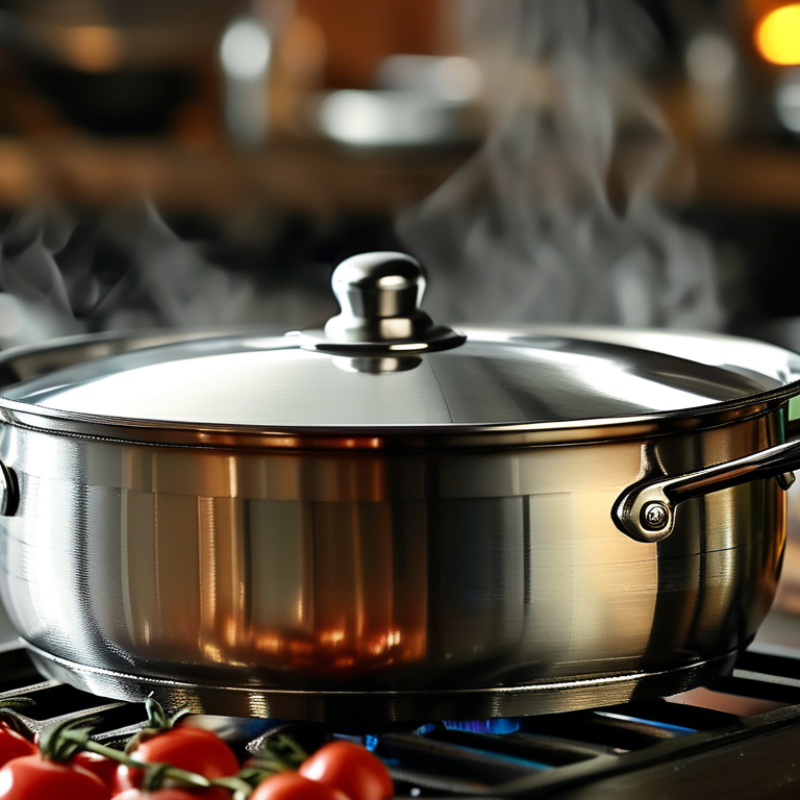
Preheating a stainless steel pan is a crucial step in cooking. It helps to create a non-stick environment. When the pan is preheated properly, the heat distributes evenly. This leads to better food texture and flavor. Reports from the Culinary Institute of America show that a well-preheated pan reduces sticking by nearly 50%. This is important for browning and searing.
Many home cooks neglect this step, leading to frustration. It's common to find food clinging to the pan. This can ruin the meal and waste ingredients. A little patience goes a long way. It's essential to allow the pan to reach the right temperature before adding oil. A good rule of thumb is to heat the pan for five minutes over medium heat.
Tips: Use water droplets to check if the pan is ready. If they dance or evaporate quickly, it's time to cook. Another tip is to avoid overcrowding the pan. Too much food can lower the temperature quickly. Always remember that cooking in batches may yield better results. Experiment with different temperatures to find what works best for your recipes.
Choosing the right heat setting for preheating your stainless steel pan is crucial for achieving optimal cooking results. Industry research shows that preheating at a medium heat can significantly enhance food browning. A study from the Culinary Institute found that too high of a heat setting can lead to uneven cooking and can even warp the pan.
Aim for a temperature between 350°F and 400°F for effective preheating. This range allows the stainless steel to expand evenly without damaging the material. The heat should be adjusted based on the thickness of the pan. Thinner pans may require a lower setting, while thicker ones hold heat better.
Pay attention to the visual cues when preheating. A light sheen of oil on the pan indicates it's ready for cooking. However, it's important to be wary of smoke, which signals overheating. Remember, a well-preheated pan is key for searing meat and achieving that delicious crust. Always monitor your cooking and adjust accordingly; even small changes in ambient temperature can affect your results.
Preheating a stainless steel pan properly is crucial for optimal cooking. The right time to preheat your pan makes a significant difference. Many chefs suggest waiting about 2-3 minutes over medium heat. However, timing can vary based on the thickness of the pan and the heat source. A report from the Culinary Institute emphasizes that preheating enhances food release and prevents sticking.
When you preheat, look for visual cues. A drop of water should sizzle immediately upon contact. This indicates the pan is adequately heated. If it evaporates quickly, the pan may be too hot. Conversely, if the water merely sits, it isn’t hot enough.
Tips: Always test the heat before adding oil. This method helps achieve an even cook. Additionally, be mindful of temperature changes; add your food slowly to avoid sudden drops in heat. Experimentation is key. Keep track of your results to improve your technique over time.
In summary, understanding your pan's preheating behavior is essential. It’s a matter of trial and error. Each cooking session is a chance to refine your timing and methods. Consider the unique characteristics of your cookware for the best results.
Preheating a stainless steel pan is essential for achieving optimal cooking results. One effective method to test its temperature is the water drop technique. This involves sprinkling a few drops of water onto the surface. When the pan reaches about 400°F, the water will bead and dance around before evaporating quickly. This indicates that the pan is ready for cooking.
Research from the Culinary Institute suggests that preheating a pan correctly enhances food searing. A well-heated surface creates a non-stick effect for proteins. However, many home cooks miss this step, which can lead to uneven cooking. Always ensure the pan is heated before adding oil. This prevents the food from sticking and promotes better browning.
Tip: Use an infrared thermometer for precise readings. This tool helps avoid guesswork and provides consistent results.
Another method involves a drop of oil. Heat the pan for a few minutes, then add oil. If the oil shimmers and spreads easily, the pan is ready. But remember, excessive heating can lead to smoke and flavors being ruined. Avoid overcrowding the pan; it can lower the temperature significantly. Finding that balance is key to successful cooking.
When cooking with stainless steel, timing the addition of oil is crucial. Add oil after preheating your pan, not before. This allows the oil to reach the right temperature for optimal cooking. A properly heated stainless steel pan creates a non-stick surface that helps food sear beautifully.
To test if your pan is ready, sprinkle a few drops of water onto the surface. If they dance and evaporate quickly, your pan is hot enough. Pour in the oil and let it heat for a moment. You want the oil to shimmer slightly. This visual cue indicates it's ready for cooking. Be careful; oil can smoke quickly if overheated.
Using too much oil can lead to greasy food, while too little can cause sticking. Finding the right balance may take practice. Each cooking session offers a chance to refine your technique. Remember that different food types may require different amounts of oil. Adjust based on your ingredients and desired finish. Embrace the learning curve in perfecting your technique.
This chart illustrates the smoke points of different oils at varying preheating temperatures for cooking with stainless steel pans. Understanding the smoke point of oil can help in selecting the right time to add oil when preheating your pan for optimal cooking results.
: Preheating creates a non-stick surface and ensures even heat distribution for better cooking results.
Heat the pan for about five minutes over medium heat.
Use water droplets; if they dance or evaporate quickly, the pan is hot enough.
Add oil after the pan is preheated for optimal cooking conditions.
The oil should shimmer slightly before adding food to the pan.
Too much food can lower the temperature, leading to uneven cooking.
Balance is key; too much can make food greasy, while too little may cause sticking.
Different ingredients require varying amounts of oil; adjust based on the food type.
Each cooking session provides an opportunity to practice and refine your skills.
Yes, patience is essential for achieving the best cooking results, so don't rush.
Properly preheating a stainless steel pan is essential for achieving optimal cooking results. Understanding the importance of preheating helps ensure that food cooks evenly and prevents sticking. To preheat a stainless steel pan properly, it’s crucial to choose the right heat setting; medium to medium-high is generally recommended. Identifying the right time for preheating involves allowing the pan to heat gradually until it reaches the desired temperature.
To test the temperature effectively, the water drop method is a reliable technique. When a few drops of water dance on the surface, the pan is ready for cooking. When it comes to adding oil, timing is crucial—adding it once the pan is hot ensures better cooking and helps prevent food from sticking. By following these steps on how to preheat a stainless steel pan properly, home cooks can enhance their cooking experience and achieve delicious results.

Kaus Kitchen