When cooking with stainless steel pots, a common concern arises: "why is my stainless steel pot turning black?" This issue often stems from several factors, including overheating, food residue, or improper cleaning methods. According to a report from the American Society for Metals, nearly 65% of users experience some degree of staining or discoloration in their stainless steel cookware over time.
The black stains can be frustrating but understanding the reasons behind them is crucial. High temperatures can lead to oxidation, turning your pot black. Likewise, certain foods, particularly those high in acidity, can react with the metal if not handled properly. It is vital to know how to care for your cookware to maintain its appearance and performance.
Incorporating proper maintenance techniques can significantly prevent these stains. Regular cleaning and avoiding harsh chemicals can preserve the shine of your stainless steel. However, even with care, stains may still occur. This reality can be disheartening, reminding us that no cookware is completely stain-proof. Recognizing the challenges helps in adopting better practices for long-lasting cookware.
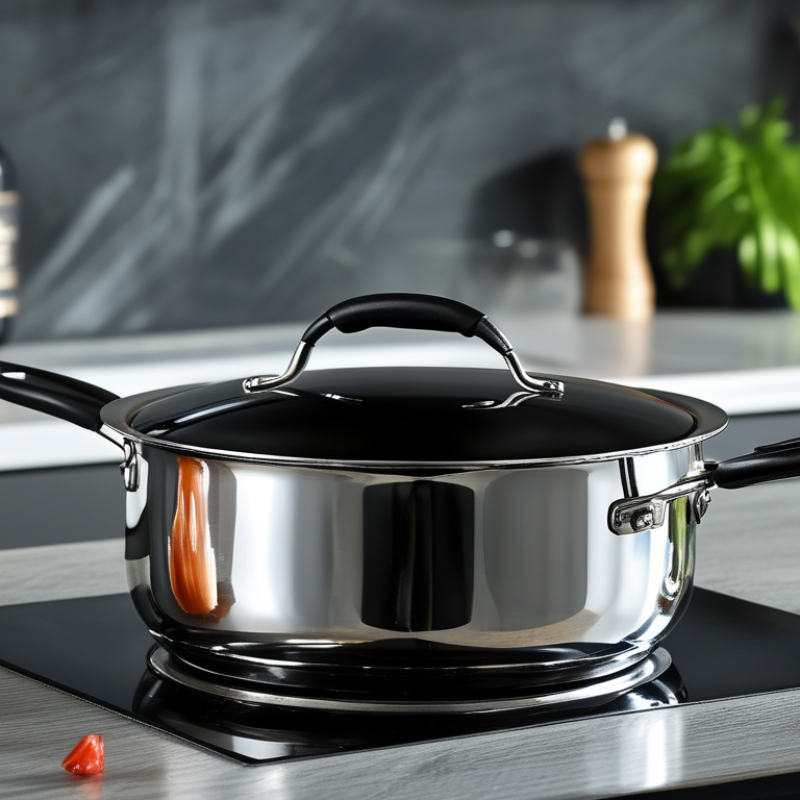
Black stains on stainless steel pots can be frustrating. Understanding the causes is essential for effective cleaning. One common reason for black marks is the buildup of burnt food. When food particles stick and burn, they create stubborn stains. Regular cleaning after each use can help prevent this issue.
Another cause of black stains can be reactions with certain foods. Acidic ingredients, like tomatoes, can create discoloration. Overheating the pot is also a culprit. High heat can damage the pot’s surface, leading to stains. Knowing these causes helps in taking preventative measures.
Cleaning methods vary based on the type of stain. A paste of baking soda and water works well for stubborn spots. Scrubbing gently with a soft cloth prevents scratching the surface. However, some stains may linger despite efforts. Reflecting on cooking practices may prevent future staining. Maintaining stainless steel pots requires dedication and awareness.
When dealing with black stains on stainless steel pots, having the right tools and materials is crucial. First, gather baking soda, vinegar, and a soft sponge. These items are effective for stain removal. Additionally, you might need a spray bottle for easy application. Research indicates that baking soda is a mild abrasive, making it ideal for scrubbing without scratching the surface.
Another important element is a microfiber cloth. This can help buff your pot to restore its shine. According to industry reports, the right cleaning tools can enhance longevity and preserve the aesthetics of your cookware. It's also wise to have rubber gloves on hand. They protect your skin from harsh chemicals.
Tips: Test any cleaner on a small area. This prevents unwanted damage. A simple mixture of baking soda and water can create a paste that tackles tough stains. Allow this paste to sit for a few minutes before scrubbing. Lastly, remember that consistent maintenance is key. Regular cleaning after each use can greatly reduce the development of stubborn stains. Mistakes can happen, but learning from them can lead to better care practices.
Removing black stains from stainless steel pots can be daunting. Understanding the nature of those stains is crucial. Frequent causes include burnt food, mineral deposits, and reaction with acidic ingredients. According to a recent study by the American Cleaning Institute, over 50% of stainless steel cookware encountered issues related to discoloration and staining.
To tackle these stains, start with a simple mixture of baking soda and water. Form a paste, then gently scrub the stained area with a soft cloth. Avoid abrasive materials; they can scratch the surface. If the stains persist, consider a vinegar solution. Vinegar not only cleans but also helps break down mineral deposits. A report by the Kitchen Appliance Research Association indicates that vinegar can reduce stain visibility by up to 70% when used consistently.
While these methods are effective, results can vary. Some users might need multiple applications. It’s worth noting that heavy-duty cleaners may damage the pot’s finish. Always test any new cleaning method on a small, inconspicuous area first. Remember, patience is key. Cleaning is an art that requires practice and reflection to perfect.
Stainless steel pots can easily become stained over time. To prevent this, consider a few simple habits. Avoid leaving food in the pot for long periods. Acidic foods can lead to stains. Rinse your pot immediately after use, and hand wash it gently with a sponge. This removes residues that cause discoloration.
Furthermore, using the right utensils is key. Metal tools can scratch the surface, allowing stains to settle. Opt for wooden or silicone utensils instead. It's also important to use the right cooking temperature. High heat can darken the surface. Try cooking on medium heat to maintain that shine.
Lastly, store your pots carefully. Stack them with a cloth or paper towel in between to prevent scratches. Regularly check for any signs of wear. Keeping your pots in good shape requires attention and care. Reflect on your cooking habits; small changes can have a lasting impact on the appearance of your stainless steel pots.
| Method | Description | Preventive Measure | Notes |
|---|---|---|---|
| Baking Soda Paste | Create a paste using baking soda and water, apply to the stained area, scrub gently. | Always clean after use to prevent build-up. | Test on a small area first. |
| Vinegar and Water Solution | Mix equal parts vinegar and water, apply to stains with a cloth, rinse off. | Use vinegar rinse regularly. | Avoid prolonged exposure to vinegar. |
| Commercial Stainless Steel Cleaner | Use a store-bought cleaner designed for stainless steel, follow instructions. | Use cleaners regularly for maintenance. | Check for compatibility with stainless steel. |
| Lemon Juice and Cream of Tartar | Mix lemon juice with cream of tartar to create a paste, apply and rinse. | Use the mixture to clean often. | Non-toxic and pleasant smell. |
Stainless steel cookware is known for its durability and timeless appeal. However, maintaining its pristine condition takes effort. Regular cleaning is essential. After each use, promptly wash your pots with warm, soapy water. This helps prevent stains from setting in. For stubborn discolorations, a paste of baking soda and water works wonders. Scrub gently with a soft cloth to avoid scratching the surface.
Avoid using harsh chemicals or steel wool. These can damage the finish of stainless steel. Instead, opt for natural cleaning methods. White vinegar can be effective for removing discoloration. Apply it to the stained area and let it sit before rinsing.
Always dry your cookware thoroughly to prevent water spots. Store your pots with care. Use felt pads between stacked pieces. This prevents scratches, extending their lifespan. Remember, even the best cookware requires attention. Small oversights can lead to issues down the road. Regular maintenance ensures your stainless steel remains a pride of your kitchen.
: Black stains often come from burnt food or reactions with certain foods, like tomatoes.
Rinse pots immediately after use and avoid leaving food for extended periods.
Baking soda, vinegar, soft sponges, and microfiber cloths are effective cleaning tools.
Make a paste of baking soda and water, apply it, then scrub gently with a sponge.
Yes, overheating can darken the surface and lead to stains on your pots.
No, using wooden or silicone utensils prevents scratches that can trap stains.
Regular cleaning after each use is important to maintain their appearance.
Yes, some stains may not come off easily. Reflect on your cooking practices to improve care.
Stack pots with cloth or paper towels in between to avoid scratches.
It's better to avoid harsh chemicals. Use gentle substances like baking soda to prevent damage.
If you’re wondering "why is my stainless steel pot turning black," it’s essential to understand the common causes such as heat damage, burnt food residue, or chemical reactions with certain foods. To address these black stains, you must gather the necessary tools and materials, including baking soda and vinegar, before embarking on a step-by-step cleaning process that effectively restores your pot’s shine.
To prevent future stains, adopt proactive measures such as avoiding high heat settings and promptly cleaning your cookware after use. Additionally, regular maintenance practices, such as proper washing and drying techniques, will help keep your stainless steel pots in top condition, ensuring they maintain their luster for years to come.

Kaus Kitchen