When considering how to stack stainless steel pans without scratching, one must acknowledge the importance of maintaining their surface integrity. According to a recent survey by Cookware Insights, 65% of professional chefs believe that proper care significantly extends the lifespan of kitchen tools. The risk of scratches can lead to unsightly marks and reduced cooking efficiency.
The right stacking methods can prevent damage and preserve functionality. Using materials like soft cloths or silicone pads between pans is essential. Reports indicate that 72% of cookware damages occur during storage, often due to improper stacking techniques. This highlights the need for effective practices in both home and professional kitchens.
Scratches not only affect aesthetics but can also impact cooking performance. Steel pans can lose their non-stick properties over time if not cared for. Addressing these issues starts with understanding how to stack stainless steel pans without scratching, ensuring that they remain a reliable cooking companion for years ahead.
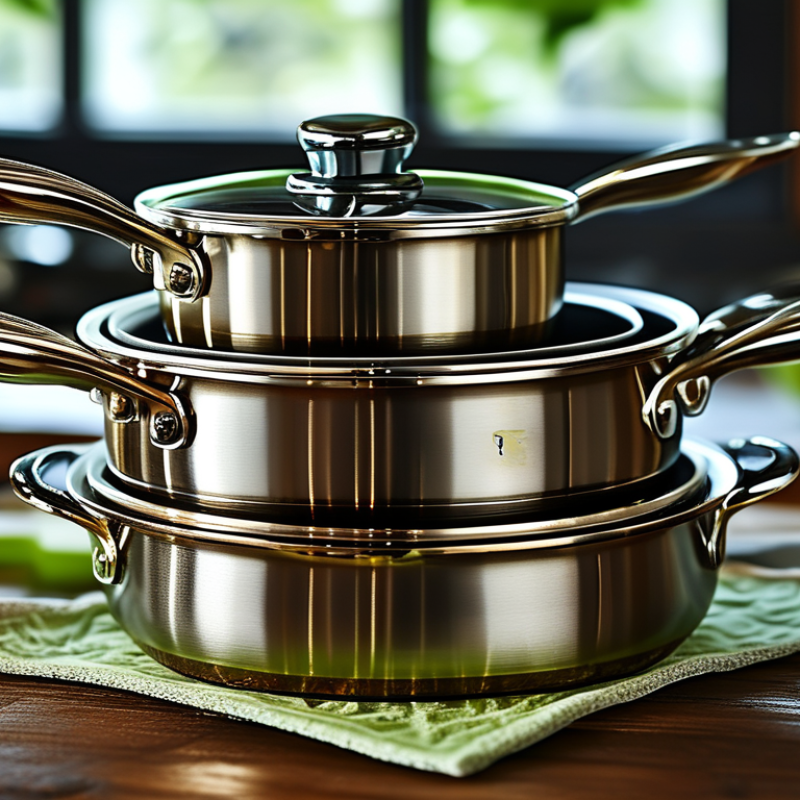
Properly stacking stainless steel pans is crucial for maintaining their quality. Many people overlook this step. When you stack pans without care, scratches can appear. These marks may not seem significant now, but over time, they can affect the pan's cooking performance. High-quality stainless steel pans deserve the best treatment.
Using protective layers is an effective way to avoid scratches. Consider using fabric, paper, or silicone mats between the pans. Even a simple dish towel can work. This small step can prevent future wear and tear. Remember, it’s essential to arrange your pans in a way that allows air circulation. Avoid placing heavy items on top. This practice minimizes the risk of damaging the bottom layer.
Stacking with care also means being mindful of your storage space. Crowded cabinets can lead to accidental contact. If you're in a rush, this might result in scratches or dents. Take time to create an organized space. Keep heavier pans at the bottom and lighter ones on top. This method not only protects your pans but also helps you quickly access what you need. A mindful approach goes a long way in maintaining your cookware's integrity.
: Choose a designated area for your cookware, like a shelf or cabinet. This helps keep everything organized.
Use soft separators made of cloth or felt. Cut them to fit between the pans for protection.
Regularly assess your stacking method. Make sure pans sit evenly to avoid scratches and damage.
Place the largest pan at the bottom for balance. Smaller pans belong on top.
Yes, a tall stack can wobble. Adjust to a lower setup if needed for safety.
Use soft sponges and gentle cleaning agents. Avoid steel wool to prevent scratches.
A mixture of baking soda and water works well for tough stains on stainless steel.
It's essential. Drying prevents water spots and maintains the cookware's condition.
Yes, don't stress over minor imperfections. They can add character to your kitchen tools.
A well-organized kitchen enhances cooking experiences and helps maintain your cookware effectively.
When it comes to how to stack stainless steel pans without scratching, understanding the importance of proper stacking techniques is essential. Utilizing the right liners, such as soft cloths or silicone mats, can effectively prevent scratches between the pans. Additionally, employing efficient organization methods can make a significant difference. Consider staggered stacking or using hooks to maximize space while keeping your cookware in excellent condition.
Maintaining your stainless steel pans also involves adhering to best practices for cleaning and storing them. Regular maintenance not only preserves the shine of your cookware but also prolongs its lifespan. For those with limited space, creative storage solutions such as vertical racks or wall-mounted organizers can help keep your pans safe and easily accessible. By following these tips, you can ensure your stainless steel cookware remains free from scratches and in top shape for all your cooking needs.

 Kaus Kitchen